Performance Scholar, TAMU Prof.,Theatre Director/Actor, Author: Spiders of the Market—Ghanaian Trickster Performance in a Web of Neoliberalism. PhD Northwestern
@iamMrMarfo1@WebkidAfrika You got this one wrong, Mr Margo. I saw the entire unveiling. Incessant murmur in the room made it difficult for the coach to hear the questions and he himself asked the GFA man to repeat them for him. Even the supporters band had to intervene with music to get things quieter.
1. Sometimes, I sit quietly and watch sadly how history is treated in Ghana.
2. Especially once political actors get involved.
3. What numbs my soul the most is the total lack of curiosity.
4. People being so cocksure about stuff. History is so vast that anytime you see too much conviction, beware!
5. People who flaunt history as if they own it and beat their chest about their interpretation are often merely involved in con artistry. They don't know jack!
6. My test today is for NPP-NDC partisans. Those who think they know the political history of Ghana.
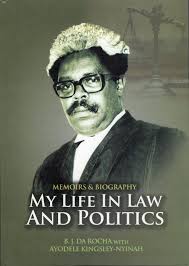
7. You have heard of BJ Da Rocha, right? First Chairman of NPP, and before that the first Director of the Ghana School of Law. Without doubt one of the most formidable historical figures of Ghanaian parentage.
8. Well, that is where it gets interesting - parentage. 10 years ago, I found out that BJ Rocha's ancestral lineage laid partly in Nigeria. In fact, the more colourful and consequential part.
9. Whilst his mom's heritage from the Cape Coast Baidoos is significant, his Dad's is something else entirely.
10. BJ Da Rocha's paternal ancestor is the redoubtable Candido Da Rocha of the great Lagos family of that name, often called "Nigeria's first millionaire." Did you know this?
11. The elder Da Rochas were the first to introduce clean water as a service in Nigeria after they built the first mechanised borehole in their mansion in Lagos, Water House. All important Lagosians bought clean water from them until the colonial authorities took over the facility.
12. What is fascinating is that mechanised boreholes and irrigation technologies are a signature move of the Afro-Brazilians who broke free of slavery in 19th Century Brazil and returned to West Africa (many to Accra and Lagos).
13. The Da Rochas, key family of Georgina Wood (former Chief Justice of Ghana), and Azumah Nelson are all famous Afro-Brazilians.
14. What is interesting is that many of them were originally Yoruba or Hausa. The original Nii Azumah Nelson I, the great ancestor of the legendary boxer, for instance, was originally Kangidi Asuman, a Hausa man from Northern Nigeria. Of course, by becoming the first Tabom Mantse, he spawned a new subgroup of the Ga ethnic community in Ghana.
15. I bring all this stuff up just to say that until 10 years ago, I had no idea about this side of BJ Da Rocha.
16. Yet I had been doing mouth-mouth about Ghana's political history!
17. More shockingly, many NPP "stalwarts" I asked had no clue either.
18. The depth of history among Ghanaian elites is really low.
19. History is often merely a source of slogans.
20. Don't follow their lead. Be humble. Be curious. Search for truth. And let no one confuse you with their confidence!
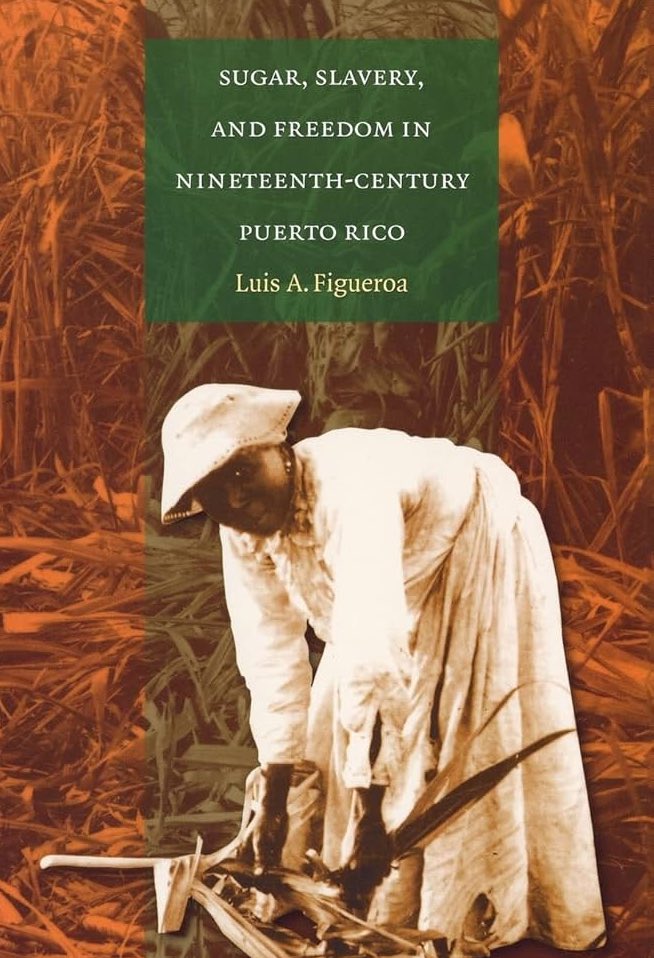
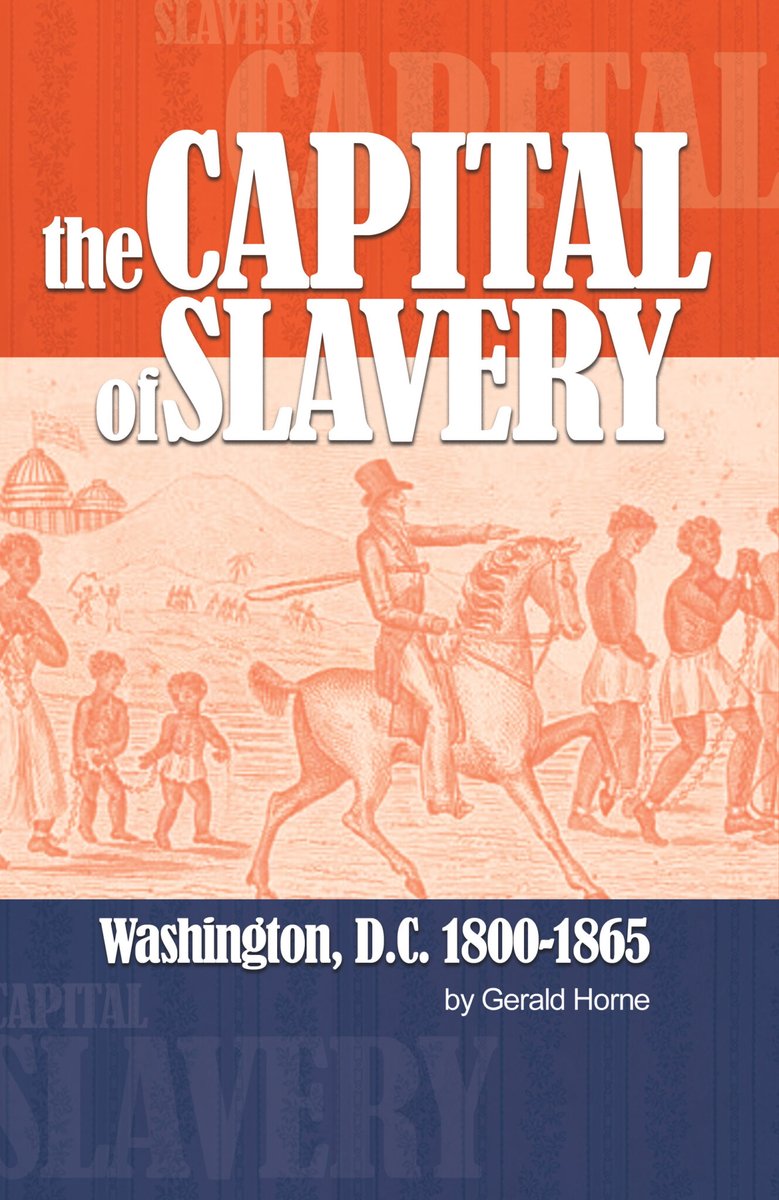
Exactly this. And if anyone wants to read more into the history of the sugar trade in Puerto Rico and how ex enslaved people rebuilt their lives and livelihoods as farmers, contributing to the economic growth of the country, this eye opening book is a great read
NEW ON YOUTUBE: https://t.co/zPpEcSq4zP
In his new book, "Afterlives of the Plantation," publ. by @ColumbiaUP, author @ProfMcInnis rethinks Booker T. Washington’s Tuskegee Institute as a site of new ideas about Black life, labor, and freedom. He is Assoc. Prof. at @Duke_English
@seduction_soul@ukusefya This batakari kɛseɛ — sometimes described as protective war armour — was worn as a ceremonial and spiritually powerful garment by the Asantehene and was associated with northern weaving and military tradition.
@seduction_soul@ukusefya Soul Seduction. The fugu has nothing to do with the Scottish kilt. Rooted in the wide variety of tunic styles that developed in Sahel and below, fugu is as African as it gets. In the 1700s an Asante King requested fugu from the overlord of Dagbon. That Batakari remains today
@ThePhDPlace I rate a coffee shop—not by the quality of its food and drinks, but— by the amount of power outlets and how late they are open (completed my PhD a while ago but this is as true today as it was then).
@tv3_ghana Shoeshine Boy (1992)
Sergeant Abebrese (1993)
Supreme Force (1993)
Aberantie (1993)
Nkrabeah (1993)
Escape to Death (1993)
Heart of Gold (1993) (I forgot this last one in my previous list)
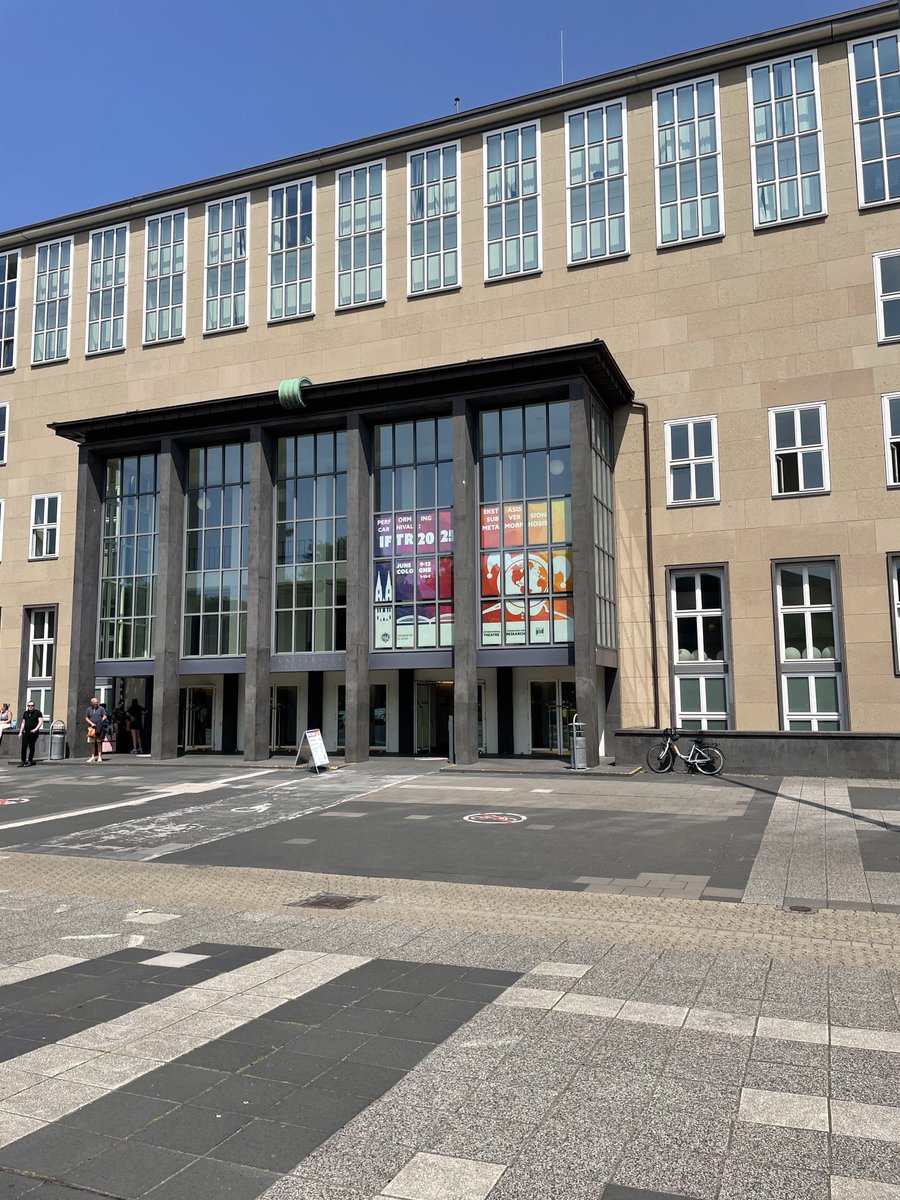
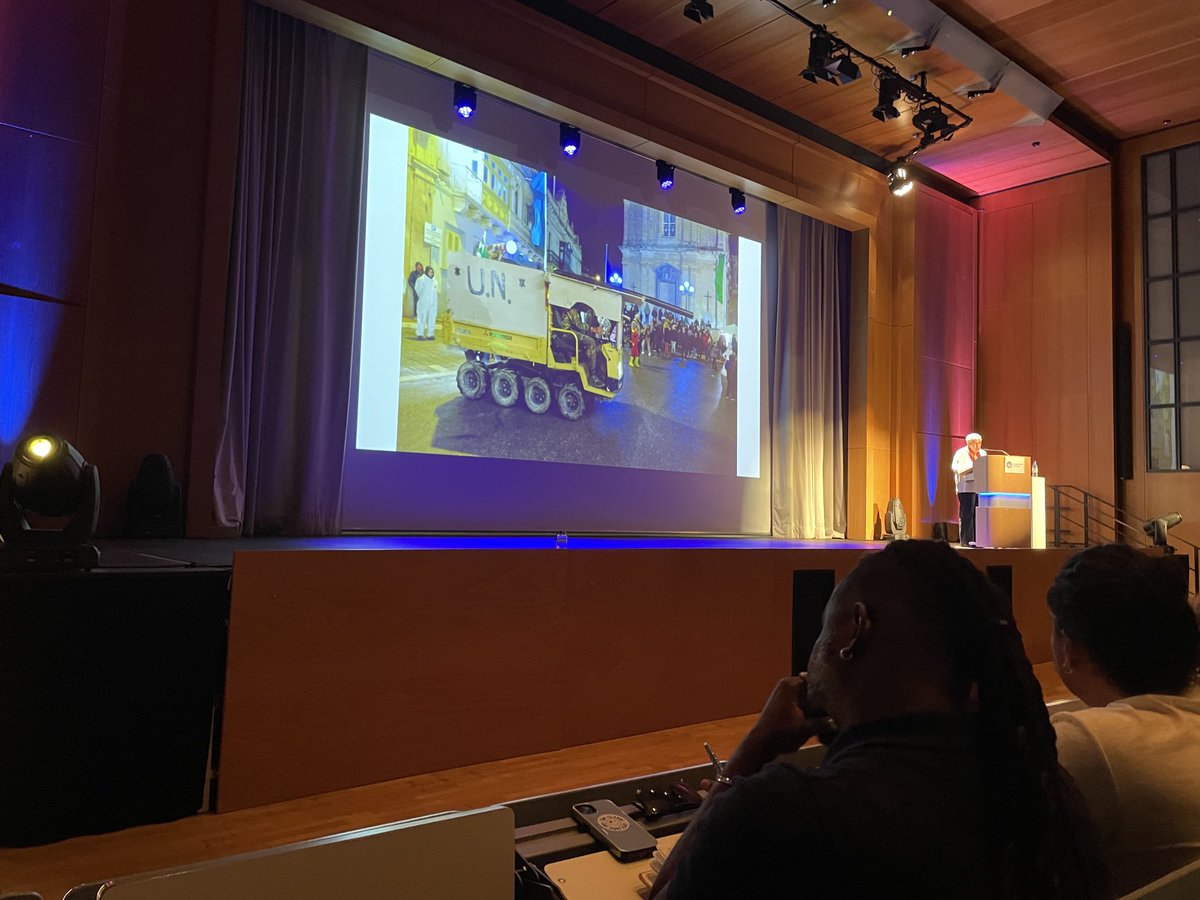
What a week! #IFTR2025 in Cologne is over. Inspiring days with so many friends, old and new, a unique diversity - showing the vitality and richness of Theatre / Performance Studies.
It was great to work together with the wonderful Cologne team. I am grateful beyond words.
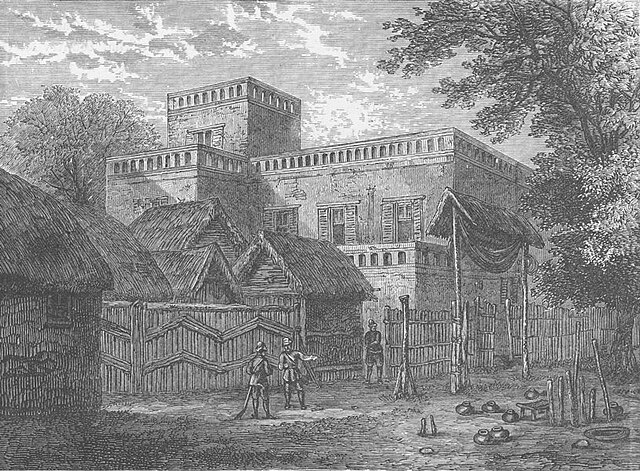
Tha Aban, a stone building finished in 1822 and turned into a museum by Asantehene Osei Bonsu who had heard about the British Museum from Thomas E. Bowdich during an embassy to Asante in 1817. Destroyed in 1874 during the first sack of Kumasi by the British.
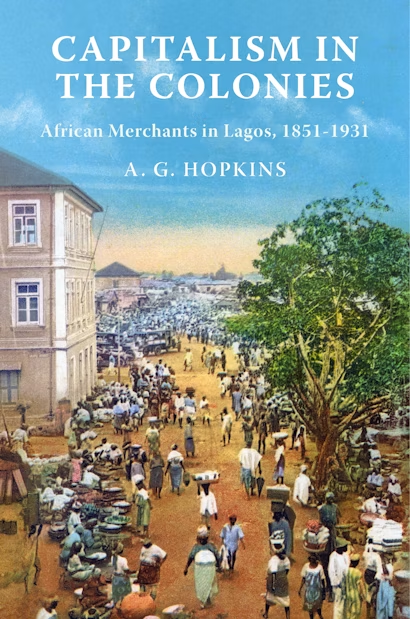
Hot off the press: A. G. Hopkins, the author of the classic An Economic History of West Africa, just published a new book: Capitalism in the Colonies: African Merchants in Lagos, 1851–1931 (@PrincetonUPress, 2024) #slaveryarchive https://t.co/3CcJX4wBOj
"Soldier's Paradise: Militarism in Africa after Empire" by @sfcdaly tells the story of how Africa’s military dictators tried and failed to transform their societies into martial utopias. Read the introduction now on our website. https://t.co/jBoXCSJMVG #PostcolonialStudies
New book from University of Rochester Press is a comprehensive historical, geographic, and thematic analysis of the multidimensional and dynamic #migration experience of Ethiopians within and beyond #Africa https://t.co/TAnBZ277sn