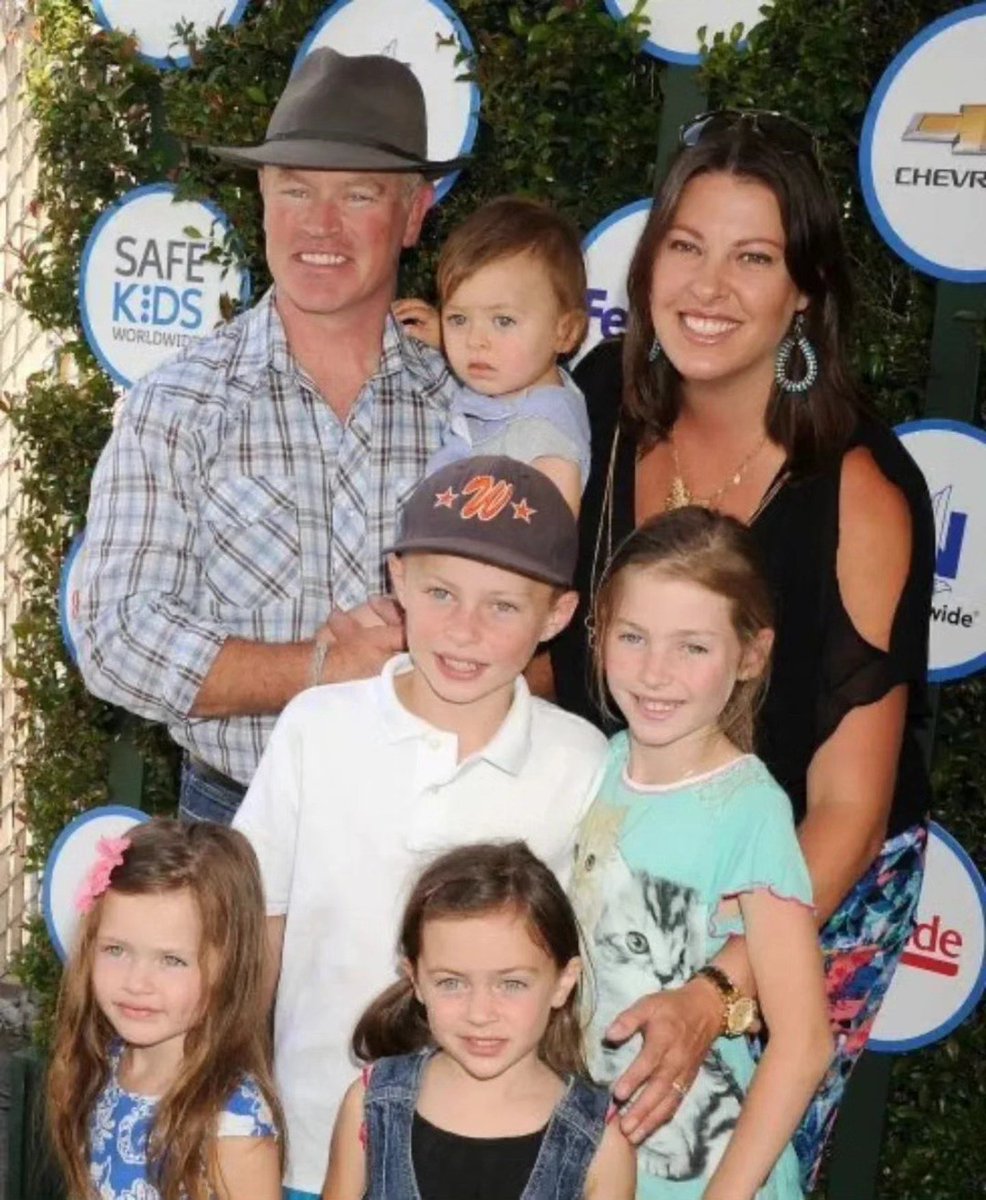
>Devout Catholic with 5 kids
>Fired for refusing to do s-x scenes
>Blacklisted by Hollywood
>Called a religious lunatic
>"I won't kiss any other woman because these lips are meant for one woman."
>Lost millions
>Came back as the villain in TV/Movies
>In the end won, and didn't have to sell his soul
This is what happens when you stand by Christ.
Keep these quick chest lift moves 💗
They build chest strength, fix posture, and give a natural lift over time
Stay consistent—small daily effort, real results ✨
The “Budwig Protocol” oxygenates cells using sulphur based fats - flax oil and cottage cheese while also eating a ketogenic diet. 🪱 hate sulphur. 🤜 🪱
-Dr Pete Soulak
A Physicians Survey Revealed 88.3% Of Doctors Would Refuse Chemotherapy For Their Own Cancer Treatment.
The 5 Year Chemo Survival Rate Is Only 2.1%, Yet Most Oncologists Only Offer 'Standard Of Care' To Patients.
Dr Seyfried Would Choose The Protocol With Ivermectin & Fasting.
American Society of Clinical Oncology (ASCO) Board of Directors has data that oncologists THEMSELVES would not take chemotherapy for cancer even though they advise chemo & radiation as the only 'approved' treatment to their patients.
MacKillop & colleagues found that a survey of Canadian doctors who treat lung cancer, only 16% would want chemotherapy for their own treatment if they had a cancer diagnosis.
Lind & colleagues interviewed teaching oncologists in Boston & found that only 27% would take chemo for lung cancer.
"The contribution of cytotoxic chemotherapy to 5-year survival in adult malignancies" cites...The overall contribution of curative & adjuvant cytotoxic chemotherapy to 5-year survival in adults is only 2.3% in Australia & 2.1% in the USA.
Cancer treatment is a multi-billion dollar industry. Most oncologists believe that cancer is genetic, but cancer is a metabolic disease.
Doctors don’t study nutrition or metabolic therapy & don't even know that chemotherapy historically was a 'weapon of war' mustard gas. Banned from use in war because it is cytotoxic & too inhumane, even against war enemies.
The system profits more from lifelong chemo & radiation than natural intervention.
Chemotherapy is not the answer to heal the body of cancer.
GKI Glucose Ketone Index & Cancer Eradication Based On Otto Warburg's Groundbreaking Research:
Cancer cells are metabolically inflexible & cannot use ketone bodies for energy when glucose is limited, unlike healthy cells.
A low GKI is achieved by restricting carbohydrates, which lowers blood glucose & increases ketone production. This starves cancer cells of glucose while providing normal cells with an alternative energy source.
Research shows a low glucose environment promotes our Natural Killer (NK) cells & T-cells to become even stronger which are crucial for killing cancer.
Chemotherapy & radiation actually kills our NK Natural Killer Cells allowing cancer to return even stronger than before conventional treatment.
15 expert physicians & oncologists have published...'Targeting the Mitochondrial-Stem Cell Connection in Cancer Treatment: A Hybrid Orthomolecular Protocol.'
This is the step by step protocol of fasting, high fat ketogenic diet (eliminating glucose) & using ivermectin, fenbendazole & supportive nutrients with lifestyle changes for cancer treatment remission.
This protocol, along with cited research is linked in the replies.
Have you used non traditional methods to reverse cancer? Is your cancer in remission thanks to fasting, ivermectin or other alternative protocols?
Brain cancer took away our Ashley’s ability to speak, took away her motor skills & eventually, our Ashley wasn’t able to consume any foods nor liquids. 💔
Ashley communicated with her fingers in her last few months on Earth & answered “yes” with her pointer finger & “no” with pointer & middle finger. Ashley was trapped in in her own body & fully aware of her loss of functions. 💔
It was heartbreaking having to watch our precious Ashley go through #BrainCancer & would’ve done anything to have traded places with her.
If you have a healthy Child, say your blessings, hug them & tell them that you love them every single day. 🙏🏻
Your follow & a repost would mean so much to keep our Ashley’s story alive & being able to become a mighty voice for our #ChildhoodCancer Warriors.
❤️ Ashley ❤️
#Forever13
I have been cancer free since December 2019. I lost my mother to pancreatic cancer in September. I list my father to bladder and lung cancer in November. I’m struggling.
@mikejwhelan Five years ago I was blessed to have my oncology group. They have one office that only works with insurance companies and drug companies. I received letters from companies stating I’d have $5 copays per treatment or they would pay the first $1K, etc.
Dearly Diagnosed:
Hey.
Cancer, huh?
That sucks. There are a lot of slogans, platitudes, and phrases you’ll hear. Some of them will resonate with you more than others. After 6 years of dealing with the disease, the one I will reiterate is that cancer just sucks.
And it’s weird!
Depending on where you are in this process, it might not feel real. You’re probably scared, or confused. You’re almost certainly in shock. You may be optimistic, or defiant, or you might be chilling and waiting for more information. All of these feelings are valid – don’t let anyone else tell you how a cancer diagnosis is supposed to feel.
There are no rules. Don’t fight your emotions; they exist for a reason.
People are going to tell you “I’m so sorry,” or “you’re so brave,” or “you’ve got this.” People are going to say a lot of crazier shit than that. People will tell you about their relatives that got it and died, or the ones that lived. None of those stories really did much for me.
People with no qualifications will tell you how you got your cancer, or even more strangely, why. They’ll also tell you how to cure it - fad diets, alternative medicine, thoughts and prayers - and this study they read (but don’t understand)! The amount of holistic shamans and weed dealers you know is about to rise exponentially.
A few idiots aside, most of these people are well-intended. Cancer is so common that everyone knows about it and the existential ramifications, but not enough people have an understanding of how overwhelming cancer is or what actually goes into dealing with it on an individual basis. Most people are just trying to protect themselves from thinking about the reality of what it takes to get through this nightmare.
And let me tell you, it’s not water fasting or cutting out sugar or relying on deities you may or may not believe in.
That’s not to knock anyone’s beliefs – if religion is important to you and your people, you should incorporate it into your recovery. Just… be ready for everyone to give you their version, whether you believe or not.
Here are some things I think you DO need:
You need a support system, and that starts with a good team at an oncology clinic you can trust. I know it’s getting more fashionable to shit on big pharma and medical professionals, but there’s a reason that people study for decades to try and help people overcome one of the deadliest diseases in human history. You’re about to face what might be the most important decision of your life, and it might mean tossing aside some bias from things you’ve heard on the internet or the news.
We have experts for a reason, even if they’re not perfect.
Also, the treatments are getting better. That’s not to say they’re easy, but they’re becoming more effective and less toxic each year. If you don’t feel like you’re getting the proper medical care you need from a place near you, please please get a second opinion. You need to feel good about the path you’re taking, and you need to advocate for yourself.
The other parts of your support system are the people around you who are willing to help. This might be your spouse, partner, parents, other family, friends, neighbors… whoever they may be, make sure you communicate your needs to them.
Do not keep your mouth shut. You are not a burden, and you need to advocate for yourself.
There are likely assistance programs attached to or associated with the hospital or oncology clinic you go to. These can yield financial aid, informational resources, help with getting to and from appointments, or mental health support & more.
The offerings will vary wildly, and some of them might not be useful to you. Try to figure out what fits your needs, and keep asking. YOU NEED TO ADVOCATE FOR YOURSELF.
Go to therapy – at least try it. You can stop going if it doesn’t work for you – it’s not for everyone. Talk to strangers on the internet who share your experience. Find forums, support groups, watch weird youtube videos from people who have had cancer.
You don’t have to agree with everyone or do everything you hear, but you can pick up little things from many different places and try them out. Hopefully, some of the good ones stick in your process.
Your mental health is paramount in making it through this thing OK.
You also need to be physically kind to yourself and give yourself the best chance of success at whatever treatment or recovery plan you end up with. You’re going to want to hydrate a ton, and get good rest if you can.
You need to eat food that allows you to get through whatever side effects the disease, stress, and treatment incur. I would advocate for eating whole, healthy foods, but the bottom line is you need calories to get through this.
A lot of treatments mess with your stomach, and it’s better to eat anything than nothing. Don’t listen to the sugar police – if you want to have junk food to comfort yourself, that’s the least of your concerns. You’re dealing with cancer.
Along those same lines, try to exercise as much as your body will allow without making you feel miserable during treatment. I would aim to move around in some capacity every day, even if it’s a jog or a walk or stretching on your light days.
I was lucky – I was able to run and play basketball during my treatments, and I think it helped me both physically and mentally, but everyone is coming from a different starting point and treatment will have different effects on your energy level.
I’m going to stop giving you informational advice right now, because this isn’t a guide on how to get through things.
This is a starting point and something that you might want to come back to later. Cancer has a way of making everything feel foggy or fuzzy – don’t feel bad if you forget stuff. Ooh, that’s one last point – take notes at appointments. Journal your thoughts. You’ll want to come back to things.
We probably don’t know each other, as it’s a big, big internet, but I promise you I and other people who have shared similar experiences care about you.
At the end of the day, that’s all cancer is. It’s a human experience – even if it’s a really shitty one.
You’re going to have your own way of going about things, and it’s not going to be perfect. You weren’t expected to be perfect in other areas of life either, so don’t start now.
Just try to give yourself the best chance of making the most of life, whatever that might mean in the context of your diagnosis. There is no good kind of cancer. All cancer sucks.
I’m sorry you’re part of this club. I can’t promise you everything is going to be alright, but more often than not, it will be.
I care about you and can empathize with you, even if I don’t know you. There are ways of making a shitty situation better if we work together to do it.
Don’t forget to hydrate ♥
#thankscancer #melanoma #cancerawareness #mentalhealth #fuckcancer