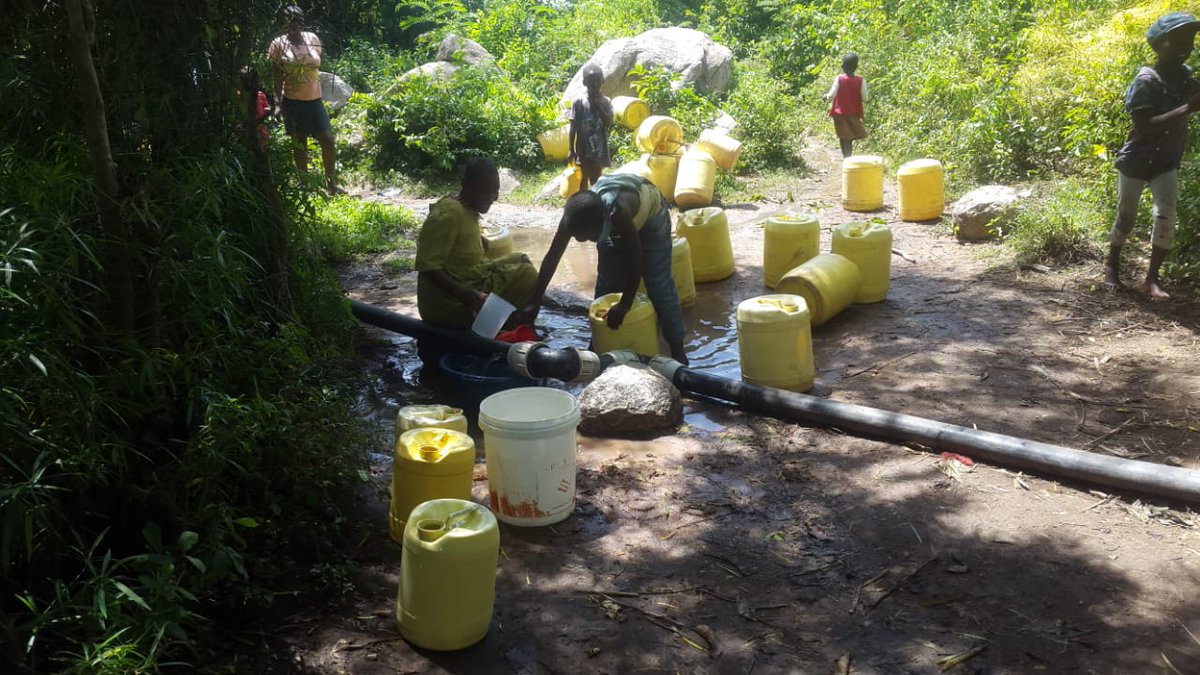
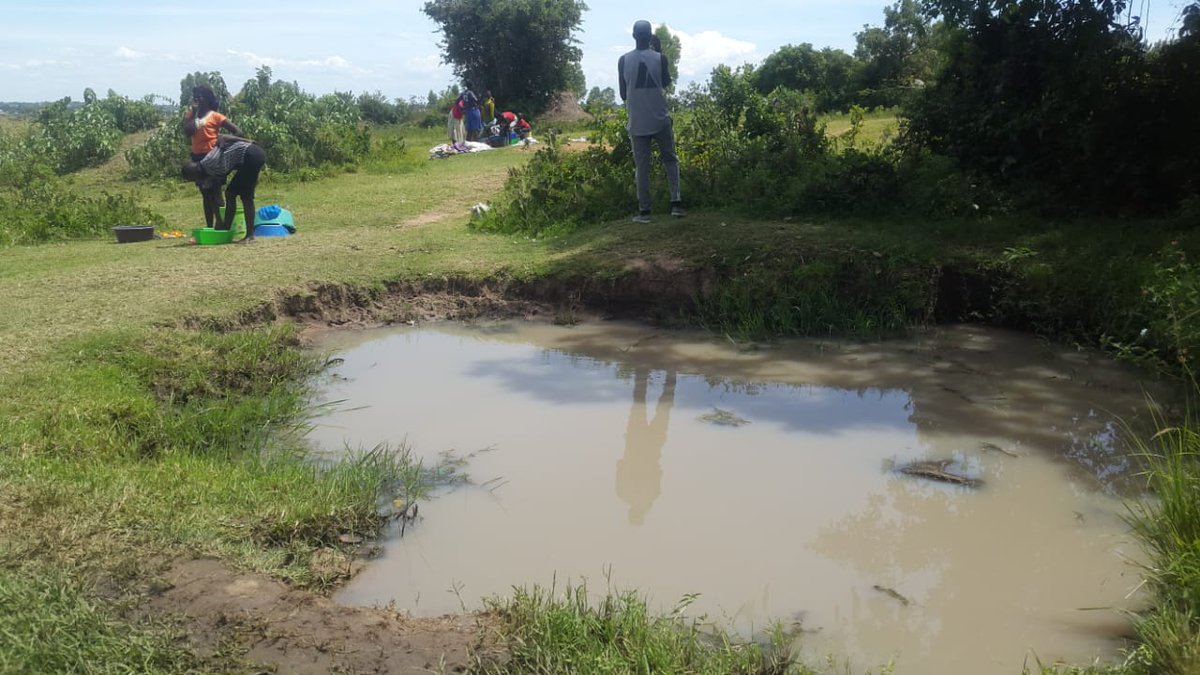
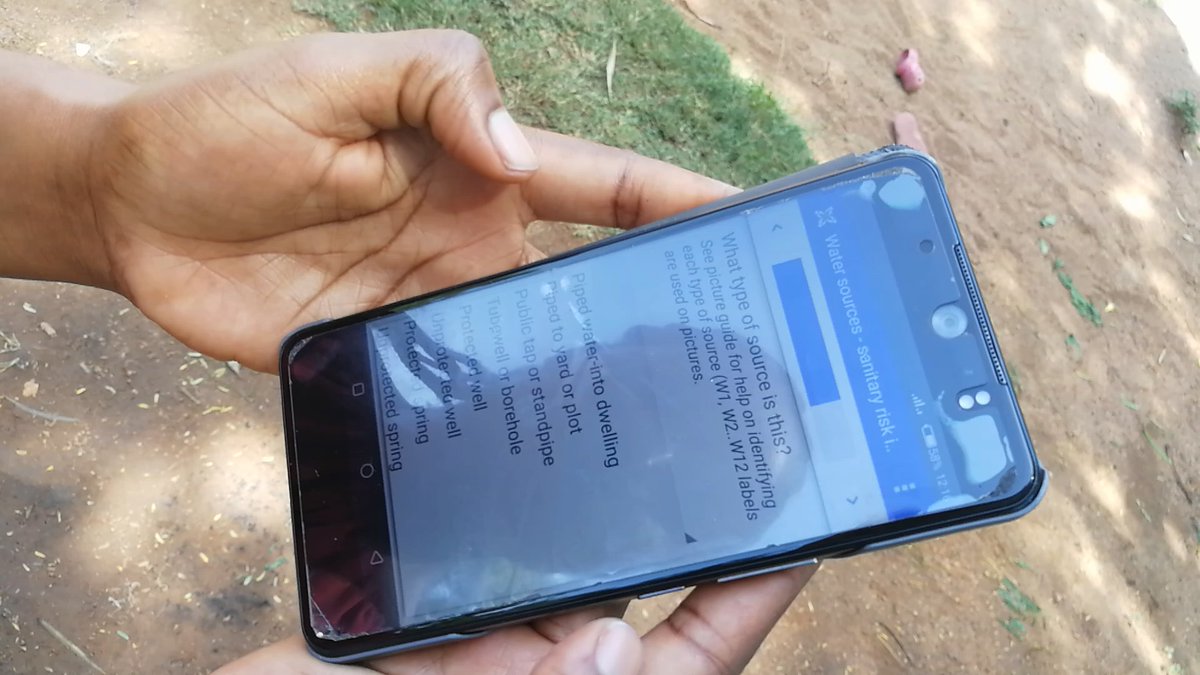
We are wondering how far different observers can consistently use sanitary risk inspection to spot the contamination hazards at or surrounding a water source - watch our new short video here: https://t.co/LNGahB9wr4
#OneHealthWater#WaSH#SanitaryRiskObservation
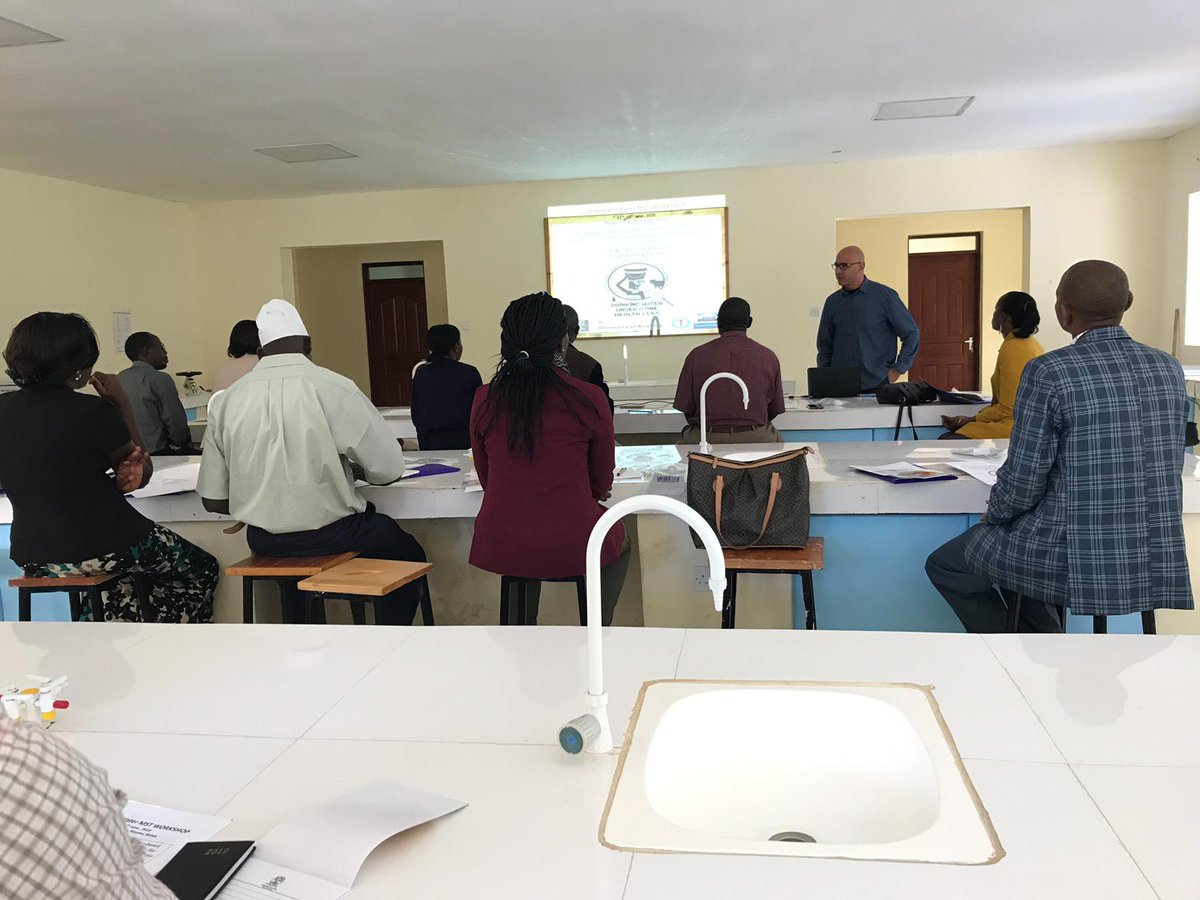
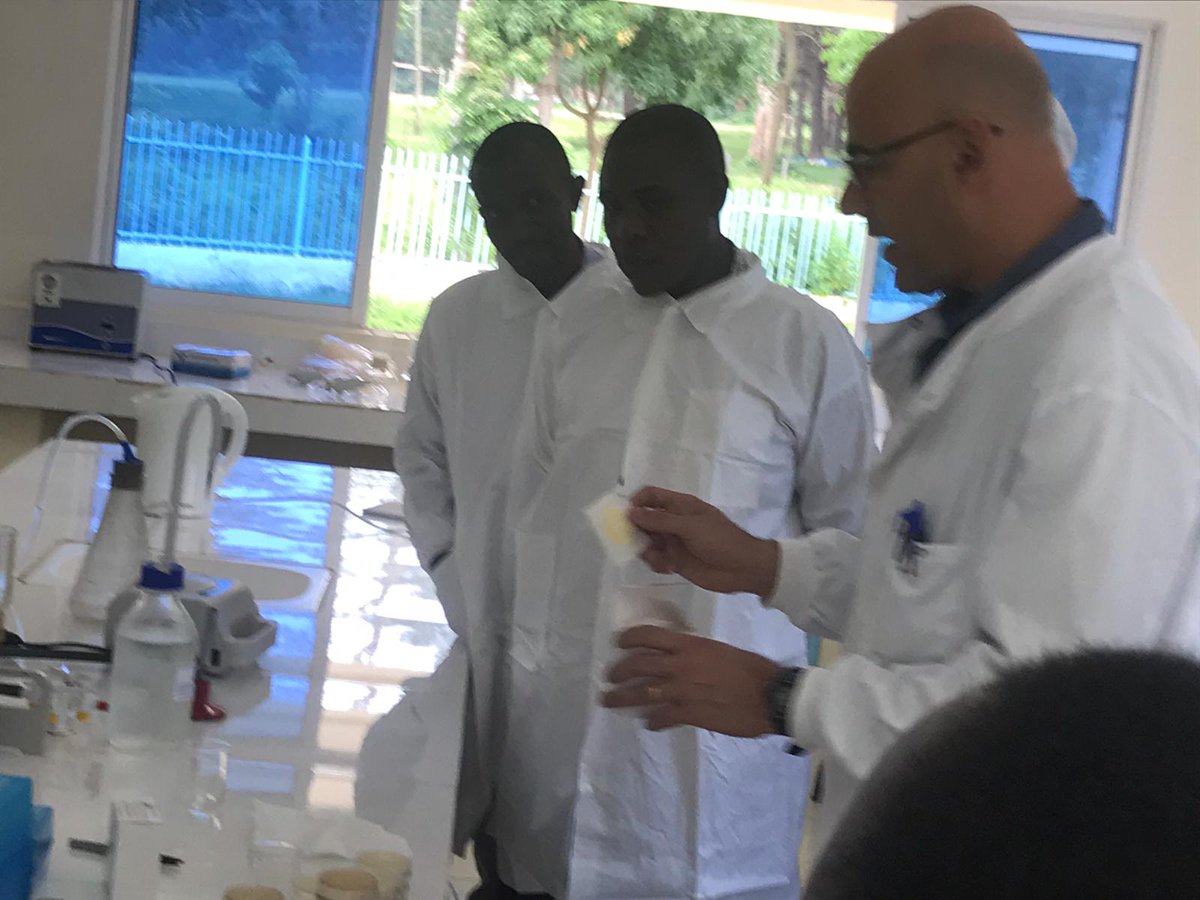
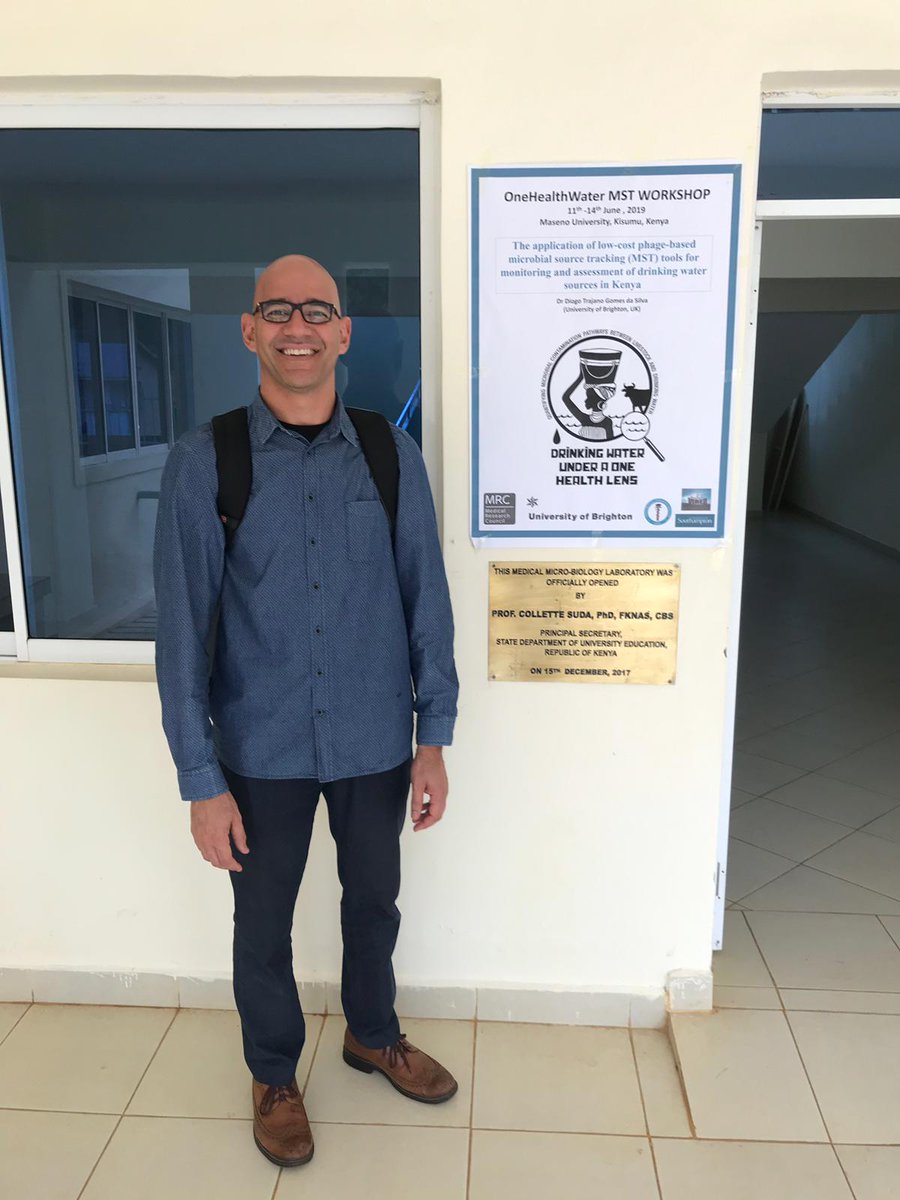
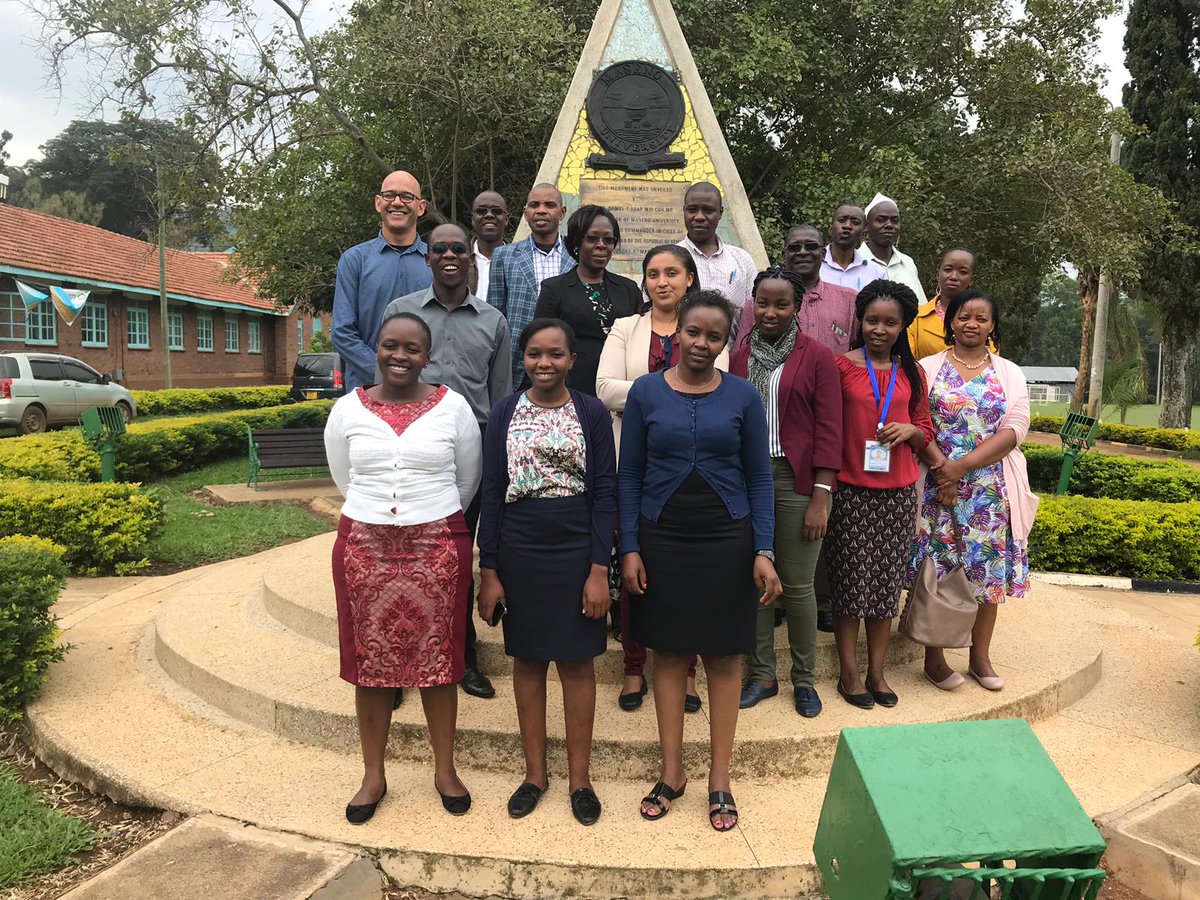
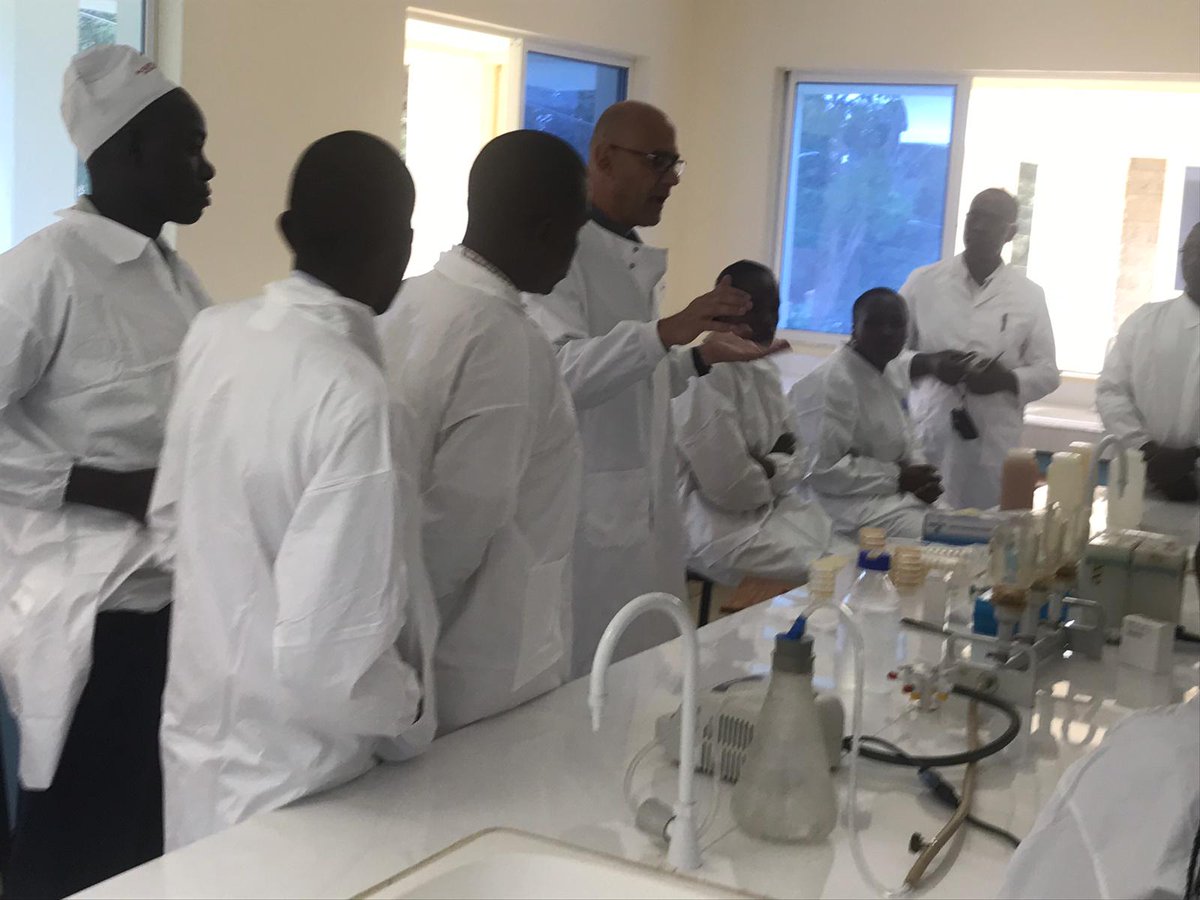
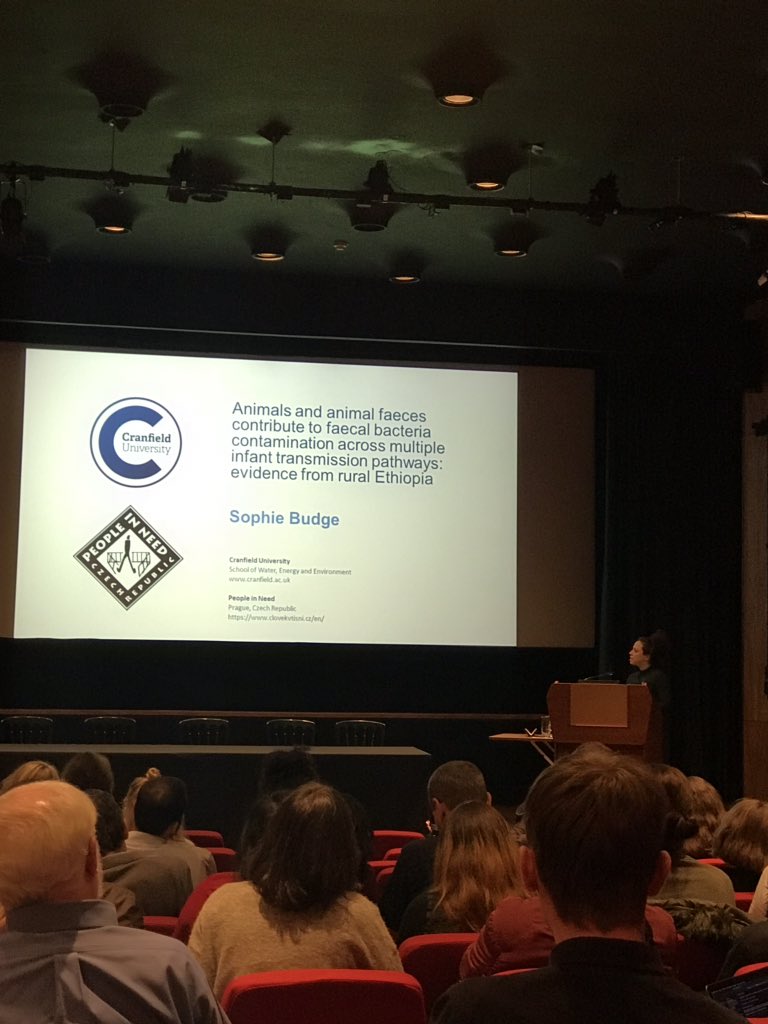
#OneHealthWater MST workshop with Dr @TrajanoDiogo from the Environment and Public Health Research Group at University of Brighton who have over many years developed microbial source tracking techniques for understanding contamination from livestock versus human sources.
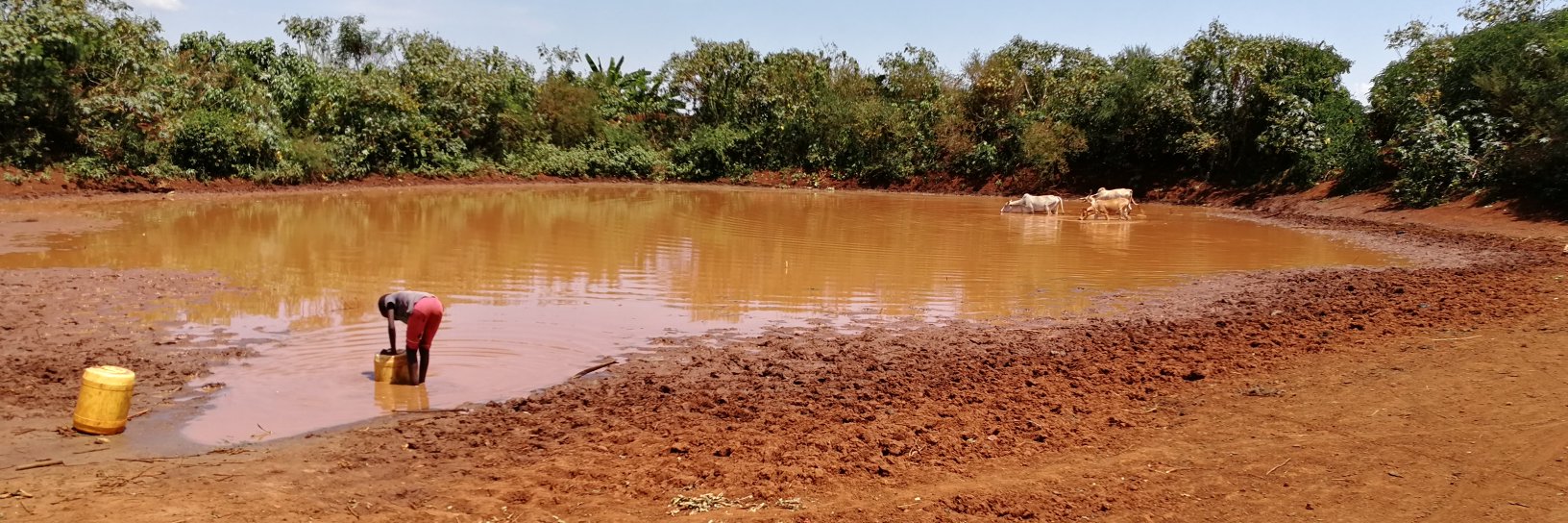
@jessRfloyd is introducing our preliminary findings of cattle movement in relation to water sources on behalf of the #OneHealthWater project team at the #GCRF showcase today.
What can you do with a smartphone? Mobile banking? Social interaction? Online gaming? We use a smartphone for sanitary risk inspections, field surveys and mappings of water sources - simple technology has revolutionised our data collections today!
#OneHealthWater#datacollection
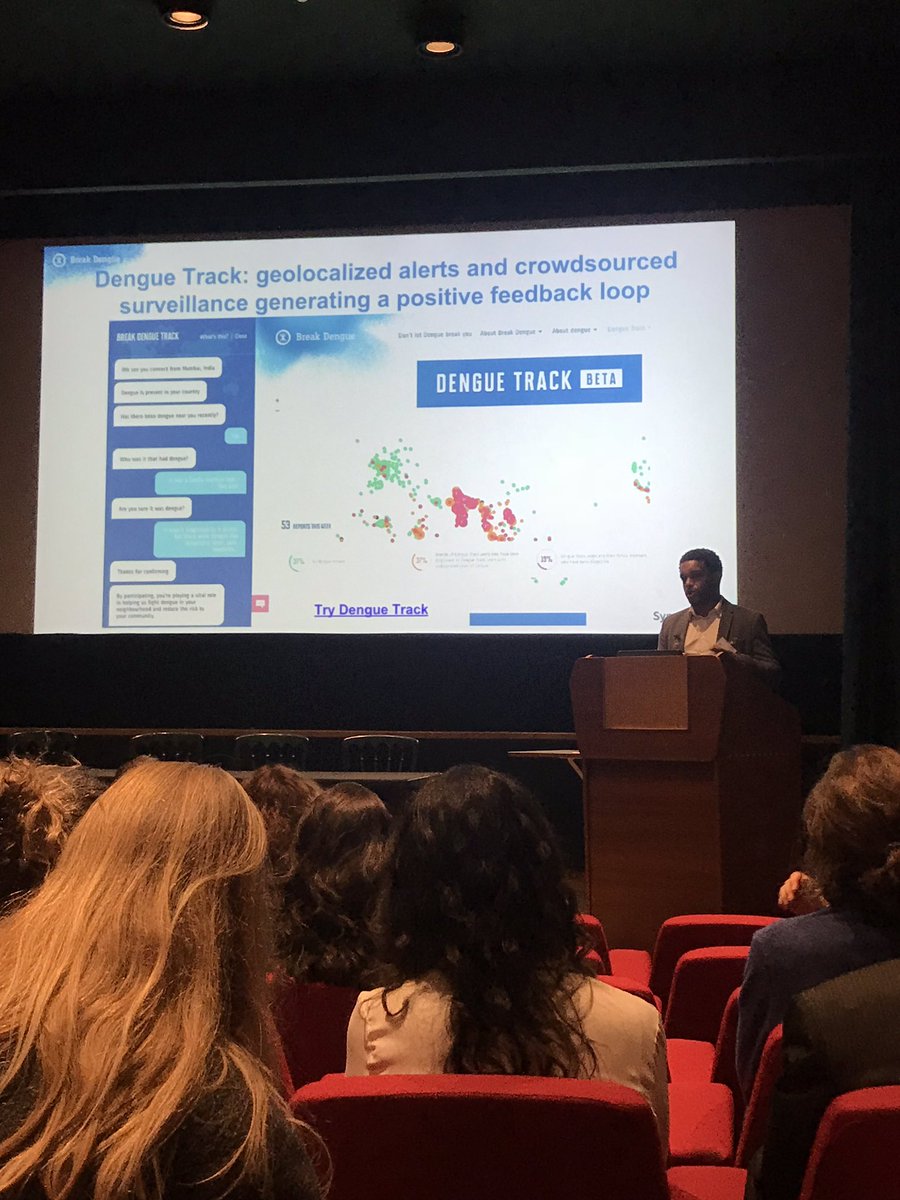
“Efficacy of behavior changes depends on those who benefit from it to see a measurable change” - Aaron Hoyles @BreakDengue on an engaging, crowdsourced surveillance tool to generate a positive feedback loop for collecting data within local communities. #ISNTDwater#Water#health
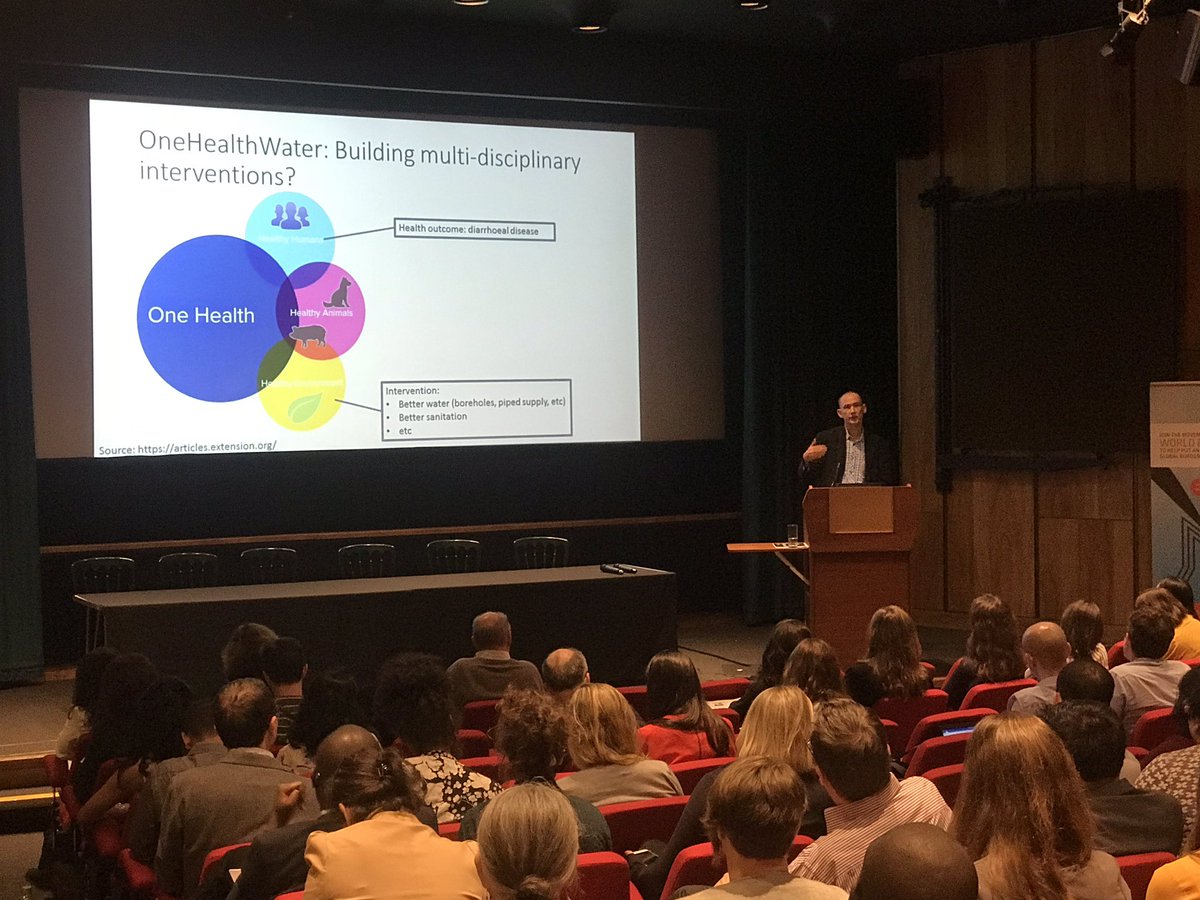
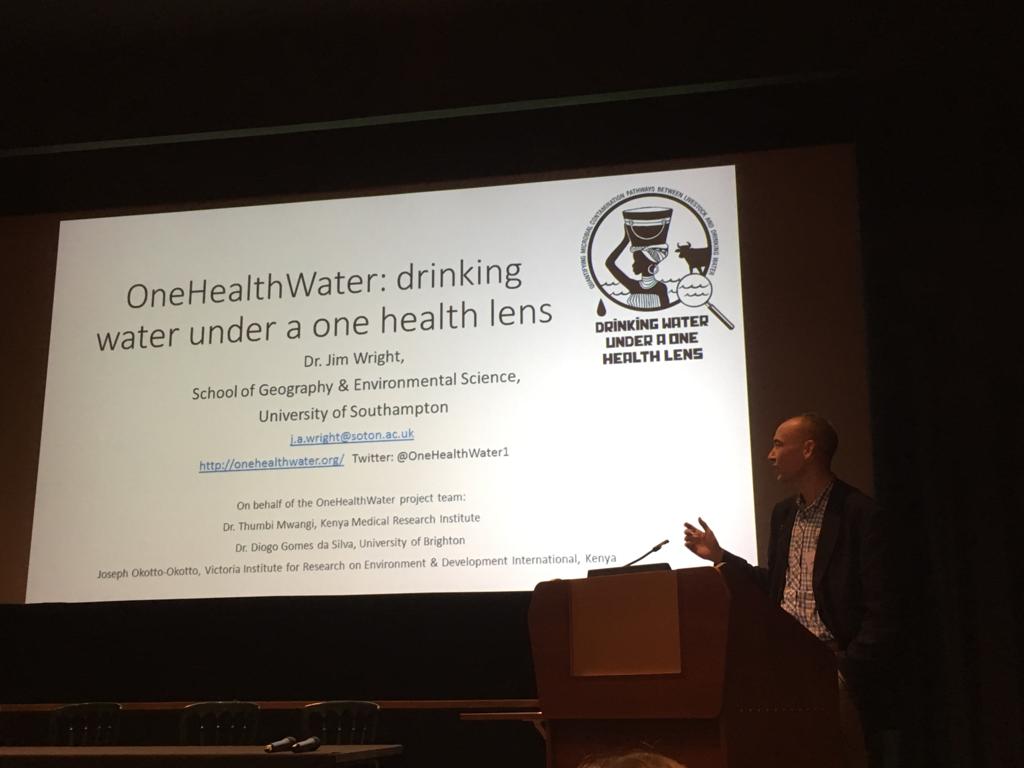
Dr. Jim Wright on building multi-disciplinary interventions through a One Health approach that considers human, animal, and environmental health and thinking beyond the narrow silos of #WASH@OneHealthWater1#ISNTDwater#Water#health#beatNTDs
#OneHealthWater uses participatory mapping as a tool to fill data and knowledge gaps for a better understanding of geographic patterns of possible hazards that may contaminate water sources. Power of local knowledge!! (photo credit @Jokotto2) #participatorymapping#water