Just because it was a short week doesn't mean that everyone was on vacation. There were a number of changes in the market this week.
https://t.co/kUSu547dOz
Another signal proves the system works! This one gave a 17% profit of over 1.5 months. Not bad for a simple trading sytem for casual traders.
Join the community and let's take the fear out of trading on the stock market.
https://t.co/93OXVsjAlp
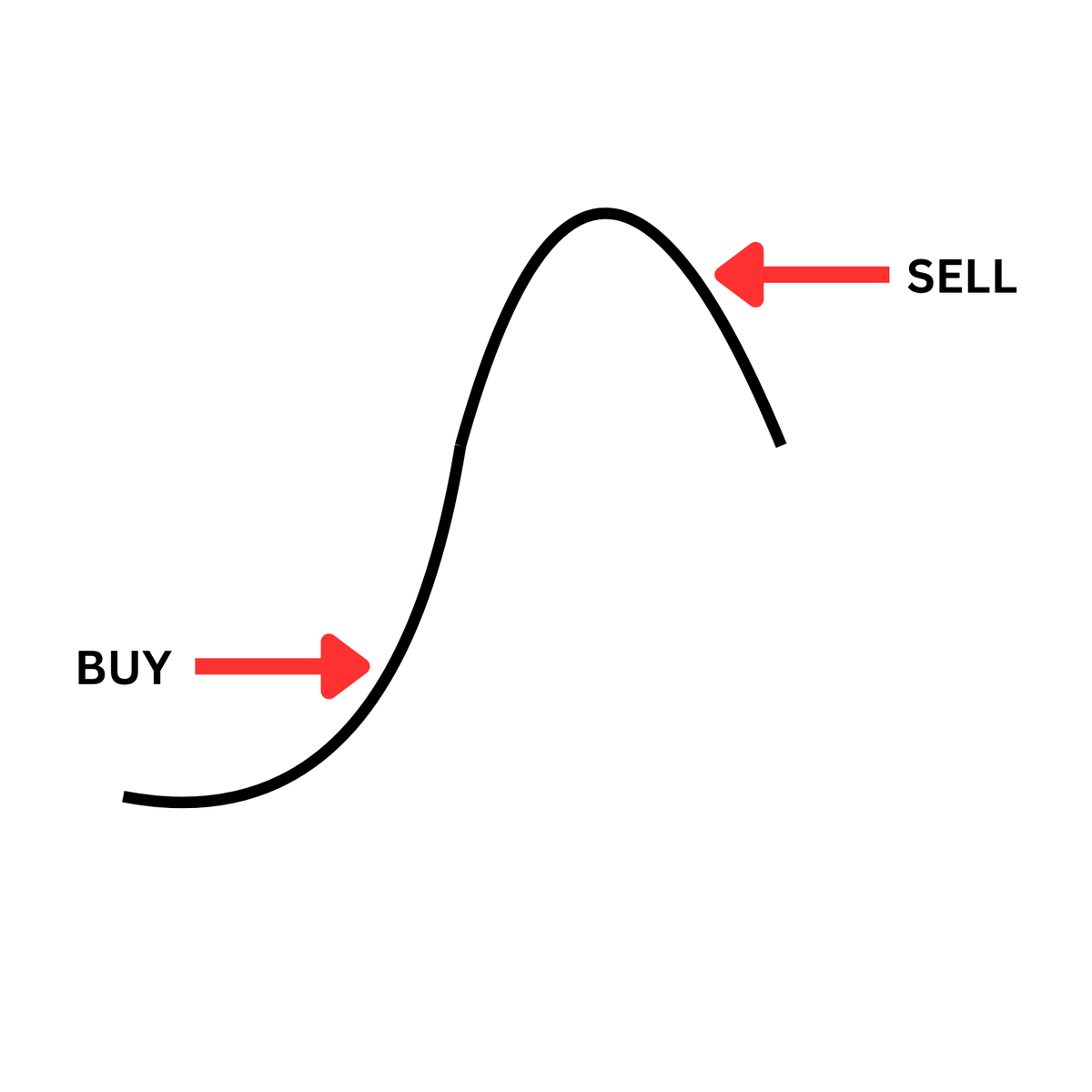
I'm not reinventing the wheel. The system I am following that tracks momentum in sector ETFs is very simple. BUY when a trend is forming and SELL when the trend starts to turn. Anything in between is a gain. Rinse and repeat.
Most investors are guessing.
I track momentum + RSI across North American sector ETFs every week.
This week:
• 3 sectors flashing strong buy signals
• 2 are already breaking out
• 1 is quietly setting up 👀
I’ll break it all down in this week’s report.
Here is the newsletter post for this week. Get the trading picks early by subscribing on Substack. Capital Rotation — Weekly Signals (Week 4) https://t.co/qRwG6WbOsS
The amount of stock regular people own of a company is very small in comparison to the number of stocks available.
For instance, let’s look at Apple Inc. If you buy one of their shares, you own 1 piece out of 14.68 billion.
3/3
I’m going to bring this right back to the basics because I think it gets lost in the expanse of our digital age.
Buying and selling stock in the markets means you are trading a small ownership portion of a company.
1/3
Each stock is equal to an ownership share of a business that has decided to offer up pieces of the company to the general public.
Owning stock doesn’t mean you can walk into the head office demanding changes and firing people.
2/3
I started a newsletter over on Substack. It's for a method of trading stocks based on momentum. Where is the capital rotating? Simple. No noise. See link in bio.