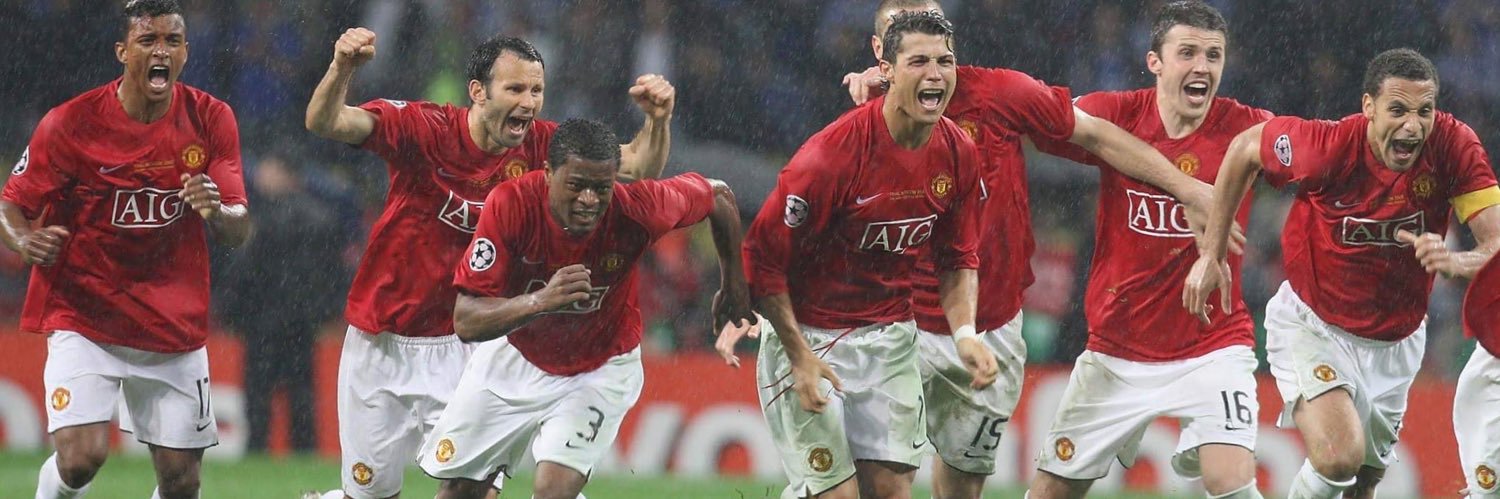
If you are truly a real Man United fan just switch off watching this team.
For your own health, good feelings, and mind. You need a good mind to make a better life for yourself.
Don't waste it on this purposeless Man United team. I want to categorically say that what you see is being done on purpose every season.
I switch off after the second match of the season with this team.
•I will NEVER buy any Man United jersey, or brand until I see better changes on the field of play.
•I have also sold all my shares on the floor of the exchange.
#EnoughIsEnoughFronManUnited
#LIVMUN
handouts.
Prosperity is not measured by the number of buses commissioned, factories announced or billions allocated. It is measured by the purchasing power of citizens, the quality of public services and the dignity with which ordinary people can live.
A government should not ask citizens to celebrate getting a cheaper bus ride while ignoring the economic conditions that have made their lives increasingly unaffordable.
Give Nigerians purchasing power, not political packaging. Give them measurable results, not perpetual promises.
The ultimate test of reform is not how much sacrifice citizens are asked to make, but how much better off they become because of it.
NIGERIANS DON’T NEED ANOTHER ROUND OF PROMISES; THEY NEED AN ECONOMY THAT MAKES SURVIVAL AFFORDABLE.
Mr President, affordable transportation is undoubtedly important, and nobody should oppose an initiative that genuinely reduces the cost of commuting. But let us not confuse a few subsidised bus journeys, grand announcements and projected investments with a successful national economic policy.
The fundamental question is not how many CNG buses you intend to assemble in Ibadan. It is why millions of Nigerians have become so impoverished that the cost of getting to work, feeding their families and sending their children to school has become a daily struggle.
You speak about an Enugu-to-Nsukka journey dropping from ₦4,000 to ₦1,600. That is encouraging, but how many commuters can actually access those buses? How many buses are operational? What percentage of daily commuters benefit? What happens when the pilot programmes end? And who guarantees that these fares will remain affordable?
Let us examine the economics rather than celebrate the publicity.
1. CNG is not free transportation. It requires infrastructure, maintenance, conversion, distribution, security and reliable gas supply. Who is bearing these costs? What is the total public investment, and what is the independently verifiable cost per passenger?
2. An assembly plant is not an economic miracle. Nigerians need to know the actual local content of these buses, the number of sustainable jobs created, the technology transfer involved and how much foreign exchange will still leave the country. We have seen enough industrial projects announced with fanfare only to become expensive monuments to political promises.
3. A 40% reduction in transport fares by 2027–2031 is a promise, not an achievement. Why should Nigerians wait until another political cycle to experience meaningful relief? Publish the implementation timetable, funding arrangements, participating routes and measurable performance targets.
4. Transport costs are only one component of the economic crisis. What about food inflation, electricity tariffs, rent, school fees, healthcare, unemployment and the collapse of purchasing power? A worker who saves ₦2,000 on transportation but spends an additional ₦5,000 on food has not experienced economic prosperity.
5. Where is the accountability? Publish the procurement contracts, the cost of the initial 300 buses, the terms of the Yutong agreement, the ownership structure of the assembly arrangement and the funding of the additional 1,000 refuelling infrastructure units. Public money demands public accountability.
And please, stop using the fraudulent fuel subsidy regime as the permanent justification for every economic hardship Nigerians are enduring. Removing a corrupt subsidy system was supposed to create fiscal space for investment in infrastructure, healthcare, education and social protection. Nigerians are entitled to ask where the savings have gone and what tangible benefits they have received in return.
Here is the bigger economic question:
Why should a country blessed with crude oil, natural gas, enormous human resources and a huge domestic market struggle to provide affordable transportation, reliable electricity and decent living standards for its citizens?
Nigeria’s problem is not a shortage of natural resources or presidential initiatives. It is the persistent failure to translate national wealth into broad-based prosperity through productive investment, sound institutions, competent management and accountability.
Mr President, Nigerians do not want to spend the next four years applauding how much government intends to do. They want to see what government has actually delivered.
We need an economy where wages can sustain families, businesses can operate without generating their own electricity, farmers can move produce affordably, public transportation is dependable and young people can find meaningful employment without depending on government..1/
@BwalaDaniel@ARISEtv@officialABAT@R_abati1990@OjyOkpe as impressive as his supporters claim, let d facts, results n achievements speak for themselves. Democracy does not require journalists to applaud those in power. It requires leaders to answer difficult questions. Accountability is not persecution, and criticism is not treason.
@BwalaDaniel@ARISEtv@officialABAT@R_abati1990@OjyOkpe sponsorship, and critical journalism is not opposition propaganda.
Calling them content creators does not diminish their profession; neither does your proximity to the corridors of power automatically make your commentary authoritative.
If the President’s performance is…3/