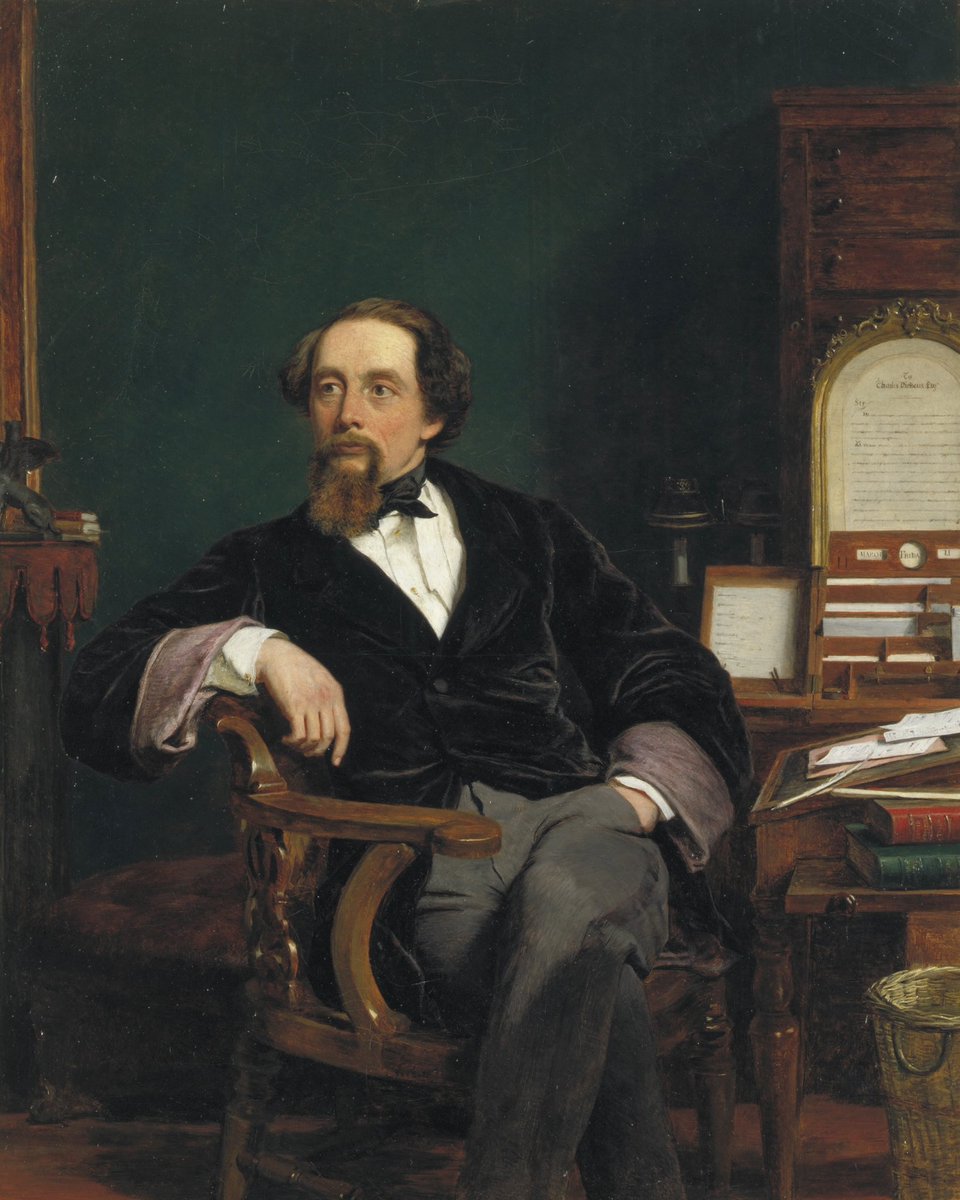
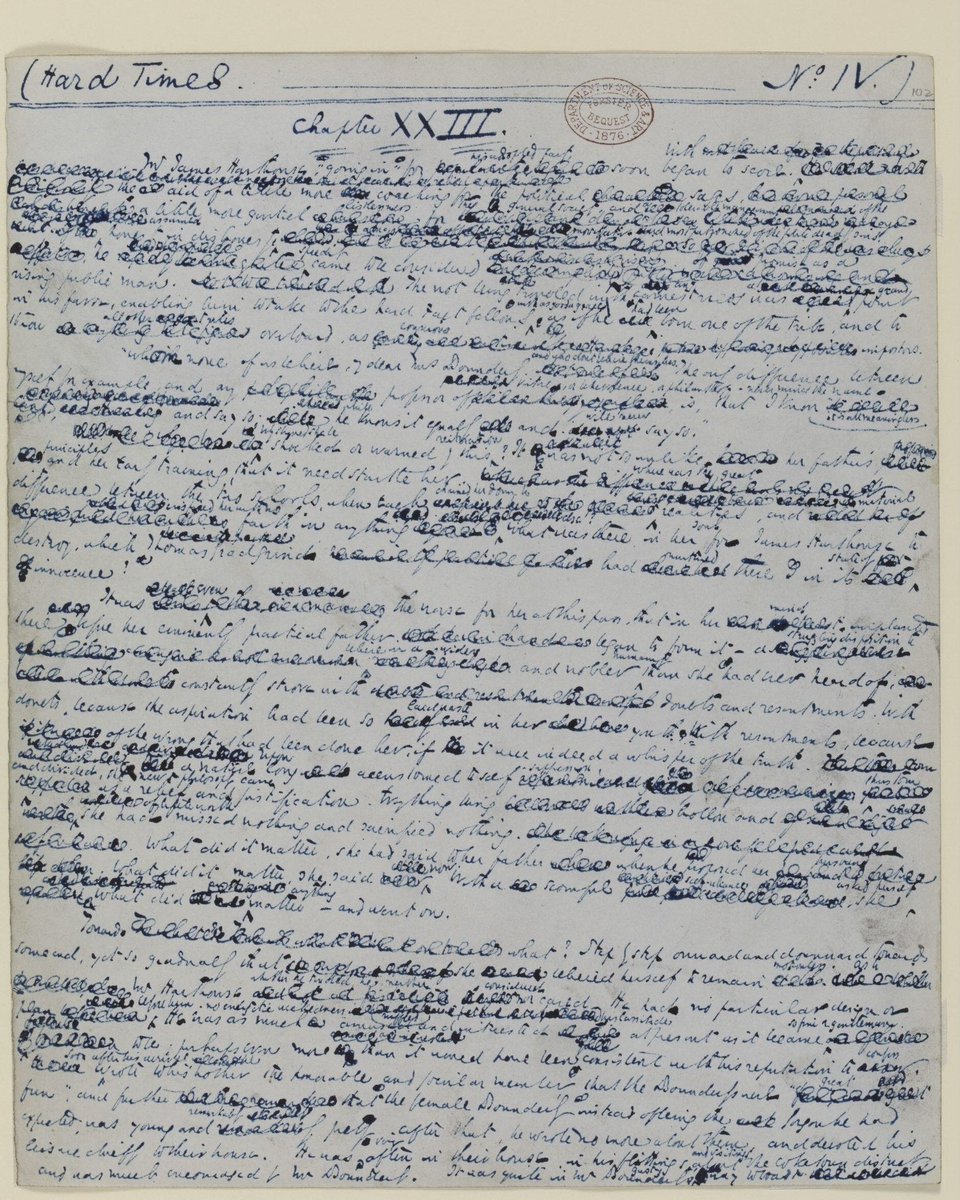
Charles Dickens was born #OnThisDay in 1812.
As the most popular British novelist of the Victorian era, Dickens crafted some of English literature's most iconic characters, including Ebenezer Scrooge, David Copperfield, Oliver Twist and Miss Havisham.
The enduring appeal of his novels and short stories is such that they have never gone out of print.
🎨Oil painting, 'Charles Dickens', William Powell Frith, 1859
✍️Original manuscript of Hard Times, by Charles Dickens, vol. 2, England, 1854
✍️Original manuscript of A Tale of Two Cities, by Charles Dickens, vol. 2, England, 1859
🖼️Poster advertising an exhibition held at the V&A, reproducing a portrait of Dickens by I.O. Barlow after W.P. Frith; Colour offset lithograph; Design by Peter Branfield; Great Britain; 1970
According to @MerriamWebster, "invasion" is "an act of invading," "a sudden attack on and entrance into hostile territory." And to invade is "to enter for conquest or plunder."
Remember that words have meaning and power, and always use the right word for the job.
@folly_studio I've noticed that sometimes, the rainbow gubbin produces a proper name. Can we get a toggle for that? It just doesn't feel right to have proper names in the dictionary.
If you want to win a prize for, say, the best short writing, can you deliver something as memorable as the 88 words in "Rudolph the Red-Nosed Reindeer"? Check it out. Be inspired!
https://t.co/1hRzAN9utX
@GrammarTable I hope the context of the first one makes it clear whether we're talking about a dog that Ben and Sue both own or whether we're talking about Sue's dog and Ben.