which create a safe home for native bees to hibernate in. Winter has a magical way of making the most of the plant remnants from the previous season. These are wonderful plants for pollinators and our local insects all year long! 3/3
In June, we planted 1,000 native pollinator-friendly plants in York Region. These native plants include Joe Pye Weed, Wild Bergamot, Common Milkweed, Swamp Milkweed, and many more species. Not only are these plants going to flower and provide an excellent source of nutrients 1/3
for pollinators in the spring and summer but they are super helpful for survival for pollinators in the winter. Joe Pye Weed seeds offer a great source of food for native birds to feast on when food is not abundant. Wild Bergamot, Joe Pye Weed and Milkweed have hollow stems 2/3
charity, we rely on funding from various sources including public grants, private foundations, corporations, and caring individual donors. Thank you for all of your support this year to help Ontario Streams have one of our most impactful years in our 28 year history! 2/2
Thank you to everyone who donated to our Giving Tuesday campaign last week! Thanks to @CascadesSD ’s generous contribution to our campaign, we were able to leverage another $2,170 in individual donations to bring our campaign total to $4,170! As a small environmental 1/2
water pollution, and urban development. Through this engagement process, we will provide updated best management practices to protect Redside Dace! To get involved in this engagement process, check out our website: https://t.co/1IwR8i6IB1
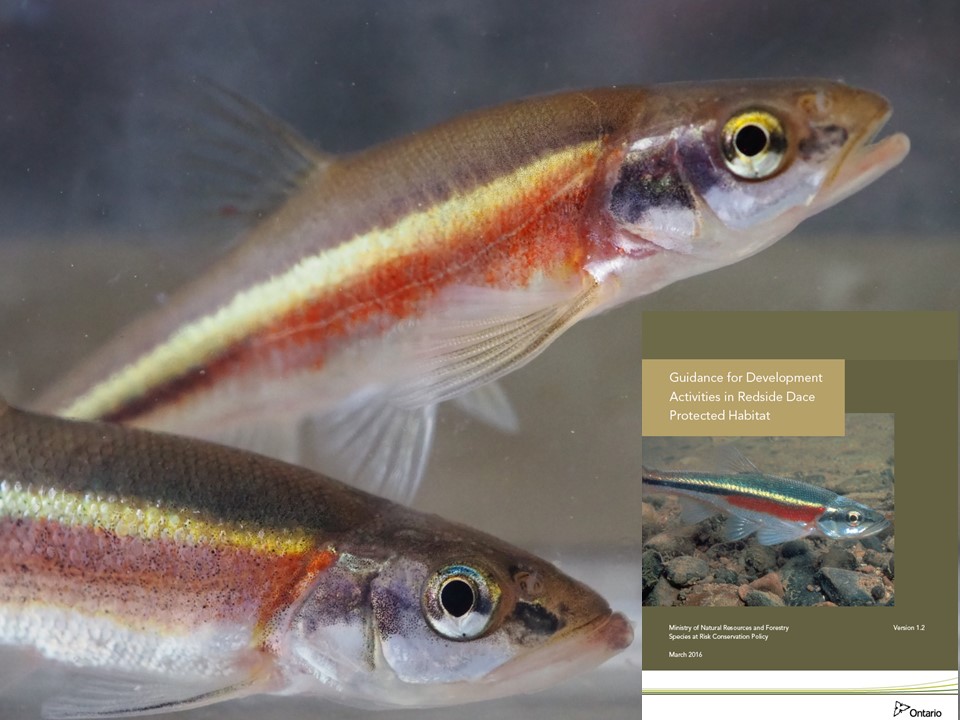
The Redside Dace is an endangered fish in the Greater Toronto Area. In 2016, the Ontario Ministry of Natural Resources and Forestry published a guide of recommended mitigation practices for urban development activities in Redside Dace habitat. Uncontrolled construction 1/3
sediment and urban stormwater entering streams are substantial threats to aquatic species. With support from Fisheries and Oceans Canada, Ontario Streams is engaging a variety of experts to update the guidance document with recent science-based knowledge of Redside Dace, 2/3
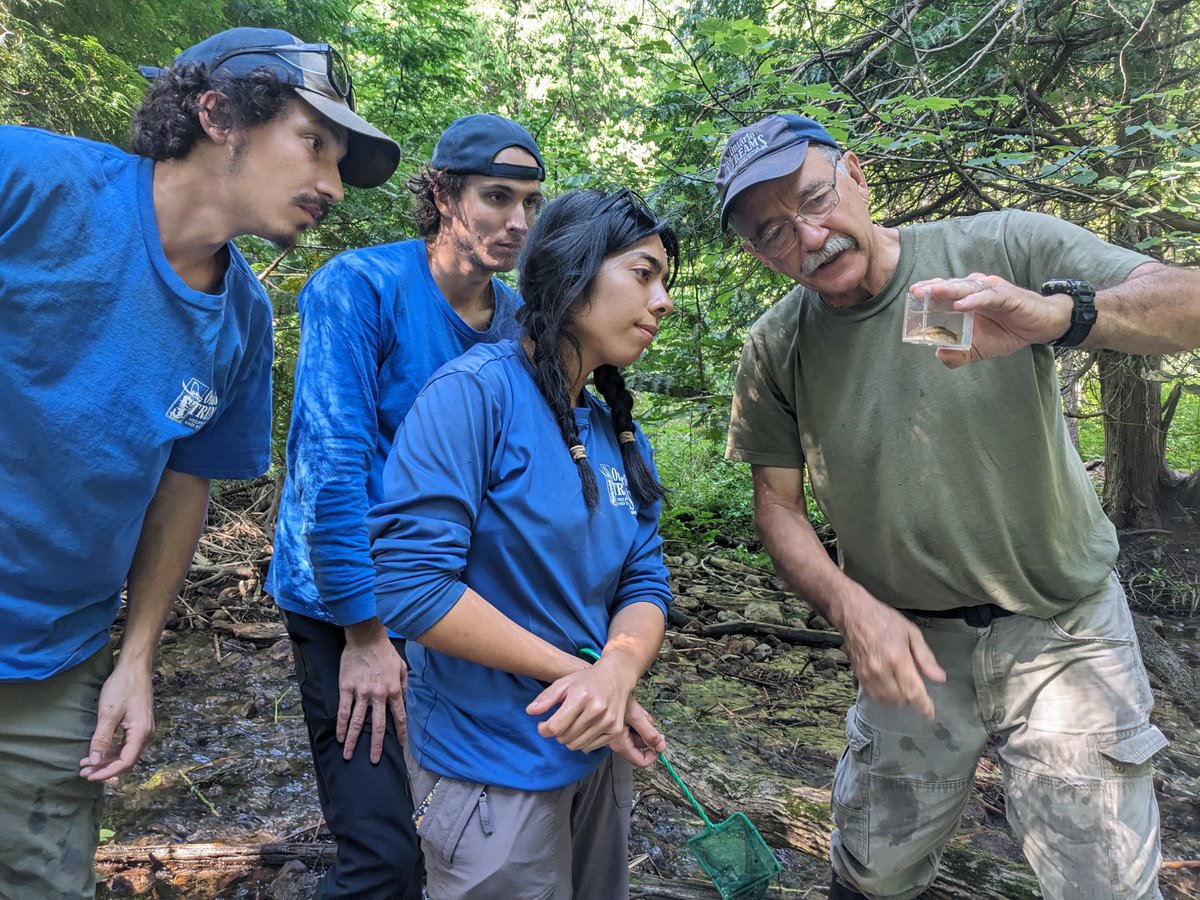
Ontario Streams works to restore local streams and wetlands for four key species: Atlantic Salmon, Redside Dace, Brook Trout, and Jefferson Salamanders. We focus our habitat restoration work in the GTA where there are significant impacts from urbanization. 1/3
These sensitive aquatic ecosystems and animals need our help more than ever as they are at risk of disappearing as development projects expand across Southern Ontario. Today is #GivingTuesday and we hope that you will consider supporting our vital conservation work to 2/3
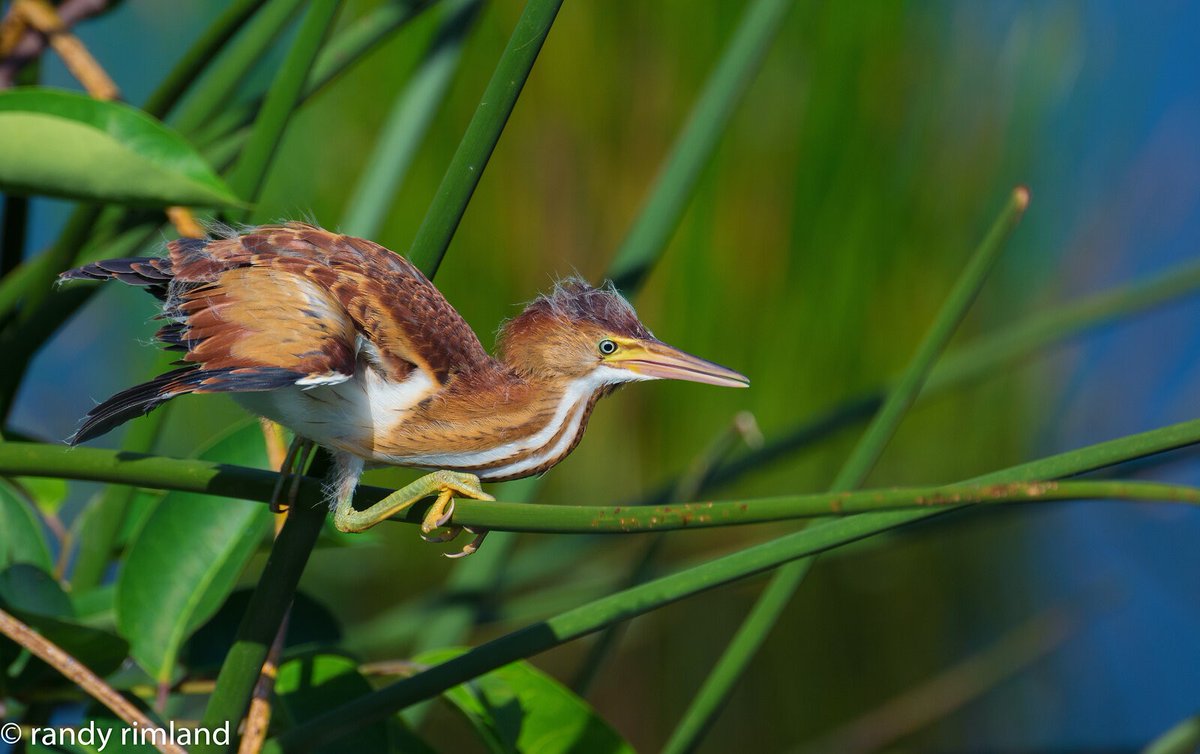
Least Bitterns are a species at risk and considered threatened in Ontario. These birds are highly elusive making them hard to study but recent reports estimate that there are less than 1,500 breeding pairs in Canada. With funding from @BirdsCanada, Ontario Streams led surveys 1/3
in historical and current suitable breeding habitat in York Region. During our surveys, we observed 91 species of birds including three new records of least bitterns. Understanding their habitat needs will help us guide future restoration efforts to protect and maintain 2/3
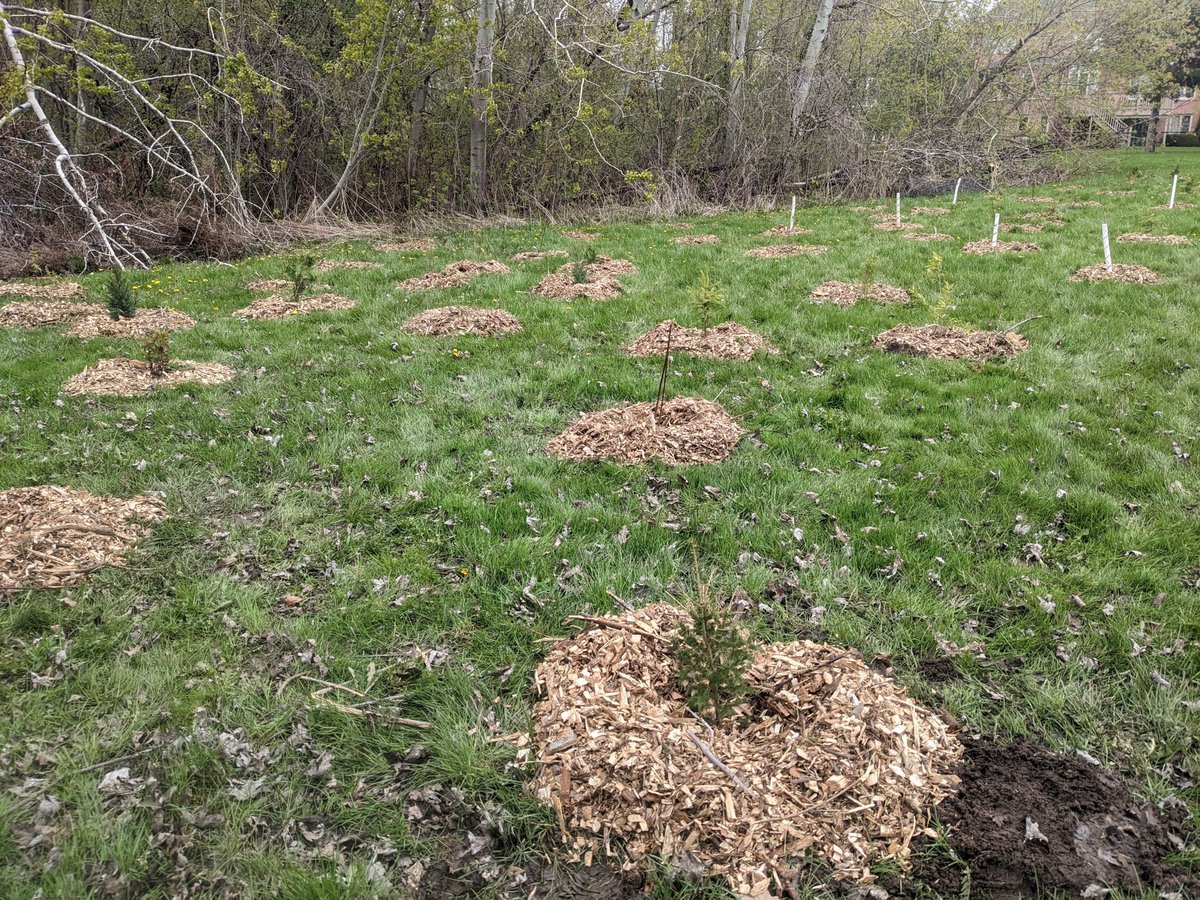
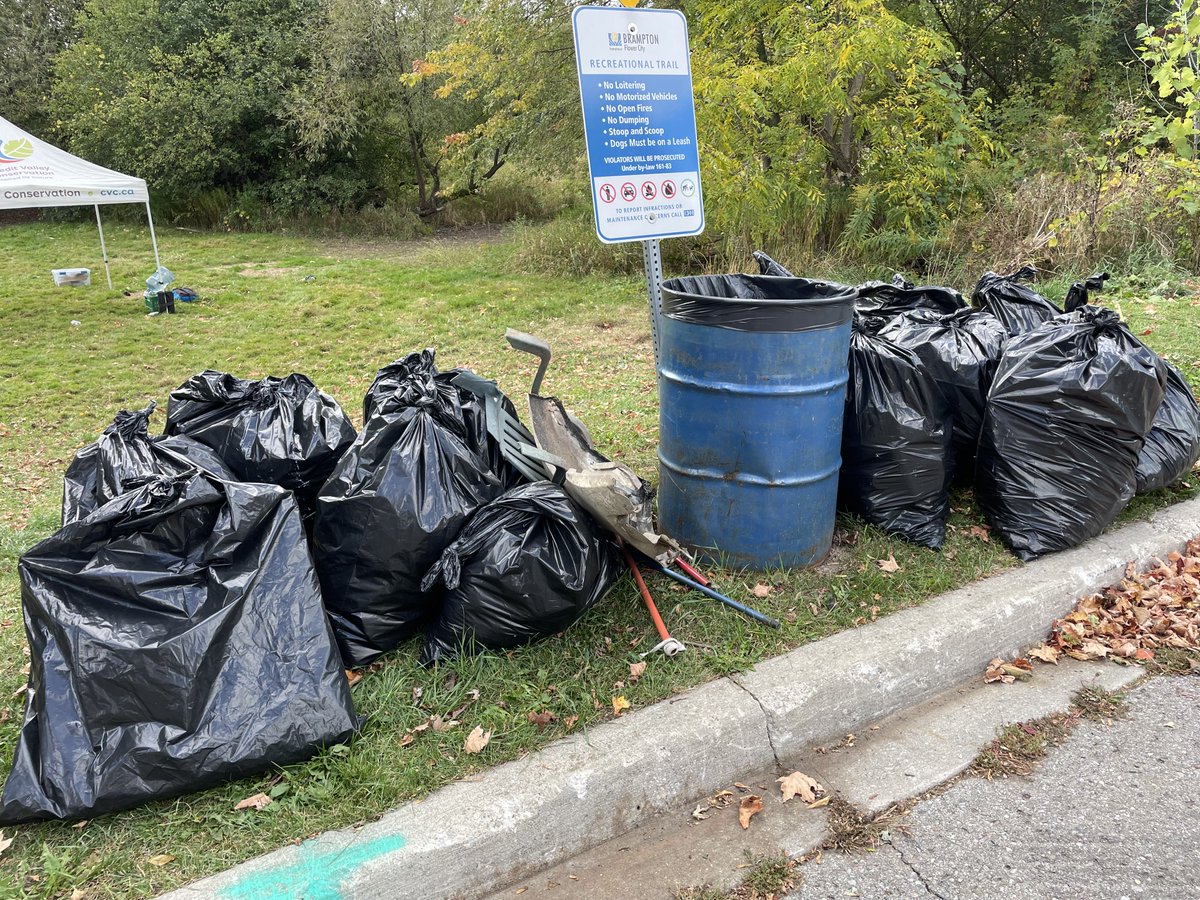
2023 was a big year for Ontario Streams! We planted more trees, collected more litter, and engaged more community members than we have in recent history! Giving Tuesday is next week and we ask that you consider donating to Ontario Streams as part of our campaign. 1/3
Every dollar you donate leads to vital on-the-ground habitat restoration work in the GTA where the impacts of urbanization are threatening habitats and wildlife. We are also pleased to announce that our friends at @CascadesSD will be matching donations up to $2,000 for a 2/3
next spring. We love collaborating with students at Fleming College to help them gain some hands-on experience and we deeply appreciate the students' hard work that helps us continue restoring habitats! 2/2
This fall students from @flemingcollege Ecosystem Management Technologist program are joining us to plant native species into pots. Some of the species being potted include dogwood and heartleaf willow. These plants are going to be nurtured in our greenhouse and planted 1/2
Have you seen an invasive species? Report sightings to EDDMapS, a mapping system for documenting invasive species distribution that is fast and easy to use. Early detection and rapid response are important to manage invasive species. For more: https://t.co/Zes91mSdi3