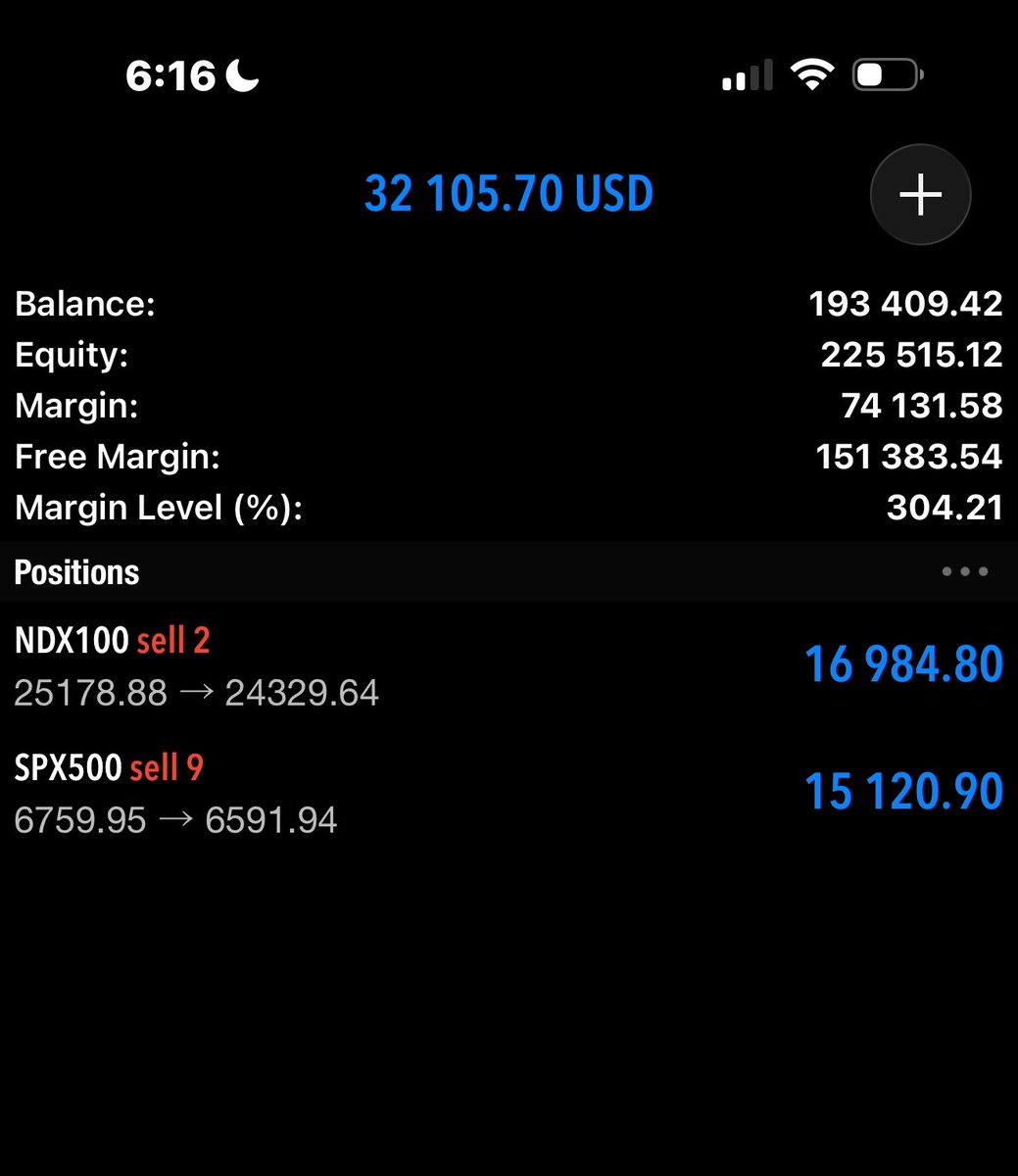
A Gold trader I personally know took $800,000 to $6 million in 4 months.
He trades from one of the wealthiest countries in the Middle East.
Then he tried to push the account to $10 million. That was where everything started to fall apart.
Not because he lacked skill. Not because Gold became impossible. Not because the broker hunted him.
He lost because of one thing most traders underestimate: Position size.
He recently told me a story that every Gold trader should hear. Not because of how much he made.
But because of how quickly one oversized position almost erased everything.
If you trade Gold, read this carefully.
What destroyed him was not the market. It was the quiet confidence that grows after a big win.
Last year, he funded his trading account with $800,000. His own capital. He traded only one instrument: XAUUSD.
In 4 months, he turned that $800,000 into $6 million. That is $5.2 million in profit.
Most traders would call that success. But in trading, success can become dangerous when it starts feeding your ego.
The most dangerous moment is not always after a losing streak. Sometimes, it comes after a massive winning streak.
The account is green. Confidence is loud. Your mind starts telling you that you are different.
“You understand Gold now.”You can push harder.”You can take this to $10 million.” That is where discipline starts to die.
Gold did not suddenly change. There was no black swan. No massive crash. No strange market event. What changed was him.
He stopped trading the chart in front of him. He started trading the number in his head. He wanted $10 million. That was the trap.
The plan that built the account got replaced by expectation. And once a trader starts chasing a number, he stops respecting the process that got him there.
Then he reached for the one thing that makes traders feel powerful but destroys them fast: Size. He started pushing 250 lots. Then 500 lots on XAUUSD.
Now, understand what that means. At 500 lots, every $1 move against him is roughly $50,000. A $5 move against him is around $250,000. A $10 move against him is around $500,000.
And Gold can move $10 like it is nothing. That is how Gold traders get destroyed. Not always by a crash. Not always by the news. Not always by manipulation.
Sometimes, a normal candle is enough. Gold moved against him. It did not need to move far. It only needed to move enough.
The account started bleeding. Then it started collapsing.
By the time it was over, the account had dropped from $6 million to around $270,000.
Read that again.
$6 million to $270,000.
Roughly $5.73 million gone.
Not because he could not trade. He had already proven he could. He lost because he stopped respecting risk at the exact moment he needed discipline the most.
This is what every Gold trader must understand: Winning is not safety. Winning can become a trap.
Winning makes you feel untouchable. Winning makes you believe the next million is guaranteed. Winning makes you forget that every trade can still go wrong.
The market does not care what you made last month. It does not care about your target. It does not care that you want $10 million.
The market respects only one thing: Risk. Every trade is a new event. Every setup can fail. Every position can turn.
The moment you forget that, the market sends the invoice. And it collects in full. His mistake was not trading Gold. His mistake was not wanting more.
Ambition is not the enemy. Every serious trader wants to grow. His mistake was allowing ambition to decide his position size.
There is nothing wrong with growing an account. There is something wrong with risking the whole account because you want to grow faster.
Professional trading is not about being excited by your profits. It is about being protected from your own emotions.
You do not increase size because you feel confident. You increase size only when your risk model allows it.
You do not trade bigger to prove a point. You trade the size of your account so that it can survive.
Before every trade, the first question is not: “How much can I make?”
The first question is: “If I am wrong, how much do I lose?”
Because survival is the real strategy.
If you survive, you can trade tomorrow. If you protect your capital, the next opportunity will come.
But if you destroy the account, the best setup in the world becomes useless.
He took $800,000 to $6 million. Then the desire to reach $10 million led him to abandon the discipline that had got him there.
Gold did not punish him for trading. The market did not punish him for wanting more. He got punished for disrespecting size.
Gold rewards patience. Gold rewards precision. Gold rewards discipline. But XAUUSD has never forgiven an oversized position.
You should always remember these trading rules and never forget:
1. When there is no edge, sit on your hands. Do not force setups. Do not chase the market. Patience is not weakness. Patience is part of the process.
2. When your edge appears, step up. Do not allow fear, hesitation, or doubt to stop you from executing. Trust your analysis. Follow your process. Your job is not to be perfect. Your job is to execute correctly.
3. Expect nothing from any single trade. Expectations create emotions, and emotions create mistakes. Once you start expecting a trade to win, you stop reading the market clearly.
4. Trade the market, not your P&L. Do not let profits make you careless. Do not let losses make you desperate. Focus on the setup in front of you, not the money moving on your screen.
5. Always seek improvement. Review your trades. Study your mistakes. Strengthen your discipline. Refine your edge. The goal is not to win every trade. The goal is to execute properly, repeatedly, without emotional interference.
Now let me fill you in on a truth,
The people who get what they want aren’t luckier.
They simply refused to stop before they got it.
Most people see success and assume talent, connections, timing, or luck.
What they don’t see are the years of uncertainty, failed attempts, uncomfortable sacrifices, and moments where quitting would’ve been the easier option.
Almost every meaningful achievement I’ve had came after a period where nothing seemed to be working.
The difference wasn’t that I was special.
The difference was that I stayed in the game long enough for the results to catch up to the effort.
Keep going.
The breakthrough you’re looking for may simply be waiting on the other side of your persistence.
Rooting for you.💜
I’ve read The Millionaire Next Door so you don’t have to.
Here are 10 lessons that can genuinely change how you think about money:
Read till the end⤵️
1. Most millionaires are invisible.
They don’t live the flashy lifestyle social media sells. Many look completely average, which is exactly why they’re able to build and keep wealth.
2. Wealth isn’t income.
Making a lot of money means little if you spend all of it. Real wealth is the money and assets you still own after years of earning.
3. Looking rich is expensive.
Luxury cars, designer clothes, and constant upgrades often slow wealth creation more than people realize.
4. Freedom is the real reward.
The purpose of money isn’t to impress others. It’s to give you control over your time, choices, and future.
5. Small habits create big fortunes.
Wealth is rarely built through one lucky break. It’s usually the result of smart decisions repeated for decades.
6. The wealthy budget differently.
They know where their money goes. Every naira or dollar has a purpose instead of being spent impulsively.
7. Delayed gratification is a superpower.
Many people buy what they want now. Wealthy people are often willing to wait so they can have far more later.
8. Ownership changes everything.
The biggest wealth creators usually own businesses, stocks, or assets that work for them even when they’re asleep.
9. Social pressure keeps many people poor.
Trying to match the lifestyle of friends, colleagues, or influencers can quietly destroy your finances.
10. Wealth is built before it’s visible.
By the time people notice someone’s success, years of discipline, sacrifice, and smart decisions have usually happened behind the scenes.
The biggest takeaway from the entire book:
Most people spend money to look wealthy. The wealthy spend money in a way that eventually makes them wealthy.
bitcoin:native so far so good
Downside move is playing out -- I think we are in a zone where we should locally bottom here soon
Not quite sure if we bounce back into the 80's directly from here but mid 70's seems logical
@PsychedeliaAcad This is why I’m on my ten toes every single day.
The thought that someone else could take the same 24 hours I was given and extract more from it than I did genuinely bothers me.
Not because I’m competing with them.
But because I know I’m capable of so much more.
When I started prop firm trading in 2023 with just $5K account, there were traders who were funded $50K - $100K but I did not let that discourage me.
As a young corper, I said to myself that I needed to make $100 from it bi-weekly and I'll be fine. Fast-forward to 2026 I made $68K in one payout.
Nowadays I see people making rage-baiting posts making it look like traders with $5K account today cannot amount to anything tomorrow, funny.
It is only a matter of time, start with that $5K account, grow! Don't let anybody discourage you.
Sir KT, I'm just curious. Did U @ any point struggled seriously with discipline? Or other life experiences had taught U discipline b4 U ventured into trading?
Because Ur lvl of consistency is making it seem like U didn't struggle wit this discipline that's wrecking some of us.
Closing the month With 5 figures profit
As $Eth hits $3700🔥
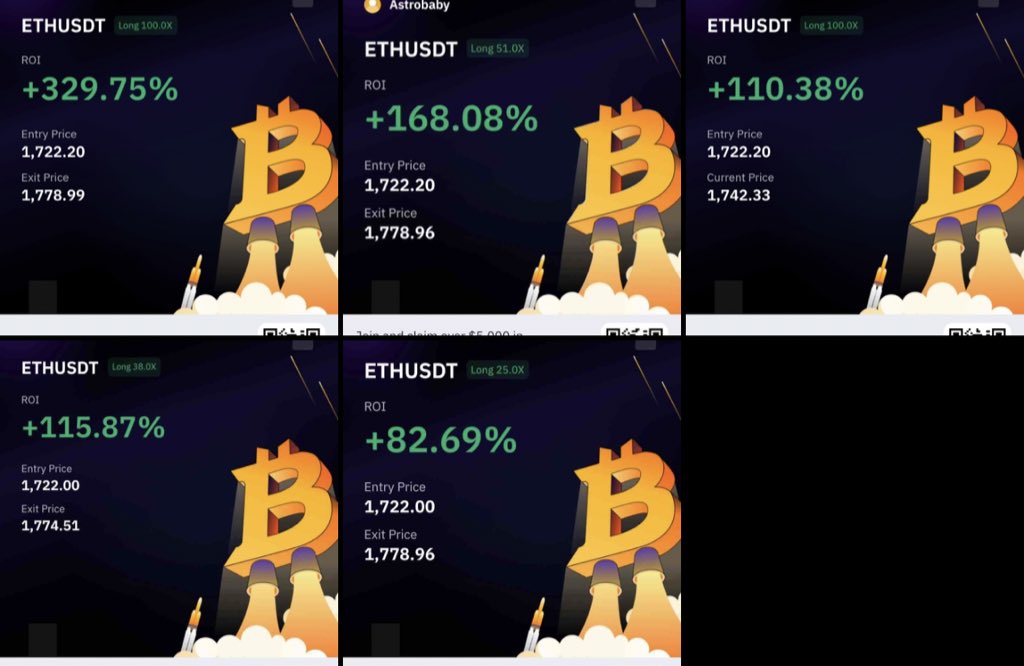
That's 7 wins out of 7 trades this month on Crypto Futures alone 🤝
All trades were shared live on my Telegram channel for FREE
Go and Verify: https://t.co/hji4Tc4agS
A complete trader can trade any market🎯
GM Future Billionaires🥂
#forever_in_profit
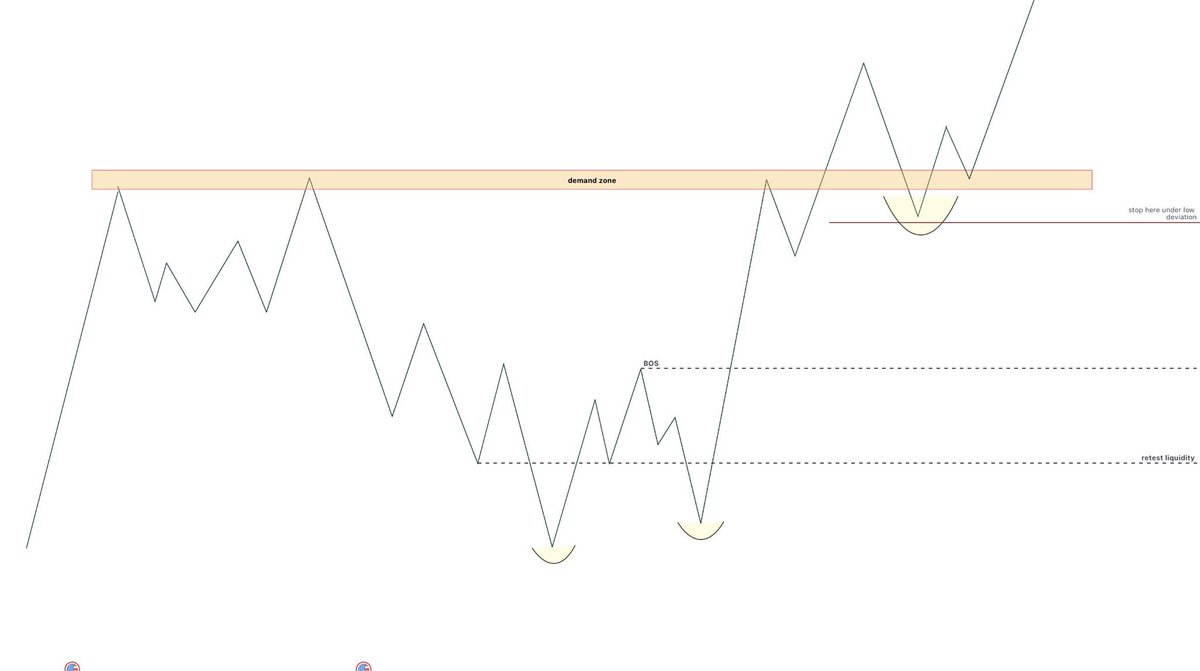
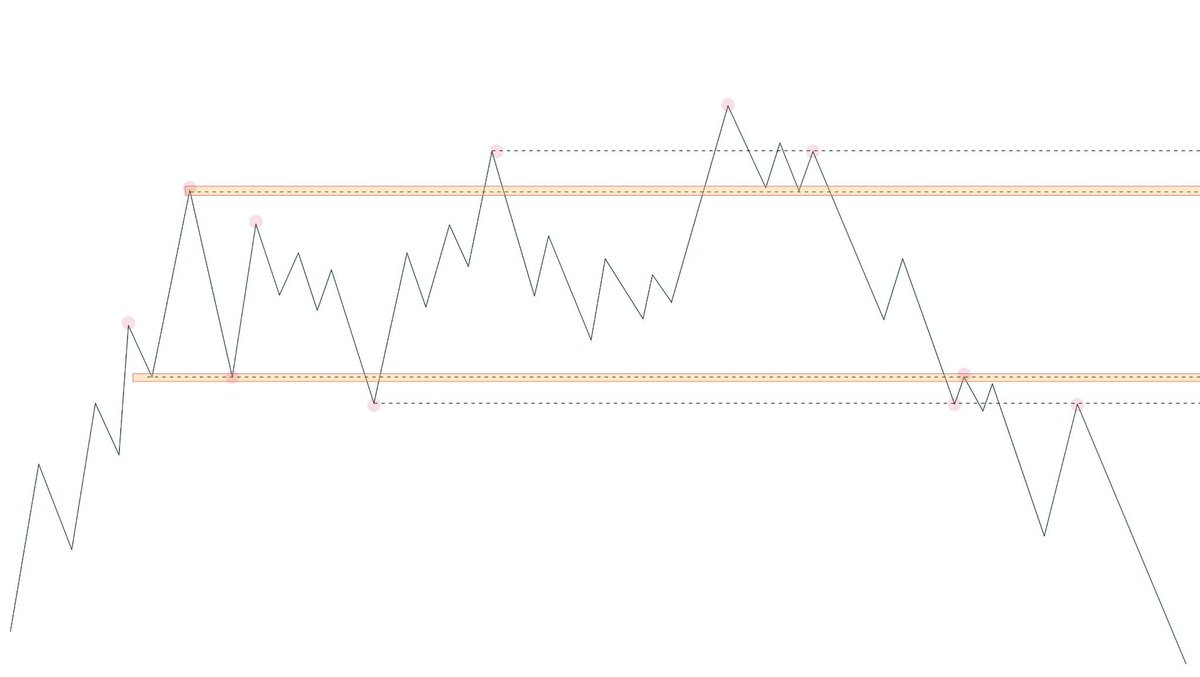
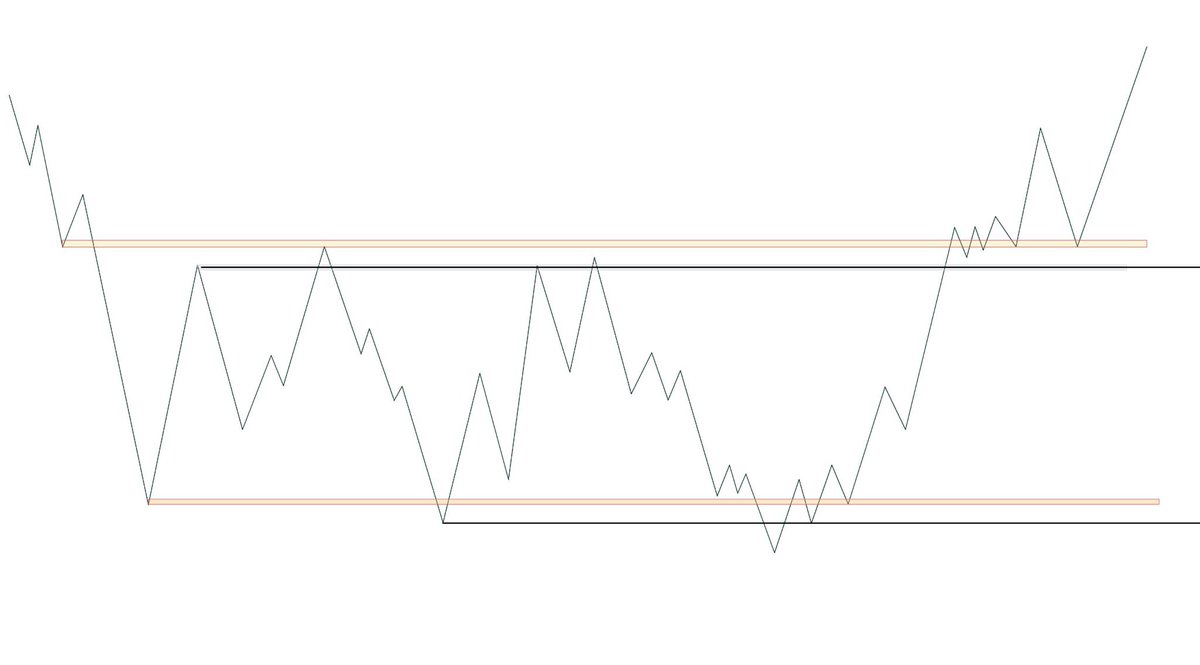
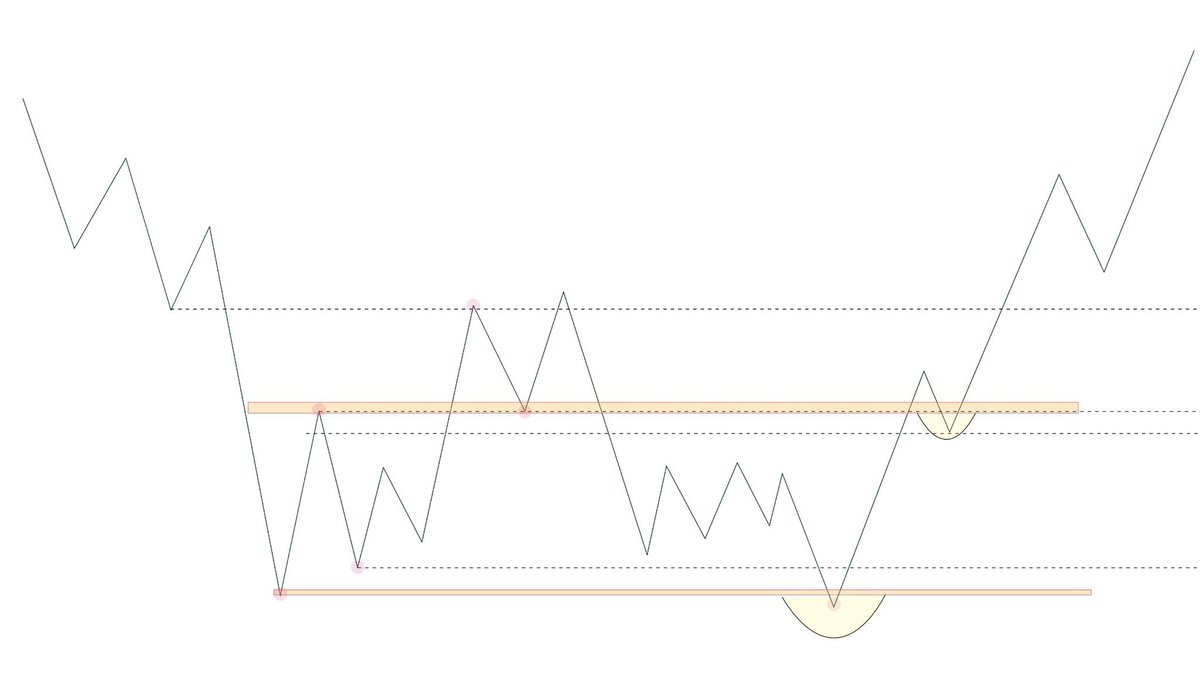
Support and resistance levels are among the simplest yet most misunderstood concepts in technical analysis. The longer a price zone holds over time, the greater its practical significance tends to be. The difference between an inexperienced trader and an experienced one lies in their approach: the former seeks the perfect level, whilst the latter observes how the market reacts within a zone of interest.
Liquidity sweeps, deviations, reclaims and structural confirmations are often the elements that allow us to distinguish a simple reaction from a high-probability opportunity.
Ultimately, support and resistance levels are not used to predict the future, but to identify areas where it is worth paying closer attention and waiting for the market to reveal its intentions.
Study these slides and they will be useful to you
A retweet would be helpful
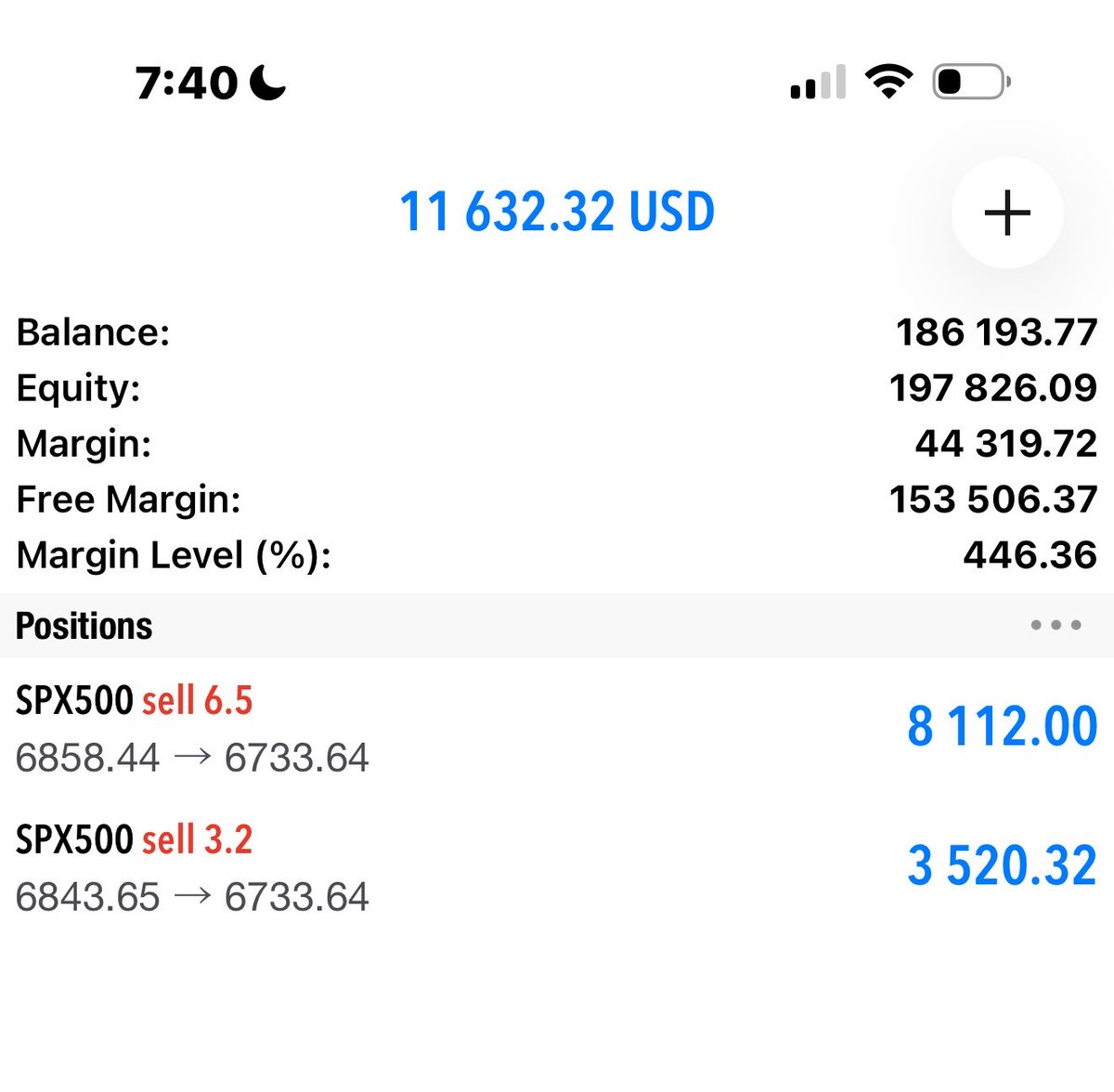
7% drawdown. $186,000 balance on one of my $200,000 accounts.
Only 3% left before it was gone. Most accounts don’t recover from that.
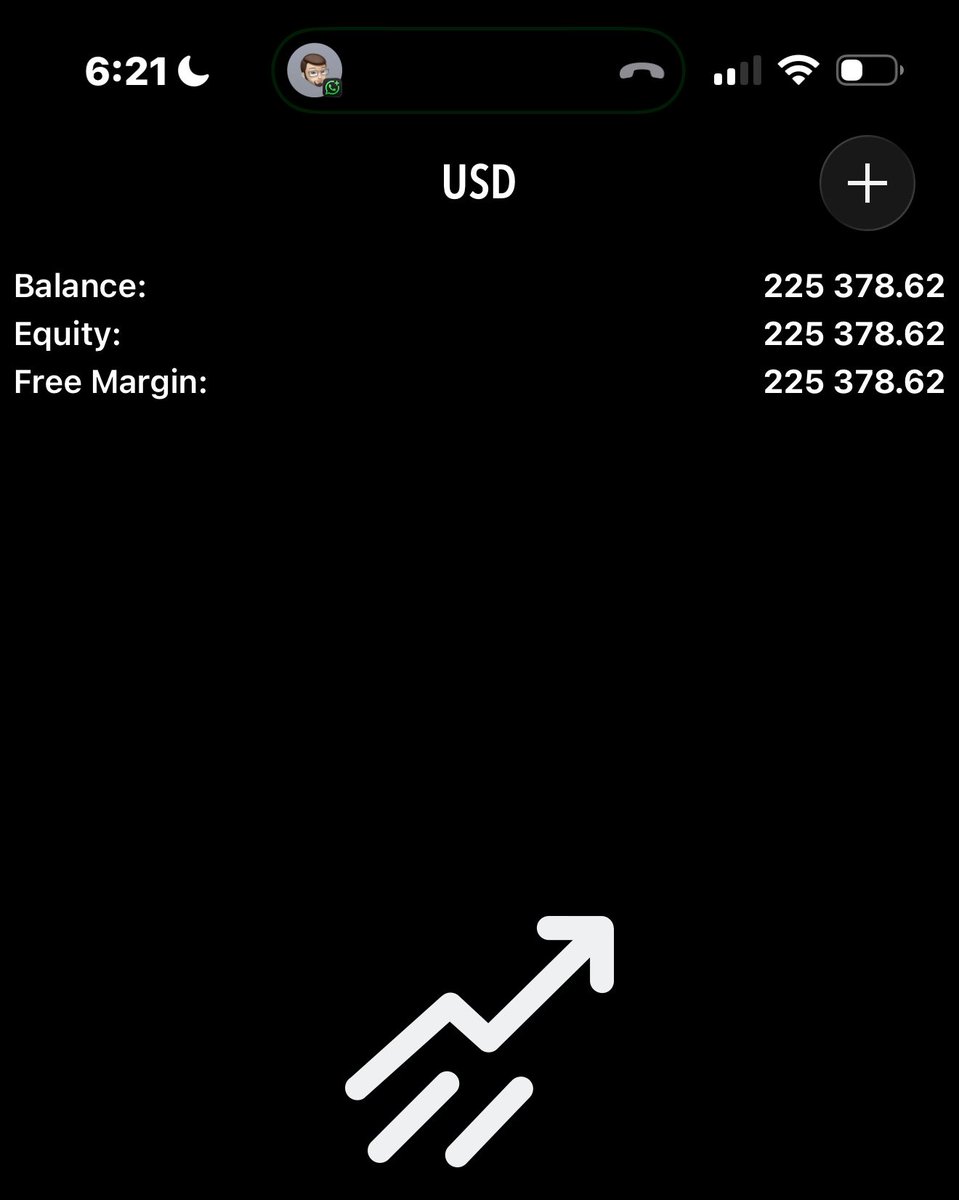
I took it from 7% down to 13% profit ($225,000) in just a few trades.
Here’s exactly what I did, and how you can realistically climb out of a drawdown without revenge trading your way into a blown account.
Read till the end. 👇
With the current market conditions, drawdowns are everywhere on the timeline right now. Even consistently profitable traders are getting hit. I’ve been there too.
Here’s how to recover from drawdowns realistically, not the “just stay disciplined” motivational nonsense.
I’m talking about the actual things that stop you from turning a -5% drawdown into a blown account.
1. Cut your risk immediately.
If you normally risk 1%, drop to 0.25–0.5%.
Why?
Because when confidence is damaged, execution usually gets worse too.
You don’t recover from drawdowns by swinging harder.
You recover by surviving long enough to regain consistency.
My standard risk across all my accounts is 1%. The moment I hit a drawdown above 2%, I immediately cut risk to 0.5% and stay there until I’m back at breakeven.
That one rule alone has helped me trade my $300,000 FundedNext account for over a year and my $400,000 FTMO accounts for 3 months + without a breach or blown account.
Your first priority in a drawdown is survival. Profits come after.
2. Find out what actually caused the drawdown and be brutally honest.
Was it:
• Overtrading?
• Revenge trading?
• Ignoring bias changes?
• Poor entries?
• Trading while emotional?
• Breaking your model?
• FOMO?
Most drawdowns are psychological before they’re technical and sometimes your strategy isn’t the issue, you are.
A profitable system traded by an impatient trader becomes unprofitable very quickly.
You can’t out-trade poor emotional control.
3. Go back to your A+ setups only.
In recovery mode, stop taking mediocre trades. No “maybe” setups, no boredom trades, no random pair hopping, only what has historically worked best for you.
If it’s not an A+, it’s a no.
4. Eliminate the urgency to recover your account in 24 hours.
That urgency creates bad decisions.
A healthy recovery can take 2-4 trades depending on RR. It can take weeks sometimes.
That’s normal.
5. Protecting capital matters more than recovering ego because the market doesn’t care that you “need” the money back.
Trade what’s there, not what you wish was there. Chasing recovery is how a 7% drawdown becomes a blown account.
Survive first. Everything else follows.
Also for my crypto traders, if you’ve been eating heavy spreads trying to trade crypto on forex prop firms, there’s a better option.
Crypto Funded Trader is the first prop firm built specifically for crypto traders. The account types, trading conditions, everything was designed with crypto in mind.
I’ve used it personally. The difference is noticeable. If you’ve been looking to get into prop trading with crypto, this is where I’d start.
Follow me, @Starr_gael, and turn on post notifications to stay updated and be the first to see whenever I make a post.
You’ll find trade documentaries, breakdowns, insights, results and my personal thoughts on my WhatsApp. Click the link below to connect.👇
https://t.co/HOc1mv5KrZ
This is not about whether a trader can generate a 0.5% return.
That is the simplest aspect of the discussion.
The real question is:
What legal authority do you possess to manage another person’s capital?
The moment an individual entrusts you with capital and you determine what to buy, what to sell, when to enter or exit positions, how much risk to assume, and which instruments to trade, a significant threshold has been crossed.
At that point, you are no longer merely a trader. You are managing third-party capital, and once third-party capital is involved, regulatory considerations arise immediately.
Regulation does not always mean illegality. But it does mean the activity must be properly checked against licensing, exemptions, mandate, custody, client classification, jurisdiction, instruments traded, and whether the structure involves pooled capital or separate account management.
Important questions must be addressed:
- Are you properly licensed?
- Do you have the necessary professional credentials or qualifications?
- Do you qualify for any regulatory exemptions?
- Is there a formal written mandate?
- Who retains ownership of the account?
- Who maintains custody of the assets?
- What level of risk has the client authorized?
- Which products are you permitted to trade?
- Are you authorized to use leverage?
- Have all relevant risks been properly disclosed?
- Have KYC and SOF checks been completed?
- How will losses be handled?
- How are fees structured and charged?
- Who bears legal liability if matters go wrong?
This is where many traders encounter serious consequences.
Not because of the market itself.
But because of a lack of understanding.
Many assume that managing capital simply means:
“Send me money or fund your trading account, and I will trade.”
That assumption is incorrect.
Such an approach can quickly lead to regulatory violations, investor disputes, breaches of mandate, AML concerns, fiduciary obligations, and allegations of unlicensed fund management.
For that reason, declining capital is, in most cases, the most professional decision available.
Capital without proper legal and operational structure is not an opportunity.
It is exposure.
Before managing another person’s money, ensure the legal framework is properly established.
Managing another person’s capital without the right licence, exemption, mandate, disclosures, and compliance structure can expose you to regulatory and civil liability.
Otherwise, the trade itself is not the primary risk.
You are.