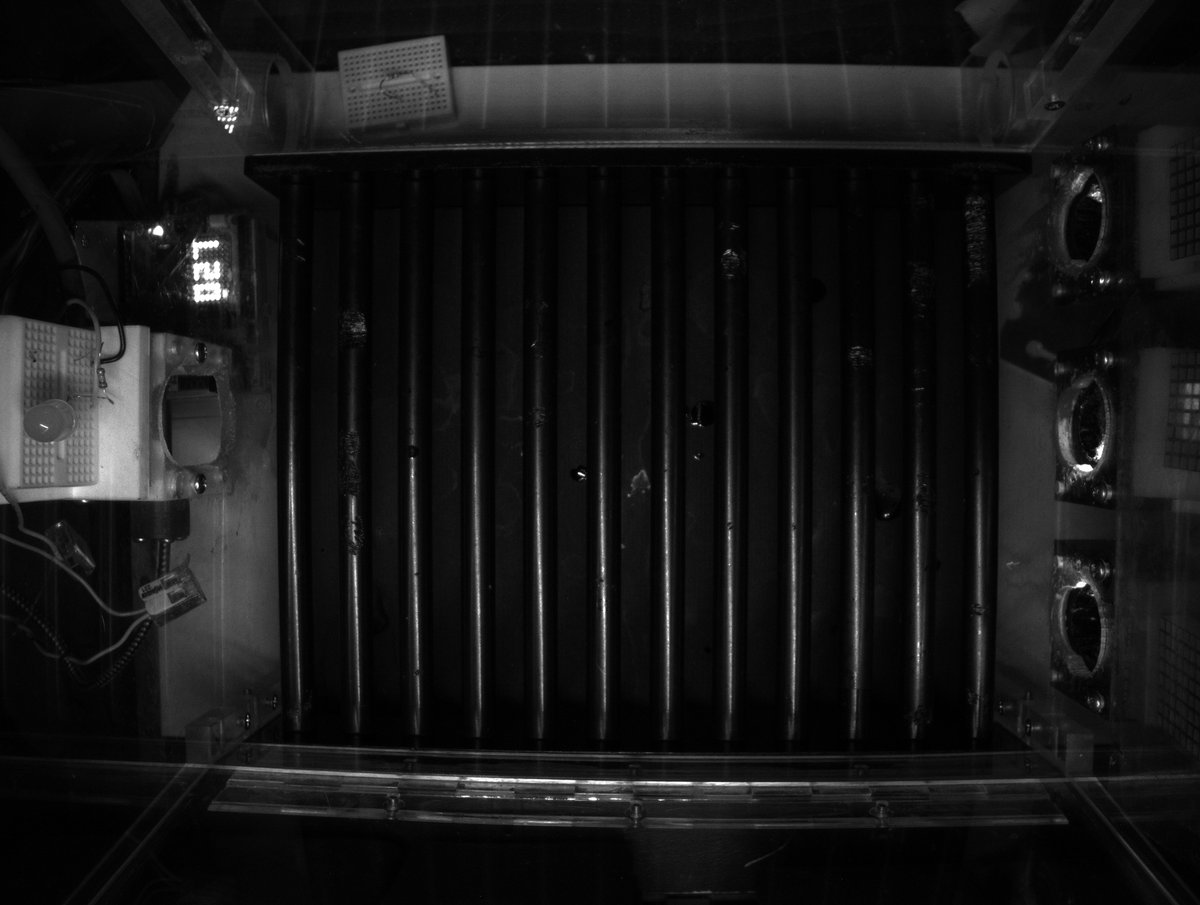
Excited to share another #opensource tool from the lab! We have been using this set up to do awake head-fixed scans without the need for any anesthesia on the day of the scans! Now working on integrating licking behaviour and linear treadmill operandum! @OpenBehavior
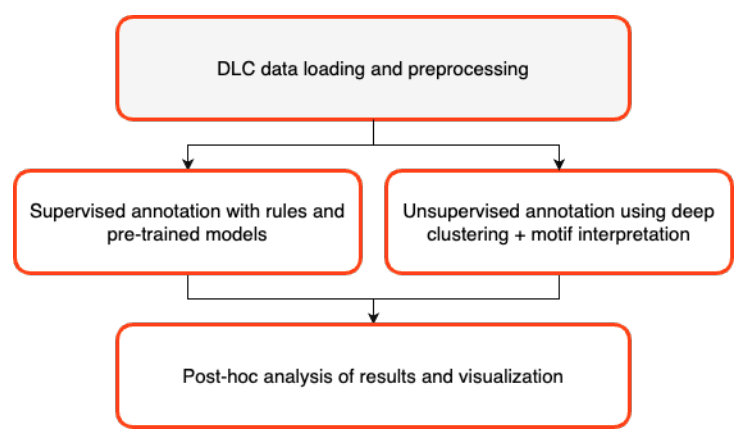
DeepOF (Deep Open Field) processes DeepLabCut/SLEAP data using supervised and unsupervised annotation pipelines and using SHAP for interpretability.
Read about it in this month's post on OpenBehavior:
https://t.co/uvykI50bi7
#OpenSource#Neuroscience#DeepLearning
We will be posting less frequently going forward. Funding for our project from the NSF has completed. We will proceed as we first did with this project, with a more grass roots approach involving undergraduates at American University in creating content for our website.
Pre-print alert: The Crunchometer is a low-cost, open-source technology that uses bite sound to democratize the microstructural analysis of feeding bouts on solid food
The Crunchometer: A Low-Cost, Open-Source Acoustic Analysis of Feeding Microstructure https://t.co/K6o2F4py7P
🧵 I’m excited to announce that the 2025 LabGym Symposium & Tutorial will be held online via Zoom on Friday, August 22, 2025. Don’t miss this opportunity to learn about cutting-edge AI-based behavioral analysis!
https://t.co/GgbFEvAHml
1/
Getting advanced video analysis tools like SLEAP, DeepEthogram, and A-SOID to work can be tricky! Our team figured out some key steps and fixes. Check out our detailed setup guide:
https://t.co/kRP4qqRC94
#OpenScience#Neuroscience
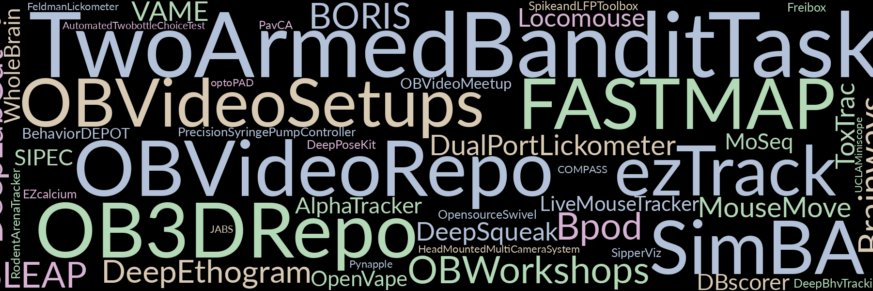
What's hot in open-source neuroscience for 2025? This week's post on OpenBehavior reviews projects of interest to the followers of our blog in the first half of 2025.
Check it out: https://t.co/JEqus7ROVN
#opensource#neuroscience
Ray Shen, a student at the University of Maryland, developed the program as part of summer research with the OB team. You can access his code here:
https://t.co/AHONknGhvb
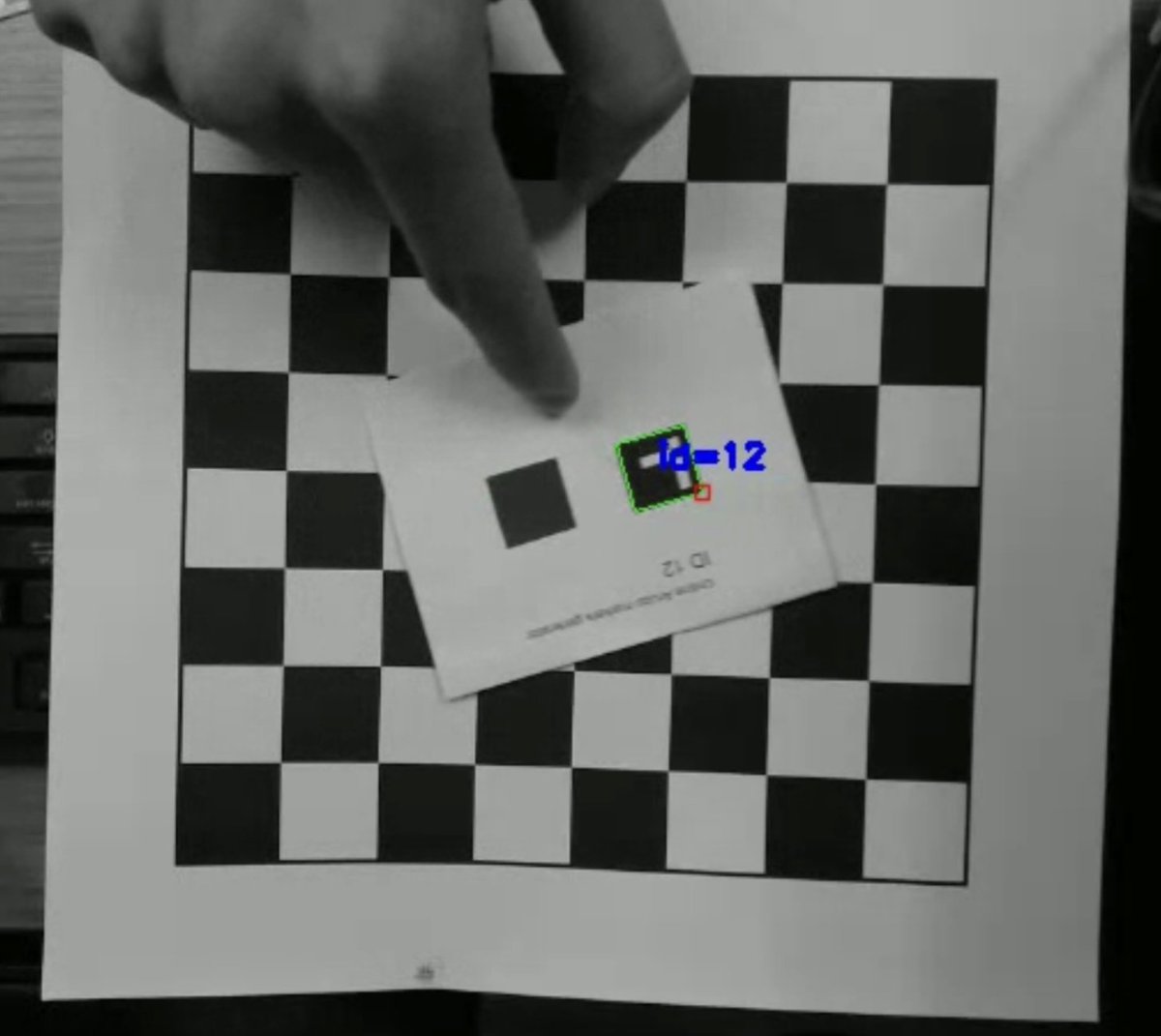
Real-time ArUco tracking is available in Bonsai but has some limitations. The OB team developed a Python/OpenCV program for robust offline analysis, that provides full position and rotation information. Read about it in this week's post:
https://t.co/qqxLxQHnYv
#Neuroscience
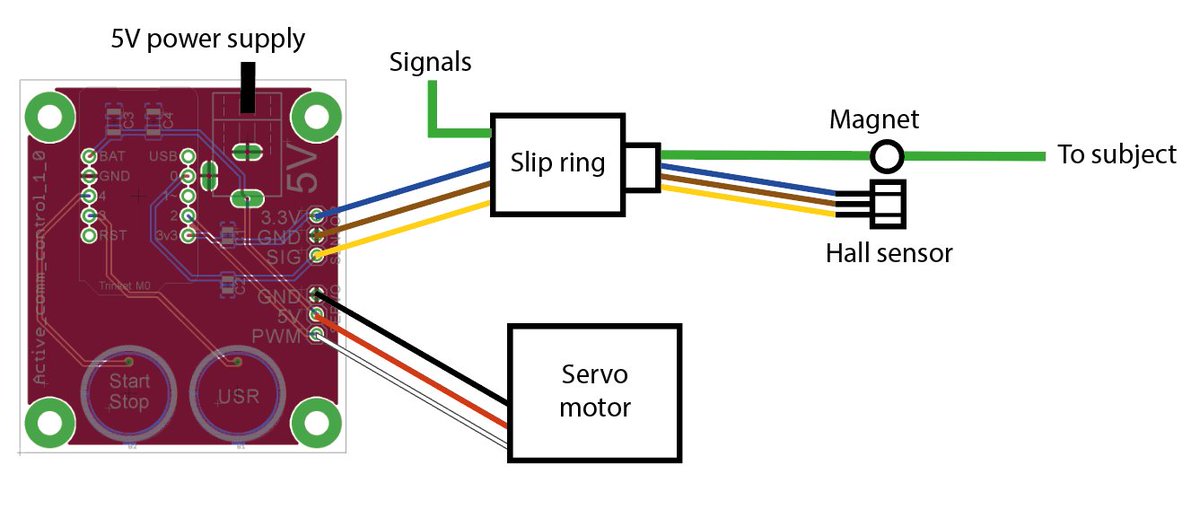
Thomas Akam (U Oxford) developed an active commutator that auto-rotates to prevent twisting of cables for neural recordings from freely moving subjects. Read about it in this week's post on OpenBehavior. #Electrophysiology#OpenScience#Neuroscience
https://t.co/niWQuMAkLj
Our latest post highlights a simple, open-source #Arduino device developed by Jason Blackmer from the Laubach Lab that displays trial numbers in your video recordings. It makes finding trials a breeze!
https://t.co/o3qo4aYt9I
#OpenScience#Neuroscience#LabHacks
This week's post on OpenBehavior reviews available #opensource tools for imaging, including for microscopy, calcium imaging, and integrating behavior with imaging. From UCLA Miniscope to PyPhotometry, see what's making an impact! 👇 #Neuroscience
https://t.co/tnbXogGxHi
This week's post on OpenBehavior reviews our posts over the years on #opensource tools for neural recordings & analysis, including a motorized swivel, Pynapple, & Open Ephys. #Neuroscience#Electrophysiology#OpenScience
https://t.co/Mh4EkZOCkK
Researchers have developed a chronic EMG implant for the diaphragm in freely behaving rats. It is low-cost, quick to build, and fully documented. Read about it in this week's post on OpenBehavior. @streeter_kristi@LabDale#opensource#neuroscience
https://t.co/1SaG2S14Nx
This summer, we're working on documenting setups and protocols for using popular tools such as SLEAP, Bonsai, & ArUco marker tracking. You can read about our plans in this week's post and stay tuned for updates over the summer! #OpenScience#Neuroscience
https://t.co/woKEPQPkn3