The Feedback Nobody Gives: Upward Feedback ⬆️
How often do employees feel comfortable giving #feedback to their managers?
Leadership becomes stronger when feedback can travel in every direction.
A real feedback culture has no one-way streets. 🔄
#OpenFeedbackCulture
🤝 Psychological safety makes teamwork stronger
People share ideas more freely when they know they will be listened to with respect.
An #OpenFeedbackCulture helps teams:
💡 speak openly
👂 listen without judgement
🌱 learn from each other
💬 solve problems together
Do you still think vulnerability is a weakness? ❤️🔥
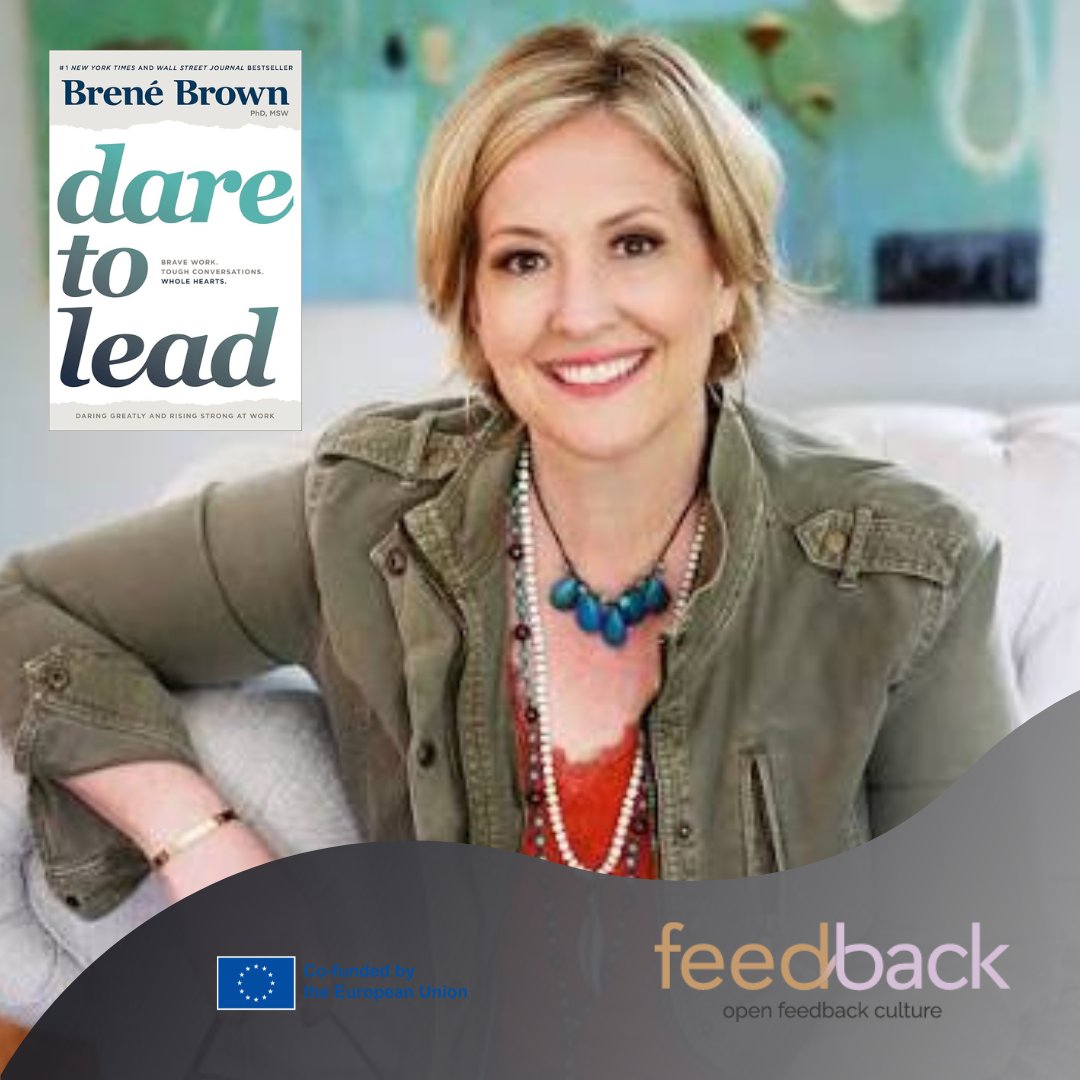
Brené Brown taught us in "Dare to Lead" that you cannot get to courage without rumbling with vulnerability. Asking for help, admitting you don't have the answer, or listening to tough feedback requires immense bravery.
Feedback or Feedforward? Focus on what comes next
Sometimes the most useful conversation starts with a different question: What could we do differently next time?
This is the idea behind feedforward: shifting the conversation from analysing the past to exploring future actions.
🌟 A growth mindset starts with one simple belief
Skills are not fixed. They can be developed through learning, practice and feedback.
In the Open Feedback Culture project, we encourage people to:
🌱 learn from mistakes
💬 ask for feedback
🚀 see challenges as opportunities
Why do so many talented teams end up stuck? 🧩
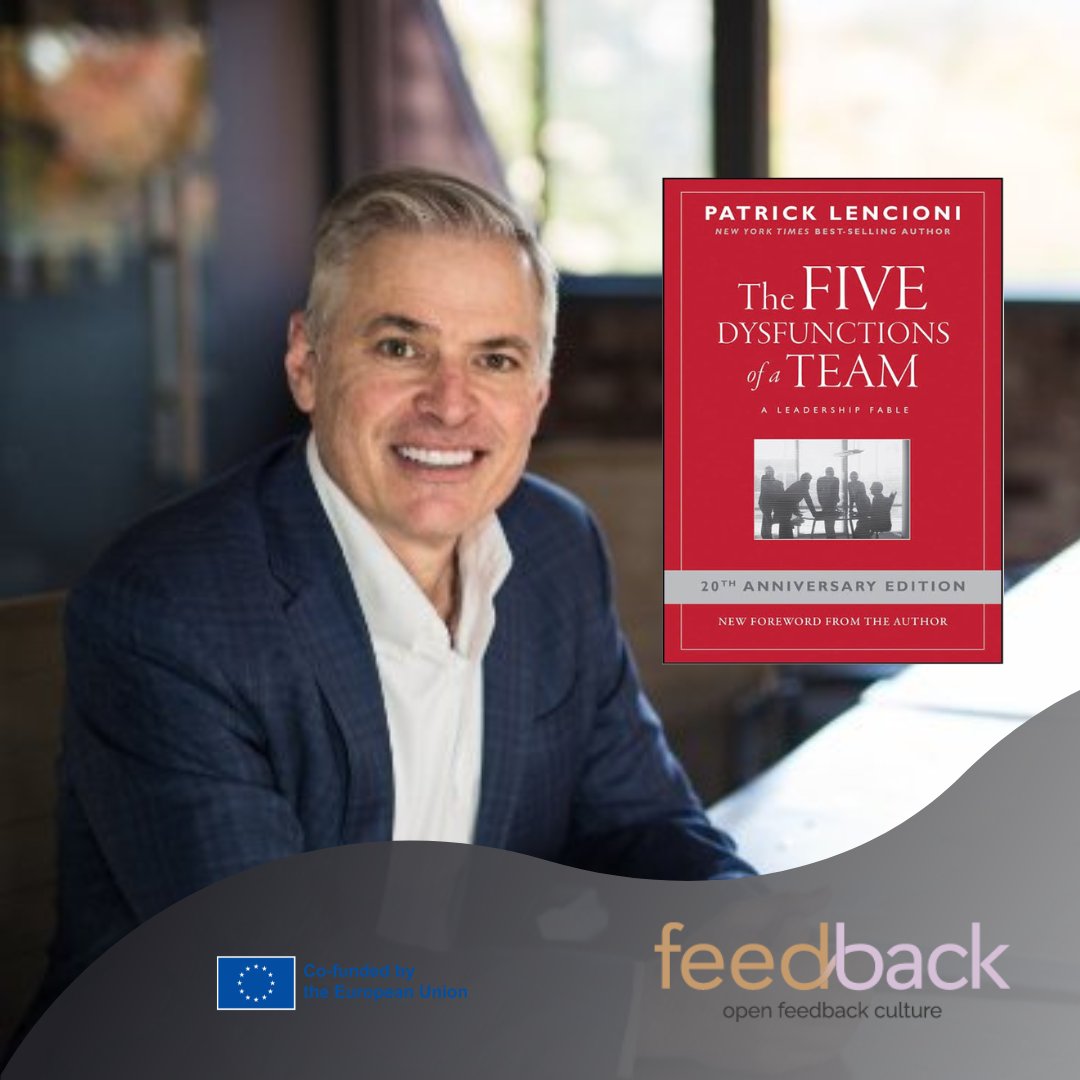
Patrick Lencioni explained it in his book "The Five Dysfunctions of a Team": the foundation of every team failure is the absence of trust. Without trust, teams fall into the second dysfunction: fear of conflict.📖
#OpenFeedback
From theory to practice: our pilot sessions are on the way
In these sessions, employees and managers will work with:
- practical feedback tools
- real-life scenarios
- exercises to strengthen feedback skills
- ways to build psychological safety in their teams
#OpenFeedback
Have you ever kept quiet to avoid hurting a colleague's feelings?
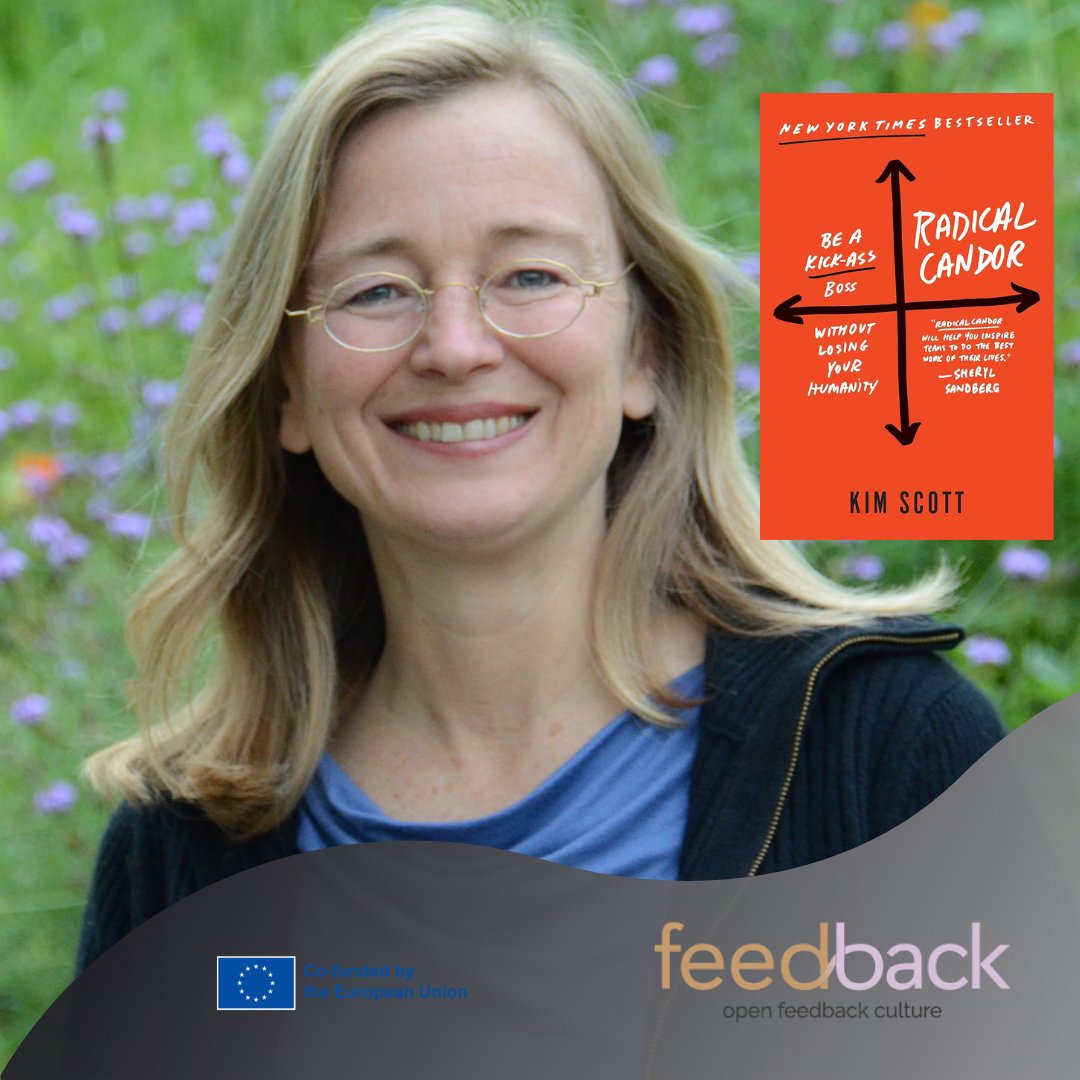
Kim Scott, author of "Radical Candor", calls this "Ruinous Empathy", when we are nice and fail to be honest. The perfect balance is Radical Candor: challenging someone because you care about them and their growth.
🌟 Before We Head Into the Holidays… Let’s Talk Open Feedback
Taking a few minutes now to share your thoughts can make a real difference when we come back refreshed and ready for a new cycle.
Because strong teams are built on honest conversations.
🌱 Growth starts with a conversation
The Open Feedback Culture project supports managers and employees in creating workplaces where feedback is not feared but welcomed.
The goal? A workplace where communication builds trust, not tension 🤝
📚 Book Spotlight: Nonviolent Communication — Marshall Rosenberg
Looking to improve how you communicate or give feedback ?
This is not a book about feedback alone — it’s a powerful guide to strengthen relationships and communicate with more intention and empathy. 🌱
🚀How strong is your feedback culture?
Organisations say it is important.
But in practice remains unclear. That’s why we developed a self-assessment tool that helps
to assess:
- which conditions for open feedback are in place
- which ones are missing
- where to start improving
Is technical talent enough for success? According to Daniel Goleman, an internationally renowned psychologist and bestselling author of 'Emotional Intelligence' the answer is a resounding "no."
He proved that Emotional Intelligence is what truly sets high-performing teams apart
Why train in feedback?
Feedback isn’t a nice-to-have , it’s a necessity.
Teams that communicate better:
- Solve problems faster
- Make better decisions
- Trust each other more
At #OpenFeedbackCulture, we develop practical methodologies to bring these skills to organisations
"Feedback is the breakfast of champions," Ken Blanchard, author recognised worldwide for his contributions to leadership and organisational management, once said. At Open Feedback Culture, we believe that for that breakfast to be nourishing, the table must be a safe place. ☕🥣
🌍 World Day for Safety and Health at Work 2026
📅 28 April 2026
Creating a safe workplace goes beyond physical conditions — it also means ensuring a healthy psychosocial working environment.
Let’s work together to build workplaces where people feel safe and able to thrive.
Thanks for the feedback
What makes feedback so difficult — even when it’s well intended? A powerful insight from the book “Thanks for the Feedback” (Douglas Stone & Sheila Heen) 👉 The challenge is not just giving feedback — it’s receiving it.
Feedback doesn't have to be scary! 😊
In the Open Feedback Culture project, we teach how to give and receive feedback in a constructive and respectful way 🤝
The most important rules? First listen 👂, then understand 🧠, and finally respond 💬
What makes a team perfect? 🤔
Google launched "Project Aristotle" to discover why some teams thrived while others struggled.
The number one factor for success was Psychological Safety: the confidence that no one will embarrass you for making a mistake.
#OpenFeedbackCulture
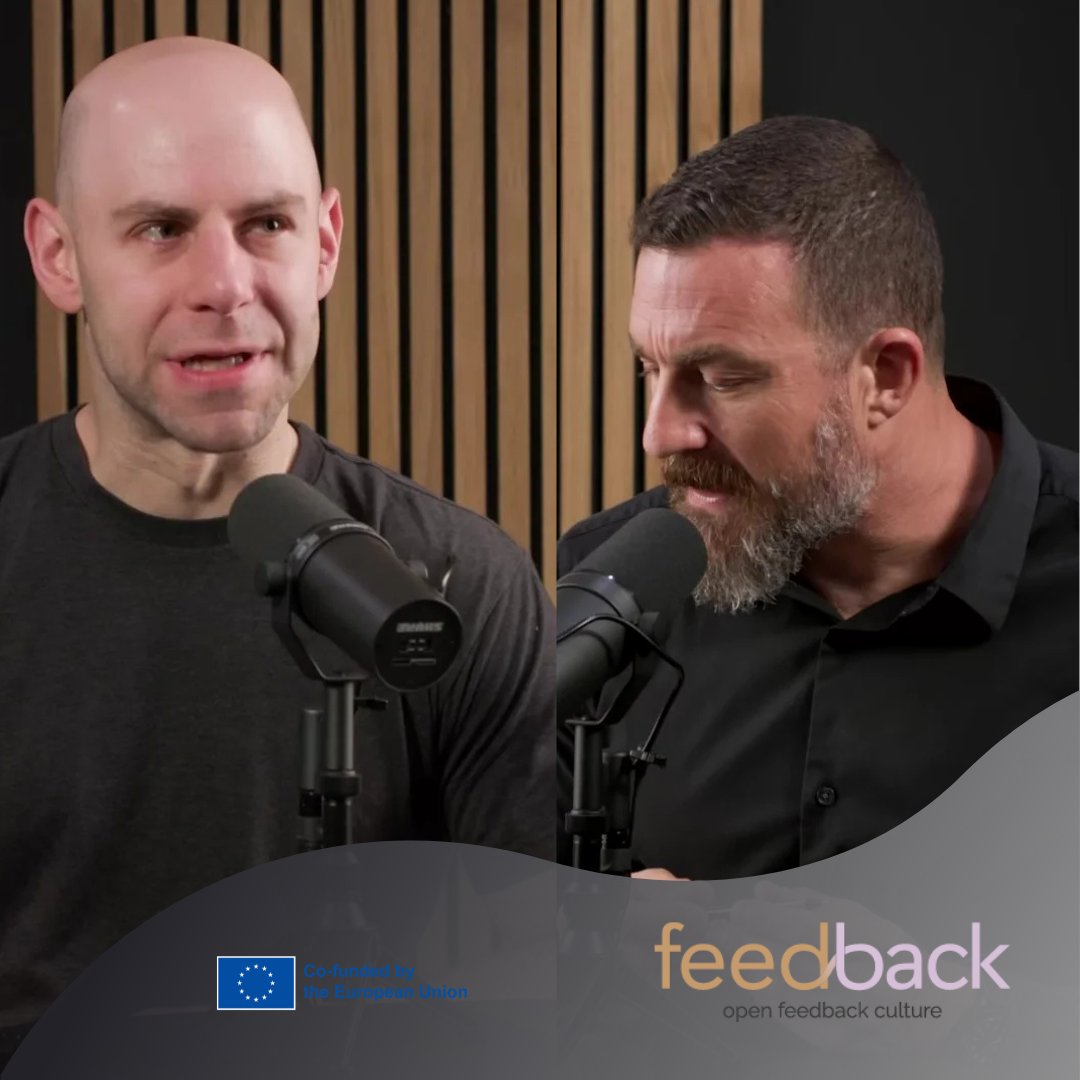
🌟 How to Give and Get Constructive Feedback | Dr. Adam Grant & Dr. Andrew Huberman 🌟
In this insightful conversation, Dr. Adam Grant and Dr. Andrew Huberman dive into the science of giving and receiving feedback effectively. T
#FeedbackCulture#OpenFeedback