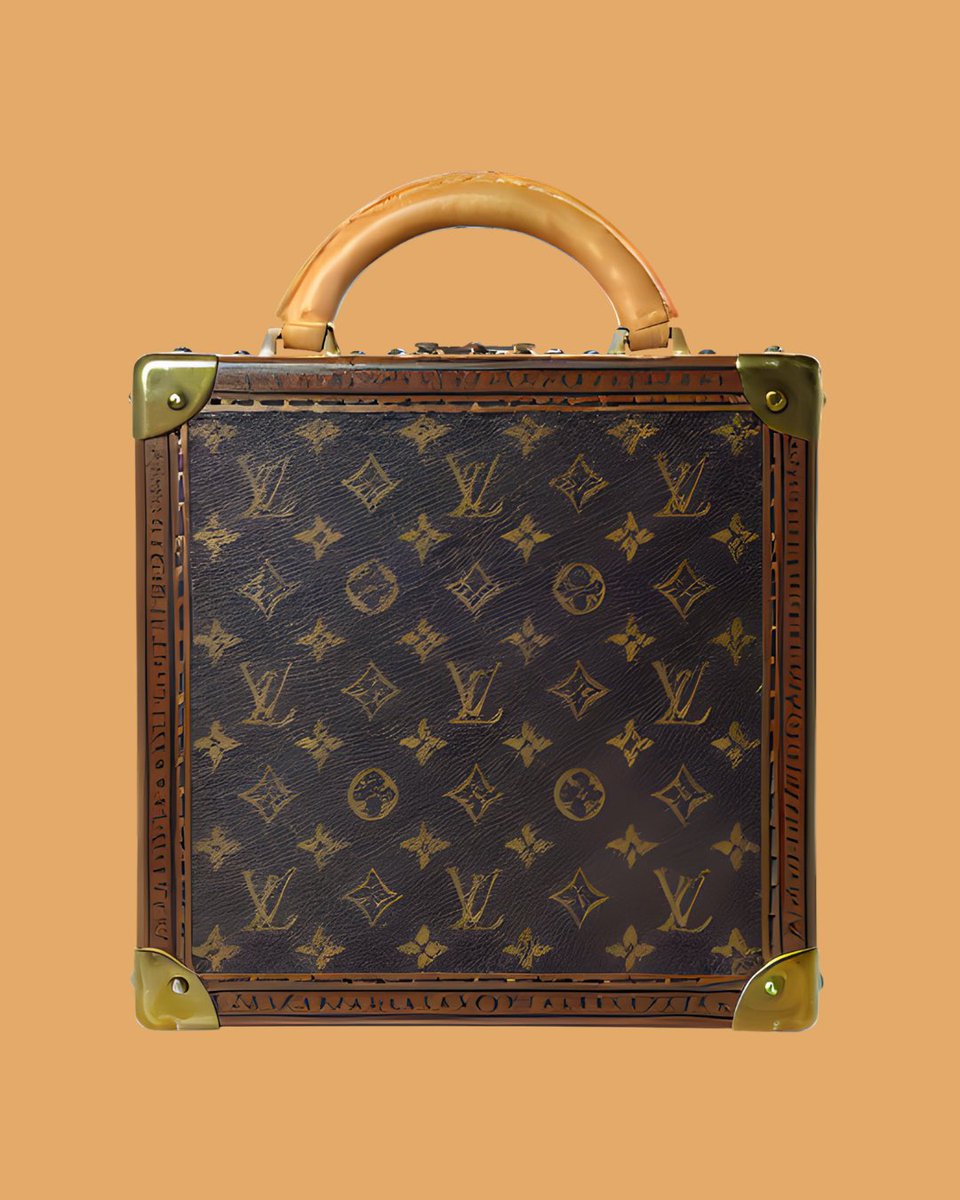
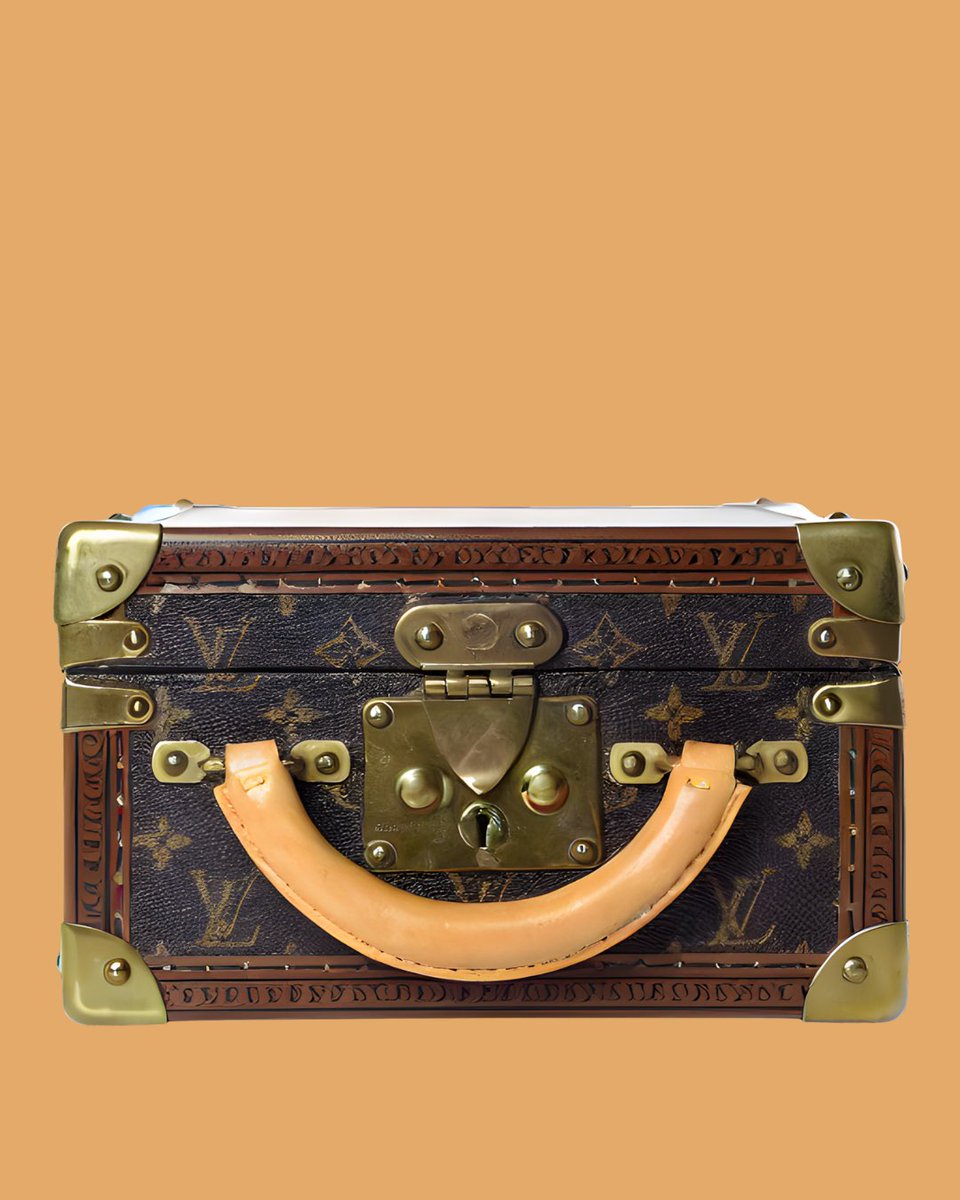
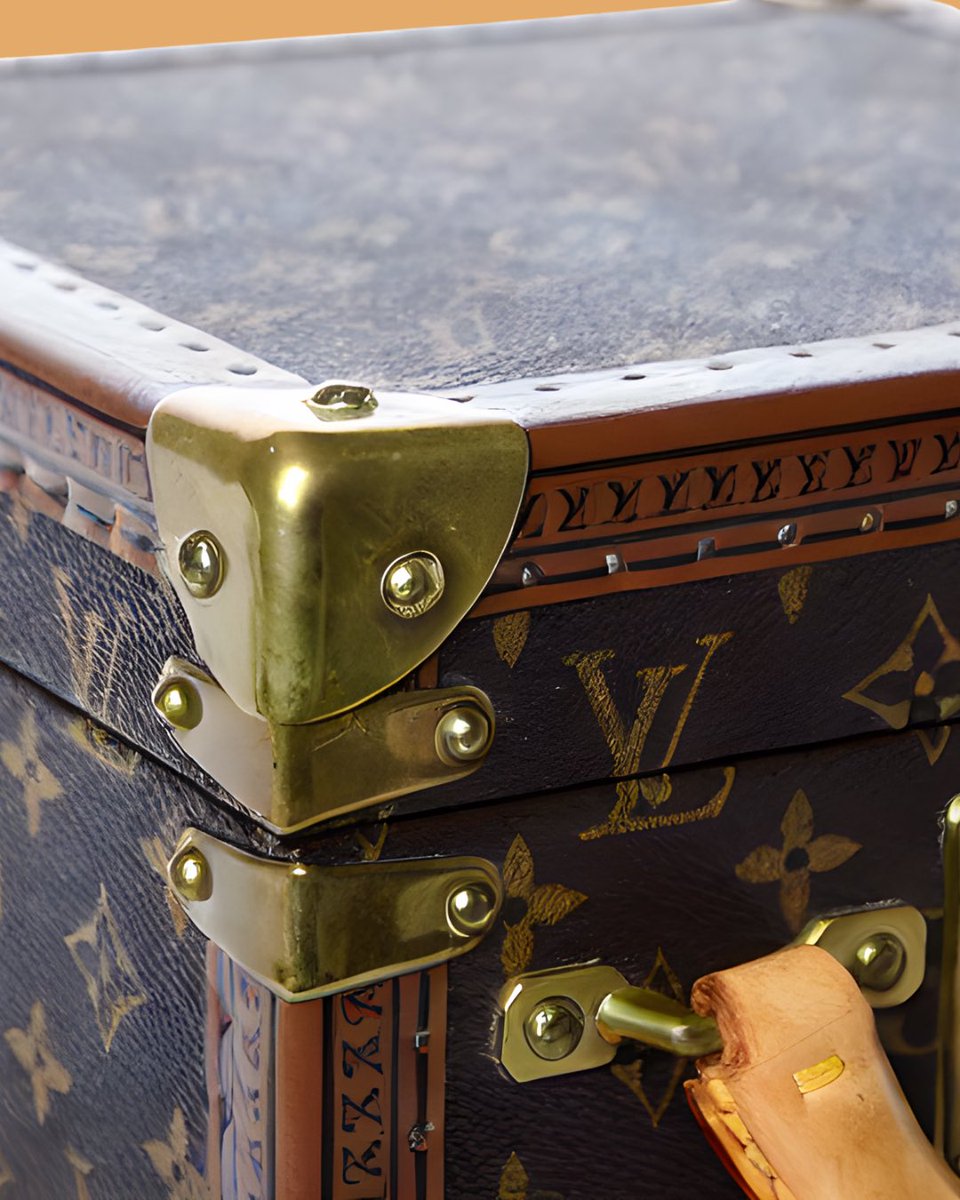
The Louis Vuitton trunk is a cornerstone of luxury travel and history. Introduced in 1858 by Louis Vuitton himself, the revolutionary trunk marked a departure from the traditional dome-shaped travel chests of the time.
Designed to meet the specific needs of elite travelers, Louis Vuitton trunks were often customized with compartments for wardrobe storage, hatboxes, and even portable desks.
While Hermès was founded in 1837 as a harness workshop, it wasn't until the mid-20th century that its signature orange emerged as a defining emblem of the brand.
Beyond packaging, orange became deeply ingrained in the brand’s identity, eventually inspiring the creation of Orange H, a timeless leather color introduced as part of Hermès’ perennial palette.
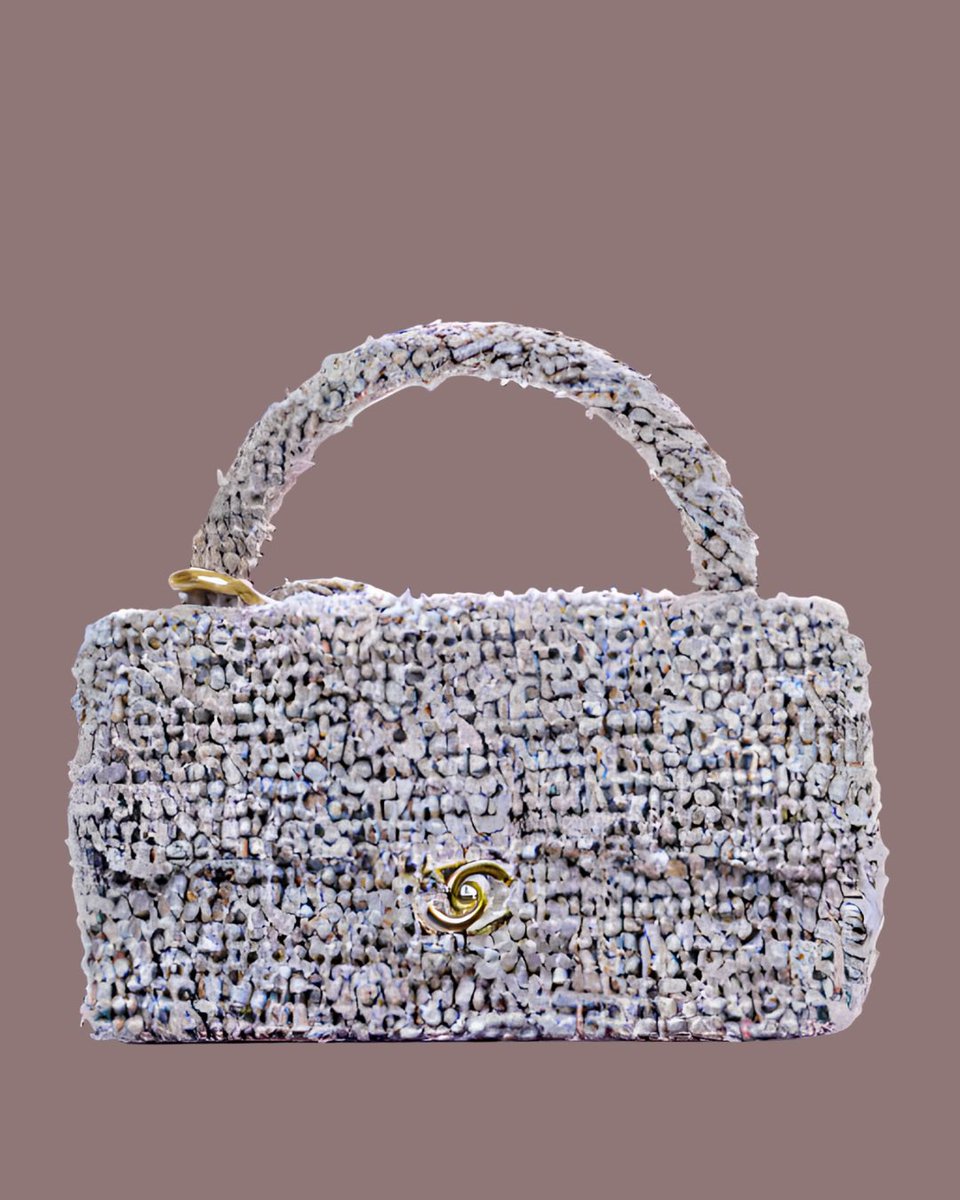
The two bags were designed to be worn together, creating a striking double-bag look. Chanel released the Twin bag as part of a limited-edition run, making it highly sought after by collectors for its classic craftsmanship an that it easily becomes an objet d’art.
The 1994 Chanel Kelly Twin bag, often affectionately called the "Kelly Set" or "Parent-Child Kelly bag," is a rare, intriguing piece that showcases Chanel's approach to handbag design in the '90s.
This unique set includes two nearly identical bags, one larger "parent" bag and a smaller "child" counterpart. Both bags feature Chanel’s quintessential quilted leather or tweed the interlocking CC turn-lock closure.
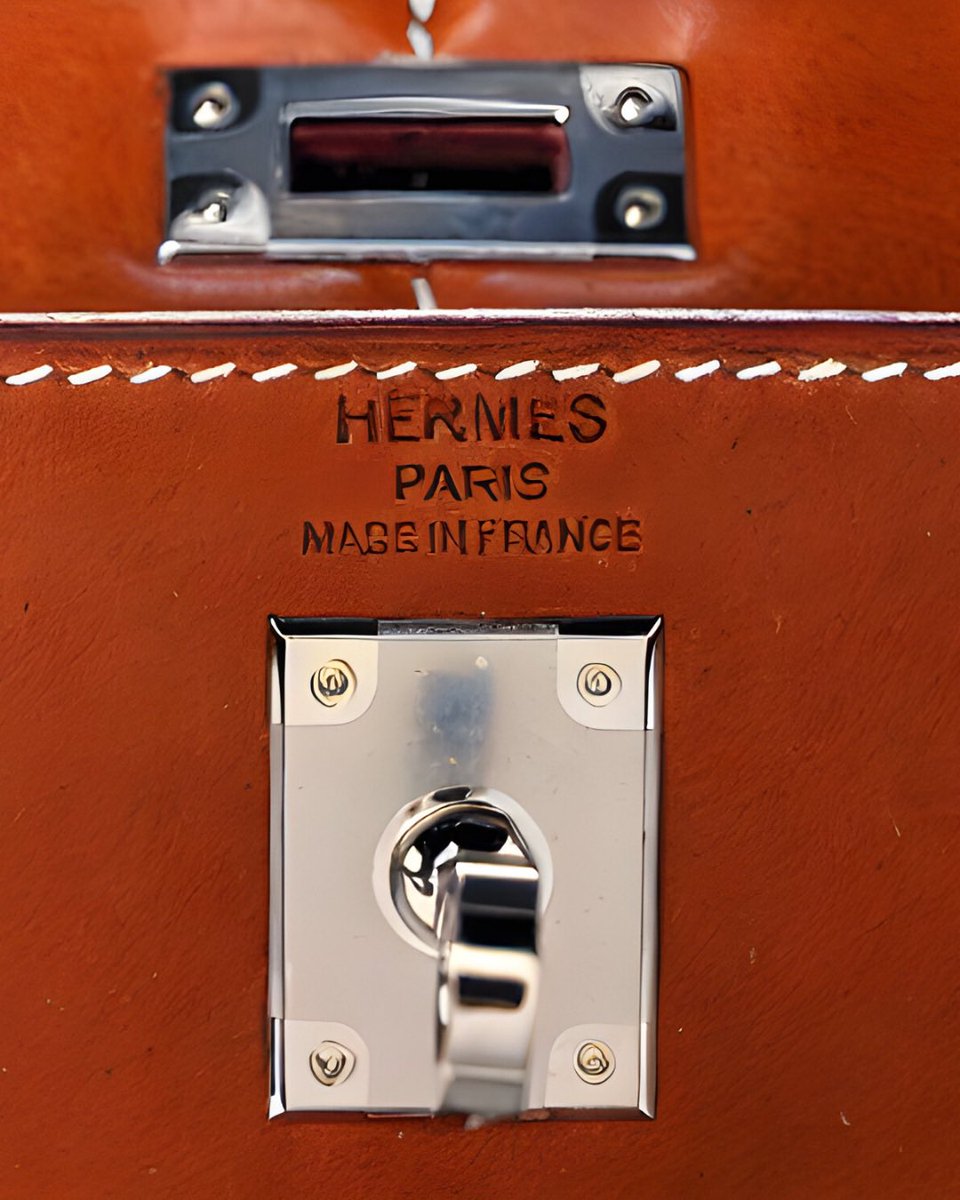
Due to its natural finish, Barénia is vulnerable to watermarks, which it absorbs and retains as part of its patina, a characteristic that only deepens the material’s rich, warm hues over time.
Barénia is relatively rare and known for its durability and softness, which make it both highly desirable and resilient, able to withstand scratches and marks. Its smooth, matte finish is slightly oily to the touch, giving it a slight sheen.