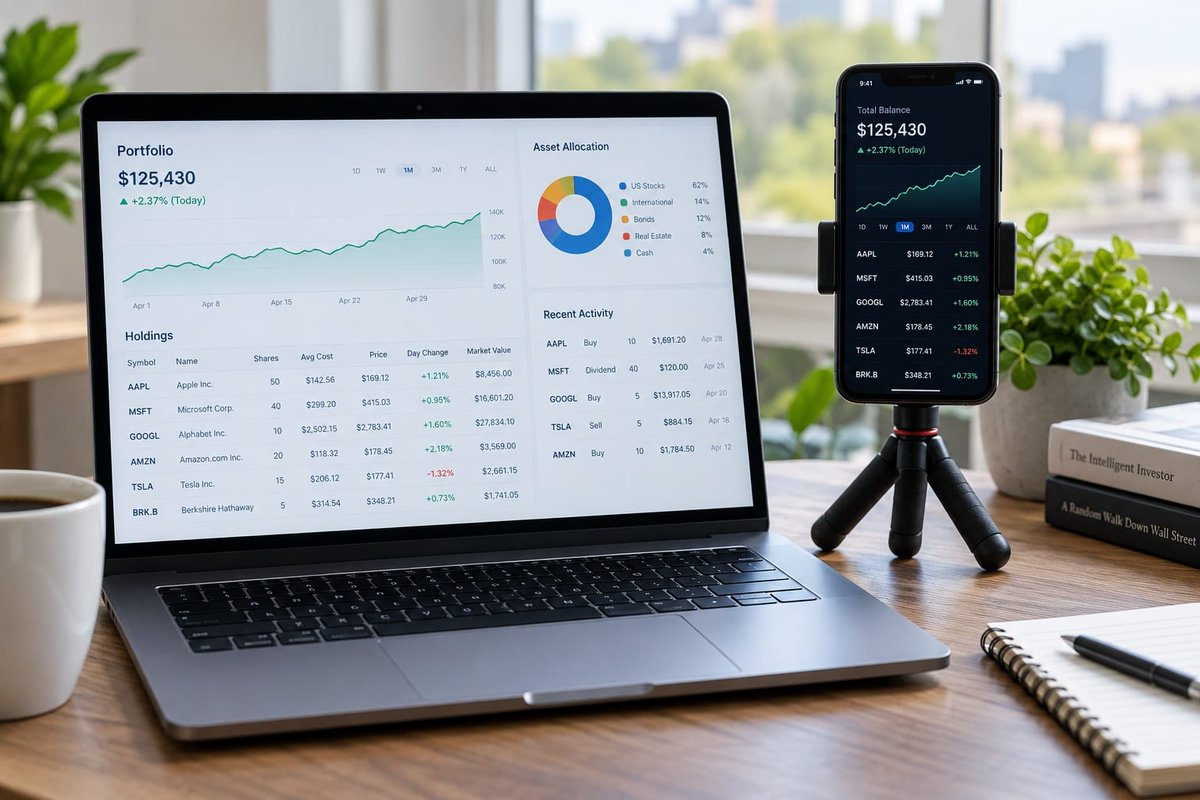
50% of key events in financial videos had *no* OCR text to label them—yet a tuned 7B MLLM spotted them anyway. But here’s the catch: recall vs. localization isn’t free. The real work starts when you ask *why* the tradeoff exists." 👇
What if you asked a vision‑language model to redraw the pen path behind cursive text? inkGround’s new benchmark puts state‑of‑the‑art VLMs to that test—most stumble even with a shared prompt. 👇
Cutting Vary-600K OCR errors by 54% — while freezing the backbone. 👇
SP-DocReader: Cutting Vary-600K OCR Error Rates in Half with Difference-Aware Self-Play
8 open-weight VLMs, 4B–7B params, one local GPU. A new FAU Erlangen benchmark asks whether small models can replace cloud APIs for structured JSON extraction from messy archives. Your API bill might not be safe 👇
184 OCR engines got a pure white 800×1000 image. Classical tools stayed silent, but 12 of the newer vision models hallucinated UFO glyphs, Victorian lawsuits, and gut‑health ads. 👇
We Sent a Blank White Page to 184 OCR Engines. Some of Them Read It Anyway.
92% of pages didn’t need OCR—so why are you sending them all to your vision model? New preprint from Citi, EY, and NVIDIA reveals where extraction time *really* hides (spoiler: it’s not just the pixels). 👇
Surprised when Gemini 3.1 Flash‑Lite says “success” but returns zero text? OpenOCR now flags empty results across any engine, explains the cause, preserves your PDF and never overcharges you. 👇
Why do top vision‑language models still miss the answer? Adding CPU‑OCR text jumps document QA accuracy 13‑16 points on FoveDoc‑Bench—proof that seeing isn’t understanding. 👇
Found But Not Read: Why Vision-Language Models Still Benefit From OCR
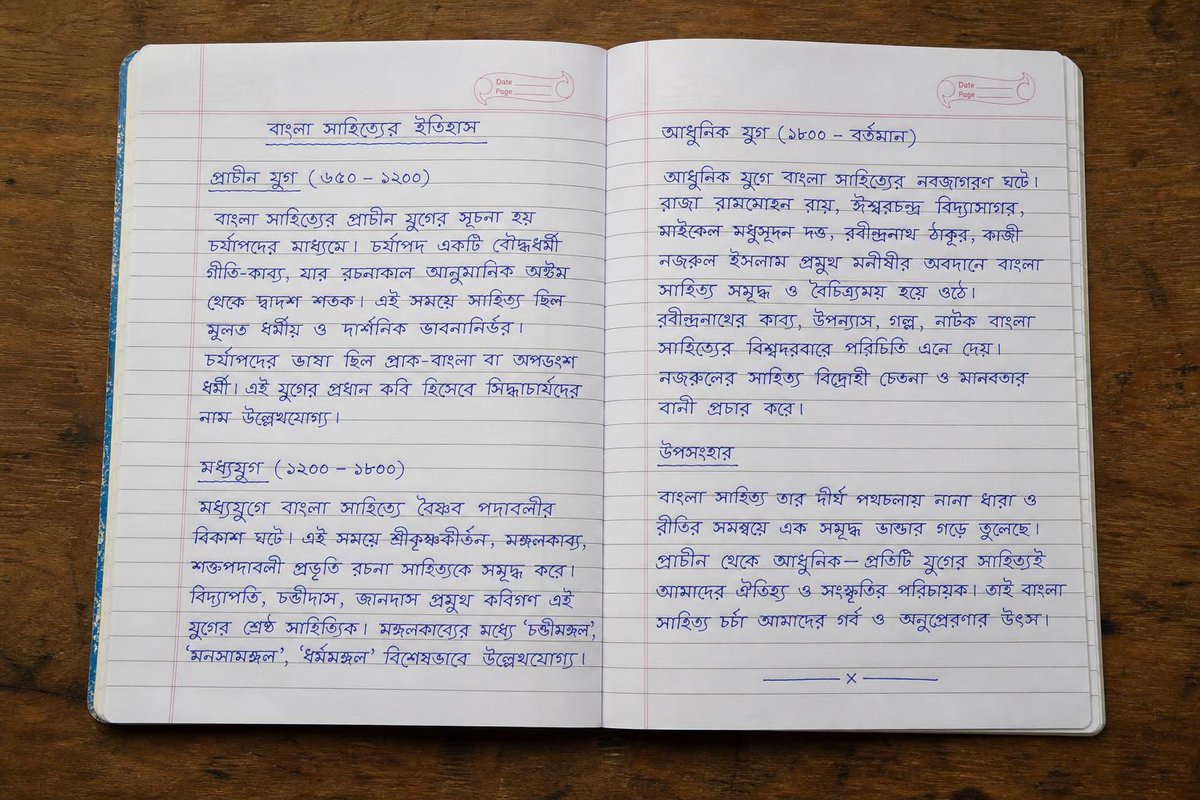
Without a single neural layer, KUET researchers segmented handwritten Bangla words on colored paper and shadows using adaptive image processing and iterative contour counting. 👇
Segmenting Handwritten Bangla Without Deep Learning: An Image Processing Deep Dive