Independent SaLT & PhD researcher, experience in #youth justice, schools & nurseries. Providing affordable, timely assessment & therapy to children & young ppl
If you’re a school, especially one with a high number of pupils from marginalised backgrounds, read this study. All SENCOs reported that they would continue to commission Speech & Language Therapy input and would recommend the model to others. https://t.co/kYsEtYAAeR
Approximately 60% of young offenders have unidentified developmental language disorder, they are told they have ‘to make’ reparation but they don’t know what that means https://t.co/pqVQ04V1q0
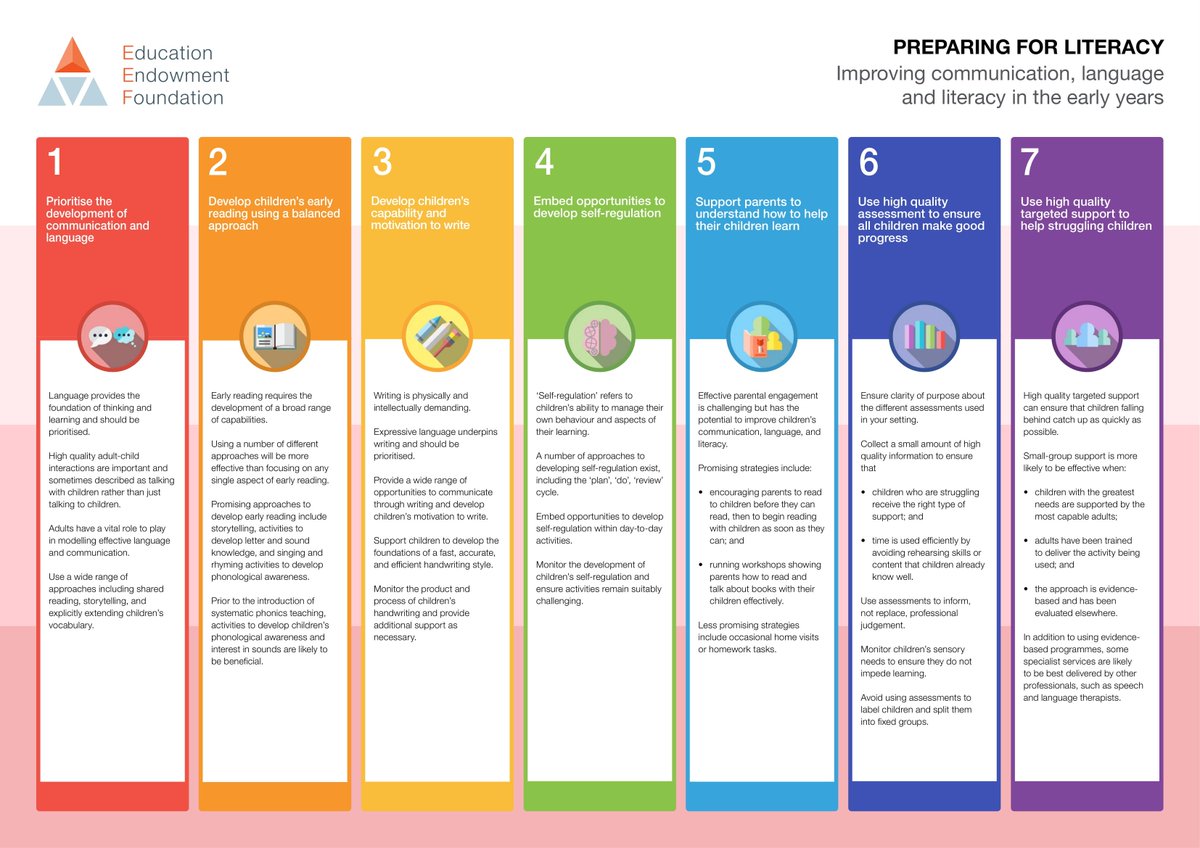
Our latest guidance report - Preparing for Literacy - published today, includes 7 recommendations designed to support nurseries and early years settings to close the gap between disadvantaged toddlers and their peers before school starts.
Available now: https://t.co/aFIgBMlsu8
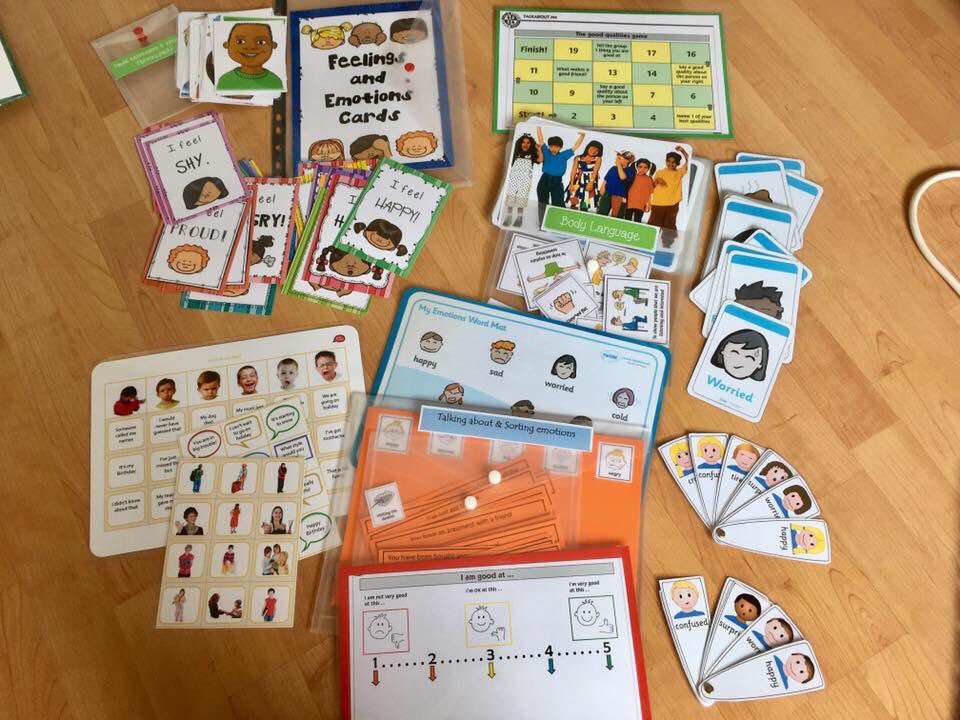
I often use this resource to assess and develop the verbal reasoning skills and abstract language of primary aged children who struggle to understand what is said to them
30 week intervention program designed to help children with receptive (understanding) language difficulties, found positive results. https://t.co/Gdi9kDDoXI
@alexisemma31 @SltCarrie Not a problem, we all are 😊. I think the main issue is to have a thorough assessment conducted, once you have that a SLT can write an intervention plan that staff can carry out and provide you with resources to target the areas an assessment highlights
Verbs are important for early language development because they allow children to start building sentences. Some children find it hard to acquire verbs, here are some resources we use to help ....
When describing events young people with developmental language disorder can get muddled with order, or overuse ‘and’. Carry out activities to practice time connectives such as first, next, then, last e.g. setting up an activity, building Lego, play a barrier game
@alexisemma31 @SltCarrie It will depend on target, it could be moving from 1 word to 2 word level (matching games e.g. my card has somebody pushing a pram, can you find a card with somebody pushing) learning grammatical rules to alter verbs, remembering irregular verbs e.g. bought
@alexisemma31 A range of places, black sheep press, @SltCarrie , elklan , talkabout series, language for learning, LDA series , some have been made, etc etc 🙂
.... 4) They may respond off topic when questioned, 5) They may show signs of disruptive behaviour or appear withdrawn. Just some of the signs to look out for in your classroom 2/2
How can you tell if a child has developmental language disorder (DLD). 1) They May have difficulty following instructions, 2) May appear forgetful, 3) After instructions they may look round the room at what other children are doing before beginning the activity.............1/2