@finvezto S that's true. We can remember what happened to JP associates and Punj Lloyd shares. They are darling of the market in 2004 - 2008. Like that many stocks were there.
@niki_poojary@AdityaTodmal I miss your YT videos. If time permits pls post for weekly analysis videos. And try to post this chart regularly before market open.
🚨 BREAKING: Google Gemini can now analyze any stock like a Wall Street analyst (for free).
Here are 14 insane Gemini prompts that replace $4,000/month Bloomberg terminals:
(Save this 🔖 you’ll need it later)
🚨 5 வருஷம் ஆச்சுன்னா ஹெல்த் இன்சூரன்ஸ் கம்பெனி உங்க கிளைமை ரிஜெக்ட் பண்ணவே முடியாதா? இதோ அந்த மொராட்டோரியம ரகசியம் 😱
நம்மில் பலருக்கு ஹெல்த் இன்சூரன்ஸ் (Health Insurance) எடுக்கும்போது இருக்கும் ஒரே பயம் பிரீமியம் கரெக்டா கட்டுறோம், ஆனா ஆபத்துன்னு ஹாஸ்பிட்டல்ல நிக்கும்போது கம்பெனி கையை விரிச்சிட்டா என்ன பண்றது? என்பதுதான்.
உங்களுடைய இந்த பயத்தைப் போக்க, IRDAI (காப்பீட்டு ஒழுங்குமுறை வாரியம்) வைத்துள்ள ஒரு பிரம்மாண்ட ஆயுதம்தான் 'மொராட்டோரியம் காலம்' (Moratorium Period). இதைப் பற்றி தெரியாமல் பல லட்சம் ரூபாய் மெடிக்கல் பில்லை சொந்த காசிலிருந்து கொடுத்து ஏமாறுபவர்கள் ஏராளம்
💡 மொராட்டோரியம் காலம் (Moratorium Period) என்றால் என்ன?
சுருக்கமாகச் சொன்னால்: 5 ஆண்டுகள் காப்புரிமை விதி
நீங்கள் ஒரு ஹெல்த் இன்சூரன்ஸ் பாலிசி எடுத்து, தொடர்ந்து 5 ஆண்டுகள் பிரீமியம் செலுத்திவிட்டீர்கள் என்றால்... அதற்குப் பிறகு, பாலிசியில் இல்லாத (Not Covered) சிகிச்சைகளைத் தவிர, வேறு எந்தக் காரணத்தைக் காட்டியும் இன்சூரன்ஸ் நிறுவனம் உங்கள் கிளைமை (Claim) நிராகரிக்க முடியாது.
🛑 மிக முக்கியமாக நீங்கள் கவனிக்க வேண்டிய 2 விஷயங்கள்:
தொடர்ச்சி (Continuous Renewal): இந்த 5 ஆண்டுகள் என்பது கேப் இல்லாமல் இருக்க வேண்டும். இடையில் பாலிசி லேப்ஸ் (Lapse) ஆகாமல், ஒவ்வொரு வருடமும் கரெக்டாக புதுப்பித்திருக்க வேண்டும்.
போர்ட்டபிலிட்டி (Portability) :நீங்கள் ஒரு இன்சூரன்ஸ் நிறுவனத்தில் இருந்து மற்றொரு நிறுவனத்திற்கு மாறினாலும் (Port செய்தாலும்), முந்தைய நிறுவனத்தில் நீங்கள் முடித்திருந்த காலமும் இந்த 5 ஆண்டு கணக்கில் சேர்க்கப்படும்
🔥 நிஜமாவே 5 வருஷம் கழித்து கிளைம் நிராகரிக்கப்படவே மாட்டாதா?
இங்குதான் நம்ம ஆட்கள் பலர் ஏமாந்து விடுகிறார்கள். இதில் இரண்டு விஷயங்களை நீங்கள் தெளிவாகப் புரிந்து கொள்ள வேண்டும்:
1. தெரியாமல் விடுபட்ட தகவல்கள் (Genuine Mistakes) ✅
பாலிசி எடுக்கும்போது உங்களுக்கு ஒரு நோய் இருப்பது உங்களுக்கே தெரியாமல் இருந்திருக்கலாம், அல்லது ஏதோ சாதாரண விஷயம் என்று நினைத்து ஃபார்மில் குறிப்பிடாமல் விட்டிருக்கலாம். இப்படித் தெரியாமல் நடந்த தவறுகளுக்காக 5 வருடங்கள் கழித்து உங்கள் கிளைமை இன்சூரன்ஸ் நிறுவனம் நிராகரிக்கவே முடியாது! சட்டம் உங்கள் பக்கம்!
2. திட்டமிட்ட மோசடி (Fraudulent Cases) ❌🚨
5 வருஷம் ஓடிட்டா அவங்க ஒன்னும் பண்ண முடியாது என்று நினைத்து, உங்களுக்கு ஏற்கனவே இருக்கும் ஒரு பெரிய நோயை (உதாரணமாக: கேன்சர், கிட்னி பாதிப்பு, இதயம் தொடர்பான நோய்கள்) வேண்டுமென்றே மறைத்து (Intentional Fraud) பாலிசி எடுத்திருந்தால்... 5 ஆண்டுகள் என்ன, 10 ஆண்டுகள் ஆனாலும் இன்சூரன்ஸ் நிறுவனம் உங்கள் கிளைமை நிராகரிக்க சட்டப்படி முழு உரிமை உண்டு.உங்கள் பாலிசியே ரத்தாகலாம்.
📢 இறுதி எச்சரிக்கை:
ஹாஸ்பிட்டல் வாசலில் நம் குடும்பம் கலங்கி நிற்கும் போது, இன்சூரன்ஸ் கம்பெனியுடன் சண்டை போட்டுக் கொண்டிருக்க முடியாது. எனவே, பாலிசி எடுக்கும் போதே உங்களுக்கு இருக்கும் தற்போதைய உடல்நிலை, முந்தைய அறுவை சிகிச்சைகள், மாத்திரை சாப்பிடும் விவரங்கள் மற்றும் பரம்பரை நோய்கள் (Medical History) போன்ற அனைத்து உண்மைகளையும் 100% துல்லியமாக மறைக்காமல் சொல்லி பாலிசி எடுங்கள்.
உண்மை எப்போதும் உங்களைக் காப்பாற்றும்.
இந்தத் தகவல் உங்கள் நண்பர்களுக்கும், உறவினர்களுக்கும் பயனுள்ளதாக இருக்கும் என நினைத்தால் உடனே ஷேர் செய்யுங்கள்.
If you are wondering how to get started with Ai + Trading, try doing this 👇
There is a 8 years old 360 pages of research paper published in SSRN portal. You can download it here
https://t.co/U8quh5FczA
Try using any ai tool like Claude, Gemini or ChatGPT to break it down and formulate rules based on that to adapt to Indian markets.
You will be surprised with its results.
Confused between Flexi Cap, Multi Cap, Value Fund, and Contra Fund?
In this video, we break down the differences between these mutual fund categories in simple language so you can understand which one actually fits your investing style and risk appetite.
Many investors choose mutual funds based only on recent returns. But understanding the fund category, investment philosophy, portfolio structure, and risk profile is far more important for long-term investing success.
In this video, we explain:
- What is a Flexi Cap Fund?
- How Multi-Cap Funds work
- Value Funds explained simply
- Contra Funds & contrarian investing
- SEBI rules for mutual fund categories
- Flexi Cap vs Multi Cap differences
- Value vs Contra investing philosophy
- Which fund type suits which investor
- Portfolio allocation ideas for long-term investors
Disclaimer: This video is only for educational and informational purposes. Investments in securities market are subject to market risks. Please consult your financial advisor before investing.
Built a Trade Journal Portal in a few prompts with Claude Code, all i have to do is upload my @DhanHQ trade report CSV and it generates P&L by date/day/week/month/DTE, calendar heatmap, cumulative returns and drawdown. Here's the detailed prompt I used 👇
@kirubaakaran You always set to a example and throw some lights on the basic ideas. But it will open a new window or door to many traders and investors. This is one among them. Kudos to you sir. All the best.
₹1 lakh invested in Niftybees in January 2008 is worth ₹4.43 lakh today. 8.45% CAGR over 18 years.
That same ₹1 lakh, switched between Niftybees and Goldbees using one trading rule, became ₹20.84 lakh. 18% CAGR.
Here's the strategy details 🧵
@svembu@AnanthAyyasamy
Sir do you know about Odanthurai Shanmugam. So don't feel about this defeat, continue with your service. All the best.
https://t.co/zVXaK6axGf
So, SAR and optical sensors are fundamentally hostile to each other on the same platform.
An optical camera needs absolute stillness. Any vibration at 500 km altitude turns your image into a blur.
A SAR sensor sends thousands of radar pulses per second. Those pulses generate vibration, heat, and electromagnetic interference. It is physically shaking the satellite while the optical camera next to it needs to hold perfectly still.
This problem alone took years to solve. SAR generates serious heat. Optical sensors need thermal stability or the lens shifts by microns and the image degrades. GalaxEye built a proprietary thermally-stable optical bench to isolate the two.
Now, it is not like people did not think of this earlier. Satellite engineers have wanted this since the 1990s. But with the current tech on miniaturisation, thermal management, and AI compute to fuse data in real-time the implementation became possible.
Imagine solving a problem Airbus and ESA have been circling for two decades. In 4 years. From Bengaluru.
It is truly ground breaking. :)
Let me explain what just happened today because it deserves so much recognition.
GalaxEye is a Bengaluru startup founded in 2021 by IIT Madras engineers. Today they launched Mission Drishti on a SpaceX Falcon 9. It is India's largest privately built satellite at 190 kg. And it carries a technology that no commercial satellite has ever carried before.
Normal satellites take photos of the Earth using optical cameras. Like your phone camera, but from 500 km up. The problem is obvious. Clouds. Night. Fog. Smoke. If any of these are in the way, the photo is useless. India has monsoon cover for 4 months a year. That is 4 months where optical satellites are partially or fully blind over large parts of the country.
The alternative is SAR. Synthetic Aperture Radar. Instead of taking photos with light, it sends radar waves down and reads what bounces back. Radar goes through clouds, through darkness, through smoke. A SAR satellite can image a flooded village at 2 AM during a cyclone when no optical satellite can see anything.
The problem with SAR is that the images look nothing like photos. They look like grainy black-and-white radar maps. A military analyst or a trained geospatial engineer can read them. A farmer, a disaster response team, or a city planner cannot.
Until today, if you wanted both optical and SAR data for the same location, you needed two different satellites, passing over at different times, at different angles. Then someone had to manually align and fuse the two datasets. Expensive, slow, and the data never perfectly matched because the satellites saw the same spot minutes or hours apart.
GalaxEye put both sensors on one satellite. Optical and SAR, fused into what they call OptoSAR. Three times more information than a single sensor. Processed onboard by an NVIDIA AI chip at 1.8 metre resolution.
Now in practice, during the next cyclone hitting Odisha, one satellite pass gives you a clear image of which villages are flooded, which roads are cut, and which buildings are standing. Day or night. Cloud or clear. In near real-time.
For defence, it means you can monitor a border area 24/7 regardless of weather. For agriculture, it means tracking crop health across an entire monsoon season without a single cloud gap. For infrastructure, it means monitoring construction progress on highways and bridges without waiting for a clear day.
GalaxEye tested their SAR tech on ISRO's POEM orbital platform. The satellite was tested at ISRO facilities. IN-SPACe provided regulatory clearance. NSIL, ISRO's commercial arm, will distribute the imagery globally. And it launched on SpaceX because ISRO's PSLV doesn't have the right orbit slot for this mission.
Yes, four IIT Madras graduates built a world-first satellite in 4 years in Bengaluru.
Take a bow!
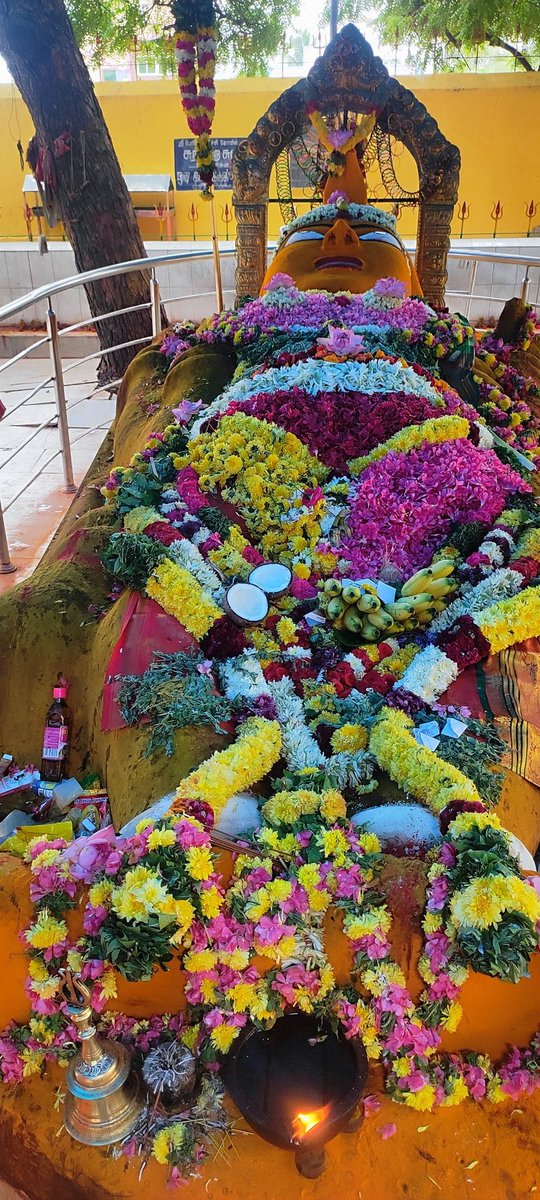
@adithya I also belong to that temple, it is our "kula deivam". In Tharamangalam, தேர் திருவிழா (cart festival) is also done by 3 communities (Sengunthar, Nadar & Vanniyar). Happy to see this sir, thanks for sharing 👍