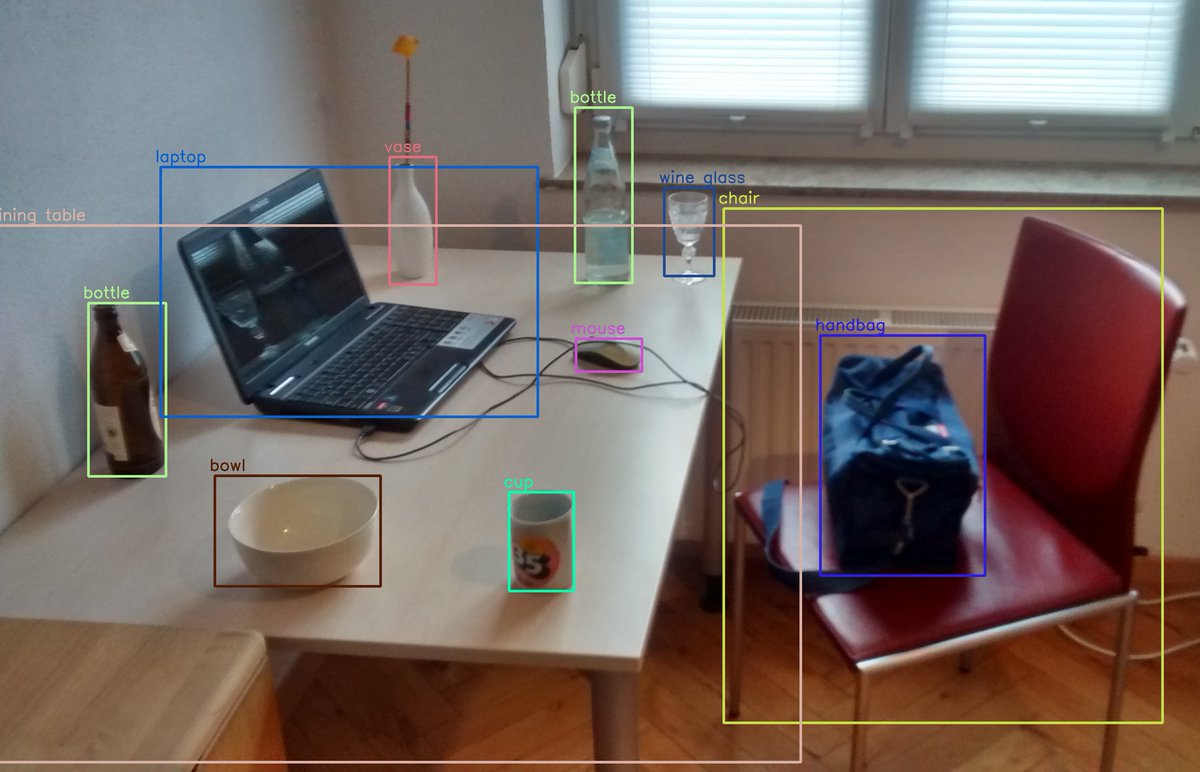
The final experiment we created for @EdSciFest lets you use machine learning to identify objects using your phone's camera. It includes a basic explanation of how machine learning works, and a smartphone-ready machine learning model: https://t.co/1OOSVoiC73
Optopus has some big news! We are teaming up with @CISMA_Colloquia to present some web-based Smartphone Science experiments for Edinburgh Science Festival (@EdSciFest)! Over the next few days we will be tweeting information about each of them
Have you ever recorded a video in slow-motion and noticed that it appears to be flickering? What you are seeing is the fluctuation of the AC mains power signal. This experiment uses your smartphone's slow-motion video capture to visualise this effect: https://t.co/AFUUKjKCmC
@EdSciFest is coming to an end, but there's still time to check out some of our #SmartphoneScience experiments. Check out this fun experiment, which uses a smartphone to record the motion of a cornstarch-based non-newtonian fluid! https://t.co/DaDYwlqX6G
In this experiment, we use a smartphone to see the infrared light signal generated by TV remotes. It's completely invisible to our eyes, but visible to camera phones they are sensitive to a wider range of wavelengths than our eyes. Try it yourself and impress your friends!
Have you ever wondered how TV remotes work? If you have 5 minutes to spare, you can find out using our next #smartphonescience experiment: https://t.co/ao5Ah5olcq