🧵The OHE project is the first online archive for collecting and sharing interviews about the history of economics. Our oral sources are open-access, via our website (https://t.co/cQNH1I1Uwc)
Find out all about our collections at the Oral Histories of Economics projects on our website---and check our Youtube channel for interviews' highlights ⬇️ https://t.co/eEqNsQ6QSS
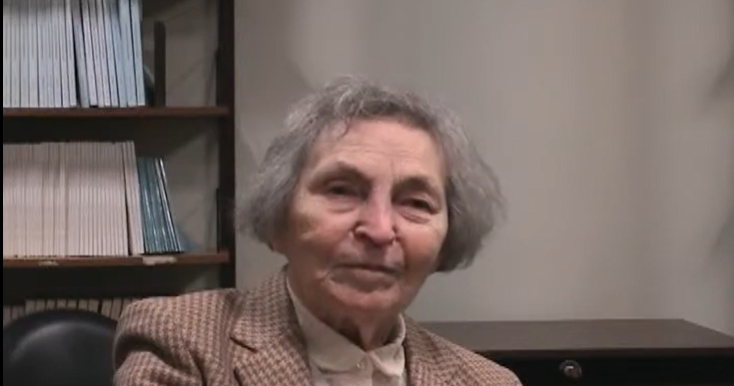
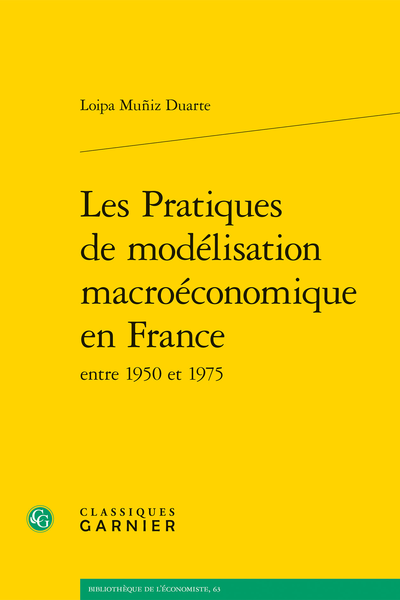
📣 New collection: Macroeconometric Modelling at the French Treasury. French economists involved with #planning and #forecast recollect how macroeconometric models entered the toolkit of public administrations in France, from the late 1960 on.
The interview is part of our collection "The Computerization of Economics", about software and software creation in economics ⬇️
https://t.co/Wra7SCmWwI
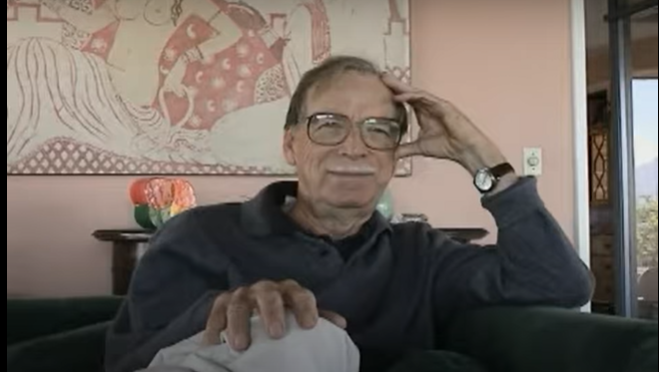
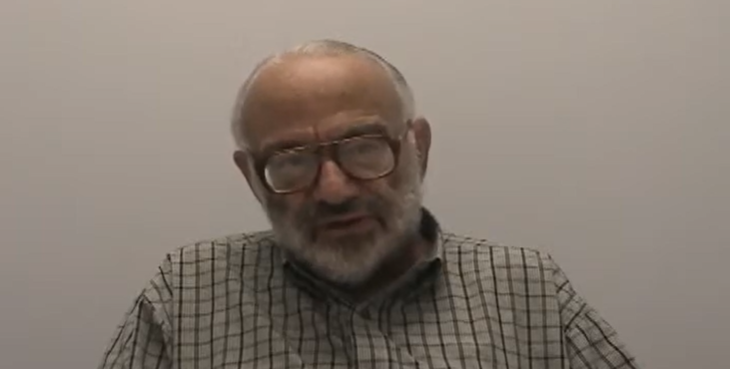
🎬New highlights: Joshua Epstein tells us about the the creation of #Sugarscape, one of the first #agentbasedmodels#ABM applied to social sciences ⬇️
https://t.co/BV5neGKkrO
The interview is part of our collection "The Computerization of Economics", about software and software creation in economics ⬇️
https://t.co/Wra7SCmWwI
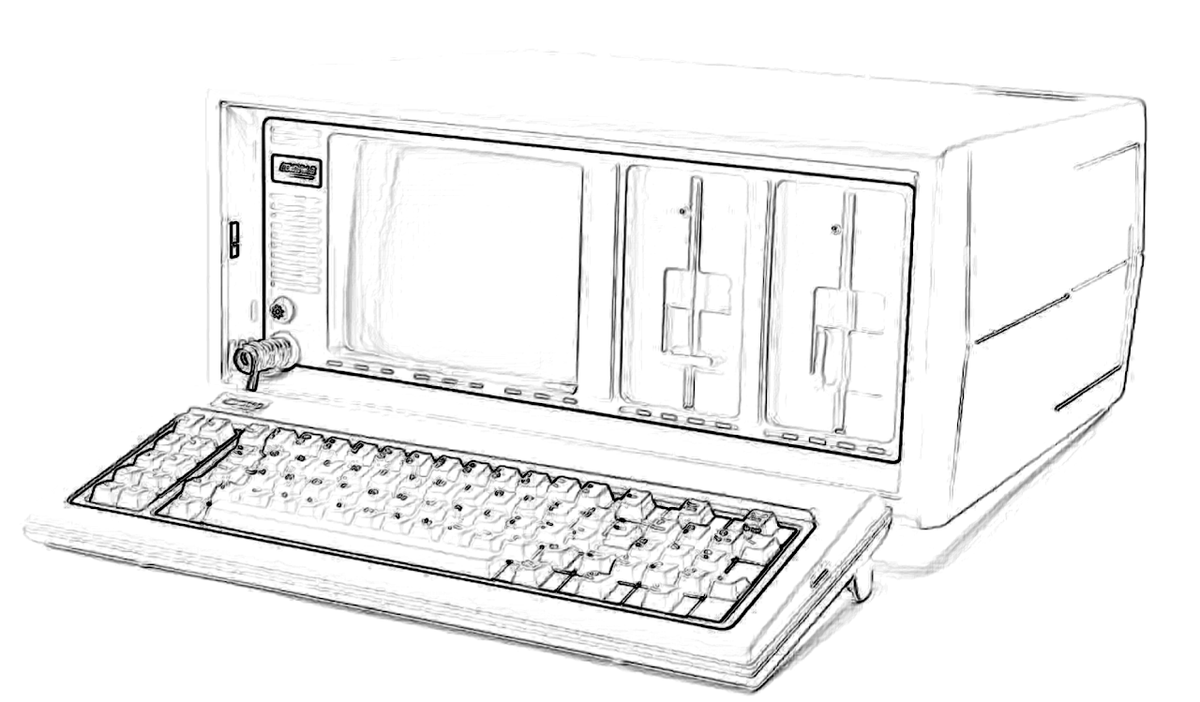
🎬Overheating projectors, replication packages, and Keynes's objections to #econometrics: David Hendry faced several challenges for the dissemination of his software #PcGets in the 1980s, and he told us everything about it ⬇️
https://t.co/03x1GDeFjv
🔗Besides our own collections, our website hosts a list of other oral histories resources:
#1 @nberpubs hosts a great collection of interviews conducted by Claudia Goldin, featuring Gary Becker, Anna Schwartz, Jacob Mincer, and Milton Friedman ⬇️
https://t.co/G12VaJgPUo
#2 The @BeckerFriedman and @UCBerkeleyLib created a collection of interviews with economists associated with the "Chicago School" of economics ⬇️
https://t.co/ydKrtergRA
The interview is part of our collection "The Computerization of Economics", about software and software creation in economics ⬇️
https://t.co/Wra7SCmWwI
🧵💻1/ What’s new in our collections? The OHE currently hosts two collections: the “Computerization of economics” and the “Trust in economics” collection. Let’s have a quick tour to the first collection about Computerization!
🎬 Creating software for #econometrics with the first PCs in the 1980s: David Hendry talks about his experience in creating #PcGets ⬇️
https://t.co/oH47pIuoPc
An additional resource to this interview is the "#Musem of #econometrics" created by Jurgen Doornik, in which you can replicate the operation of the original #PcGets on 1980s MS-DOS machines! ⬇️
https://t.co/haBlzL1QAZ
.@cescoeco and @jullien_dorian will be in Rome at the AISPE conference to present the Oral Histories of Economics Project: our collections, our future projects, and what we can do for you!
🧵💻1/ What’s new in our collections? The OHE currently hosts two collections: the “Computerization of economics” and the “Trust in economics” collection. Let’s have a quick tour to the first collection about Computerization!
🎬Have you ever wondered what #econometrics was like, before personal computers? Plugging in wires, coding for months, and printing out pages of 0s: Some recollections by David Hendry (@OxfordEconDept, @NuffieldCollege)
https://t.co/eXeckF2S8O
Episode 82 Out! This month we are joined by Laetitia Lenel (University of Duisburg-Essen) to discuss some of her recent work on the role of narratives in economics. Have a listen!
https://t.co/otxz5GCttJ
Urs Fischbacher is one of the most-cited authors in #experimentaleconomics as the creator of the #ZTree, the most-used software used for conducting #experiments. We talked with him about his personal trajectory and the success of #ZTree:
https://t.co/PSnyLy4RGA
4/ The collection Trust in Economics consists of interviews conducted in 2017 by @NCamilotto (@GREDEG_UMR) for his PhD dissertation on the history of the notion of trust in economics. Nicolas has been awarded the ESHET Gilles Dostaler Award for his work.
3/ The seminar investigated “what generates, maintains, substitutes, or collapses trusting relations”. Interviews were conducted with seminar speakers, with the aim of documenting both the organization and proceedings of the seminar, as well as its impact on participants.