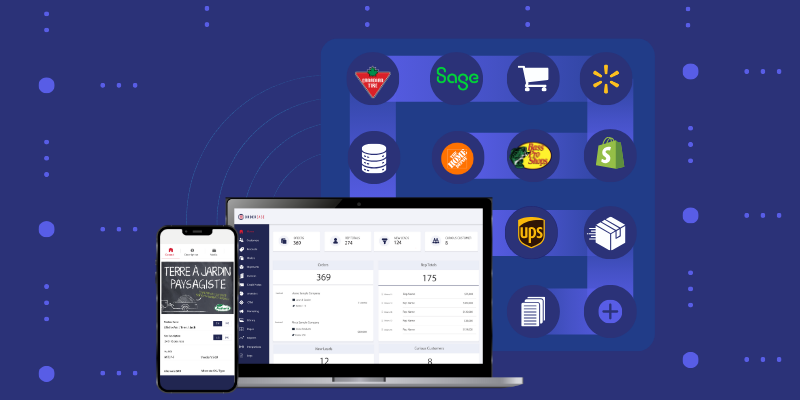
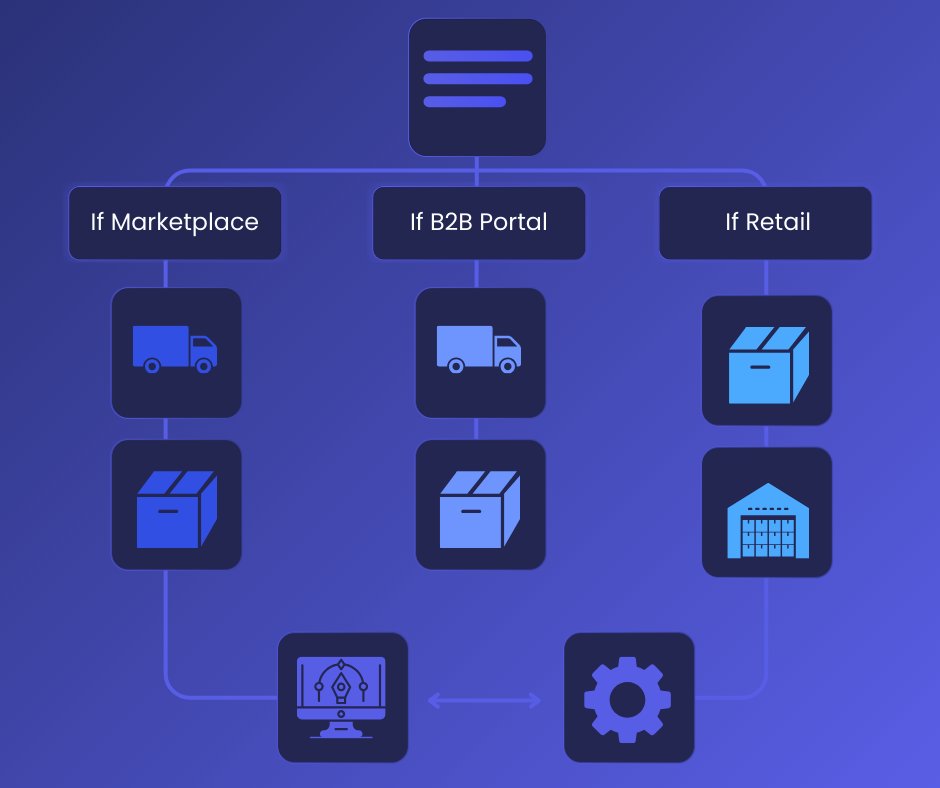
If retailer orders constantly require correction before entering Odoo, the problem isn’t your team...it’s the data. OrderEase ensures every EDI document is validated and mapped correctly before it hits your system.
https://t.co/lSWThtuRwO
#odoo#EDI
Think about how many channels you use, how often your orders change, and who needs to know when something breaks. The right setup should scale with your business, not slow it down.
https://t.co/U4G7eJe8DT
Expanding your Dynamics 365 ecommerce integration? As your order volume increases, your current setup may not hold up. Direct connectors, middleware, and orchestration layers all have tradeoffs.
Many Dynamics 365 and Shopify users ask about 'middleware.' What they want is more control, such as validation, exception routing, and monitoring, before anything is created in the ERP.
https://t.co/m3oPOSYeSO
They often happen when bad data gets passed through the system. To avoid this, validate orders, map SKUs, and set clear rules before they reach your ERP. A clear process from the start keeps your ERP clean and reliable.
Many Dynamics 365 and ecommerce integrations run into the same issues, such as SKU mismatches, pricing errors, inventory mismatches, and order exceptions. These issues are not technical bugs. https://t.co/GrIfkbeTnR
B2B wholesale eCommerce is framed as a digital upgrade where you’re supposed to launch an online portal and immediately scale sales. In practice, it’s far more complex.
https://t.co/z6ixhPvOsC
The biggest benefit of automating EDI in Odoo isn’t just speed. It’s accuracy. When you remove rework, exceptions, and manual entry, your entire operation runs smoother.
See how it works → https://t.co/8A81dl5JZn
Struggling with messy retailer EDI files that never line up in Sage? Our Sage EDI integration standardizes, validates, and maps every document before it ever touches your ERP.
https://t.co/jwwwLtQrPf
#EDISoftware#OrderOperations#Sage#ERP
Dynamics 365 + Shopify inventory sync is where trust breaks. Timing gaps + unclear source-of-truth rules = oversells, backorders, and support tickets.
A good integration defines availability rules, not just quantities. Full guide https://t.co/kpqPLoGiLi
Once ownership is clear, validate orders before they reach the ERP and choose whether you need a connector, middleware, or an orchestration layer. The right model depends on how complex your catalogue and workflows are.
When planning a Dynamics 365 ecommerce integration, don’t start with APIs. Start with data ownership. When planning a Dynamics 365 ecommerce integration, don’t start with APIs. Start with data ownership.
https://t.co/skjBlm0wvz
To protect your system of record in Dynamics 365 EDI integration, control when orders enter the ERP. Using status-based entry and clear rules helps prevent partial or non-compliant orders from causing issues.
https://t.co/hBRdDeEWhQ