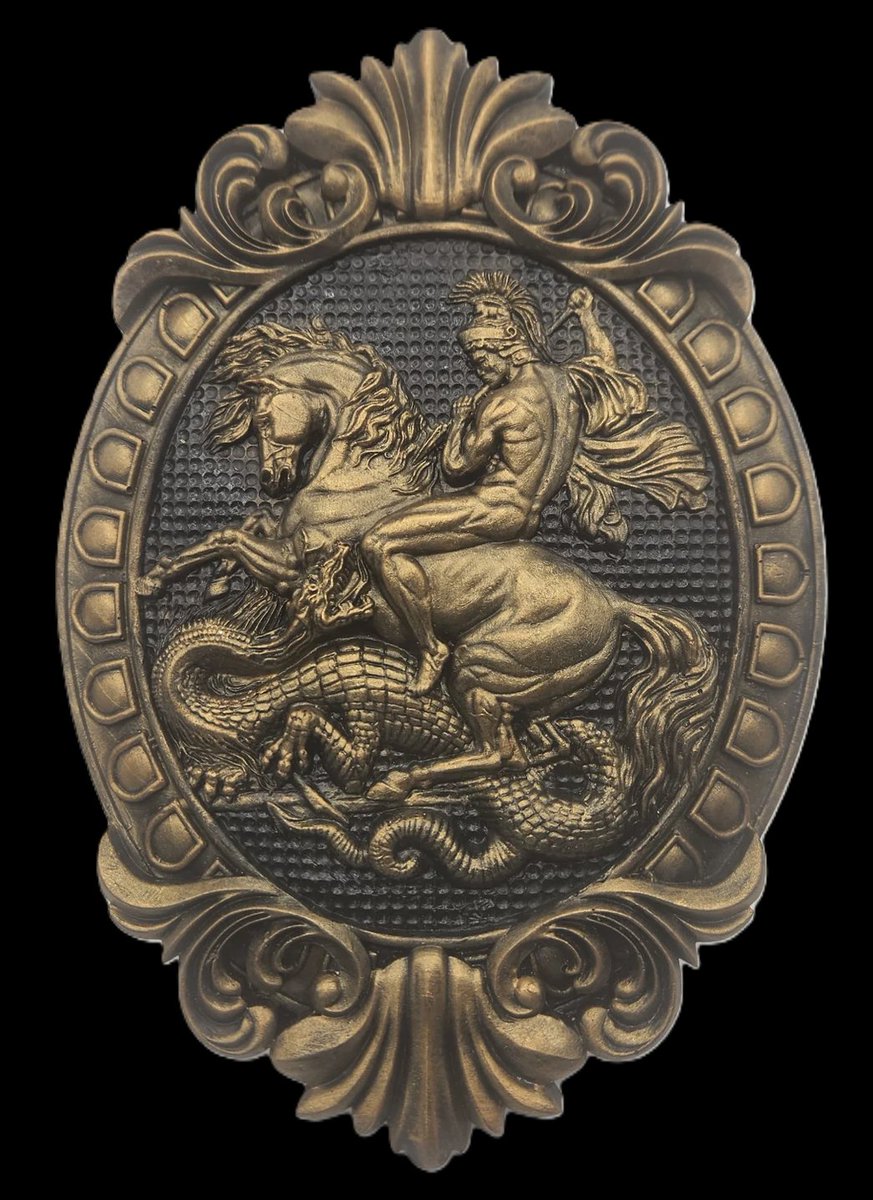
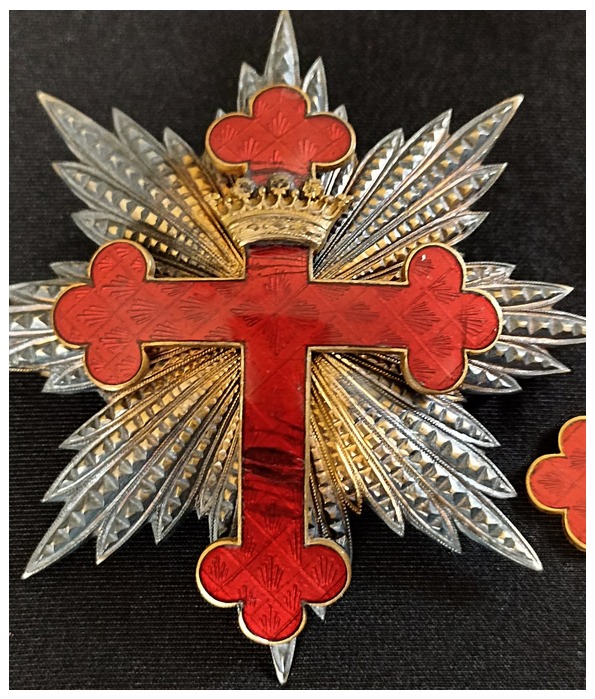
The Order of Saint George In Carinthia, the Order was established by Emperor designate Rudolph I of Habsburg (1273-1291) in 1273. It was re-established on Christmas night in Rome in the year 1468 by Holy Roman Emperor Frederick III. https://t.co/gakAk0SeAY
Father of Europe - Emperor Charlemagne - Charles the Great - Karl der Große - Carlo Magno (2 April 748 – 28 January 814) was King of the Franks from 768, King of the Lombards from 774, and Emperor of what is now known as the Carolingian Empire from 800. He united most of Western and Central Europe, and was the first recognised Emperor to rule from the west after the fall of the Western Roman Empire approximately three centuries earlier. Charlemagne's reign was marked by political and social changes that had lasting influence on Europe throughout the Middle Ages.
https://t.co/pAB77lfVg5
https://t.co/G2bBVBgsIo
The Bust of Charlemagne (German: Karlsbüste) is a reliquary from around 1350 which contains the top part of Charlemagne's skull. The reliquary is part of the treasure kept in the Aachen Cathedral Treasury. Made in the Mosan region (the valley of the River Meuse), long a centre of high-quality metalwork, the bust is a masterpiece both of late Gothic metalwork and of figural sculpture. The Bust of Charlemagne, is a masterpiece of Mosan goldwork, initiated a height of silver-gilt naturalistic reliquary busts.
Father of Europe - Emperor Charlemagne - Charles the Great - Karl der Große - Carlo Magno (2 April 748 – 28 January 814) was King of the Franks from 768, King of the Lombards from 774, and Emperor of what is now known as the Carolingian Empire from 800. He united most of Western and Central Europe, and was the first recognised Emperor to rule from the west after the fall of the Western Roman Empire approximately three centuries earlier. Charlemagne's reign was marked by political and social changes that had lasting influence on Europe throughout the Middle Ages.
https://t.co/pAB77lfVg5
https://t.co/G2bBVBgsIo
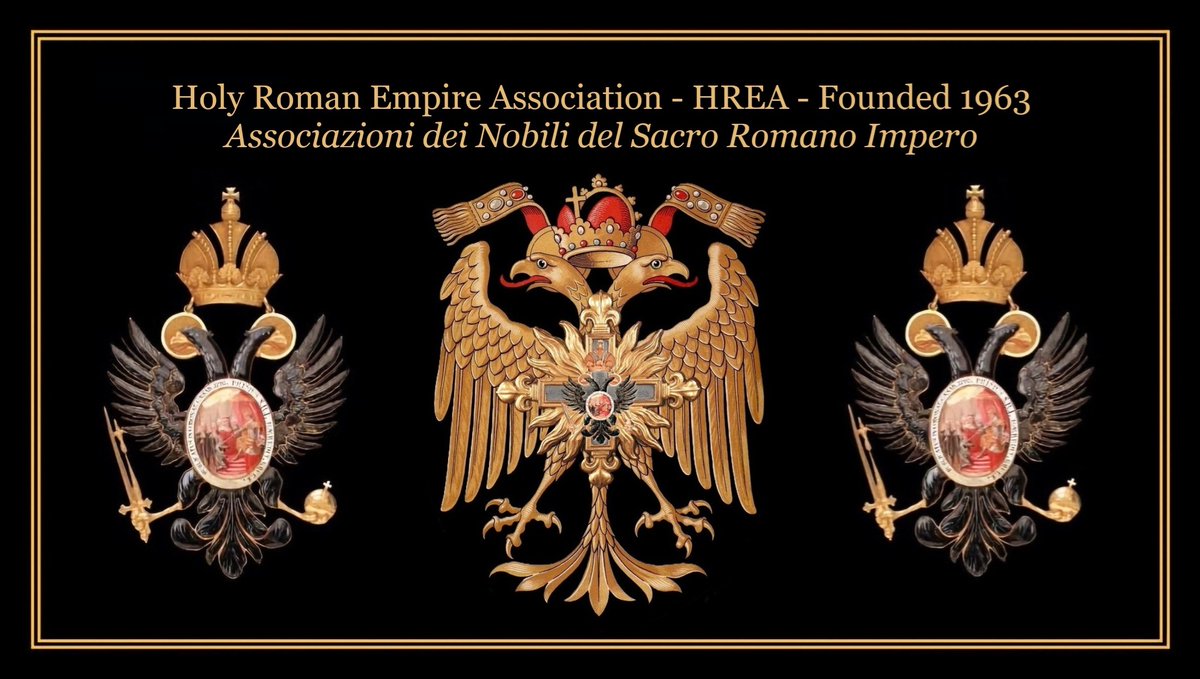
Holy Roman Empire Association - HREA, which was first established in 1963 to unite all living descendants of the individuals invested with Titles of Nobility of the Holy Roman Empire by Imperial Letters Patent of the Holy Roman Emperor.
https://t.co/PnN3ffJkqh
L'Associazione del Sacro Romano Impero (HREA), fondata nel 1963, ha lo scopo di riunire tutti i discendenti viventi degli individui insigniti di titoli nobiliari del Sacro Romano Impero tramite lettere patenti imperiali dell'Imperatore.
https://t.co/8exnsCnsjn
Millstatt Abbey is a former monastery in Millstatt, Austria. Established by Benedictine monks about 1070, The Benedictines were succeeded by the knightly Order of Saint George in 1469 and the Society of Jesus (Jesuits, SJ) in 1598. https://t.co/gakAk0RGLq
Millstatt Abbey is a former monastery in Millstatt, Austria. Established by Benedictine monks about 1070, The Benedictines were succeeded by the knightly Order of Saint George in 1469 and the Society of Jesus (Jesuits, SJ) in 1598. https://t.co/gakAk0RGLq
The Order of Saint George In Carinthia, the Order was established by Emperor designate Rudolph I of Habsburg (1273-1291) in 1273. It was re-established on Christmas night in Rome in the year 1468 by Holy Roman Emperor Frederick III. https://t.co/gakAk0SeAY
Welcome to the Official Account of the Holy Roman Empire Association - Associazioni dei Nobili del Sacro Romano Impero - HREA is an Organization that was established in 1963 with the aim of uniting descendants in the male and female line of individuals who were granted Noble Titles by the Holy Roman Empire through Imperial Letters Patent.
Foundation of the HREA: Founded on Christmas Day in Rome in 1963, the HREA seeks to connect living descendants of noble families from the Holy Roman Empire. The association was initiated by Prince Giovanni Alliata di Montereale and Count Giancarlo Bonifazi di Statte.
Purpose and Activities: The HREA serves as the supreme governing authority over the titles of nobility of the Holy Roman Empire, managing an official list of those who have the right to bear and enjoy these titles and armorial bearings. It also engages in cultural and historical preservation activities, including organizing events related to art and history. The association has reinstated historical institutions like the Aulic Council (Consilium Aulicum - Reichshofrat) and the Imperial Chamber Court (Reichskammergericht - Iudicium imperii) to maintain the tradition and legal aspects of the Holy Roman Empire.
Membership and Recognition: Membership is typically for those with a direct lineage to nobility titles, although honorary members also exist. The Association is recognized for its role in preserving the heritage of the Holy Roman Empire and its Nobility, with members including all the Princes, Dukes, Marquises, Counts, Barons and Nobles of the Holy Roman Empire from different Nobles families across Europe.
Geographical Presence: While it has a strong presence in Italy due to its founding in Rome, the Headquarters of the HREA is in the UK with additional Offices in Italy and Monaco.
Cultural Impact: The HREA contributes to cultural history by maintaining records, hosting events, and actively participating in discussions about the Holy Roman Empire's legacy, where it shares historical artifacts and regalia connected to the Empire. The HREA, therefore, plays a crucial role in the preservation of the historical, cultural, and legal aspects of the nobility associated with the Holy Roman Empire, connecting past traditions with contemporary society.
Email:
[email protected][email protected]
Websites:
https://t.co/PxN0c0VUAZ
Copyright Held - 1963-2025 - All Rights Reserved Protected by U.S. and International Copyright Laws.
The Imperial Crown of the Holy Roman Empire (German: Reichskrone), a hoop crown (Bügelkrone) with a characteristic octagonal shape, was the Coronation Crown of the Holy Roman Emperor, probably from the late 10th century until 1806. The Crown was used in the Coronation of the King of the Romans, the title assumed by the Emperor-Elect immediately after his Election. It is now kept in the Imperial Treasury (Kaiserliche Schatzkammer) at the Hofburg in Vienna, Austria. https://t.co/3KU7Yyyp8n