Our gift shop will be closed on Tuesday, September 12, for inventory. If you hope to grab some goodies for the folks back home, please plan accordingly!
The visitor center will still be open, so come say hi!
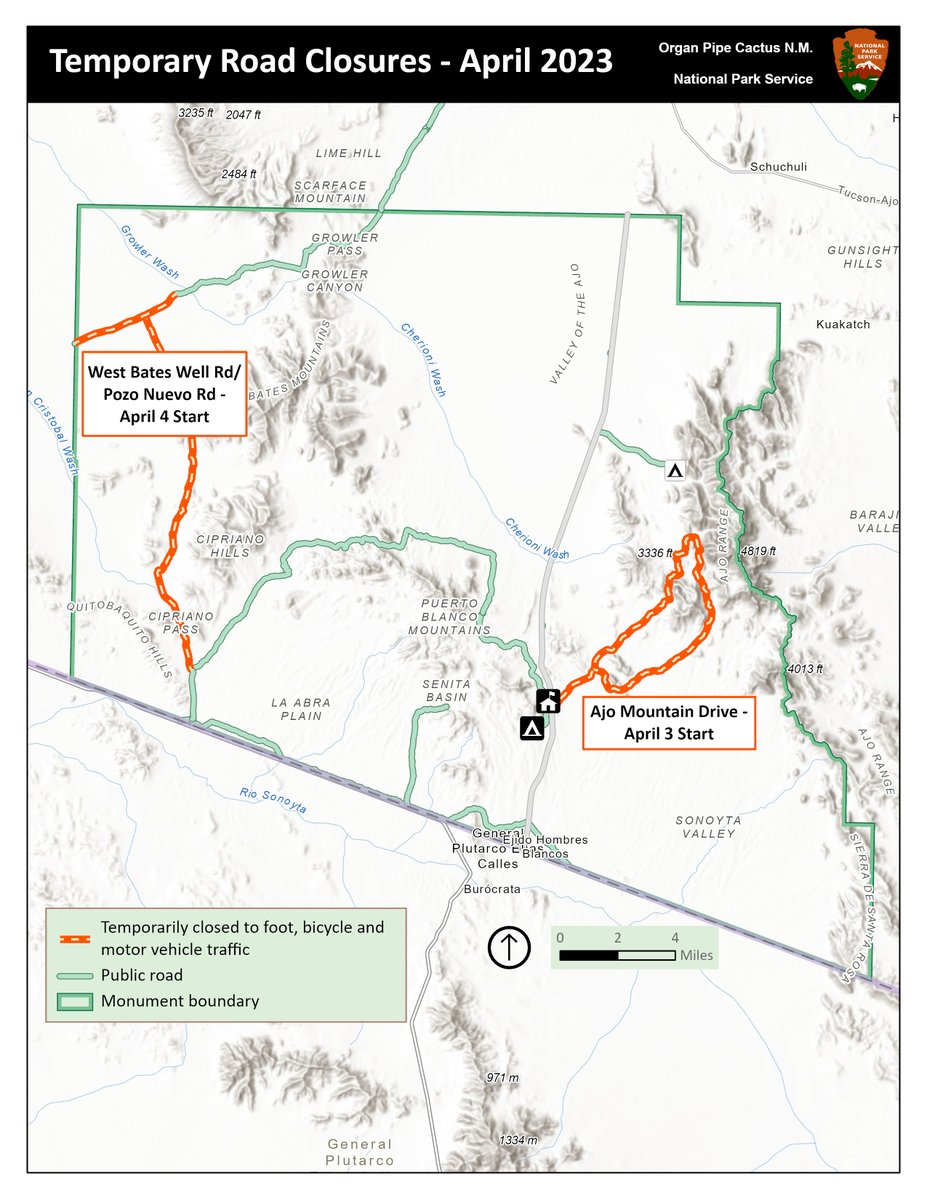
Pozo Nuevo Road repairs are complete, and the road is now re-open to public use. Bates Well Road closed on April 4, 2023 to allow for heavy equipment usage to repair the roadbed. Work on Bates was completed August 1, 2023.
Bates Well Road will close April 4, 2023 from the intersection of Growler Wash to the boundary of the Cabeza Prieta National Wildlife Refuge, and Pozo Nuevo Road at the intersection of North Puerto Blanco Drive.
For the full press release, visit https://t.co/OUjtw6BEuZ
Alert:
Ajo Mountain Drive will close on April 3, 2023 through the end of the month to finish a road improvement project that began September 2022. For the full news release, visit https://t.co/74wtoPSsvK
Alert: There is a water outage throughout Organ Pipe Cactus. There is no potable water until further notice. Bring all the water you'll need for your visit, including drinking water. Porta-potties are supplied at Twin Peaks Campground and at the Kris Eggle Visitor Center.
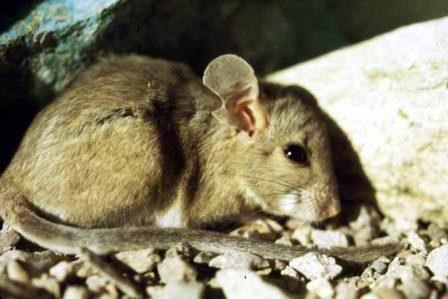
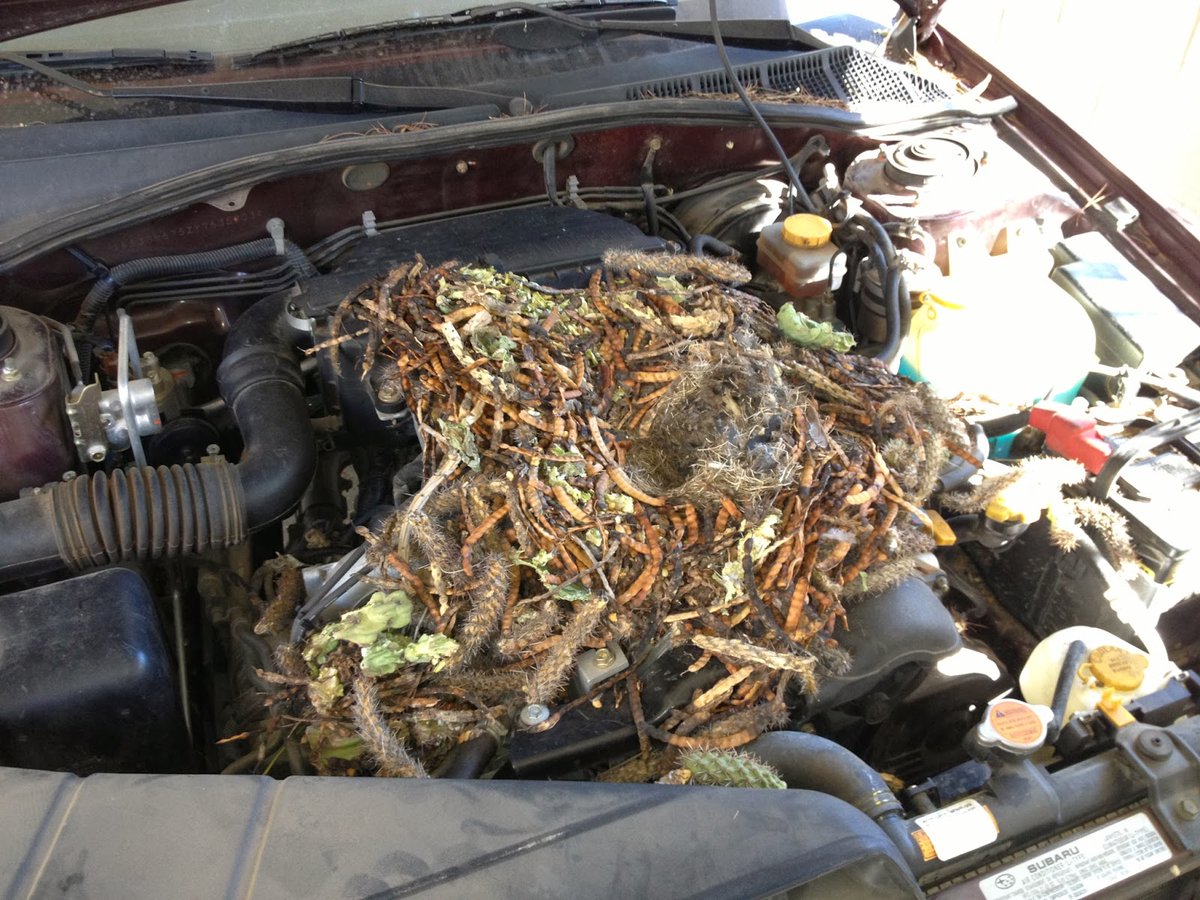
Alert: packrat activity is picking up in the monument, and they may want to lay down under your car's hood!
To deter these cute yet troublesome critters, pop your hood when not using your car and inspect it regularly for activity or damage.
Biological soil crust, or cryptobiotic soil, is a dense network of organisms like algae, fungus, lichens, and mosses that form a dense mat on the desert floor. Together they hold the sand together, allowing for roots to better stay in the sandy soils.
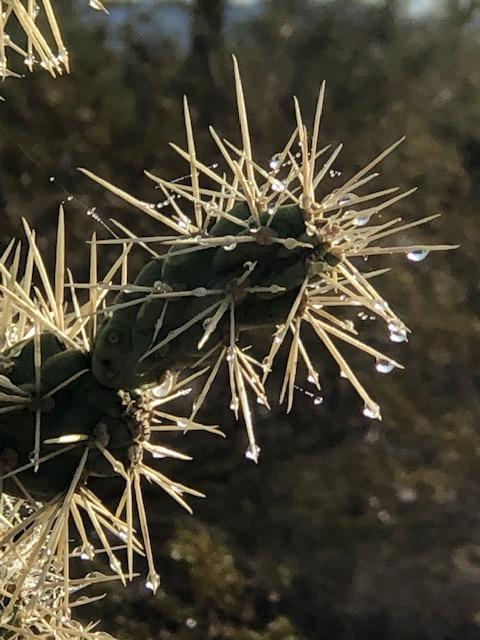
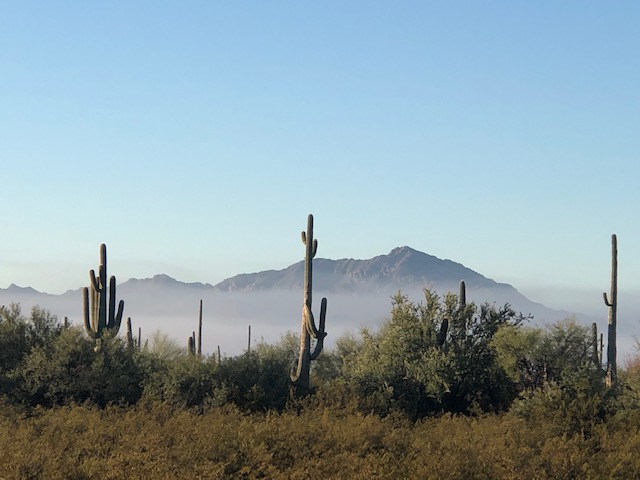
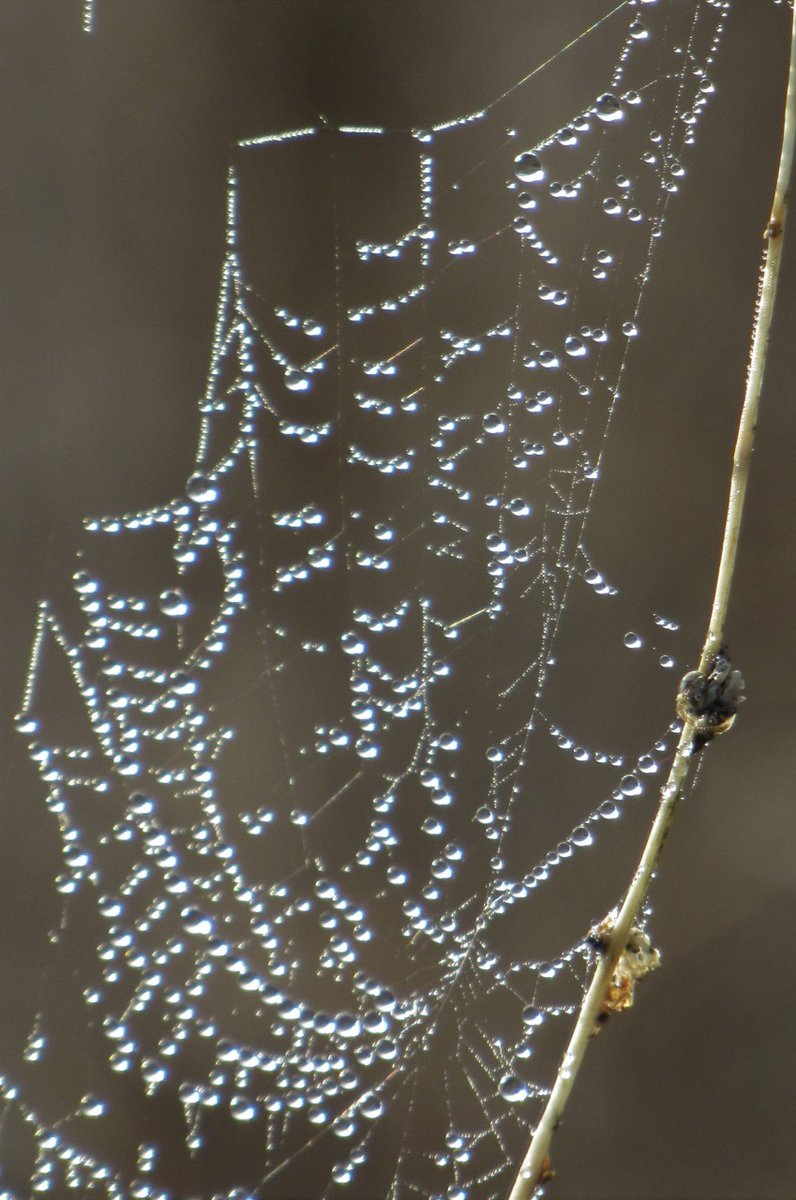
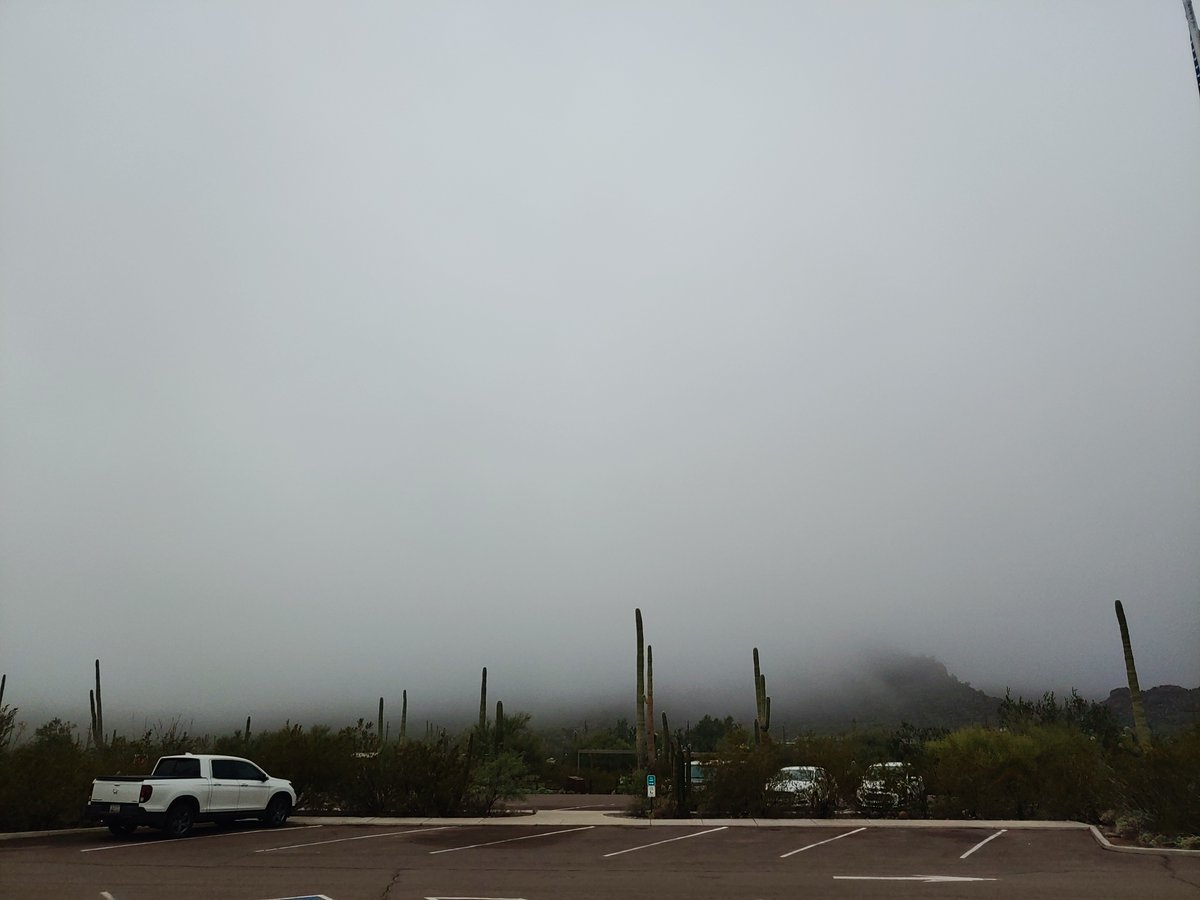
Our nights and early mornings have been damp in the monument! All of this moisture is welcome here in our desert environment and bodes well for this year’s wildflower season! This is the Sonoran Desert’s "5th season” – spring, dry summer, monsoon summer, fall and winter.
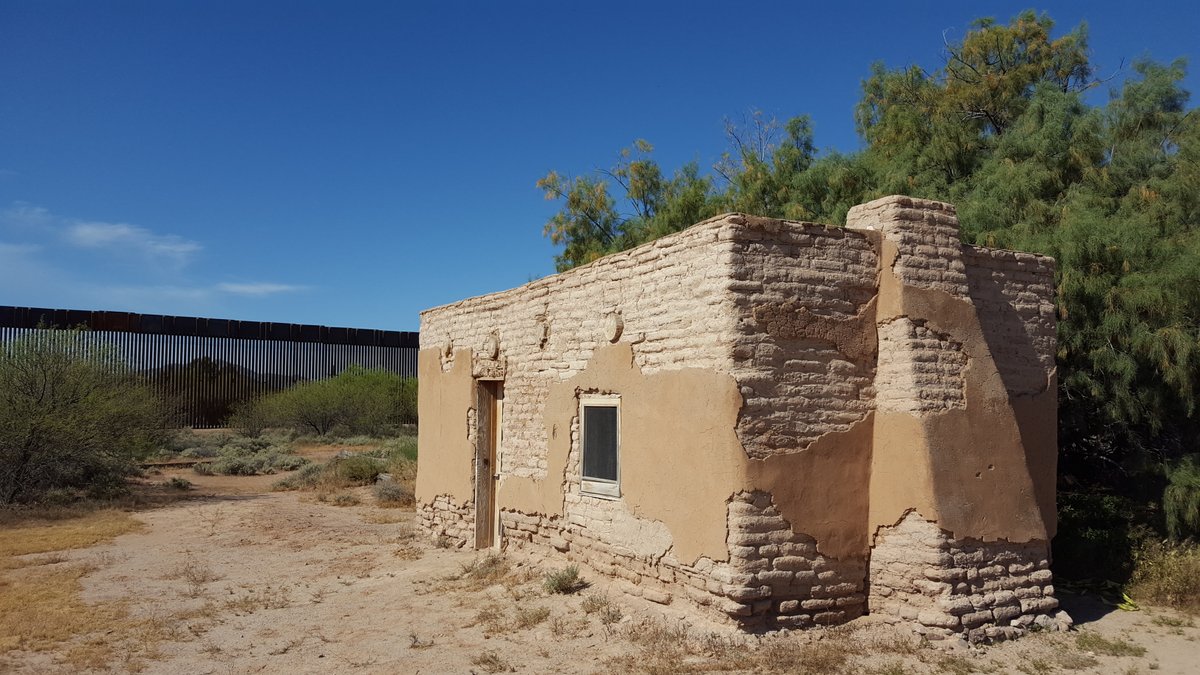
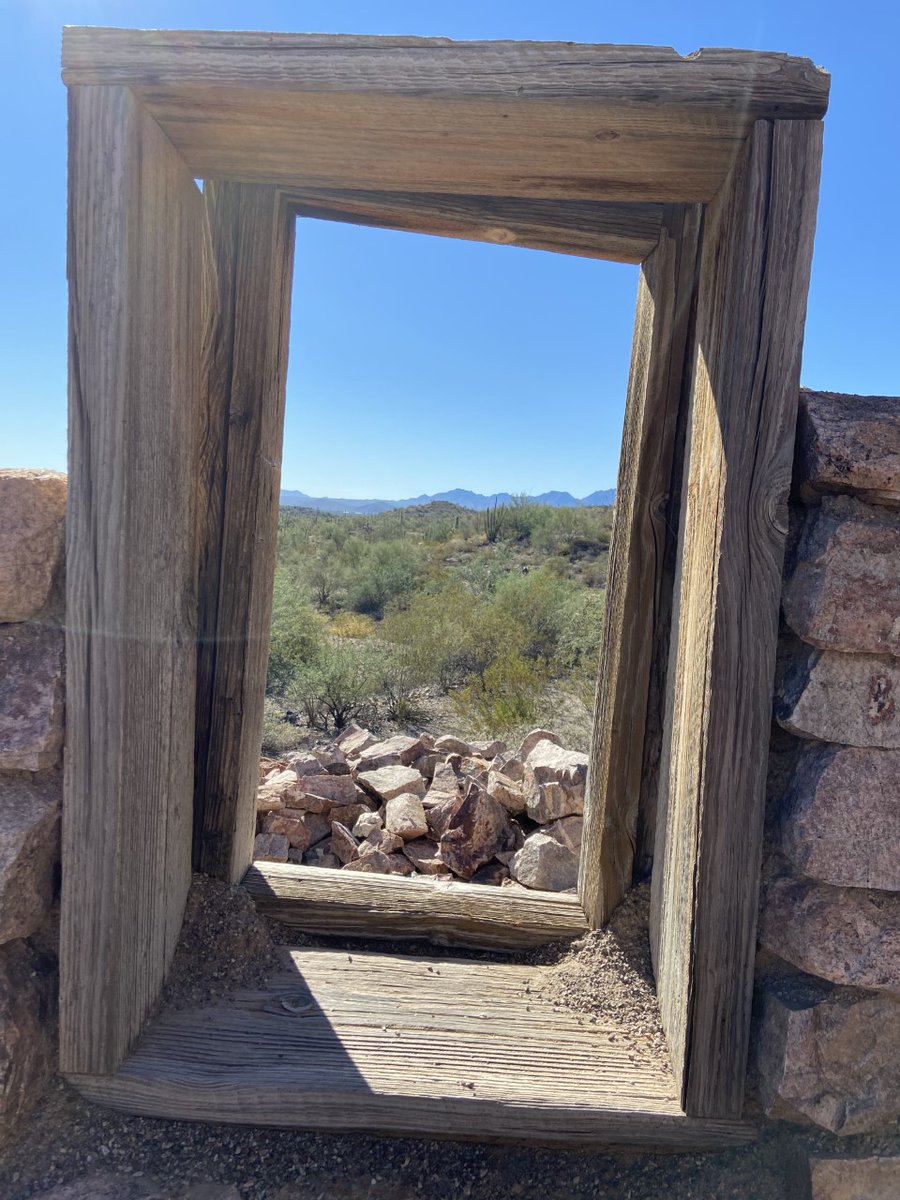
The Gadsden Purchase, signed in 1853, was the last land acquisition of the contiguous United States. Visitors to Gachado Line Camp can take in the soundscape of nearby Sonoyta while viewing an adobe building that housed ranch hands of the Gray Family.
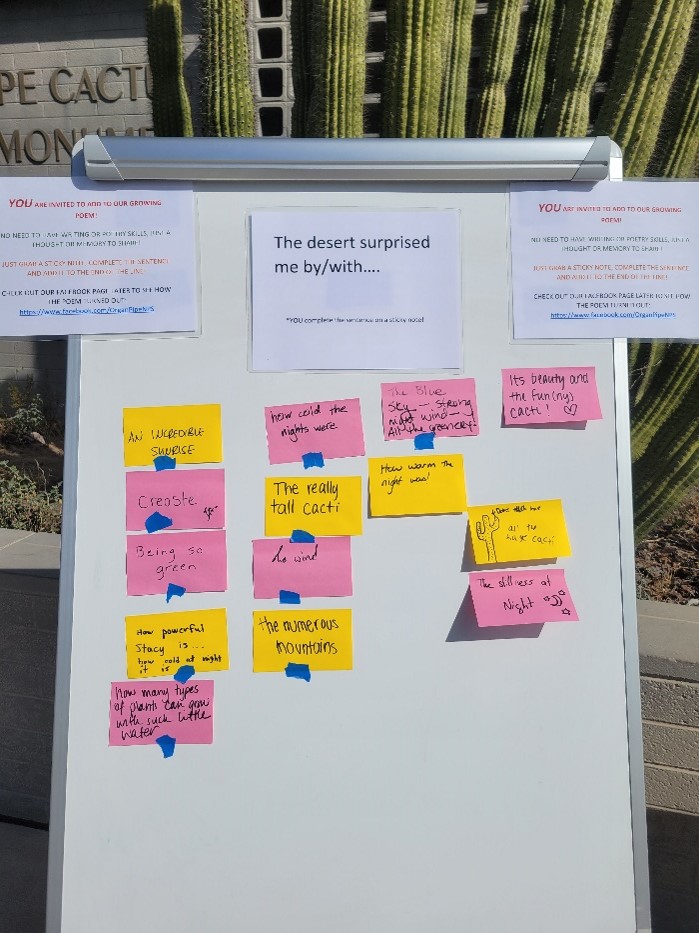
This winter, we are inviting visitors to share their thoughts about the world around them by responding to question prompts and then sharing their responses! Below is today's question:
"The desert surprised me with/by…."
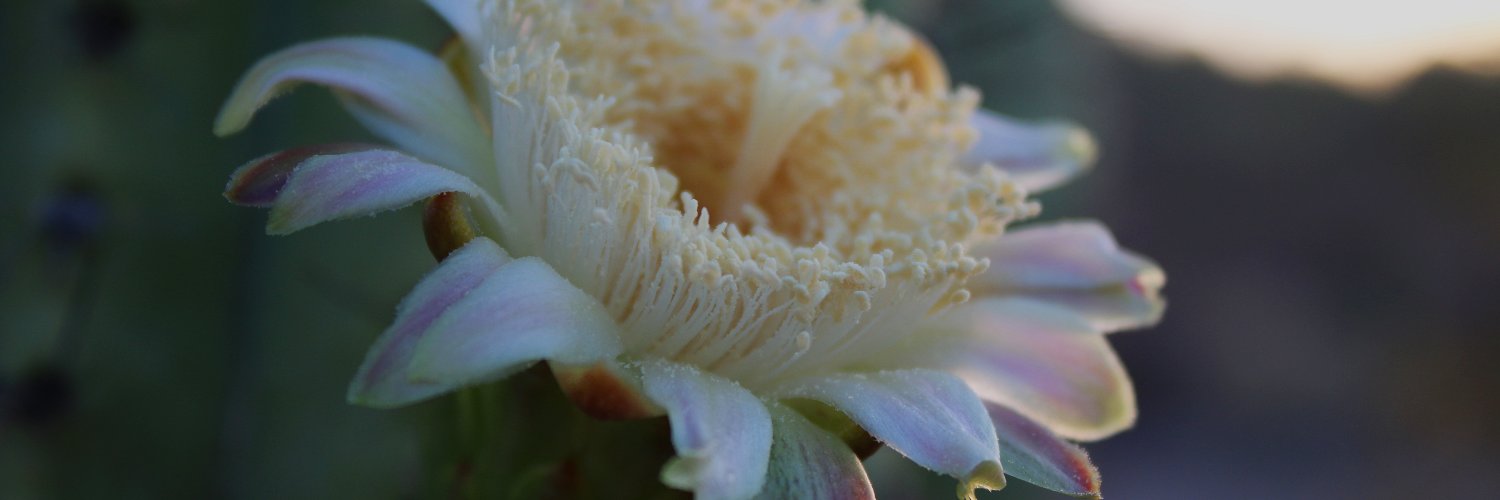
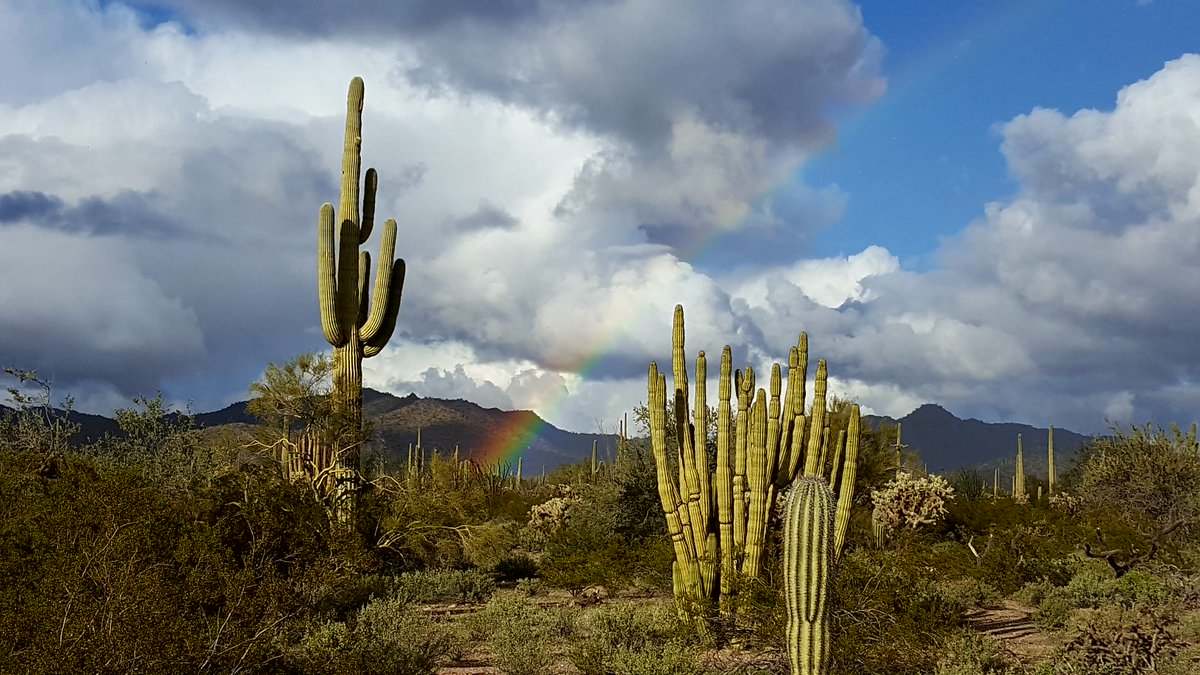
The Sonoran Desert is the wettest desert in the United States. We can attribute this to our biannual rain during the summer monsoon season and the soaking winter rains. This extra rainfall allows the cactus at Organ Pipe National Monument to grow large and strong!
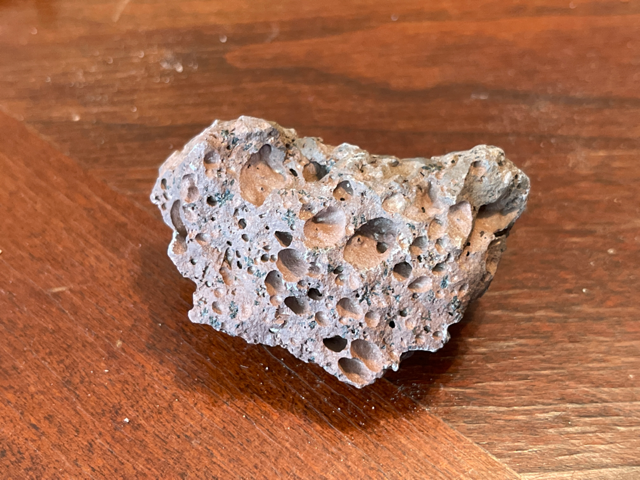
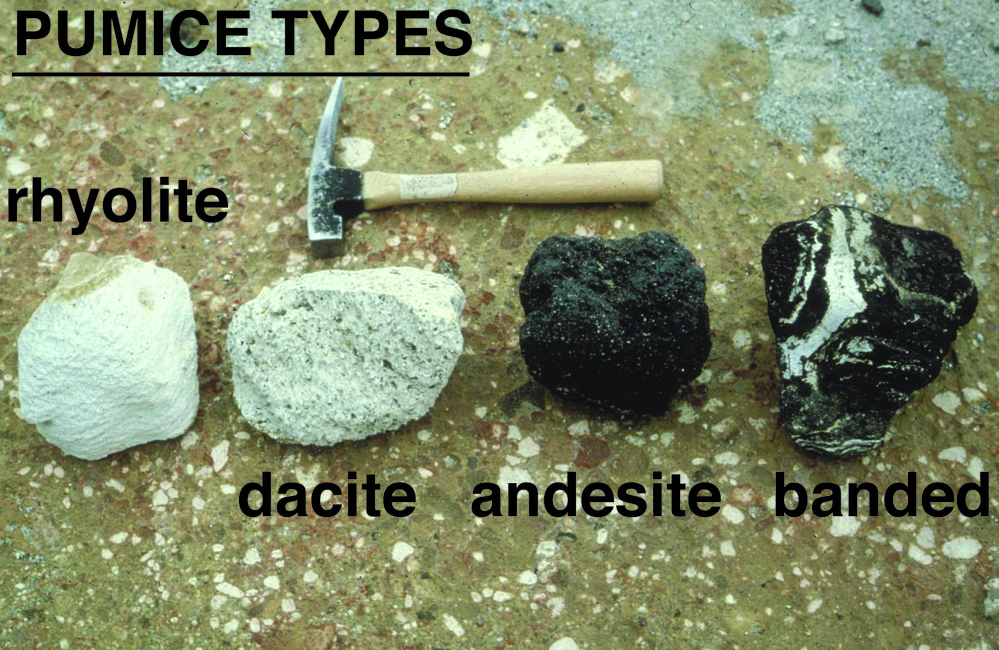
Pumice is a lightweight, light-colored rock found throughout the world. This rock is created when a volcano violently erupts and extremely hot, highly pressurized rock is expelled. This rock quickly cools, releasing the gases inside, creating a porous texture in the rock.
These bighorn sheep were caught traversing across the landscape on the monument's wildlife cameras around the Bull Pasture area! It's always a pleasant surprise to see these fantastic animals in the wild - let alone so many all in one place! Can you count how many there are?
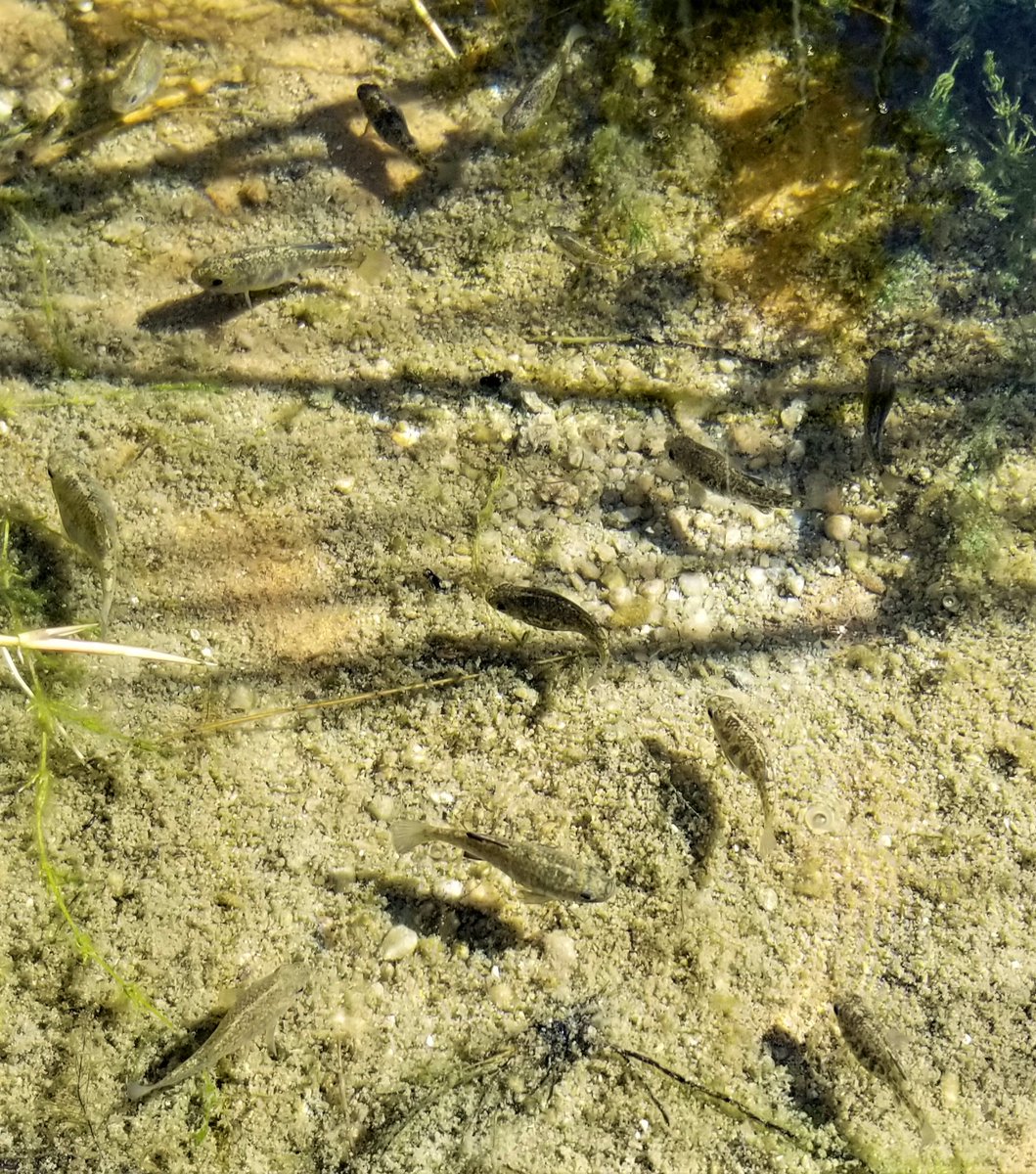
Desert pupfish are now found only in isolated springs and pools of warm, salty water. Quitobaquito desert pupfish are genetically distinct, descended from their isolated surviving ancestors in Quitobaquito Springs at Organ Pipe Cactus National Monument.
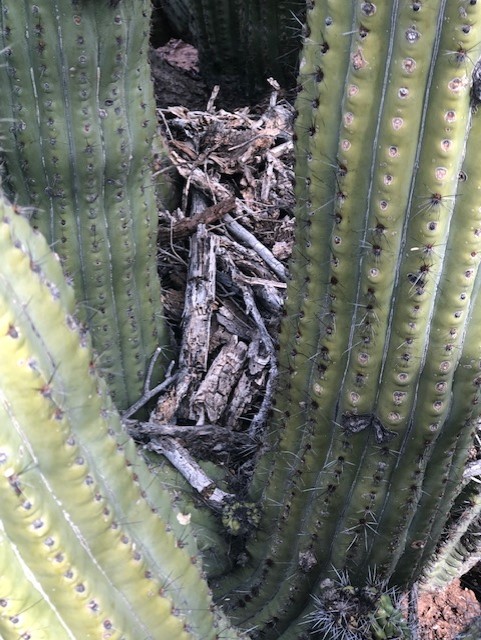
Get busy! January 14 is "Organize Your Home Day!" If you happen to be a packrat (also known as the White-Throated Wood Rat), it might better be called "Organ-ize Your Home Day."
Quitobaquito looks a lot different lately - that's because it's in the middle of a restoration. The National Park Service replaced the cracking clay liner in the pond and as of now, the plant restorations haven’t started yet. Soon enough though, the lush vegetation will return!
Six inches of water is enough to reach the bottom of most passenger vehicles, and one can quickly lose control of the car as it gets swept away by the current. Waiting out a flash flood in the desert is often a wise decision that will save both your car and possibly your life!
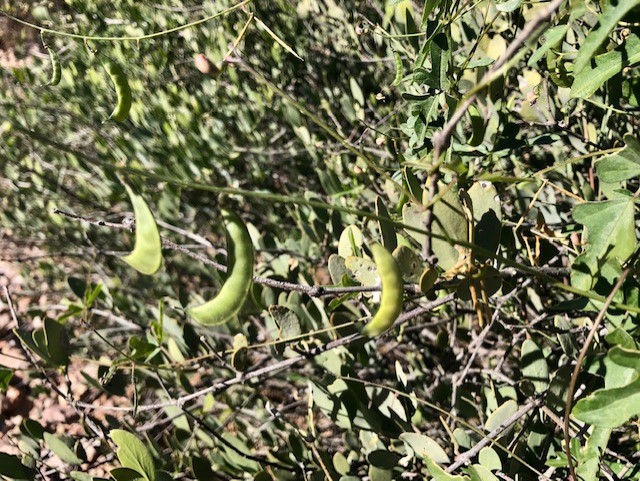
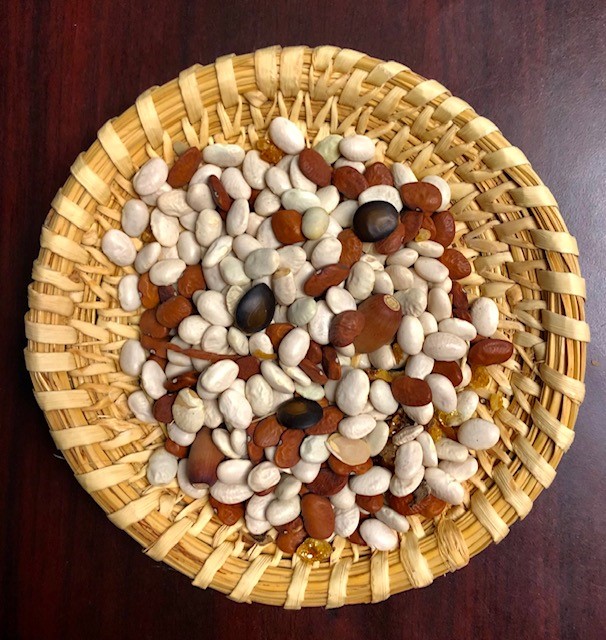
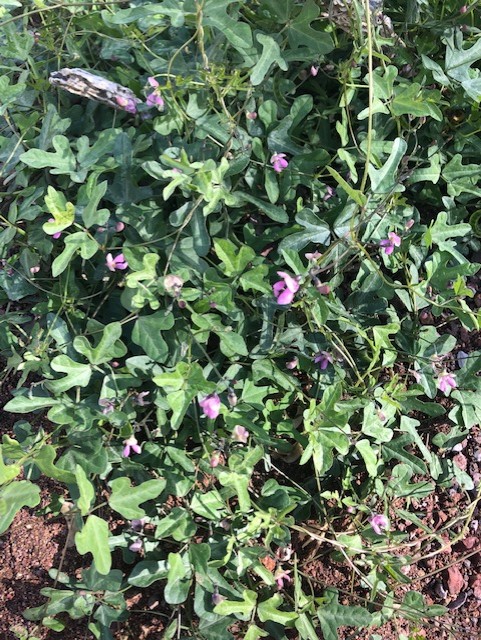
January 6 is National Bean Day! The tepary bean was introduced to Anglo farmers by the Tohono O’odham people. This bean matures quickly and is tolerant of the low desert climate and alkaline soil. Tepary beans may be naturally found at Organ Pipe Cactus!
With the new year, people like to start new hobbies; a common one is getting outdoors and taking a New Year’s hike. Organ Pipe Cactus has over 20 miles of trails to explore! Whether you like plants, animals, geology, or a bit of everything, there’s something for everybody!
Happy New Year Everyone!
While Sonoran Desert plants wait for the summer monsoons, gentle winter rains provide an extra boost of moisture to help them get through the year. This cycle of alternating seasons of rainfall makes the Sonoran Desert unique among American deserts.