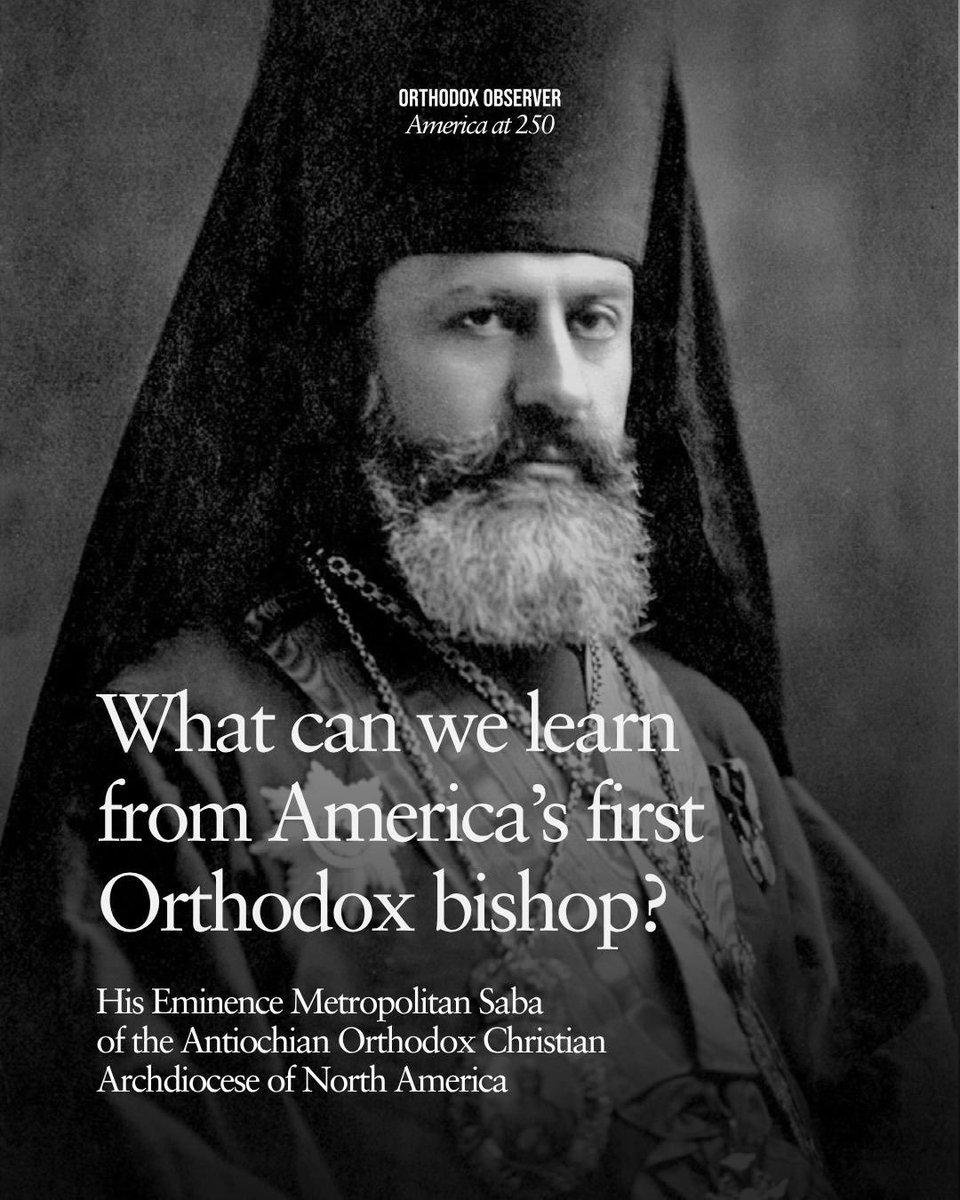
“Prior to arriving in the United States, St. Raphael lived in several centers of Orthodoxy, from his native Damascus, to Constantinople and the island of Halki where he studied, and to Kiev and Moscow,” writes His Eminence Metropolitan Saba of the Antiochian Orthodox Christian Archdiocese of North America.
“It is in this way that, through his extensive travels and his acquisition of multiple languages in both colloquial and liturgical contexts, St. Raphael, by God’s providence, was well-prepared to undertake his mission in this new land: to help establish parishes for newly-arrived Orthodox immigrants of various ethnic backgrounds.”
Read more at the link in our bio.
“Pope Leo’s Magnifica Humanitas (MH) recalls Catholic social teaching while reminding Christians everywhere that the dignity of humanity is God-given,” Orthodox Northeastern University Professor Dr. Sarah Riccardi-Swartz writes.
“Focusing on communal care for each other, MH highlights repeatedly that all people have a responsibility for mutual care, which must not be constrained or removed due to technological development.”
As we approach the celebration of the 250th Anniversary of the founding of the United States of America, we are called to both honor the revolutionary legacy of our forefathers and reaffirm our commitment to seek an ever more perfect union in our nation.
In this spirit, you are invited to attend this year’s Juneteenth Ecumenical Prayer Service which will take place on Friday, June 19th at 11am at Saint Nicholas Greek Orthodox Church and National Shrine located at 130 Liberty Street New York, NY.
Photo by Orthodox Observer/Brittainy Newman.
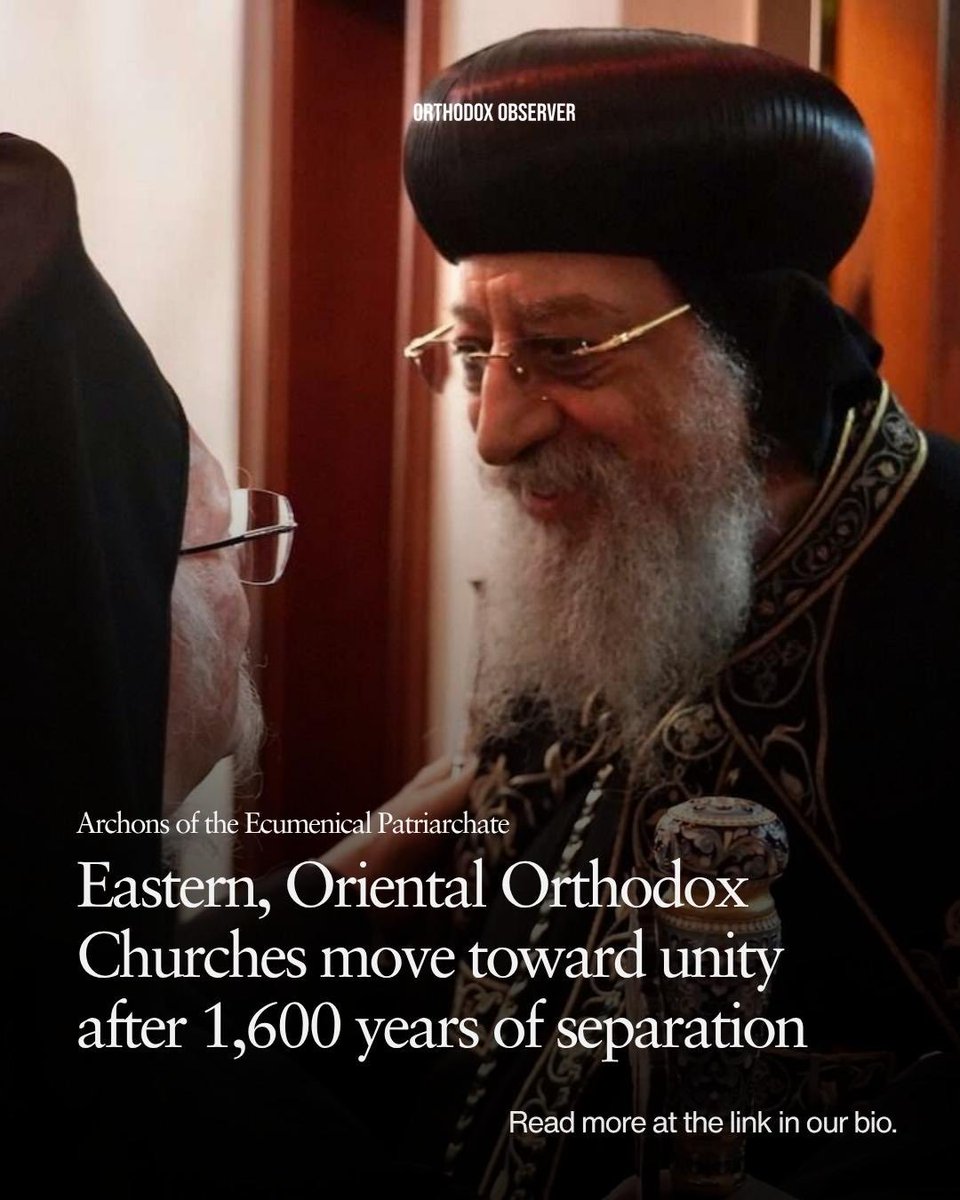
Eastern Orthodox and Oriental Orthodox leaders took a major step toward healing a 1,600‑year division when Ecumenical Patriarch Bartholomew welcomed Pope Tawadros II of the Coptic Orthodox Church to the Phanar for a celebration of the Divine Liturgy on the Sunday of the Myrrh-Bearing Women at the Patriarchal Church of Saint George. Both hierarchs called for renewed commitment to unity between their traditions.
Photo by Orthodox Observer/Nikos Papachristou
“The encyclical argues that AI is not morally neutral — that it must be examined in light of how it is designed as well as how it is used,” Dr. Gayle Woloschak writes in the Observer. “That it requires regulation through transnational, diplomatic dialogue of the kind the international community has developed for nuclear, biological, and other dangerous technologies”
Read the full article at the link in our bio. Photo by Orthodox Observer/Brittainy Newman.
The Saint Anastasia Fellowship (SAF) has partnered with FOCUS North America to launch a spiritual support initiative for individuals and families affected by substance use and behavioral addictions.
“Healing is difficult; we can only start with prayer,” said Fr. Anastasios, the service’s officiating clergyman. “May Saint Anastasia intercede for all of us.”
Read more at the link in the comments below. Photo courtesy of Saint Anastasia Fellowship.
With its 243 paragraphs and more than 200 references, “Magnifica Humanitas – on safeguarding the human person in the time of artificial intelligence,” the first encyclical of His Holiness Pope Leo XIV, will undoubtedly stand as a milestone in the development of Roman Catholic social doctrine. In retrospect, one better understands Cardinal Robert Prevost’s choice of the name “Leo” a little over a year ago: it signals a clear intention to situate his pontificate within a tradition of continuity, particularly in the Church’s mission to serve the most vulnerable in society, as did Pope Leo XIII.
Read more at the link in our bio.
In a statement from His Eminence Archbishop Elpidophoros of America on social media:
“On this great Feast of Pentecost, I give thanks to God for the blessing of completing a pilgrimage with the graduating seniors of our beloved Holy Cross Greek Orthodox School of Theology, a journey that began at the Sacred Center of Orthodoxy, our Mother Church of Constantinople, with the paternal blessing of His All-Holiness Ecumenical Patriarch Bartholomew, and continued to the Holy Mountain of Athos and the historic city of Thessaloniki.
Spending these days together with our students has been a profound joy and source of hope. To witness their faith, devotion, and commitment to the ministry that lies before them is a clear indication that the future of our Sacred Archdiocese is bright. Through their encounter with the spiritual heritage of the Ecumenical Patriarchate and the living tradition of Orthodoxy, they have been strengthened and inspired as they prepare to take the next steps in service to the people of God.
As we celebrate the descent of the Holy Spirit upon the Apostles, I pray that the same Spirit may enlighten and strengthen them, guiding them in faithful service to Christ and His Holy Church, always in devotion to the Mother Church and her sacred mission in the world.
In preparing to return to the United States, I give glory to almighty God for my good health and offer my blessing and encouragement to our students, who will remain in Greece for several more weeks of study.”
On May 15, Pope Leo XIV signed a document that grew out of a Vatican conversation on artificial intelligence and ethics that had been developing for nearly a decade. He presented it to the world ten days later, on a Monday in late May, as “Magnifica Humanitas”—“Magnificent Humanity”—subtitled “On Safeguarding the Human Person in the Time of Artificial Intelligence.”
The Observer asked for comment from experts on artificial intelligence and theology. Click the link in our bio to read more.
The European Court of Human Rights ruled Tuesday that Türkiye violated the rights of two Greek Orthodox priests by removing them from the governing boards of Greek Orthodox minority foundations in Istanbul solely because they were clergymen.
Read more at the link in our bio.
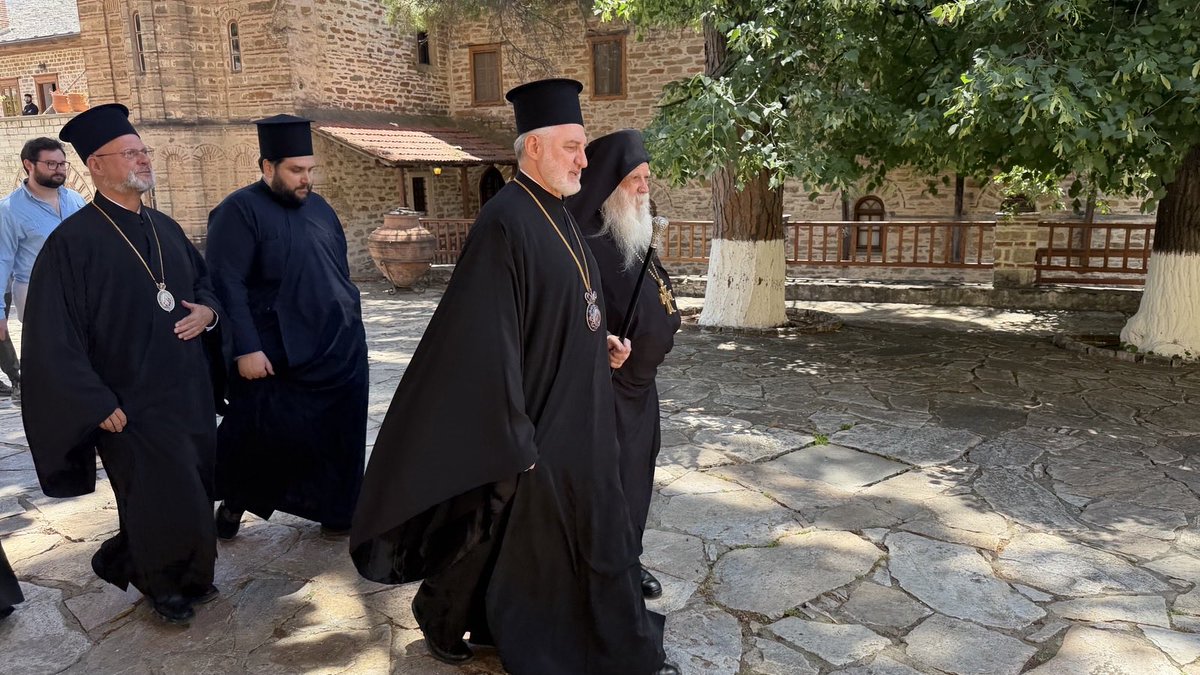
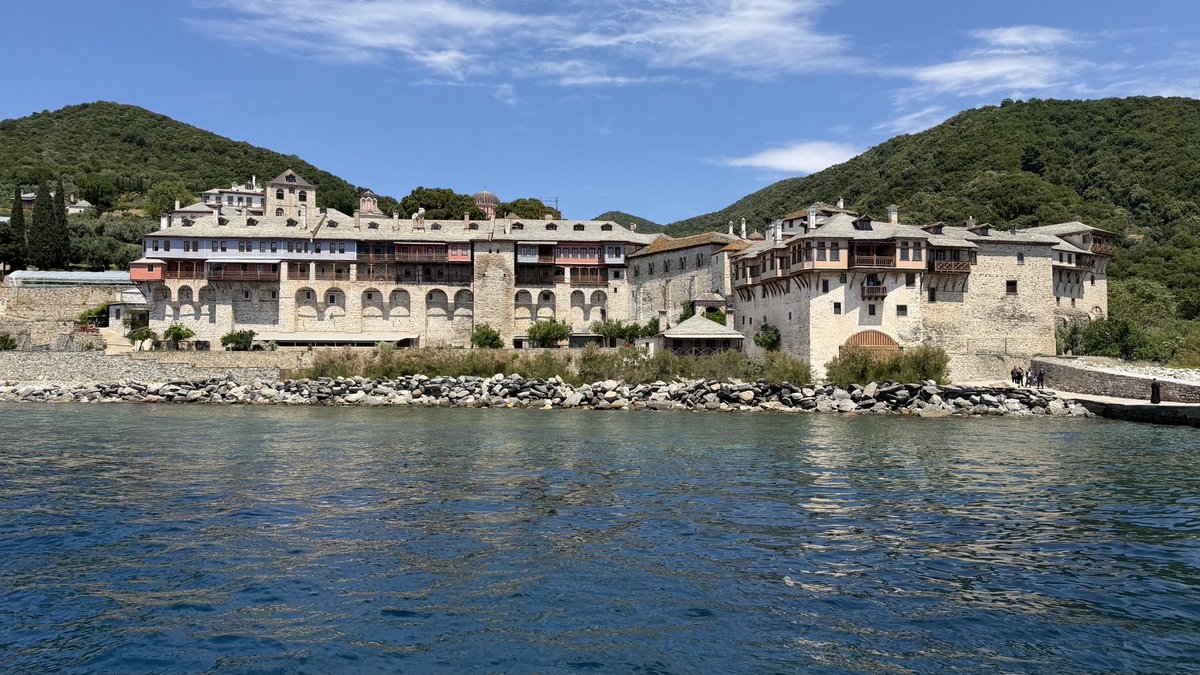
On Tuesday, May 26, 2026, Archbishop Elpidophoros of America presided over the Divine Liturgy at the Holy Monastery of Xenophontos in Mount Athos.
GRE 🇬🇷

Ο Αρχιεπίσκοπος Αμερικής κ. Ελπιδοφόρος χοροστάτησε στη Θεία Λειτουργία στην Ιερά Μονή Ξενοφώντος στο Άγιον Όρος.
Video by Orthodox Observer/Panos Satzoglou & Salvatore Ambrosino
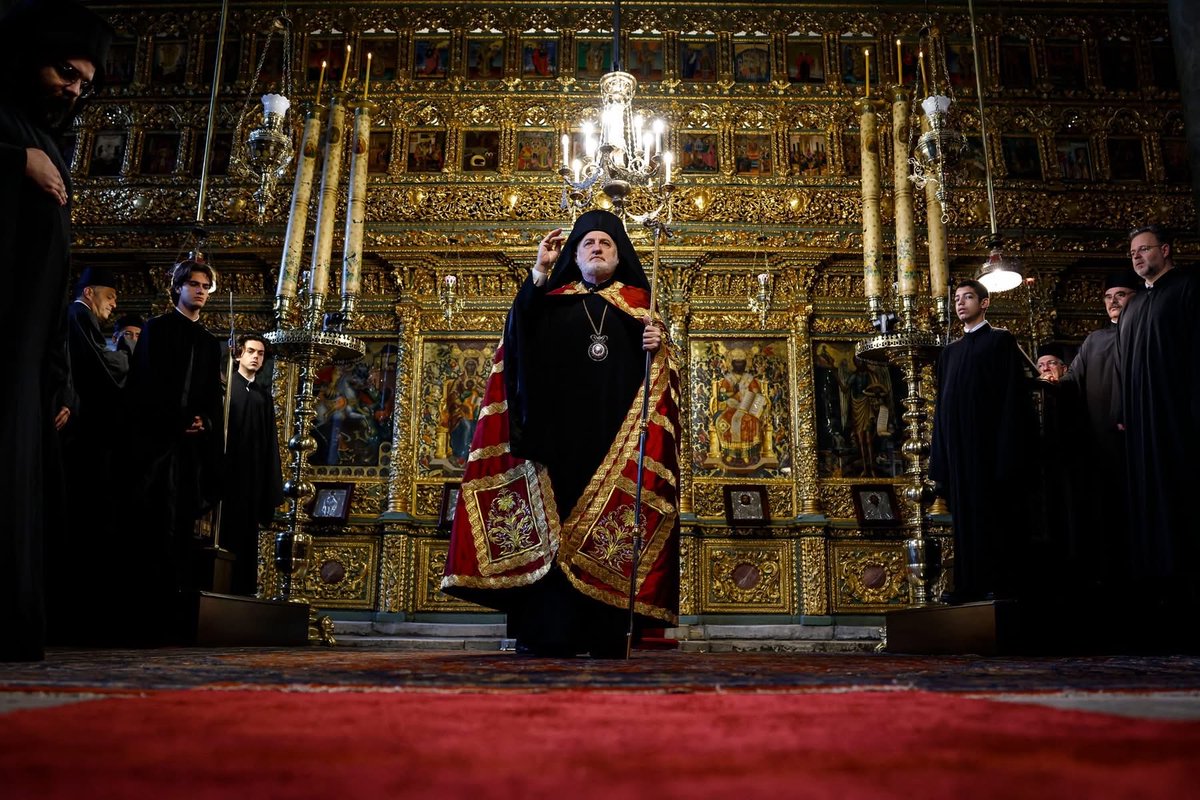
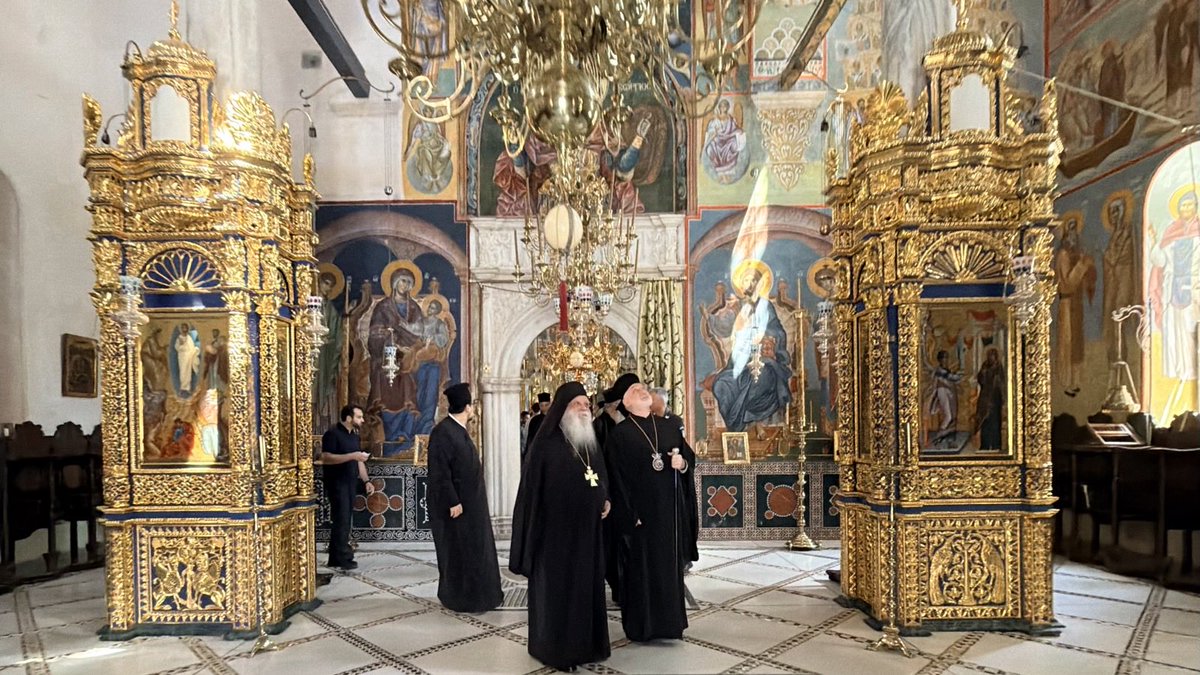
On May 25, Archbishop Elpidophoros of America traveled with the rising seniors from Hellenic College Holy Cross Greek Orthodox School of Theology for an educational pilgrimage to the monastic region of Mount Athos. The group’s first stop on the peninsula was the Holy Monastery of Xenophontos, where the abbot, Archimandrite Alexios of Xenophontos, received them.
Read more from the visit at the link our bio. Photos by Orthodox Observer/Panos Satzoglou
On this Memorial Day, we pause in reverence and gratitude, lifting our hearts in prayer for those who gave their lives so that others live in freedom. As Americans and as Orthodox Christians, we are called to honor their sacrifice not only with words, but with lives worthy of the gift they gave. May the Lord grant them eternal rest in His Kingdom, and may their courage and selflessness guide us. Memory Eternal. Αἰωνία ἡ μνήμη.
Photos by Orthodox Observer/Brittainy Newman. Tomb of the Unknown Soldier at Arlington National Cemetery, during the 2025 Apostolic Visit of His All-Holiness Ecumenical Patriarch Bartholomew.
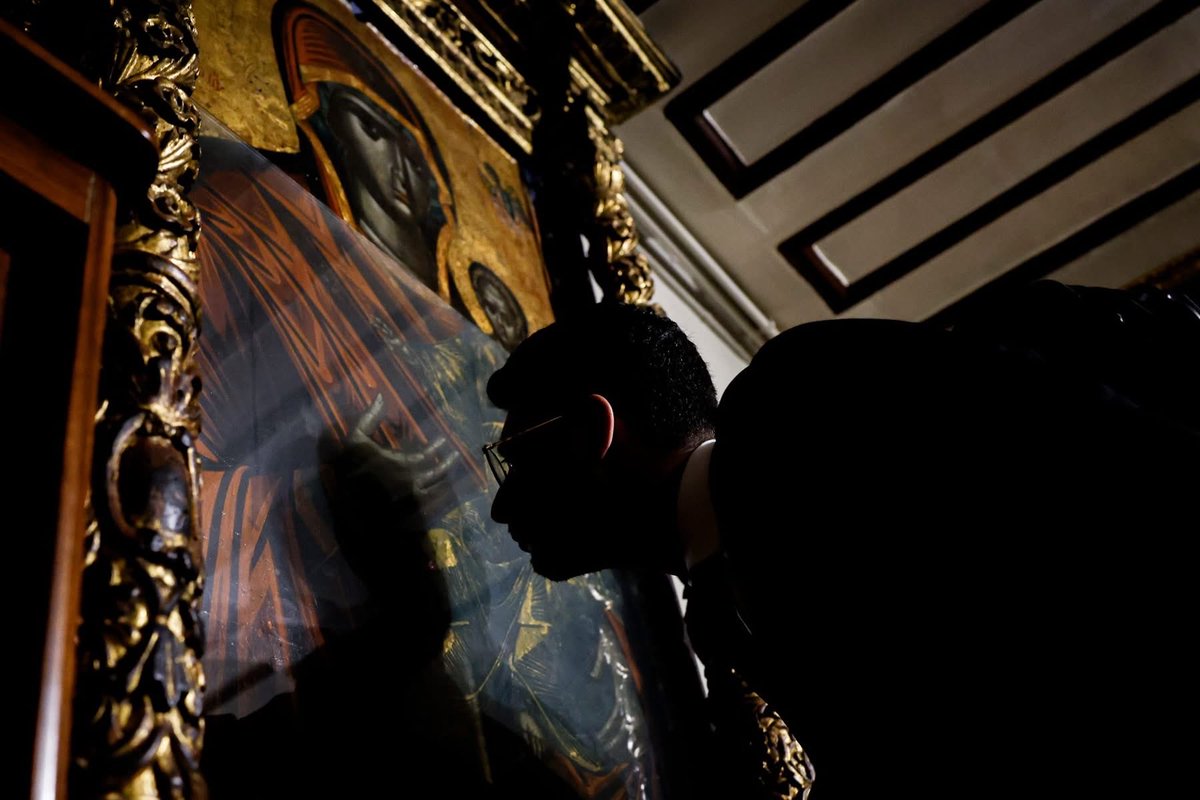
📸 In photos: This weekend, seminarians from Holy Cross Greek Orthodox School Of Theology visited Halki Seminary before gathering at the Phanar for Divine Liturgy on the Sunday of the Holy Fathers of the First Ecumenical Council.
Today, the seminarians will make the pilgrimage to the sacred monasteries on Mount Athos.
Photos by Orthodox Observer/Huseyin Aldemir
New York City’s Commission of Religious Leaders (CORL) issued a statement condemning the May 19 shooting at the Islamic Center of San Diego.
His Eminence Archbishop Elpidophoros of America is a cosignatory, alongside CORL Chair Archbishop Ronald Hicks; President Rev. Dr. A.R. Bernard, Sr.; Vice President Rabbi Joseph Potasnik; and other CORL members.
The full statement can be found at the link in our bio.
Saint Nicholas Greek Orthodox Church and National Shrine at the World Trade Center in New York City is a perfect example of an Orthodox ecclesiastical structure, drawing upon Byzantine architectural and iconographic traditions, yet adapted for a particular and specific American context of historic significance.
Read the full piece at the link in our bio.