I am honoured to announce that the historic ‘Islamabad Memorandum of Understanding’ has been electronically signed today between the United States of America and the Islamic Republic of Iran. The Memorandum has been signed by honourable Presidents of both the countries and also endorsed by me as the mediator. The signing of this agreement at the highest level of the respective governments demonstrates the commitment of both sides to a diplomatic resolution of the conflict. Islamabad MoU shall enter into force with immediate effect and as a first step, Islamic Republic of Iran will instantly reopen the Strait of Hormuz and the United States of America will immediately lift the naval blockade.
I offer my heartfelt congratulations and sincere appreciation to the President of the United States, Donald J. Trump whose steadfast commitment to diplomacy and preference for peaceful resolution have once again helped end a conflict that could have led to devastating consequences for the region and beyond. I also commend the dedication and tireless efforts of the United States negotiating team, including J.D. Vance, Steve Witkoff and Jared Kushner, for their invaluable contributions to this achievement.
I express my profound respect and appreciation to His Eminence Ayatollah Seyyed Mojtaba Hosseini Khamenei, the Supreme Leader of Islamic Republic of Iran and President Masoud Pezeshkian for their wisdom, foresight and statesmanship in embracing the cause of peace. I also wish to recognize the efforts of the Iranian negotiating team, including Mohammad Bagher Ghalibaf, Abbas Araghchi and Eskandar Momeni, whose patience, perseverance and commitment to constructive engagement were instrumental in bringing this agreement to fruition.
I would especially like to acknowledge the sincere efforts and constructive engagement of the leadership of the State of Qatar in helping reach this point. I also highly commend the leadership of the Kingdom of Saudi Arabia, the Republic of Türkiye and the Arab Republic of Egypt for their indispensable role and invaluable contributions in this regard.
I would also like to make special mention of Field Marshal Syed Asim Munir, whose tireless efforts, selfless dedication and instrumental role were critical in facilitating this breakthrough and advancing the cause of peace and regional stability.
May this Memorandum of Understanding serve as an enduring foundation for greater understanding, mutual respect and shared prosperity for the complete region.
@realDonaldTrump@JDVance@SecRubio@SteveWitkoff@SEPeaceMissions@drpezeshkian@mb_ghalibaf@araghchi
The U.S. and Iran have reached a Memorandum of Understanding (MoU) to end the war. 🚨
On 14 June 2026, the United States and Iran reached a major agreement aimed at ending military operations across all fronts. While the MoU was digitally signed over the weekend, a formal signing ceremony is scheduled to take place in Geneva on 19 June.
Key Components of the Deal:
• Ceasefire: An immediate and permanent cessation of hostilities across all fronts, including Lebanon.
• Maritime Freedom: Reopening of the Strait of Hormuz and the lifting of the U.S. naval blockade on Iranian ports.
• Nuclear Talks: A 60-day period of technical negotiations begins immediately to resolve outstanding issues related to Iran's nuclear programme.
• Enrichment: Iran has agreed in principle to relinquish its stockpile of highly enriched uranium for downblending or removal.
Diverging Interpretations & Potential Roadblocks ⚠️
Even before the official signing, U.S. and Iranian officials are already clashing over key aspects of the agreement:
• The "Toll" Dispute: President Trump and Vice President JD Vance insist that the Strait of Hormuz must remain toll-free. Iran, however, maintains that it will administer the waterway jointly with Oman and collect service fees.
• Assets & Sanctions: Iran states that USD 24 billion in frozen assets will be released during the negotiation period. The United States maintains that sanctions relief and access to frozen funds remain contingent upon Iran meeting its nuclear commitments.
Regional Impact 🌍
• Hezbollah: The group has confirmed that it will adhere to the ceasefire as long as Israel does. Official reports indicate that Hezbollah has not conducted operations since the deal was announced.
• Israel: While President Trump claims that Prime Minister Netanyahu is supportive of the agreement, Israeli officials have reportedly expressed concern over U.S. pressure to halt operations. Defence Minister Katz has stated that the IDF will maintain security zones in southern Lebanon regardless of the agreement.
• Greater Horn of Africa: The implications extend well beyond the Middle East. Reduced tensions in the Gulf and Red Sea region could enhance maritime security, stabilize global energy markets, lower shipping and insurance costs, and improve trade flows. For countries across the Greater Horn of Africa, including Sudan, Djibouti, Eritrea, Ethiopia, Somalia, and Kenya, this could ease economic pressures, support recovery efforts, and reduce the risk of further regional destabilization linked to disruptions in one of the world's most critical maritime arteries.
What's Next?
The next 60 days will be critical. The United States is seeking a robust inspection regime to ensure that Iran can never obtain a nuclear weapon, while Gulf states may help finance a USD 300 billion reconstruction programme for Iran if Tehran fully complies with the agreement.
#MiddleEastPeace #StraitOfHormuz #Geopolitics2026 #RedSeaSecurity #HornOfAfrica
If finalized, this would be a significant step in the right direction.
However, from where I sit, peace is not secured when an agreement is signed. It is secured when the commitments behind it endure.
I only hope the same level of diplomatic energy, persistence, and engagement will be brought to bear on Sudan, where the cost of continued conflict grows heavier by the day.
#Sudan #Diplomacy #ConflictResolution #HornOfAfrica
We are closer to a peace deal than ever before. With finalisation likely expected in the next 24 hours, Pakistan is preparing for the electronic signing of the peace deal immediately after, followed by technical level talks next week.
We would like to thank United States of America and Islamic Republic of Iran for their ongoing commitment during the negotiations, and we extend our sincere appreciation to our brothers in the region for their support. We are confident that this historic peace deal will form a strong foundation for lasting peace.
@realDonaldTrump@JDVance@SecRubio@SteveWitkoff@SEPeaceMissions@drpezeshkian@araghchi
“Torture is quite common in colonial systems or racially ordered regimes because the infliction of humiliation and erasure is seen as a practice to control,” said Francesca Albanese, the UN Special Rapporteur for the Occupied Palestinian Territories.
Welcome back, @FatimaMCole!
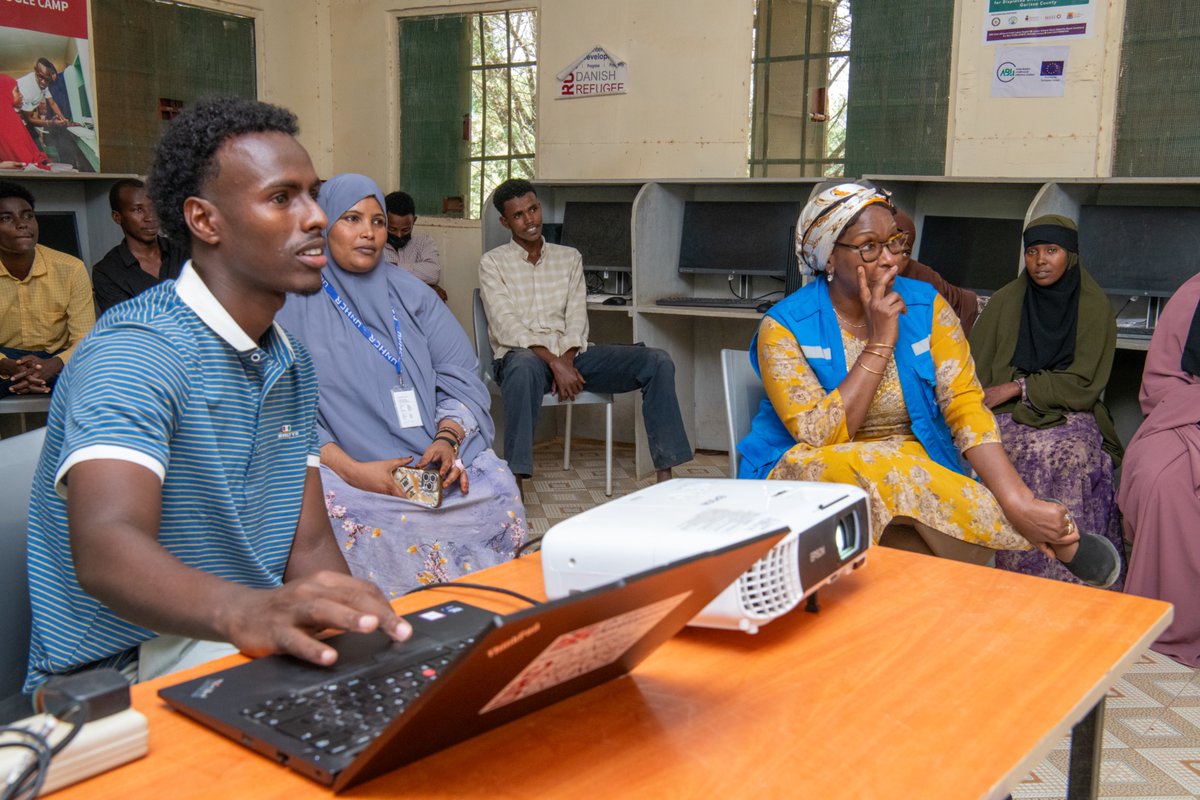
More than three decades on, Dadaab remains one of the most important mirrors of the Greater Horn of Africa. It reminds us of both what we have failed to fix and what we have managed to sustain.
The fact that this refugee-hosting area has endured for so long speaks to our collective failure to restore lasting peace, security and opportunity in Somalia. As people of the Greater Horn of Africa, that reality should continue to haunt us.
At the same time, Dadaab tells a story of resilience, generosity and possibility. Through the efforts of refugees themselves, host communities, humanitarian actors and the Government of Kenya, what began as an emergency response is gradually being reimagined. The move towards municipal status under the Shirika Plan reflects growing understanding that some displacement crises outlast the assumptions on which they were created. When people remain displaced for decades, dignity, opportunity and inclusion can no longer be treated as temporary arrangements.
For me, Dadaab is both a reminder and a lesson: a reminder of the work that remains unfinished in Somalia and across the Greater Horn of Africa, and a lesson in how collectively we can preserve dignity and hope even while waiting for political solutions to catch up with human realities.
Returning to Dadaab felt deeply personal.
I served here years ago and returned this week as @UNHCR_Kenya Representative.
Ahead of World Refugee Day, Dadaab reminds us that everyone has the right to seek safety.
Safety must be matched by dignity, inclusion and opportunity.
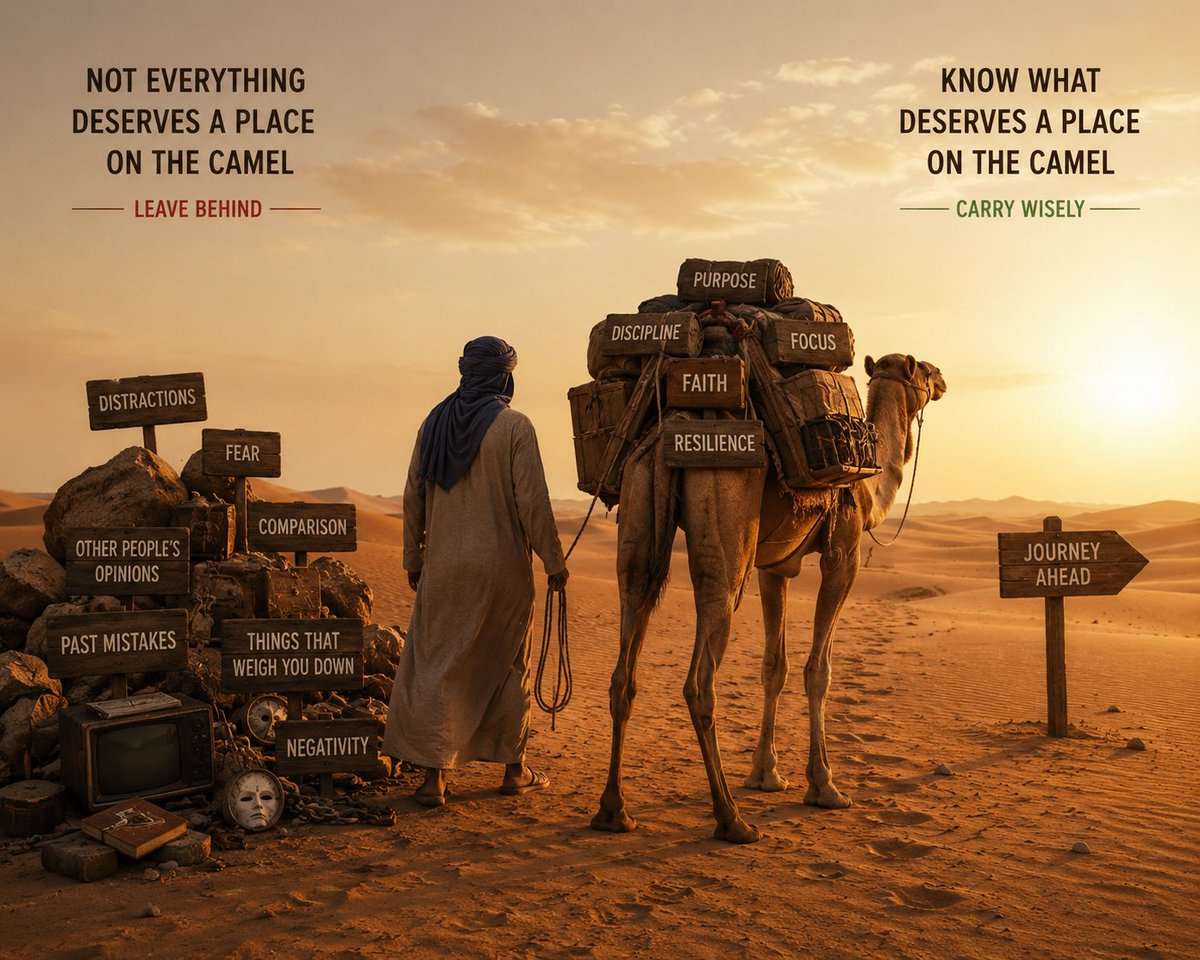
A nomad crossing the desert survives not by collecting everything he finds along the way, but by knowing what deserves a place on the camel and what must be left behind
Our global profile has been growing at a defining moment in the age of multilateralism.
Kenya will keep growing and strengthening her diplomatic networks across the world in pursuit of our common interests, benefit and prosperity.
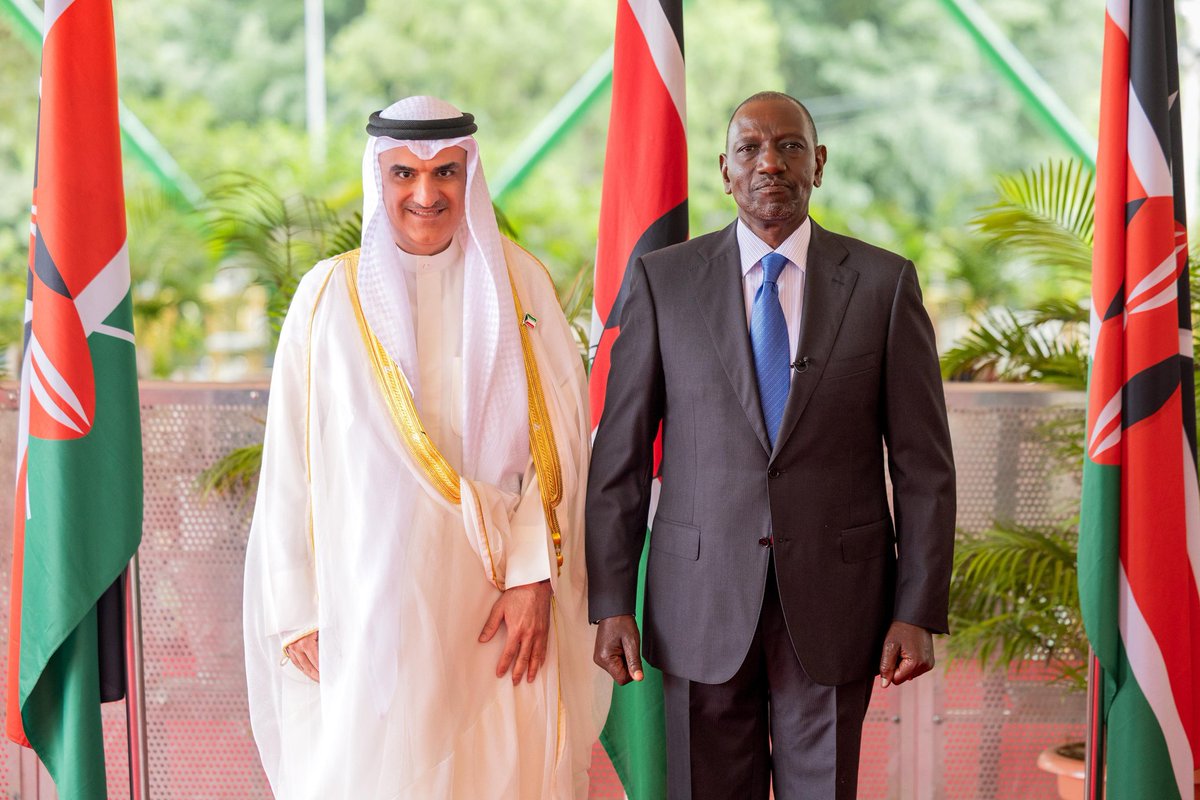
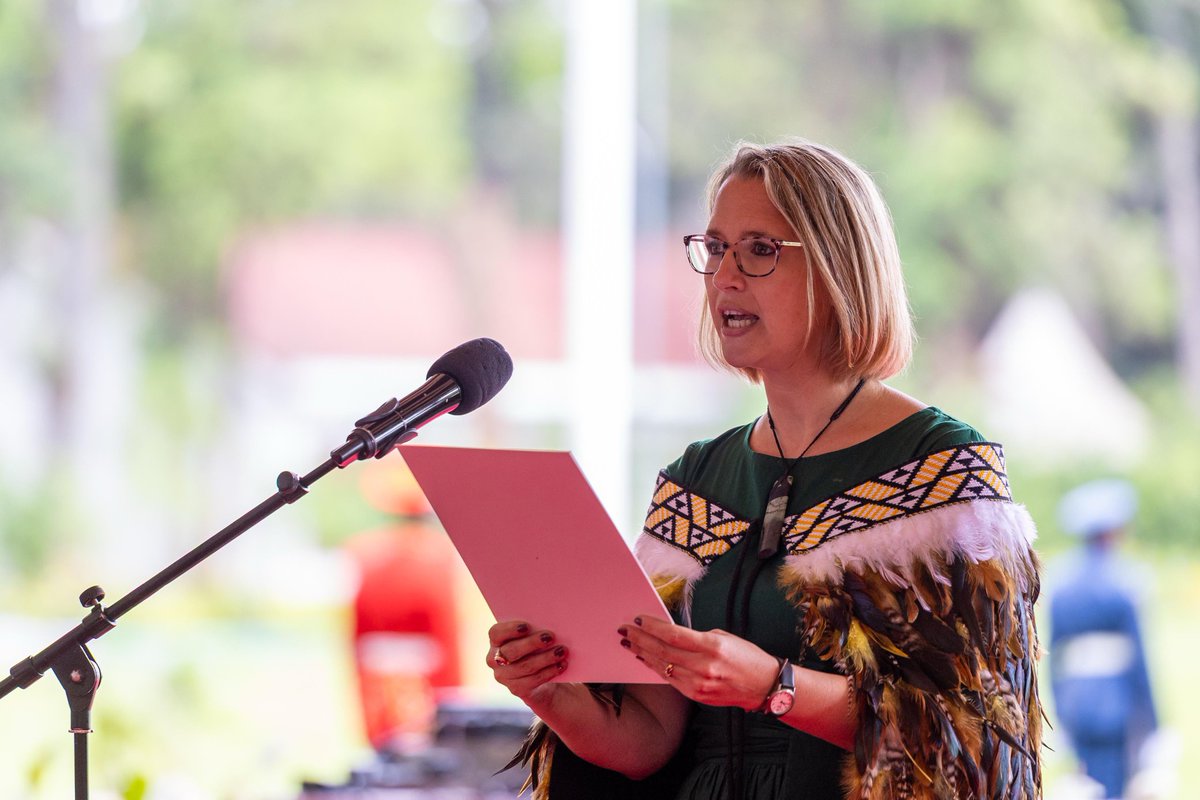
Received credentials of newly-assigned envoys to Kenya at State House, Nairobi.
They are Luis Fernando Carranza Cifuentes (Guatemala), Salome Zulu Mmola (South Africa), Anas Talib Ali Marafi (Kuwait), and Olivia Charlotte Owen (New Zealand).
Welcome to Kenya and our very best wishes in your assignments.
We have concluded our three-day tour of Wajir and Garissa counties, reaffirming our commitment to ending the historical marginalisation of Northern Kenya through sustained investment in development programmes and infrastructure.
We thank the people of Wajir and Garissa for their warm hospitality, support, and engagement throughout the tour. Together, we will continue working to unlock the immense potential of Northern Kenya and ensure that no region is left behind in our country's transformation journey.
Inspected progress on the 257km Lamu-Ijara-Garissa Road, part of the 453km LAPSSET Corridor Development Project.
The KSh17.9 billion project is scheduled for completion early next year and will provide an alternative transport corridor, support regional integration, improve security, and provide an evacuation route at Lamu Port.
To unlock the region's vast economic potential, the Government is building the 750km Horn of Africa Gateway Development Project from Isiolo to Mandera through Wajir at a cost of KSh100 billion.
On behalf of the Government and the Republic of Kenya, I extend my sincere apology to the people of Northern Kenya for the hardships and exclusion you have endured over the years.
Your resilience in the face of these challenges is a testament to the strength and patriotism of this region.
Today, however, we are charting a different course. Our administration is making significant progress in restoring equity, expanding opportunity, and ensuring that Northern Kenya takes its rightful place in our nation's transformation journey.
Mr President,
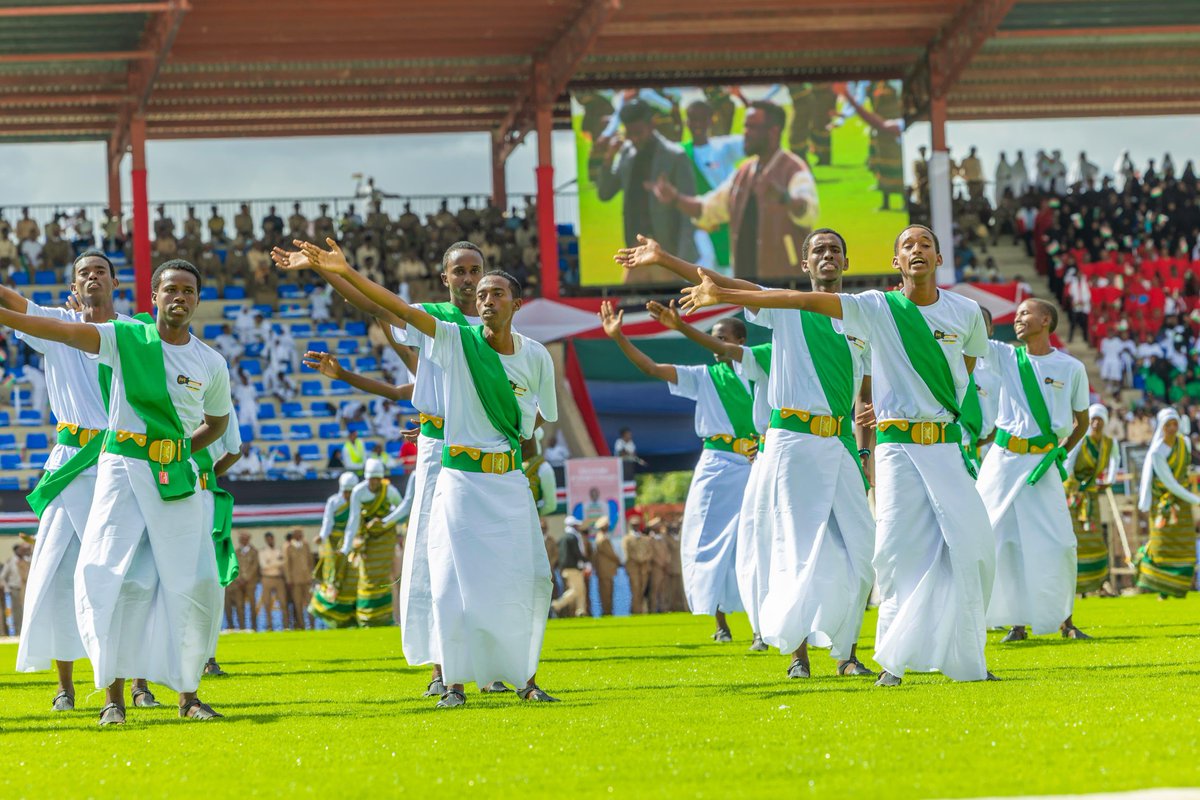
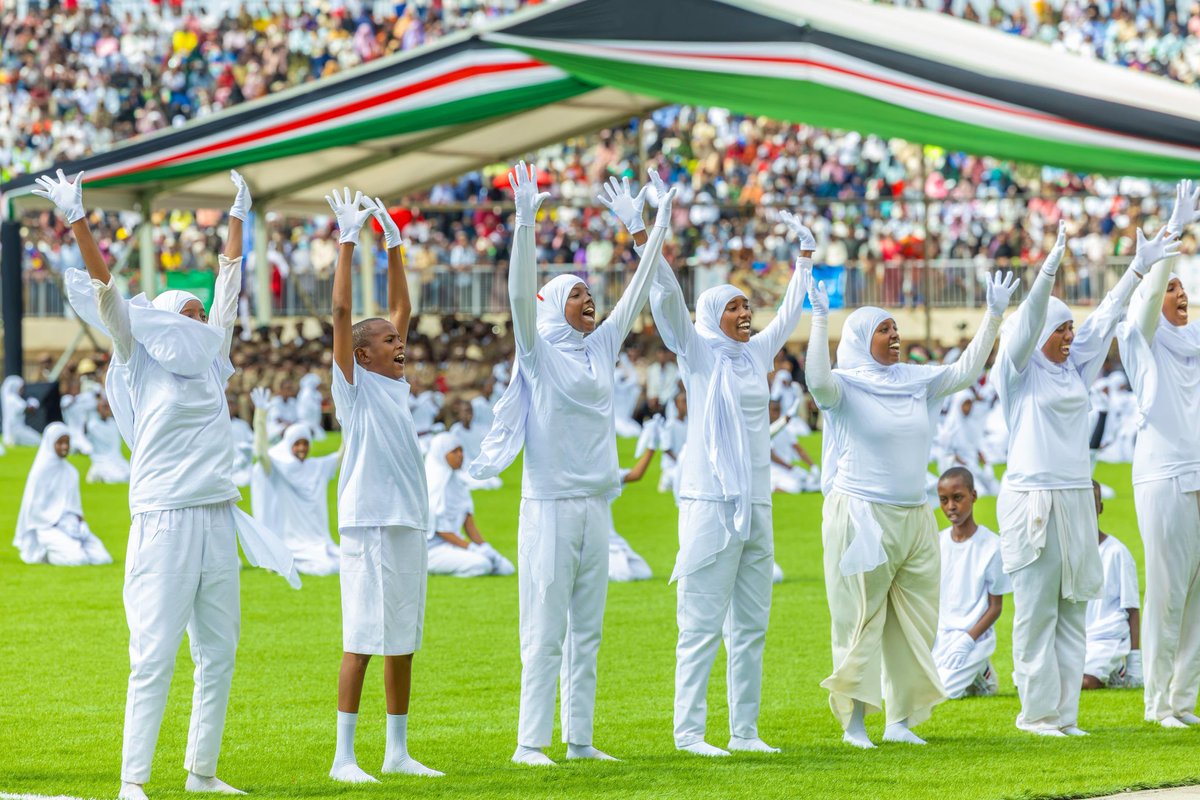
Today, during my lunch break in Khartoum, shortly after Dhuhr prayers, I set aside thirty minutes to listen to your Madaraka Day address.
I did so from a city that is itself recovering from a devastating war, an ongoing conflict whose consequences continue to shape the lives of millions.
My days here are full. The demands are many. Yet there was no way I could miss today's celebrations.
Not when Madaraka Day was being hosted in my beloved Wajir.
For thirty minutes, as I watched the ceremony unfold, I was no longer in Khartoum.
My thoughts wandered home.
They wandered to the dusty streets of Wajir, where I partly grew up. They wandered to the grounds where, as a young boy, I played football barefoot. They wandered to Wajir High School, which helped shape the course of my life.
Most of all, they wandered to Bute. That is where my grandparents spent the remainder of their lives after returning from Somalia, where they had sought refuge during the Shifta years.
That is where they are buried.
As I listened to your acknowledgement of historical injustices, your apology on behalf of the nation, and your affirmation that every Kenyan deserves equal dignity and equal treatment, I felt emotions I had not anticipated.
I teared up.
Not because of politics.
But because I thought of my grandparents.
I thought of a generation that endured war, displacement, exclusion, and neglect, yet never stopped believing in Kenya.
They did not live long enough to hear your words.
But because I heard them, they heard them.
Today, from a city recovering from war, I watched my country choose healing.
For that, I thank you.
May history remember Wajir, Madaraka Day 2026, as the day Kenya reached out to one of its oldest wounds and chose to heal it.
With deepest gratitude,
Abdikadir Osman Tulicha
@WilliamsRuto@StateHouseKenya
Reuters has published its first documentary on the conflict in Sudan, focusing on the fall of El Fasher to the Rapid Support Forces last year.
Death in Darfur: Three Days of Horror Caught on Camera
The documentary reconstructs events using fighters’ footage and survivor testimonies, documenting alleged abuses against civilians during the capture of the city.
Read the investigation: https://t.co/NSqcK5lC9N](https://t.co/NSqcK5lC9N
Watch on YouTube: https://t.co/b9X6noBToO
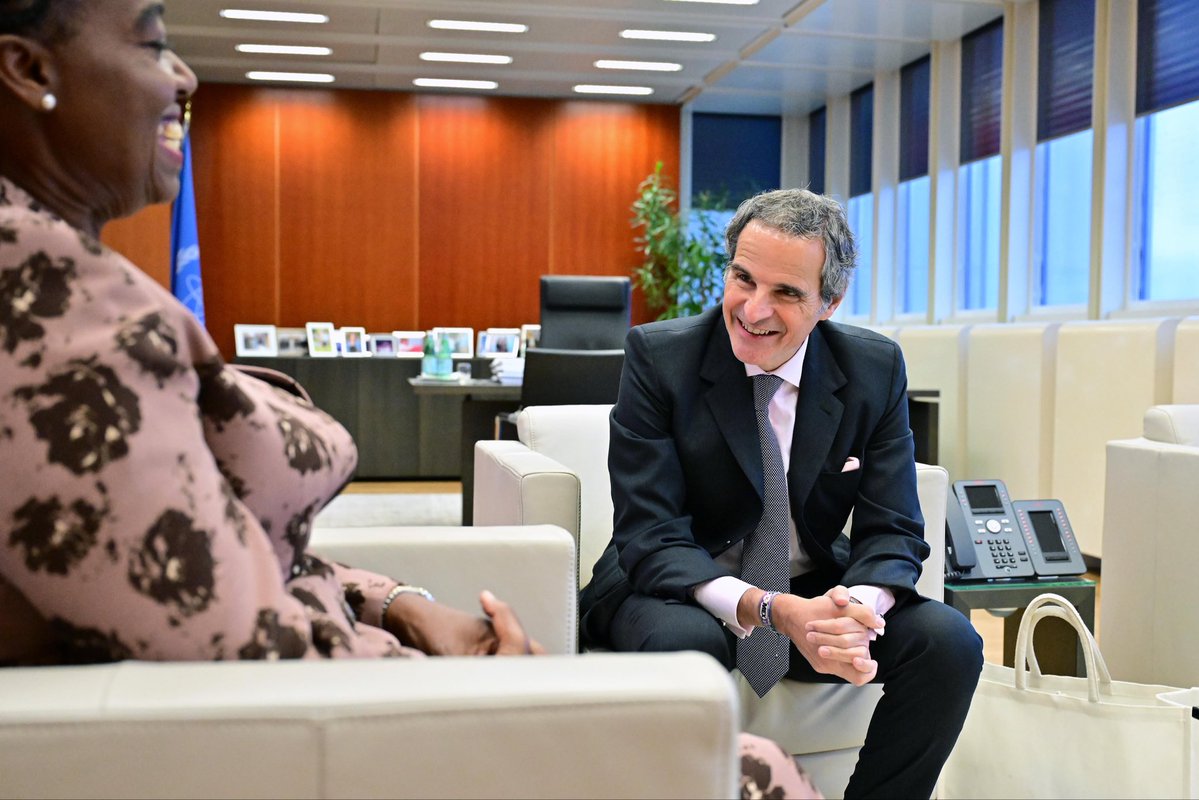
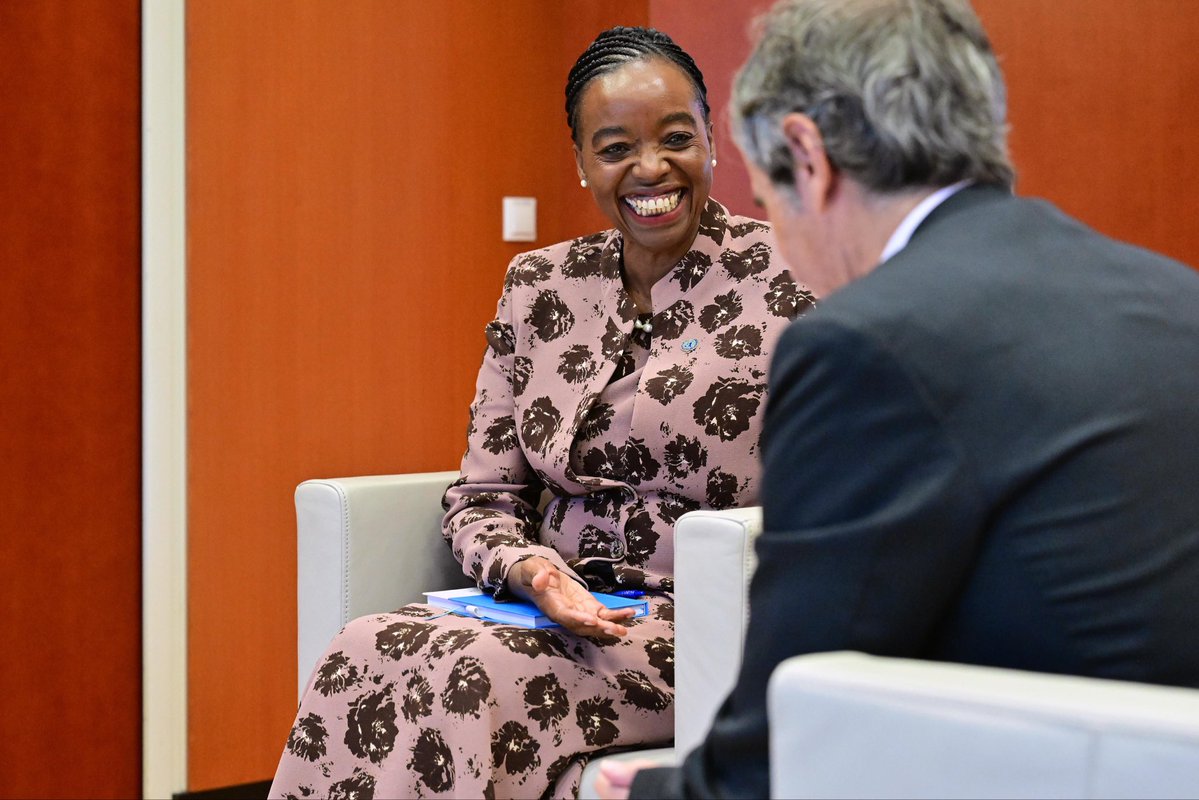
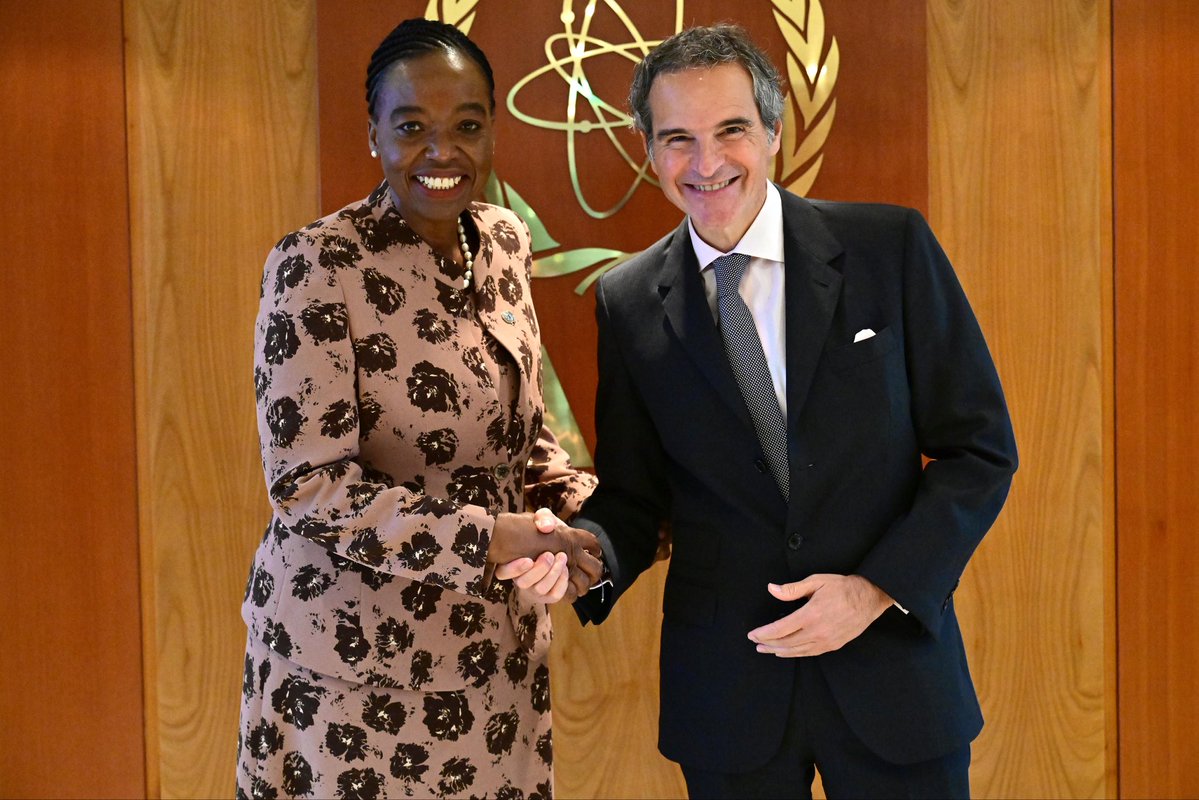
Glad to welcome the new @UN_Vienna Director-General and @UNODC Executive Director @Monica_Juma_ to the Vienna-based organizations family.
At a time when effective multilateralism matters more than ever and international organizations face growing challenges, her dynamism and experience will be important in strengthening cooperation. I look forward to working together on our shared priorities, and she can count on the @IAEAorg as a close partner in the important work ahead.
The unfolding tensions in Tigray should not be viewed through the narrow lens of Ethiopia alone.
This is a potential strategic shockwave with implications extending across Eritrea, Sudan, the Red Sea corridor, and the wider Blue Nile–Nile Valley system all the way to Alexandria.
The Greater Horn of Africa today resembles a loosely connected chain of fragile political, security, economic, and humanitarian fault lines. Pressure on one node inevitably transmits instability across the wider system. Tigray is one such critical node.
A renewed conflict would not remain confined to battlefields in northern Ethiopia. It would intersect with Sudan’s fragility, Red Sea competition, transnational armed dynamics, displacement corridors, trade routes, water politics, humanitarian access, and regional power calculations.
The horizontal implications would ripple across borders. The vertical implications would penetrate states internally, straining governance systems, economies, communal relations, and already overstretched humanitarian infrastructures.
The Horn can no longer afford to treat interconnected crises as isolated national events.
A timely and well-written analysis by International Crisis Group:
https://t.co/n5xFSP3Aby
Following numerous conversations around the ongoing Africa Forward Summit: Africa–France Partnerships for Innovation and Growth in Nairobi, I decided to share a short reflection on diplomacy, strategic convergence, and Kenya’s evolving place in a changing geopolitical landscape.
Views expressed are personal.
https://t.co/l5qeue97Cy via @LinkedIn
Sudan may be revealing an important chapter in the future of aerial warfare.
I have shared a new analysis reflecting on the reported drone-on-drone combat engagement involving Bayraktar Akıncı UCAVs in Sudan and what it may signal for the evolution of unmanned warfare, proxy conflict, and contested airspace doctrine.
Beyond the battlefield itself, the implications may extend across the Greater Horn of Africa and other fragile conflict theatres where advanced unmanned systems are increasingly reshaping security dynamics.
Read here:
https://t.co/iHLyGk9jzV
#Sudan #DroneWarfare #SecurityStudies