Robots' Senses: Multimodal Perception Systems
By @LarryPureLabs
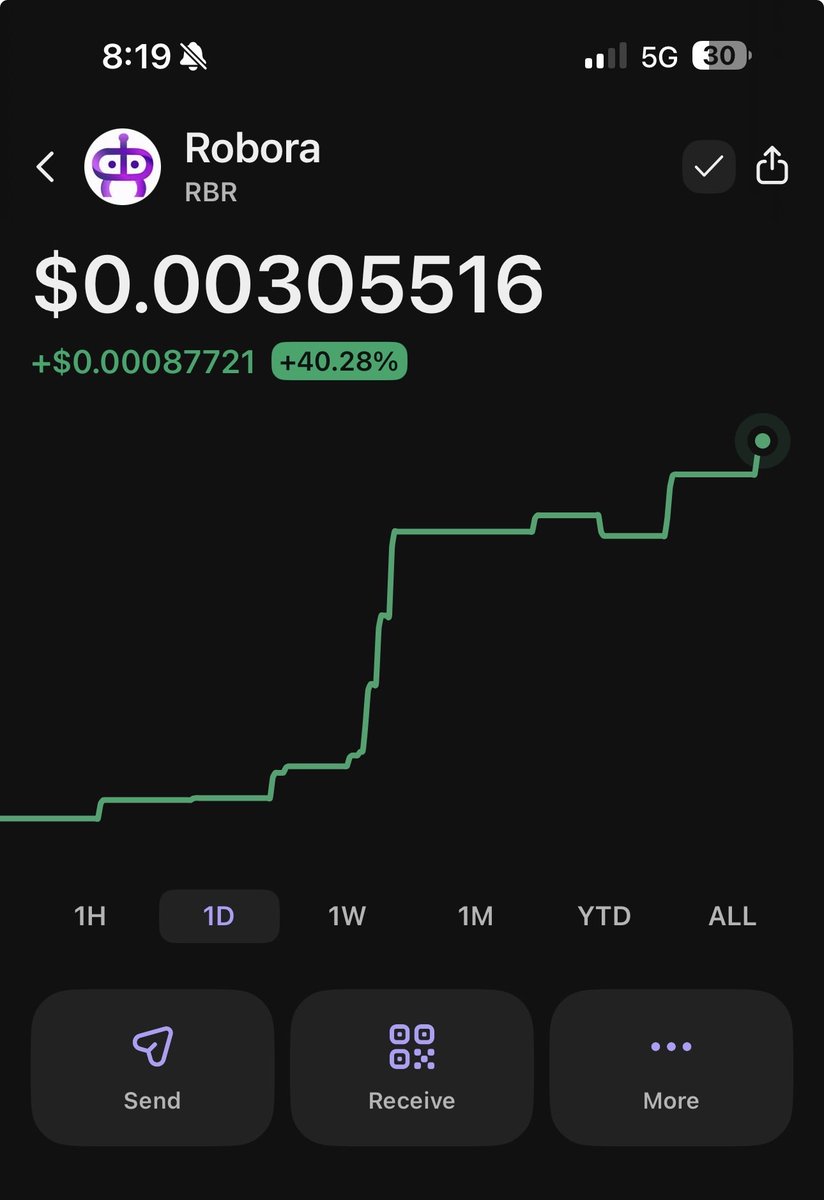
Powered by $RBR
@UseRobora pioneers modular robotics by integrating advanced multimodal perception systems, enabling AI-powered robots to sense and interact with the world verifiably on-chain. This is powered by diverse sensors for environmental awareness, force interaction, and self-state monitoring, all feeding into their technology stacks like the Robora Vision Module (RVM) for object detection, segmentation, and pose estimation, compatible with ROS2.
I. Environmental Perception
- Vision Sensors (e.g., depth cameras, LiDAR): Capture light data to build 3D environmental models and identify objects, such as locating an apple. In @UseRobora's RVM, this supports real-time detection and annotation across images, videos, or webcams.
- Hearing Sensors (e.g., microphone arrays): Detect sound waves for voice interactions and sound source localization.
II. Interaction Force Perception
- Torque Sensors (e.g., six-dimensional force sensors): Measure contact forces and torques precisely, like grip strength when picking up an apple.
- Touch Sensors (e.g., electronic skin): Sense surface details such as pressure and temperature for delicate operations.
III. Self-State Perception
- Inertial Measurement Units (IMUs): Track acceleration and orientation to maintain posture, enabling smooth movements like walking to a table and grasping an object.
- Encoders (at joints for proprioception): Convert position and motion into digital signals for machine-readable feedback.
These perception systems form the foundation for @UseRobora's Physical AI framework, where data is trained, configured, and calibrated on-chain for transparency and
Multimodal Large Models
@UseRobora advances this through their VLA SDK, a modular toolkit for integrating Vision-Language-Action (VLA) models into diverse robotic systems like drones, quadrupeds, and
1. LLM (Large Language Model) + VFM (Visual Foundation Model)→ Processes language and visuals separately.
2. VLM (Vision-Language Model)→ Combines vision and language for unified understanding.
3. VLA (Vision-Language-Action Model)→ Extends VLM with action generation; @UseRobora's SDK supports models like Pi0, OpenVLA, and GR00T N1.5, enabling fine-tuning (e.g., via LoRA/QLoRA on datasets like SOARM101), high-frequency inference (up to 50Hz), and simulation in PyBullet/Gymnasium for imitation learning and RL.
4. Multimodal Large Models→ Full integration for complex, embodied tasks, verifiable in @UseRobora's Web3 ecosystem merging AI, robotics, and blockchain.
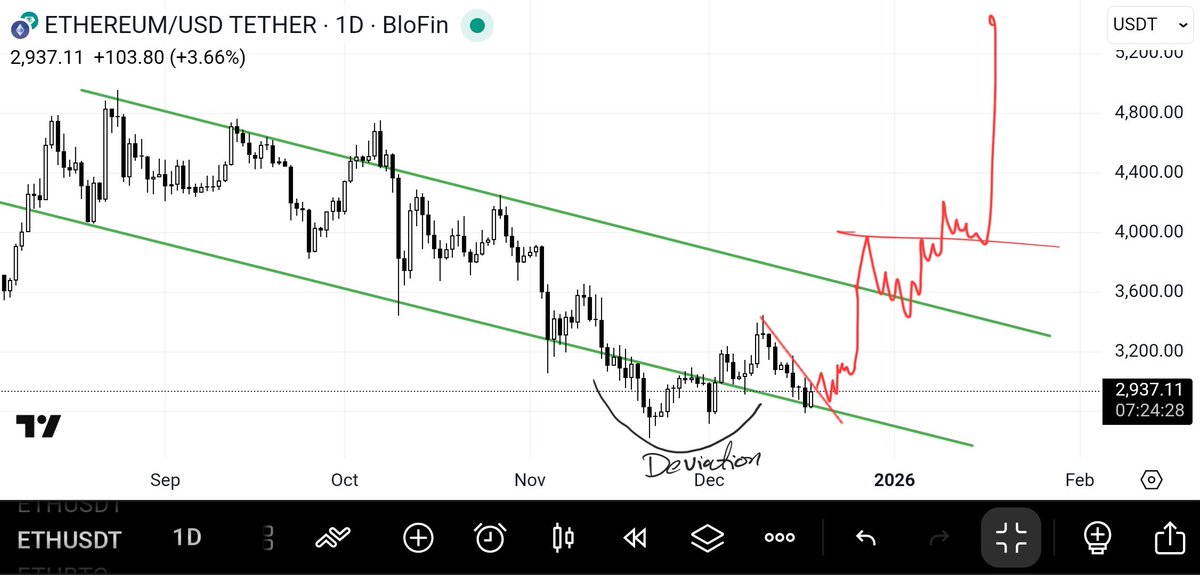
THIS ETHEREUM MOVE WILL CATCH EVERYONE OFF GUARD.
Same setup. Same disbelief.
But now with more liquidity and institutional firepower.
Break $3,600: We move.
Retest $1,800: I buy $20K more.
You don’t have to follow me.
But don’t say I didn’t signal it either.
ALTCOIN SEASON STILL ON HOLD.
But the structure is flipping:
Retest, Check
RSI breakout, Check
Monthly support, Check
This isn’t a shotgun market.
It’s a sniper market.
Choose utility.
Wait for BTC.D to crack.
The setup is clean. The flip is close.
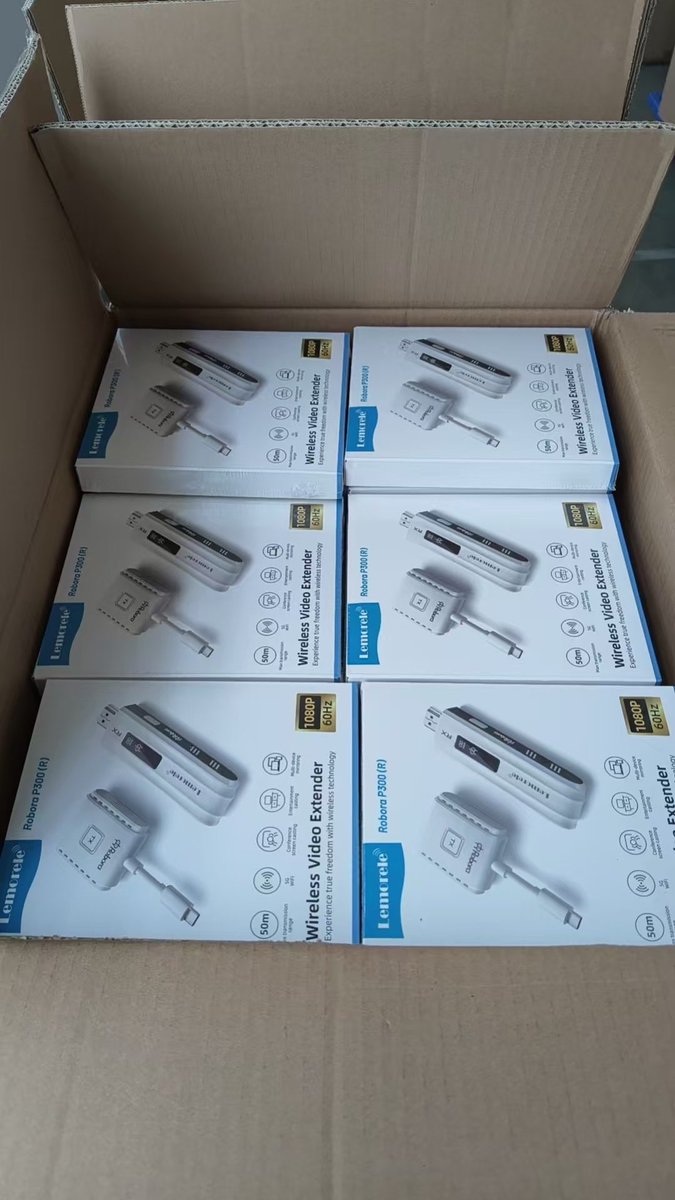
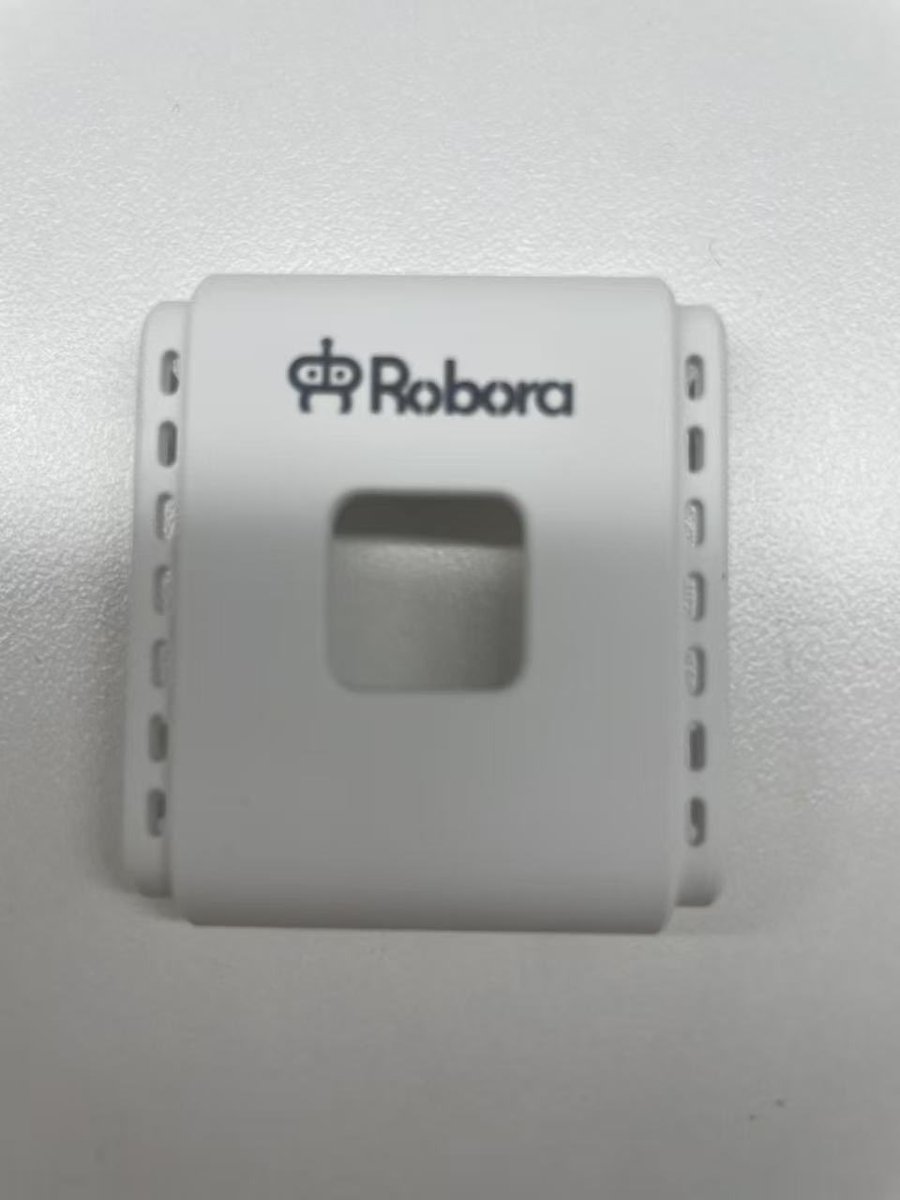
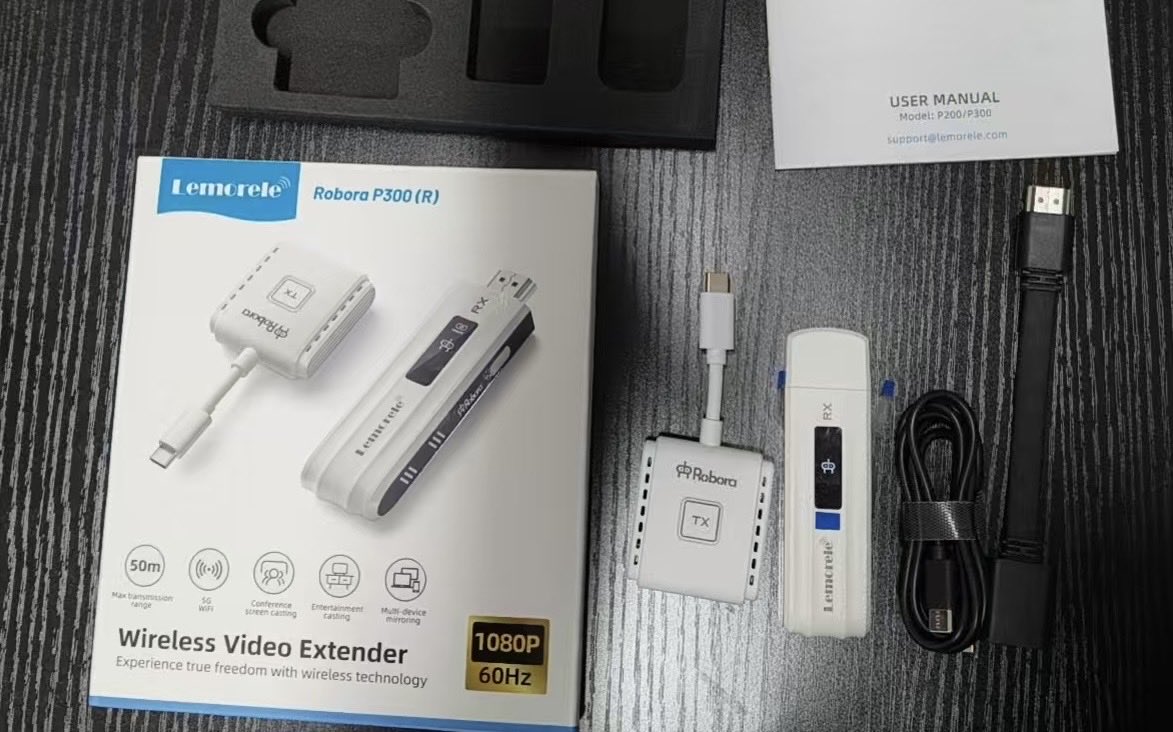
🚀 Bullish on @UseRobora's P300(R) module! This game-changer integrates seamlessly with the VLA stack, enabling real-time HD video capture from any camera—robots, drones, or handhelds. Wirelessly stream data to VLA nodes for fine-tuning embodied AI models, closing the sim-to-real gap like never before. Turn users into data heroes for modular robotics evolution! #Robora #VLA #AI #Robotics






![bull_boiy's tweet photo. key metrics on deRobotics this week [10th-17th jan]
- total robotics market cap➔ ~$946M
- top 5 gainers this week:
• $RBR (@UseRobora)→ +101%
• $ST (@the_small_thing)→ +79.7%
• $XRT (@AIRA_Robonomics)→ +53%
• $NRN (@NRNAgents) → +15.8%
• $EDGE(@edgenetwork) → +13.4%
- top 5 losers this week:
• $DPTX → -52.3%
• $FORMA → -41.3%
• $ATNM → -31.6%
• $TOPS → -29.4%
• $SHOW → -23.1%](https://pbs.twimg.com/media/G-5C188WEAA4dL0.jpg)