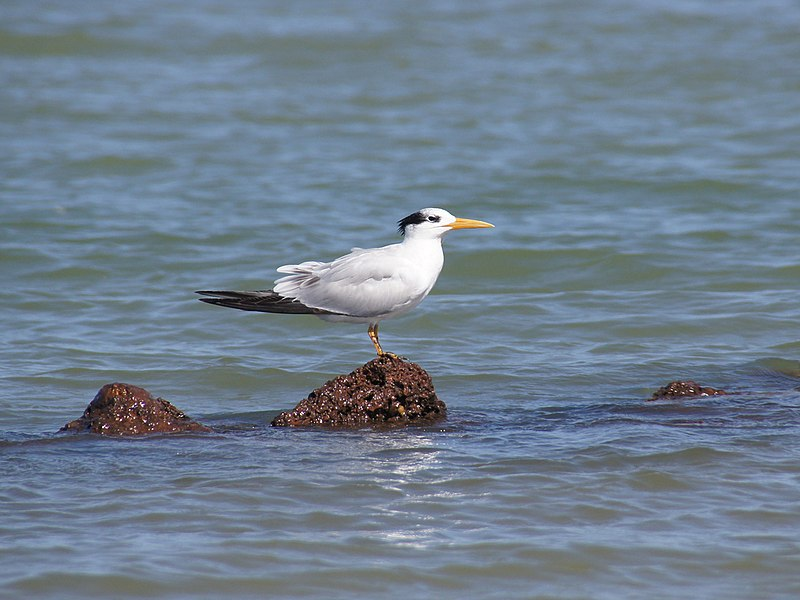
The West African Crested Tern is a species that has recently been split from Royal Tern. A study by Veen et al. looks at their distribution and breeding numbers, and conclude that they have an uncertain future. Read more at: https://t.co/GSOt2UvTUt photo: Matt Blissett CC BY 4.0
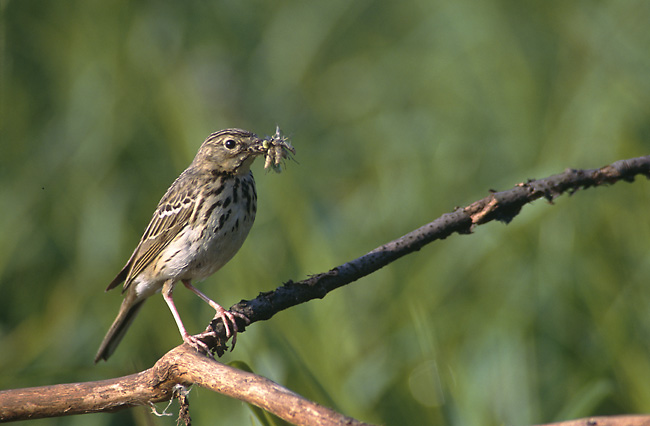
Adams, Ivande and Wilson study aspects of the ecology of non-breeding Tree Pipits on the Jos Plateau, Nigeria. Read more: https://t.co/FiGMNxWdFT photo: Marek Szczepanek (CC BY-SA 3.0)
Ishong et al. report on the population trends of resident and migrant birds at a long-term study site near Jos, Nigeria. Read more: https://t.co/CFemj5xy1r
Kelp Gulls like to eat Cape Gannet eggs. How does the location of the nest and removal of predators affect predation of eggs by Kelp Gulls? Find out at: https://t.co/S3LZEgqRKm
It has always been thought that the presence of Cinereous Vulture in North Africa has been due to dispersal. However data suggest this may not be the case. Find out more at: https://t.co/7N9y2xk9hb (photo: Juan Lacruz)
How does African ornithology feel? Our editor, Alan Lee, offers a perspective piece looking for symptoms of eco-anxiety in articles relevant to ornithology in Africa. https://t.co/k9crCGCI60
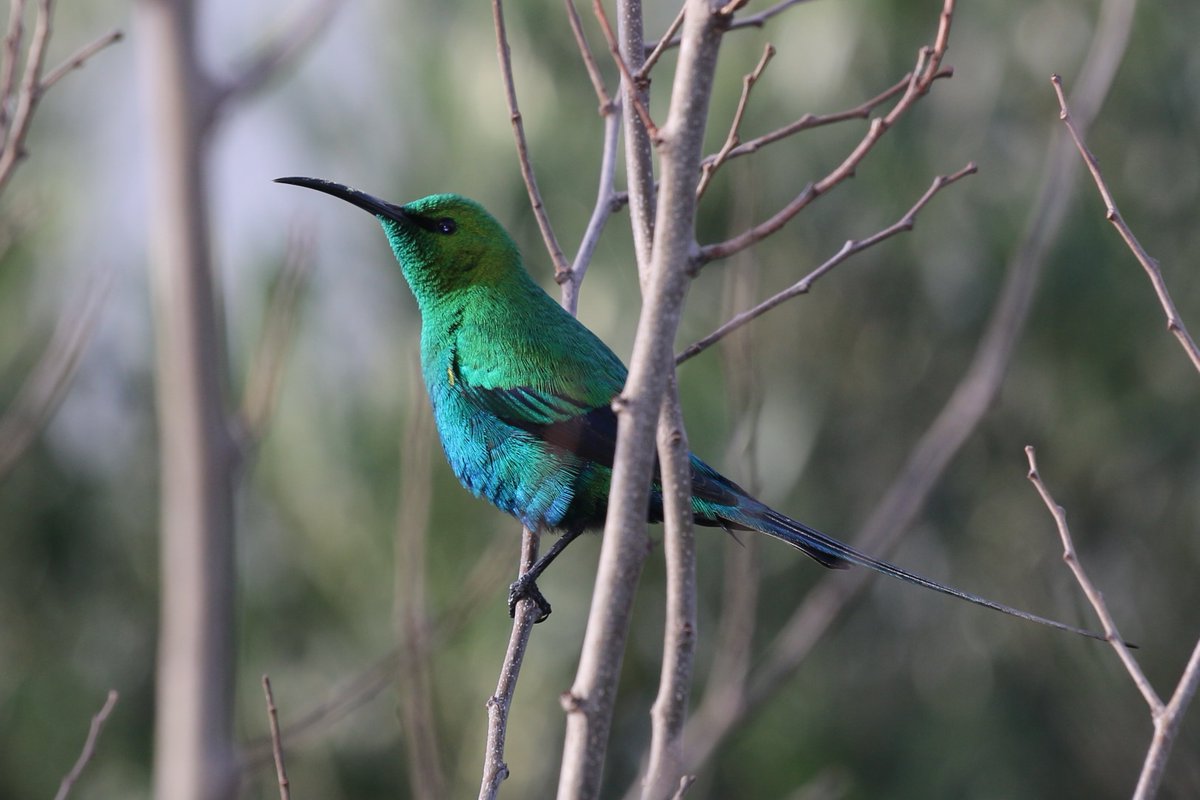
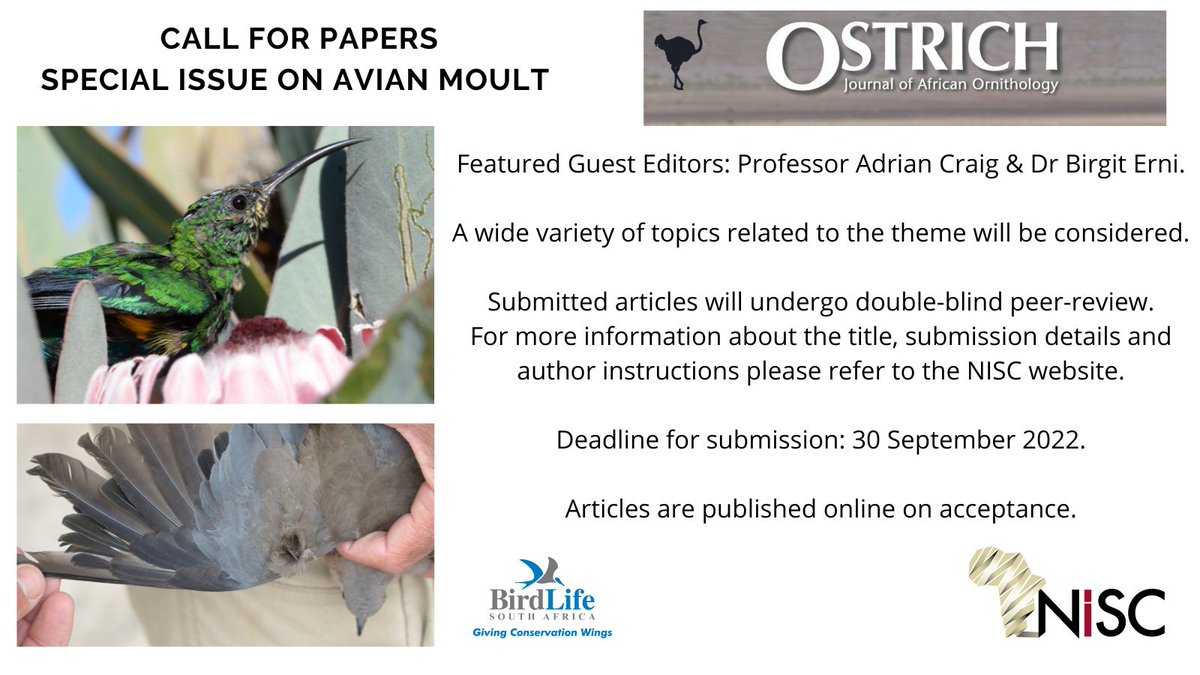
Bonnevie et al. use ringing data to describe the wing moult and seasonal occurrence of sunbirds in the Eastern Cape.
https://t.co/caAIv4iias photo: Janes Oosthuizen
Fern, Thompson and Downs present an ethogram of the nesting and breeding behaviour of Hooded Vultures. Read it at: https://t.co/hOp2e9nsO8 (photo: Charles Sharp)
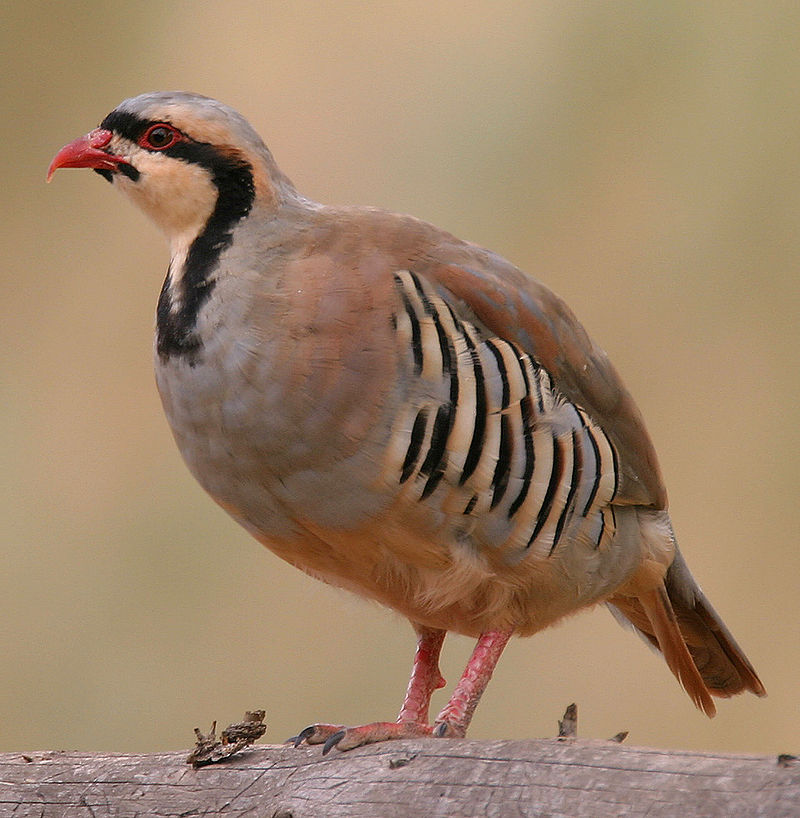
Chukar Partridges were released across southern Africa, but only survive on Robben Island today. Find out why they were introduced and why they failed to establish across most of southern Africa: https://t.co/adhEOBPPW1
The deadline for our special issue on moult has been extended until 15 December 2022.
To submit: https://t.co/XhmzOgKbhP
Author instructions: https://t.co/iBXSxxIVu8