Eso explicaría la leyenda de los Skinwalkers para los nativos americanos.
Y no sería la primera “entidad” de su mitología que acaba teniendo vinculación con supuestos encuentros con extraterrestres.
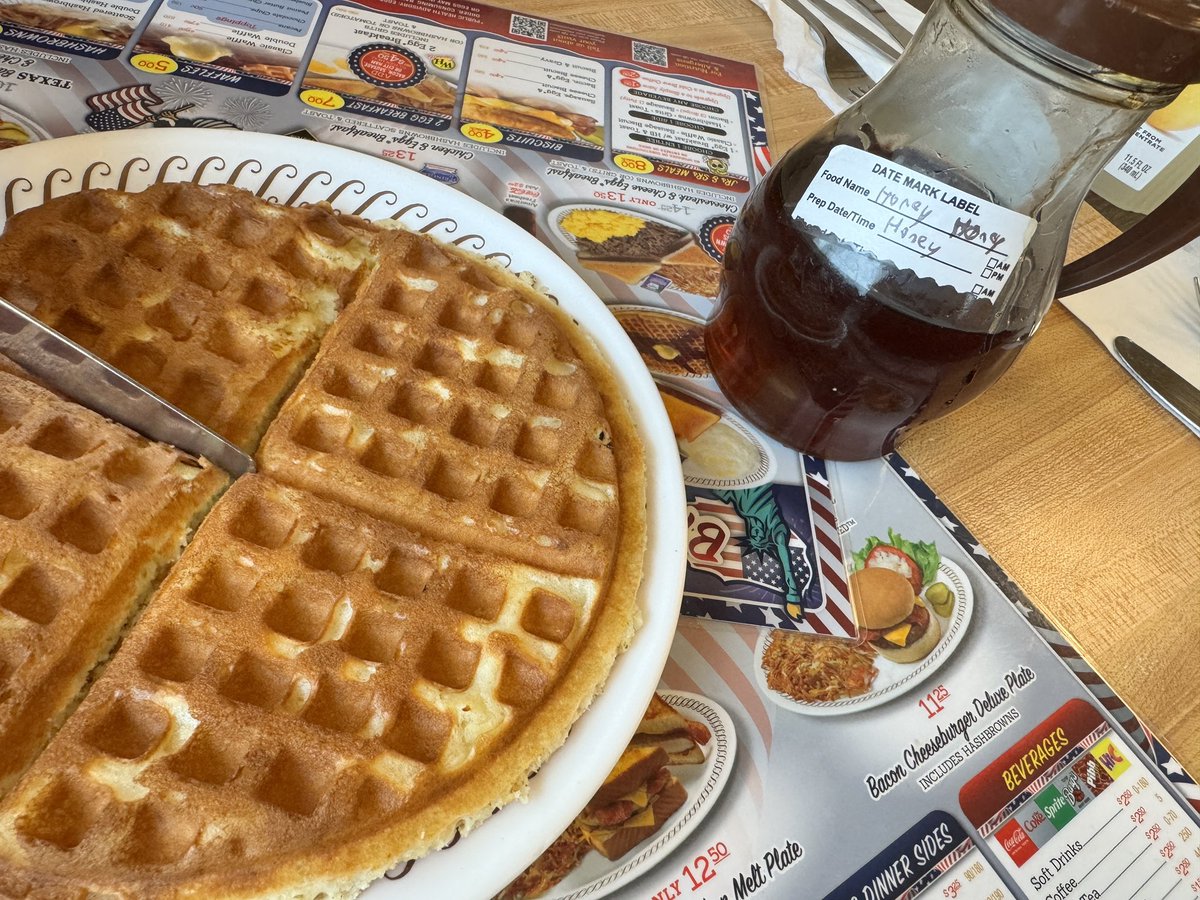
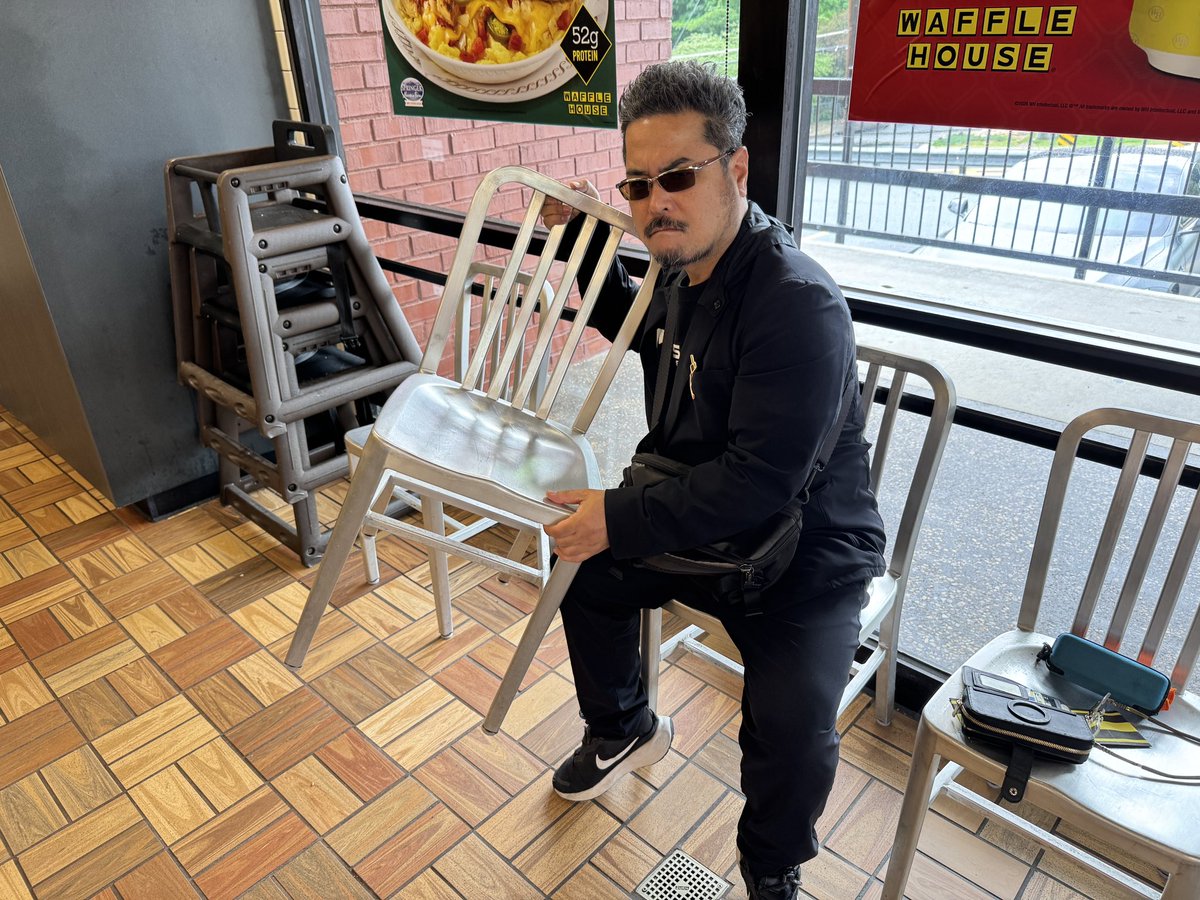
I finally made it to WAFFLE HOUSE.
The staff are always friendly, and when I asked if they would sell me a menu, they sold me one for $5.
Next time, I’ll be back at 3 a.m. for fight time.
#WAFFLEHOUSE
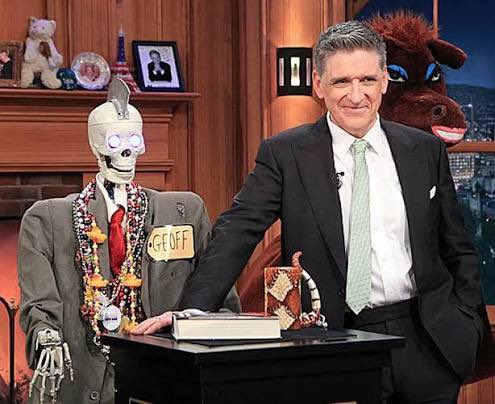
On another timeline, Stephen Colbert never became the host of The Late Show and these guys are still reading viewer emails.
Never forget what CBS took from us.
The worst thing about this meal is that if you eat it consistently, you may experience memory problems.
Like there's a very good chance you're going to forget your doctor's name.
A dog was diagnosed with depression after suffering a miscarriage, and vets decided that working with kids at a local school would be good for her. She has never been happier.
That mound of earth holds 500,000 bodies because there was no one left alive to bury them separately.
Viktor Putin died of diphtheria in the winter of 1942. He was two years old. His mother had placed him in a children's shelter hoping it would save his life. The shelters were supposed to protect kids from the bombing. Diphtheria killed him instead. There was no medicine. There were barely any calories. By that winter, Leningrad residents were rationed 125 grams of bread per day. A single slice.
His mother Maria collapsed near a pile of corpses shortly after. Workers began dragging her body toward the mass graves. She woke up on the stretcher. Putin's father Vladimir was at the front, hit by a German grenade, crawling back to Soviet lines with shrapnel in his legs. Five of his six brothers were already dead.
872 days. That's how long the siege lasted. 3 million people lived in Leningrad when it started. 700,000 were alive when it ended, and 300,000 of those were soldiers who came from elsewhere. The city lost roughly 80% of its original civilian population. The death toll exceeded Hiroshima and Nagasaki combined.
Putin was born in 1952, eight years after the siege lifted. He never met Viktor. He has said publicly, "I don't even know where my brother is buried." He's standing at Piskarevskoye Cemetery, the largest mass grave from the Second World War. The grave doesn't have Viktor's name on it. None of them do.
He visits every January 27th. He has done this for over two decades. The flowers go on a mound of earth covering thousands of unnamed dead, and somewhere in that ground is a two-year-old boy who shares his last name.