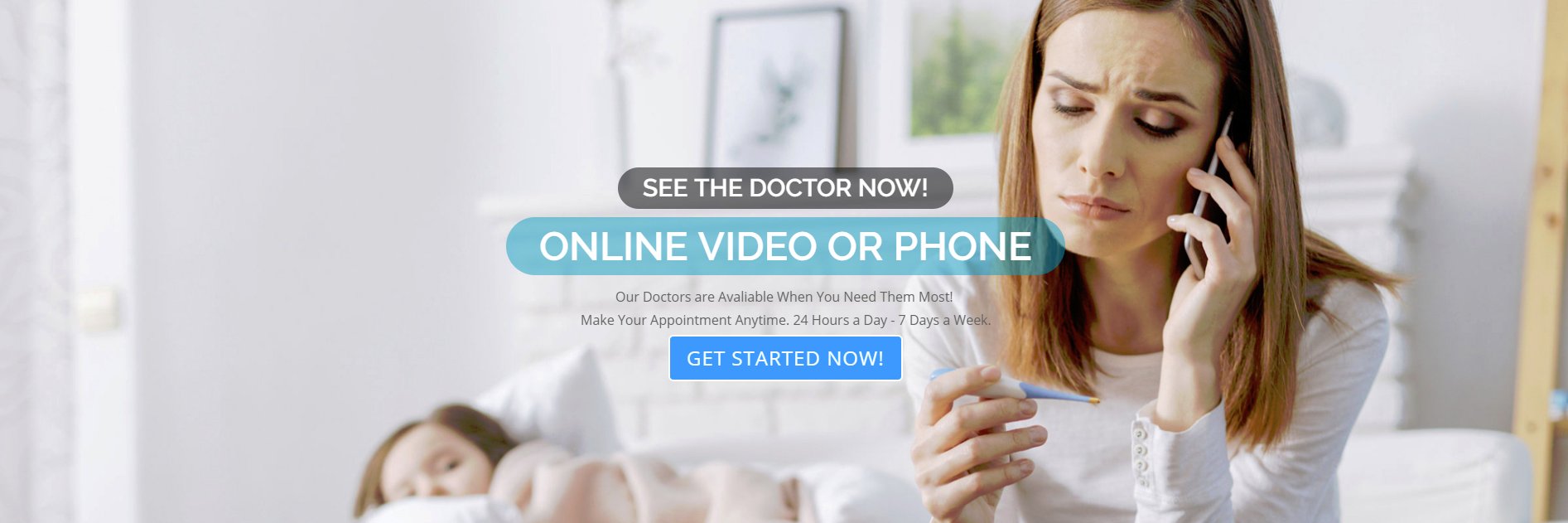
OurDoctor physicians are available 24/7/365 and provide members with convenient, high-quality medical consultations, in the comfort of their own #home.
Need a quick #prescription and don't want to head to the #doctorsoffice? Single Use One Time DOCTOR VISIT! $19.95. No reoccurring payments! And in the comfort of your own #home! Check out https://t.co/fvfavglAF6
Healthcare for the whole family, whenever you need it. ❤️
From late-night fevers and seasonal illnesses to everyday urgent care needs, the OurDoctor Family Plan gives your household convenient access to quality telehealth—all from the comfort of home.
Skip the waiting room, connect with licensed medical providers online, and get the care your family needs, when they need it most.
Because peace of mind should be part of every family's healthcare plan.
#OurDoctor #FamilyHealthcare #Telehealth #UrgentCare #VirtualCare #FamilyPlan #HealthcareMadeEasy #OnlineDoctor #HealthAndWellness #ConvenientCare #DigitalHealth #FamilyFirst #PrimaryCare #HealthcareInnovation
Ever caught yourself thinking, "I could start my own telemedicine brand"? 💭
With OurDoctor's white-label platform, you can launch under your own brand, on your own domain, with pricing you control—without spending months building the technology yourself.
We take care of the physicians, pharmacy fulfillment, EHR, e-prescribing, patient portal, and the operational infrastructure behind the scenes, so you can focus on growing your business.
Launch your telemedicine brand in days, not months. Ready to see what's possible? Visit OurDoctor to learn more.
#OurDoctor #Telemedicine #WhiteLabel #DigitalHealth #HealthcareBusiness #HealthTech #MedicalEntrepreneur #Startup #TelehealthBusiness #OnlineHealthcare #BusinessOpportunity #Entrepreneur #HealthcareInnovation #PassiveIncome #BrandBuilder
Launch your own telemedicine brand—without building the infrastructure from scratch. 🚀
With our white-label platform, you can launch under your own brand, your own domain, and your own pricing while the powerful back-end is already in place. From virtual care technology to secure operations, we've built the foundation so you can focus on growing your business.
Ready to turn your brand into a modern telemedicine business? Start today and launch in days, not months.
#Telemedicine #Telehealth #WhiteLabel #HealthcareBusiness #DigitalHealth #HealthTech #Entrepreneur #BusinessOpportunity #Startup #MedicalBusiness #HealthcareInnovation #OnlineHealthcare #TelehealthPlatform #BrandYourBusiness #OurDoctor
Running a business is expensive—but taking care of your team doesn't have to be.
With OurDoctor, you can give your employees affordable access to virtual healthcare without the high costs of traditional health insurance. It's a smart benefit for businesses looking to support their workforce while keeping expenses under control.
Whether you're a small business, startup, or growing company, OurDoctor makes it easy to offer your employees convenient access to licensed medical providers from anywhere.
Invest in your team. Save on healthcare costs. Everyone wins.
#OurDoctor #EmployeeBenefits #SmallBusiness #BusinessOwners #Telehealth #VirtualHealthcare #HealthcareSolutions #WorkplaceWellness #EmployeeWellness #HR #Entrepreneur #BusinessGrowth #AffordableHealthcare #HealthcareBenefits #TeamSuccess
TELEMEDICINE REPLACING SOME IN-PERSON CLINICS
Telemedicine isn’t just supplementing care — in some cases, it’s becoming the primary care option for patients instead of in-person visits.
For sexual and reproductive health services, many clinics have shifted portions of their services to virtual care because it dramatically increases access and lowers barriers. For example, telehealth options now cover contraception counseling, STI care, medication delivery for common infections, and prescription management.
Studies show telemedicine models deliver similar health outcomes — like contraceptive continuation and STI counseling — compared with in-person care, and many patients report high satisfaction with virtual visits.
Real-life impact example: A clinic might reduce its physical hours or close a location in a rural area but still provide full counseling and prescription services online — allowing patients to receive care without traveling long distances.
This shift has sparked major online discussion because it reflects a larger transformation in how healthcare systems prioritize access and convenience without
sacrificing quality.
This content is provided for general informational and educational purposes only. It is not intended as medical advice.
AT-HOME STD TESTING IS GOING MAINSTREAM
One of the biggest shifts happening right now is that at-home sexually transmitted infection (STI) testing is no longer just a concept — it’s real and FDA-approved. The U.S. Food and Drug Administration recently approved the first fully at-home STI test that can detect three common infections — gonorrhea, chlamydia, and trichomoniasis — without needing to go into a clinic. Users collect a sample at home, use the testing device, and get their results privately. This is a viral trend because it combines privacy, speed, and medical accuracy, which encourages more frequent testing — especially among people who might avoid clinics due to stigma or inconvenience. There are already telehealth services that pair at-home testing with virtual consults and treatment plans, so if someone tests positive, they can get follow-up care without stepping into a clinic. Experts believe wide at-home testing will help lower infection rates overall because people will test more often when it’s easy and private to do so.
This content is provided for general informational and educational purposes only. It is not intended as medical advice.
Telemedicine is no longer a temporary solution from the pandemic era — it has become a major way people access healthcare, especially for sexual and reproductive health. Rising healthcare costs, provider shortages, and rapid advances in digital health technology have pushed virtual care into the mainstream. Today, many patients actively prefer telemedicine because it offers privacy, convenience, and care from wherever they already are.
Research shows that telemedicine improves access to contraception, STI testing and treatment, and reproductive care by removing common barriers such as transportation, long clinic wait times, and scheduling conflicts. In this breakdown, we explore four of the most important telemedicine and sexual health trends shaping healthcare today — supported by real studies and data.
At-Home STI Testing Is Going Mainstream
One of the biggest shifts in sexual health is the rise of FDA-approved at-home STI testing. The U.S. Food and Drug Administration has approved fully at-home tests that can detect common infections like gonorrhea, chlamydia, and trichomoniasis without an in-person clinic visit. Users collect samples at home and receive private results, increasing testing frequency and early detection.
Many telehealth platforms now combine at-home testing with virtual consultations and treatment plans, allowing patients to receive follow-up care without visiting a clinic. Public health experts believe widespread access to at-home STI testing could help reduce infection rates by making routine testing easier and more discreet.
Telemedicine Replacing Some In-Person Clinics
Telemedicine is no longer just supplementing healthcare — in many cases, it is replacing certain in-person services. Sexual and reproductive health clinics increasingly offer virtual care for contraception counseling, STI treatment, prescription management, and medication delivery.
Studies show that telemedicine delivers health outcomes comparable to in-person visits, including contraceptive continuation and STI counseling, with high patient satisfaction. In rural or underserved areas, clinics may reduce physical hours or close locations while still providing full care online, eliminating long travel distances and improving access.
Telehealth for Contraception and Family Planning
Telemedicine has transformed contraception and family planning by making care faster and more accessible. Research shows that virtual family planning services increase access to birth control counseling, follow-up care, and STI treatment, particularly when clinics face capacity limits.
Digital tools such as mobile apps and text-based reminders also help patients stay consistent with their chosen contraceptive method, improving outcomes and personal autonomy. This shift reflects a broader move toward patient-centered healthcare with fewer delays and fewer barriers.
AI and Digital Tools in Sexual Health Telemedicine
Artificial intelligence and digital health tools are increasingly integrated into telemedicine platforms. These tools assist with symptom screening, triage, pre-visit questionnaires, and personalized follow-up reminders. In sexual health, AI helps users ask sensitive questions comfortably, supporting earlier care and better treatment adherence.
Why These Trends Matter
Together, at-home testing, virtual clinics, telehealth contraception, and AI tools show how healthcare is becoming more private, efficient, and patient-driven. Telemedicine is no longer optional — it is often the preferred first step for sexual and reproductive healthcare.
Disclaimer: This content is for educational and informational purposes only and is not intended as medical advice.
IF YOU HAVE ED, HOW DOES EXERCISE AND MEDICATION WORK TOGETHER
This part is very important. Erectile dysfunction is often an early sign of vascular issues. Not just a sexual problem. Exercise helps ED by: Improving endothelial function— that’s the lining of blood vessels Increasing nitric oxide availability Reducing inflammation Improving insulin sensitivity And supporting healthy blood pressure and cholesterol Now here’s the key medical point. ED medications rely on healthy blood flow to work. If blood vessels are stiff or damaged, results can be inconsistent. Exercise improves the system underneath. That often means medications: Work more reliably Feel more natural And in some cases, require lower doses Medication treats the symptom. Exercise strengthens the foundation. Together, they’re often far more effective than either alone.
DISCLAIMER: This content is provided for general informational and educational purposes only. It is not intended as medical advice.
What Kind of Sexual Performance and Libido Improvements Should You Expect when starting a new exercise routine? This is the question everyone asks. What actually changes? Within two to six weeks of consistent exercise, many people notice: Better erection firmness Faster arousal Increased stamina Stronger orgasms Less performance anxiety And better sleep And sleep alone has a major impact on libido and hormone balance. You don’t need extreme workouts. Research shows even moderate activity— like brisk walking or basic strength training— can significantly improve sexual function. Your body responds quickly when circulation and nervous system regulation improve. DISCLAIMER: This content is provided for general informational and educational purposes only. It is not intended as medical advice.
Telemedicine is Here to Stay - The Future of Healthcare
Are you one of the 80% of people in the U.S. who’ve used telemedicine at least once?
Because here’s the surprising part—
Telehealth didn’t disappear after the pandemic.
It actually stuck.
So why are people still choosing telemedicine even when clinics are fully open?
First: convenience.
No waiting rooms. No driving. No time off work.
You can talk to a provider from your couch.
Second: privacy.
For things like sexual health, mental health, or sensitive questions,
people are way more honest when they’re not sitting face-to-face.
Third: speed.
Appointments happen faster. Prescriptions get filled quicker.
And follow-ups are easier to keep.
And here’s the real reason telemedicine works:
Most healthcare doesn’t actually need a physical exam.
It’s about conversations, symptoms, labs, and next steps.
Telemedicine removed friction.
And once people experienced that…
they didn’t want to go back.
That’s why telehealth isn’t a pandemic trend—it’s a permanent shift.
If you’ve used telemedicine before, you’re not the exception.
You’re the future.
Follow for more real talk on healthcare, tech, and sexual health.
DISCLAIMER: This content is provided for general informational and educational purposes only. It is not intended as medical advice.
Exercise and Sex Life - The Science Explained!
HOW DOES EXERCISE HELP WITH YOUR SEX LIFE — THE SCIENCE?
Sexual function depends on multiple systems working together.
First—your cardiovascular system.
Erections and arousal rely on healthy blood vessels and nitric oxide.
Nitric oxide helps blood vessels relax and widen.
Exercise increases nitric oxide production, which improves blood flow to genital tissue.
Second—your nervous system.
Arousal starts in the brain.
Stress and anxiety activate fight-or-flight, which shuts sexual response down.
Exercise improves parasympathetic nervous system activity— the system responsible for arousal and orgasm.
Third—hormones.
Strength training supports healthy testosterone levels in men and balanced sex hormones in women.
Hormones influence libido, energy, and sexual responsiveness.
Fourth—the musculoskeletal system.
Sex is physical.
Weak hips, poor endurance, or limited mobility can reduce comfort, stamina, and confidence.
That’s why exercise improves sex from multiple angles at once.
DISCLAIMER: This content is provided for general informational and educational purposes only. It is not intended as medical advice.
AI in Sexual Health
Everyone keeps talking about AI in sexual health— but what does that actually mean?
Here’s the simple version.
AI isn’t replacing doctors. It’s helping people get to care faster and smarter.
Here’s a real-world example.
Say a guy is dealing with erectile issues. He doesn’t know if it’s stress, hormones, meds, or something physical. And honestly—he’s embarrassed to talk about it.
Instead of Googling at 2 a.m., he uses an AI intake tool.
It asks smart, follow-up questions— sleep, stress, medications, lifestyle, symptoms. Not generic checkboxes. Personalized questions based on his answers.
The AI helps flag what’s most likely, educates him on options, and routes him to the right care.
Then he talks to a licensed doctor or nurse practitioner— already informed, already prepared— who can actually help.
The same thing happens for libido issues, STI concerns, performance anxiety, hormone questions.
Another big reason this is trending? Privacy.
People ask questions they’d never ask in person. No waiting rooms. No judgment.
AI doesn’t replace the doctor. It removes friction, fear, and delay.
That’s why personalized AI tools are changing sexual health care.
DISCLAIMER: This content is provided for general informational and educational purposes only. It is not intended as medical advice.
🚨 Hot take: sexual health has been taught completely wrong.
For decades, it was all about what’s broken—ED. Low libido. Pain. STIs.
If nothing was “wrong,” doctors moved on. But there’s a major shift happening in sexual medicine…
And it’s about pleasure.
Health experts are now recognizing that sexual pleasure isn’t a bonus—it’s a real health outcome.
It’s tied to mental health, confidence, relationships, and quality of life.
The World Health Organization even defines sexual health as physical, emotional, mental, and social well-being—not just the absence of disease.
Here’s why that matters:
A treatment can work on paper…
But if sex still feels stressful, disconnected, or unfulfilling—
That’s not real success.
Modern sexual medicine looks at the full picture:
Your body. Your mind. Your relationships. Not just whether something technically works.
Doctors are starting to ask better questions:
“Does this feel good?”
“Do you feel connected?”
“Are you actually enjoying sex?”
Because when pleasure is ignored, people disengage from care.
But when pleasure is part of the conversation? Shame drops. Outcomes improve. People feel human again.
Sexual health isn’t just about avoiding problems.
It’s about feeling good, connected, and confident. Follow for real sexual health—no shame, just science.
DISCLAIMER: This content is provided for general informational and educational purposes only. It is not intended as medical advice.
Quick PSA: you could have an STI right now and have zero symptoms.
No itching. No pain. No warning signs.
And yes—you could still pass it to someone else.
STI rates are still extremely high in the U.S.
Chlamydia, gonorrhea, and syphilis spread most often because people don’t know they have them.
Here’s the scary part:
Most STIs are easy to treat when caught early.
But if you ignore testing, they can lead to infertility, chronic pain, pregnancy complications, and even higher HIV risk.
And no—STI testing isn’t just for “hookups.”
If you’re sexually active, dating, or in a relationship, screening is basic self-care.
The Centers for Disease Control and Prevention recommends routine STI screening—even if you feel totally fine.
Normalize testing. Protect your health. Protect your partner.
Follow for real sexual health facts—no shame, just science.
DISCLAIMER: This content is provided for general informational and educational purposes only. It is not intended as medical advice.
Why Telemedicine Makes More Sense...
Imagine this.
It’s 3 a.m.
You wake up sick—like really sick.
Your throat is burning. Your head is pounding.
You’re exhausted, asking yourself…
“Do I really get dressed, drive across town, and wait in an urgent care lobby?”
Or do you grab your phone?
With telemedicine, you can talk to a licensed doctor from your bed, often within minutes.
No driving. No waiting rooms. No exposure to other sick people.
And that’s why more people are moving to telemedicine.
It’s faster, more affordable, and built for real life.
You get upfront pricing.
Shorter wait times.
Digital records that make follow-ups easy.
More privacy for sensitive health concerns.
And access to care even when clinics are closed.
Doctors can treat common illnesses, infections, rashes, allergies, mental health concerns, and handle prescription refills—all remotely.
Your medication gets sent straight to your pharmacy, sometimes before morning.
Urgent care still matters for injuries or hands-on treatment.
But for everyday health issues?
Telemedicine saves time, saves money, and meets you where you are—
especially at 3 a.m., when you need care the most.
DISCLAIMER: This content is provided for general informational and educational purposes only. It is not intended as medical advice.
🌟 Join us at the Affiliate Summit West in Las Vegas! 🎰
📅 Mark your calendar for January 12-14.
Come visit our booth and discover exciting opportunities!
Don’t miss out on networking with industry leaders! 🤝
#AffiliateSummit#LasVegasEvents#Networking#January2026
“Hospital at Home.”
This is already happening in places like the UK’s National Health Service, and across the United States in states like Texas, where major health systems are treating patients at home instead of in hospital beds.
So, what is it exactly?
Instead of keeping patients in a hospital bed,
health systems are treating certain patients in their own homes—
with real doctors, nurses, remote monitoring, and daily check-ins.
This isn’t experimental.
According to the Financial Times and the UK’s National Health Service,
programs like this are already saving thousands of hospital bed days
and millions in healthcare costs.
Here’s how it works.
Patients with conditions like:
Infections
Heart failure flare-ups
COPD
Post-surgical recovery
Get hospital-level care at home.
They receive:
In-home nurse visits
Virtual doctor rounds
Remote vitals monitoring
Medications delivered to their door
Same level of medical oversight—
just without the hospital room.
Why hospitals love it?
Fewer infections.
Lower costs.
Less overcrowding.
Faster patient recovery.
And patients?
They sleep better.
Eat their own food.
Avoid hospital-acquired infections.
And recover in a familiar environment.
The Financial Times reports some programs cost significantly less per patient
than traditional hospital stays—
while maintaining similar or better outcomes.
But here’s the real question.
If technology, remote monitoring, and telemedicine can safely replace
some hospital stays…
Should hospitals be places you go only when you absolutely have to?
Is “Hospital at Home” the future of healthcare—
or does it raise safety concerns we haven’t fully thought through yet?
What do you think—
good idea or bad idea?
DISCLAIMER: This content is provided for general informational and educational purposes only. It is not intended as medical advice.
Norovirus is everywhere right now— and most people don’t realize how serious it actually is. Norovirus causes millions of illnesses every year in the U.S. It’s responsible for hundreds of thousands of ER visits and tens of thousands of hospitalizations, mostly in kids and older adults. And this season? Doctors are seeing faster spread and harder-hitting symptoms, especially in children. Here’s why it’s such a problem. Norovirus is one of the most contagious viruses on the planet. It only takes a few viral particles to infect someone. One sick child can infect an entire classroom in days. Symptoms hit fast—usually within 12 to 48 hours: violent vomiting, diarrhea, stomach cramps, fever. The real danger isn’t the virus. It’s dehydration. Kids can lose fluids so quickly that they end up needing IVs. That’s why hospitals get overwhelmed during outbreaks. There’s also no specific treatment. No antiviral. No antibiotic. Just fluids, electrolytes, and monitoring. And here’s something most people don’t know— norovirus can live on surfaces for days, and regular cleaners don’t kill it. You need bleach-based disinfectants. This is where telemedicine actually helps. A telehealth provider can help parents figure out: Is this norovirus or something else? Can this be managed at home? Or is it time for urgent care or the ER? That keeps sick kids out of waiting rooms and helps families act early—before dehydration hits. That’s why norovirus is trending right now. It spreads fast. Hits hard. And disrupts everything. Follow for more real-world health explainers you actually need. DISCLAIMER: This content is provided for general informational and educational purposes only. It is not intended as medical advice.
Daily Intimacy Improves Your Health!
What if I told you almost-daily intimacy improving your health is actually backed by medical science?
No, seriously — studies show frequent adult connection can support real health benefits.
First: your heart.
Medical studies published in peer-reviewed journals show people with frequent bedroom activity have lower blood pressure and a reduced risk of heart disease and early death compared to those who rarely engage.
Second: your immune system.
Research shows people who connect two times a week or more have higher levels of immune markers like IgA, while stress hormones drop. Less stress, stronger defenses.
Third: mood and mental health.
According to large U.S. studies and data cited in medical journals, weekly or more frequent intimacy is linked to lower depression rates, better mood, and improved overall well-being — thanks to dopamine, endorphins, and oxytocin.
Fourth: sleep.
Post-connection hormone release — especially oxytocin — helps the nervous system calm down, making it easier to fall asleep and stay asleep.
For men: long-term health.
Multiple long-term medical studies show higher release frequency over time is associated with a lower risk of prostate issues later in life.
And finally: relationships.
Clinical research consistently shows regular physical closeness strengthens emotional bonding — and strong relationships are tied to longer, healthier lives.
Keep in mind, this isn’t about pressure or performance.
It’s about connection with your partner.
But yes — science is very clear:
A healthy, frequent intimate life can support a healthier body.
DISCLAIMER: This content is provided for general informational and educational purposes only. It is not intended as medical advice.
Most families avoid high-deductible health plans.
Because they sound risky.
But here’s the hidden strategy smart families use.
They pair a high-deductible insurance plan
with a telehealth subscription.
A family of four can often pay hundreds less per month
for a high-deductible plan compared to a low-deductible one.
Over the course of a year, that adds up to thousands of dollars in premium savings—
before you even factor in fewer urgent care visits.
The fear is everyday care.
Kids get sick.
Rashes. Ear infections. Pink eye. Refills.
That’s where telemedicine fills the gap.
And here’s something important most people forget—
whether you go to urgent care or use telemedicine,
you’re still speaking to a licensed medical professional.
A doctor.
Or a nurse practitioner.
The same level of expertise—just delivered differently.
With telemedicine, that expert meets you online,
reviews your symptoms,
and prescribes treatment when appropriate.
Instead of urgent care visits costing
$150… $250… sometimes more—
you handle most of it through telehealth
for a low monthly subscription.
No deductible hit.
No surprise bills.
No missed work or school.
Insurance stays in place for what it’s meant for—
ER visits, hospital stays, surgeries, real emergencies.
So the math works like this:
Lower premiums every month.
Telehealth for the small stuff.
Insurance for the big stuff.
For a family of four, that combo
can mean thousands saved every single year
without giving up real medical care.
It’s not risky.
It’s strategic.
DISCLAIMER: This content is provided for general informational and educational purposes only. It is not intended as medical advice.