So many #millennials aren't having kids for several reasons, including that they're #caregivers for aging parents & can't/don't want to have kids of their own. I often wonder who we will depend on for our own care when the time comes!
[h/t @DiverseElders]
https://t.co/CuvlUBkMly
U.S. immigration and welfare policies have limited access to the public safety net for many lawfully present immigrants for over 2 decades, including an arbitrary five-year waiting period—often referred to as the “5-year bar”. Congress needs to change this https://t.co/JvvVh5jr8t
Your girl was on primetime! 😁 Glad 2 partner with @UsAgainstAlz to increase the use of #brainguide in Atlanta, especially in Black communities. We will reverse the statistics!!!! #brainhealth#earlydetection thx @wsbtv 4 highlighting this important topic. Ready 4 CNN & GMA next!
More than 3 million LGBTQ adults over age 50 live in the U.S. – and more than half of them feel lonely. Here are what organizations across the United States are doing to help. https://t.co/JI7is2CeWs via @USATODAY@sageusa
#QOTD "How far you go in life depends on your being tender with the young, compassionate with the aged, sympathetic with the striving, and tolerant of the weak and strong. Because someday in your life you will have been all of these." — George Washington Carver
“…normalizing [feelings of sadness, anger, guilt, and anxiety] is important so people can feel less alone and more able to communicate what they are going through to gain support.”
How do you cope with your emotions as a caregiver?
Caregivers can experience a range of emotions, including sadness, anger, guilt, and anxiety. It can feel shameful to admit this, and yet normalizing these feelings is important so people can feel less alone. Here are some key tips for caregivers: https://t.co/CB4WQqj1oR
🗞️The @washingtonpost recently highlighted the health disparities women of color face when they or their loved one are diagnosed w/ #dementia. 👩🏾 In the article, #FTDcaregiver@AishaAdkins shared her family’s difficult journey to her mom’s #FTDdiagnosis: https://t.co/yoCBBwq4y7
Appreciated the feature w/ some of my favorites, @malawian81@jason_r_DC in this @washingtonpost article about the disparities between Black & Latina womxn living w/ #dementia, & their white counterparts. Thank you for committing to the work @sterncarly96! https://t.co/beSQuPVv2Z
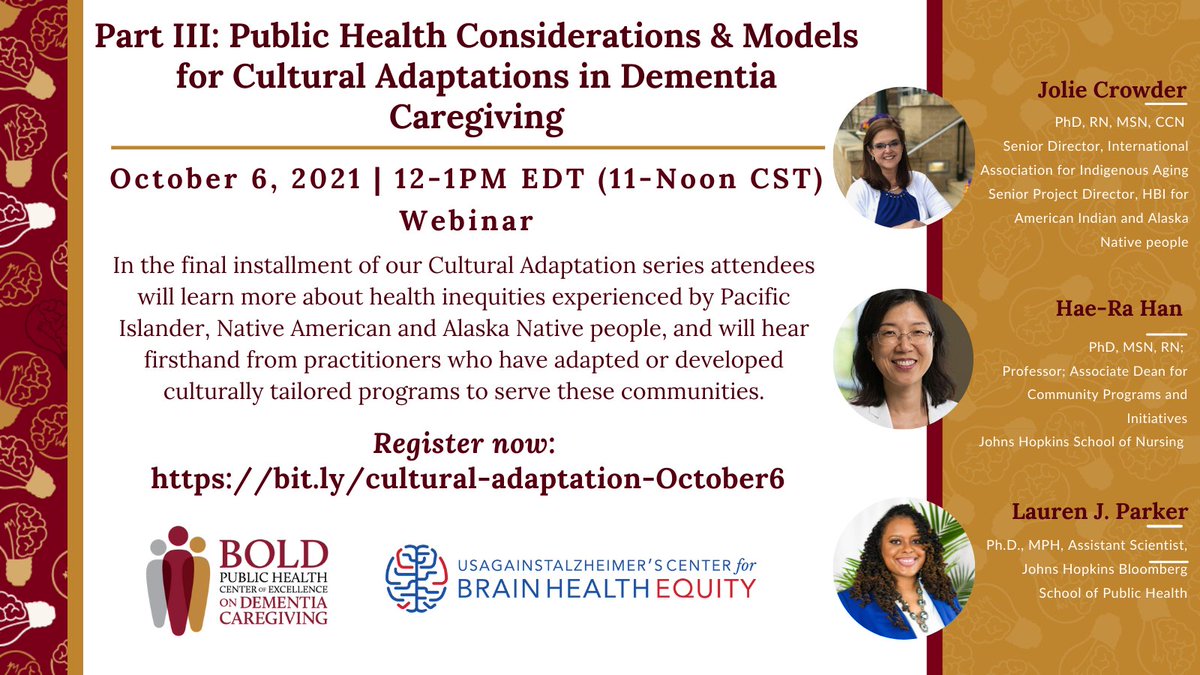
In one hour⏰!
Join & hear about programs tailored to support Asian American and Indigenous #caregivers , with @han_hhan3 , Dr. Jolie Crowder @IA2Association and @DR_LJParker
You can still register at https://t.co/i3JUrMYanU
Or follow us live here with #culturemattersindementia
#Queer#MillennialCaregivers aren’t prepared to care for their parents at young ages – or to hide their queerness when caring for parents who don’t accept or understand the fullness of who they are.
(@them)
https://t.co/6DbwqFMB3r
Caregiver issues like depression, isolation, and burnout are becoming urgent. "Caregivers often become the voice for those who can no longer speak, the legs for those who can no longer walk, and the eyes for those who can no longer see." https://t.co/3dV6Xe3C9K @jaxdotcom
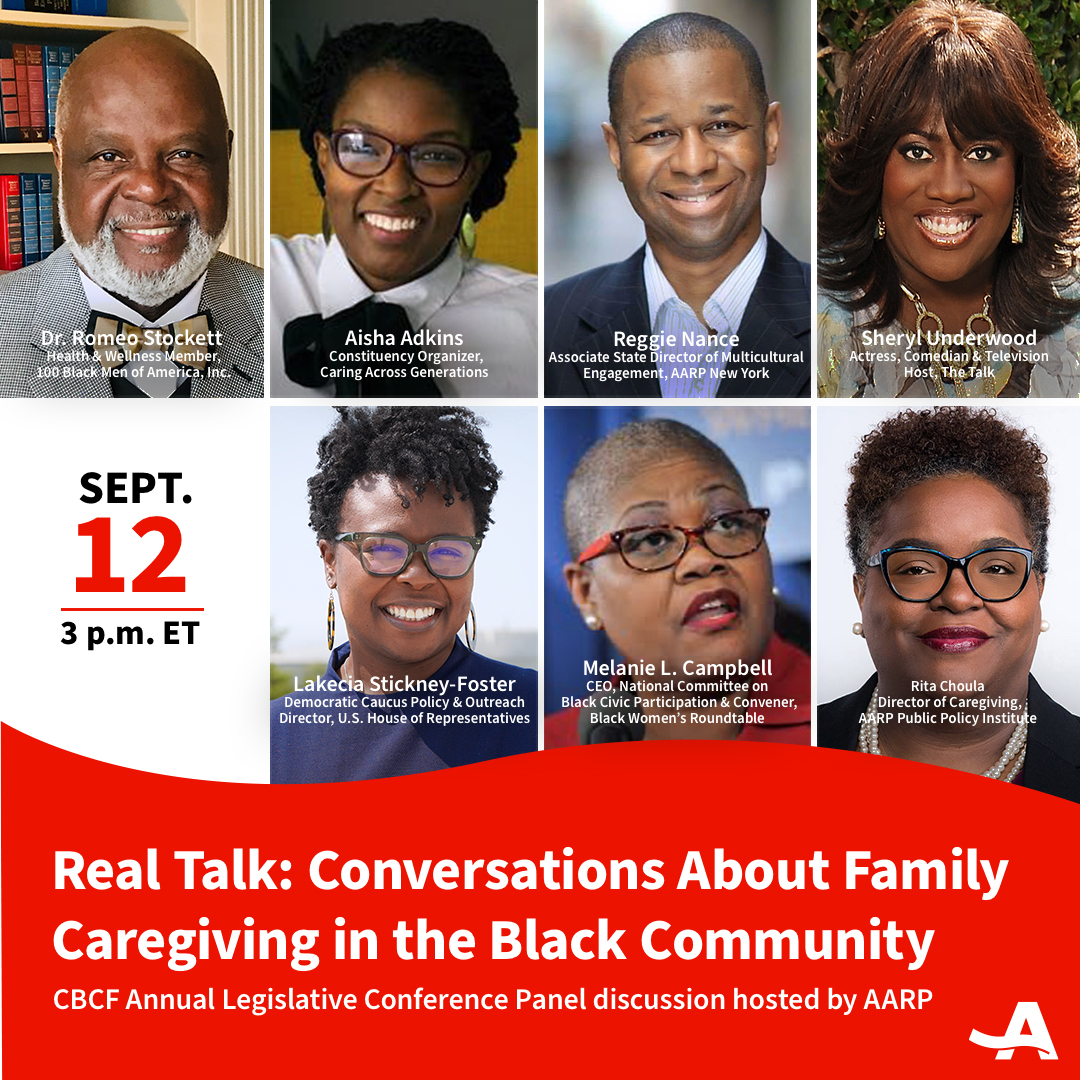
I am truly honored to participate in this discussion alongside such powerful Black voices representing @aarp and the @CBCFInc! Be sure to register for this *FREE* conference!
#ALC50
https://t.co/L1wCdXJhoN
Hey! Do you/have you ever cared for a family member (blood or chosen)? Want to join a community of other #caregivers to impact + change the way we do care? Could use an extra $250 per month? Apply for the @CaringAcrossGen 2021 Care Fellowship today! ⬇️ https://t.co/2YAOOY6S66