NIGERIANS, GO AND VERIFY (9)
Following the numerous attacks on the Nigeria Democratic Congress (NDC), which tragically resulted in the loss of lives, I temporarily suspended my daily series on what we achieved in Anambra State during my time as Governor. I considered it important to acknowledge the gravity of the situation and respect those who lost their lives. I am now resuming the series with the ninth instalment, as I believe that sharing our experience and lessons in governance remains important to Nigeria’s future. As always, I invite Nigerians to read, reflect, and go and verify.
NIGERIANS, GO AND VERIFY (9)
REVIVING SPORTS: UNLOCKING TALENT, EMPOWERING YOUTH AND BUILDING NATIONAL UNITY
Throughout the history of civilisation, sports have remained an important part of human culture. Their capacity to unite people, inspire excellence, promote healthy competition, and elevate individuals to legendary status is remarkable. Across the world, outstanding sportsmen and women are celebrated not merely for their physical abilities but also for the discipline, determination, and excellence they represent.
This admiration is not new. Even in antiquity, athletic culture played an important role in society. As a student of philosophy, I recall the tradition that Plato, whose original name was Aristocles, acquired the name by which history remembers him because of his broad shoulders and impressive physique as a wrestler.
Indeed, sports have always transcended geographical, ethnic, religious, and cultural boundaries. They bring people together in ways that few other human activities can. This capacity to unite people has always been particularly important to me in my vision for Nigeria. A country as diverse as ours needs every available instrument to strengthen national cohesion, and sports provide one of the most effective avenues for achieving this.
It was in this understanding that sports development became an important component of our human capital development agenda under the Anambra Integrated Development Strategy (ANIDS). We saw sports not merely as recreational activities or competitions for winning medals but as instruments of youth development, social integration, talent discovery, employment creation, and economic empowerment.
When we assumed office in March 2006, sports in Anambra State had virtually collapsed. The state lacked adequate public sporting infrastructure, sporting activities in schools had suffered serious neglect, and even some schools were being established and approved without sufficient sporting facilities. We considered this unacceptable because education should develop the whole person, not merely produce examination certificates.
We therefore resolved to restore sports to their rightful place in the development of the state through deliberate investment, institutional support, and the revival of grassroots participation.
1. Rebuilding Sporting Infrastructure
Our first responsibility was to provide the infrastructure necessary for sporting activities to flourish. We understood that without accessible and functional facilities, young people would have limited opportunities to discover and develop their talents.
When I assumed office, Onitsha had no stadium or standard football playing ground. One of our major interventions was the construction of the 5,000-capacity Chuba Ikpeazu Memorial Mini Stadium in Onitsha North. To make this possible, we relocated the Local Government headquarters occupying the proposed site, provided a new headquarters elsewhere, and cleared the site for the project. The stadium was named after Justice Chuba Ikpeazu, who founded Ikpeazu Redoubtables, the first privately owned football club in the country. The stadium was eventually commissioned in July 2009.
I am profoundly saddened by the tragic boat accident in Southern Ijaw Local Government Area of Bayelsa State, which reportedly resulted in the loss of 29 lives and affected many others.
The victims were traveling from Ayama Community to Ukubie to attend a burial ceremony when the disaster occurred. They departed their homes to join others in mourning, yet many did not return to their families. I extend my deepest sympathies to the bereaved, especially the parents, spouses, and children who have suddenly lost loved ones. I also pray for the survivors’ swift recovery.
While we offer our condolences, we must also address the conditions that continue to allow such tragedies to occur. In many communities across Bayelsa and the Niger Delta, waterways are indispensable for daily transportation. No citizen should be forced to endanger their life merely to travel between communities.
We must determine whether all safety regulations were followed, whether the vessel was suitable for transporting passengers, whether life jackets were made available, and whether passenger limits were properly enforced.
These questions require clear and truthful answers. I call on the relevant authorities to carry out a comprehensive and transparent investigation, identify responsibility wherever negligence is established, and ensure that those accountable are held to account. Most importantly, we must commit resources to safer vessels, reliable rescue services, mandatory life jackets, and rigorous enforcement of maritime safety regulations.
A responsible government must act before another tragedy occurs. We cannot keep counting the dead, expressing condolences, and moving forward without confronting the failures that have claimed the lives of innocent Nigerians.
May God grant the deceased eternal rest and provide comfort to their grieving families. Every Nigerian life matters. No community should be left vulnerable to preventable tragedies.
A New Nigeria is POssible! -PO
Pete Edochie: What a Loss!
I am deeply saddened by the passing of Chief Pete Edochie, MON, a distinguished son of Anambra State and one of Africa’s most celebrated actors.
Pete was a rare talent who seamlessly combined the experience of an accomplished broadcaster, a deep understanding of our culture and an exceptional command of both English and Igbo. Through his memorable performances, especially his portrayal of Okonkwo in “Things Fall Apart,” he brought our culture and traditions to audiences across the world.
I had the privilege of being with him and listening to him on several occasions. Each encounter was so engaging that I often wished I could remain longer in his company. Beyond his extraordinary talent, he was a remarkable custodian of our cultural heritage.
His death is a profound loss to Nteje, Ndigbo, Nigeria and Africa. I am particularly saddened that he would not live to witness the emergence of the New Nigeria he believed in and fought so passionately for. His voice, artistry and contribution to our cultural identity will remain indelible.
May God grant his soul eternal repose. Amen. -PO
NIGERIANS, GO AND VERIFY (8)
TRANSFORMING COMMERCE, INDUSTRY AND INFRASTRUCTURE: BUILDING AN ECONOMY THAT WORKS
Peter Obi
I have always believed that economic development must go beyond the construction of roads and buildings. It must create opportunities, stimulate enterprise, support local industries, and improve the productive capacity of society. Government must not merely spend money; it must create the conditions that enable people and businesses to prosper.
When I assumed office in 2006, Anambra State already possessed enormous entrepreneurial energy. From Onitsha to Nnewi, Awka, and other commercial centres, our people had demonstrated remarkable ingenuity and enterprise. What was required was a government that could provide the infrastructure, institutional support, and enabling environment to harness this potential.
Under the Anambra Integrated Development Strategy (ANIDS), we therefore pursued a deliberate programme of commercial and industrial development, with particular emphasis on public-private partnerships (PPPs). Our objective was to modernise the business environment, attract investment, strengthen indigenous enterprises, and create employment.
Our approach was guided by a simple conviction: commerce must be supported by production, and industrial development must be supported by infrastructure. We could not continue to depend largely on buying and selling without deliberately creating the conditions for manufacturing, processing, and value addition.
MODERNISING COMMERCE: THE ONITSHA BUSINESS PARKS
Recognising Onitsha’s historical position as the commercial hub of the South-East, we initiated the First and Second Onitsha Business Parks. We wanted to provide organised, modern, and secure business environments capable of accommodating growing corporate and financial activities.
The parks attracted important financial institutions and corporate operations, including facilities for banks, alongside capital market operators and other businesses.
We also conceived the second phase of the Onitsha Business Village as a centre for information and communications technology-related activities. The intention was to move beyond traditional commercial arrangements and provide facilities that would accommodate emerging business opportunities and technology-driven enterprises.
Another initiative was the LG World-ANIDS project, conceived as a one-stop centre for electronic goods, services, and training. We wanted to connect commerce with technology, skills development, and modern business practices.
Our intention was to move commercial activities beyond the limitations of informal arrangements and provide the infrastructure necessary for modern corporate operations.
DEVELOPING HOSPITALITY AND TOURISM: AGULU LAKE RESORT AND PROTEA HOTEL
We also recognised that a growing commercial centre must have the hospitality infrastructure to support investors, business travellers, and tourists. A state that seeks to attract investment must be prepared to accommodate those who come to do business. This informed our conception of two important projects.
The Agulu Lake Resort was designed to harness the natural beauty and tourism potential of Agulu Lake, creating a destination for leisure, hospitality, and conferences. Beyond tourism, we saw the project as an opportunity to stimulate economic activities in the surrounding communities and create employment.
Similarly, the five-star Protea Hotel project in the GRA, Onitsha, was conceived as a public-private partnership to provide high-standard accommodation and hospitality services. We envisaged a facility that would serve investors, business travellers, and visitors while expanding the State’s hospitality infrastructure. Although the project was subsequently abandoned, its original conception reflected our determination to provide the facilities required by a modern commercial economy.
REPEATED ATTACKS ON OUR SUPPORTERS IN DELTA STATE: AN URGENT APPEAL FOR ACTION
I am profoundly troubled by the continuing attacks against our supporters throughout Nigeria, especially the latest tragic incident in Delta State, in which four people were killed during an attack on supporters of the Nigeria Democratic Congress (NDC). I unequivocally condemn this senseless act of violence.
It is no longer sufficient for those responsible to fund the dissemination of false claims against the opposition. They have now escalated to the appalling practice of murdering innocent Nigerians solely because of their political affiliations. This is completely unacceptable.
The deceased include:
1. Hon. Moses Anaughe, immediate past Federal Commissioner, Federal Character Commission.
2. Comrade Akima Efenena Umukoro, former President of the Urhobo Progress Union (UPU), Youth Wing.
3. Nyoren Okoro, an NDC chieftain.
4. An additional victim whose identity has not yet been established.
Fifteen other people sustained critical injuries and were hospitalised. Among them are Hon. Evance Ivwurie, Chairman of Senator Ovie Omo-Agege’s Campaign Organisation, and Comrade Chuks Erhire, Director-General of the same organisation.
I offer my deepest condolences to the families of those who died and pray for a swift recovery for the injured.
I urge the security agencies to conduct a comprehensive investigation, identify those responsible and their sponsors, and ensure they face justice. The authorities must also act swiftly to safeguard Nigerians engaged in political activities.
Every Nigerian has a constitutional right to support any political party or candidate without fear of intimidation or violence. Political differences must be resolved through persuasion and the ballot, never through the use of bullets.
No political ambition is worth the life of even one Nigerian. -PO
We have raised ₦4.5M out of ₦12M for my mum's treatment. Thank you so much to everyone who donated, shared and prayed. We are getting close to helping my mum get her treatment and I’m super grateful for that. Please help my mum get sail through this ❤️.
ANAMBRA TO ABUJA: FAITH, LEADERSHIP AND THE NEW NIGERIA PROJECT
Yesterday, November 21, 2026, was marked by a full schedule of engagements in Anambra State and Abuja. In Awka, I attended the Annual Diocesan Laity Council Meeting and Award Ceremony of the Catholic Diocese of Awka. I commend the Council and express my appreciation to my Lord Bishop, Most Rev. Paulinus Chukwuemeka Ezeokafor, for his uplifting homily, prayers and thoughtful guidance.
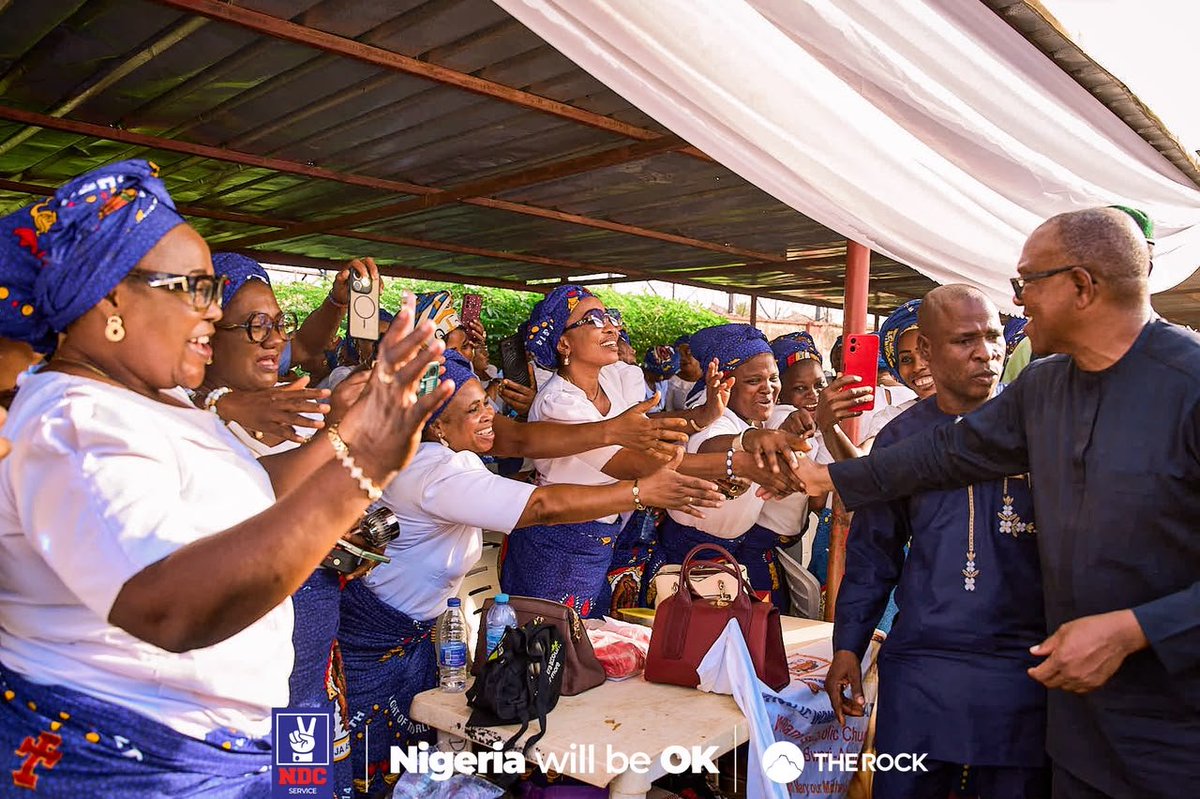
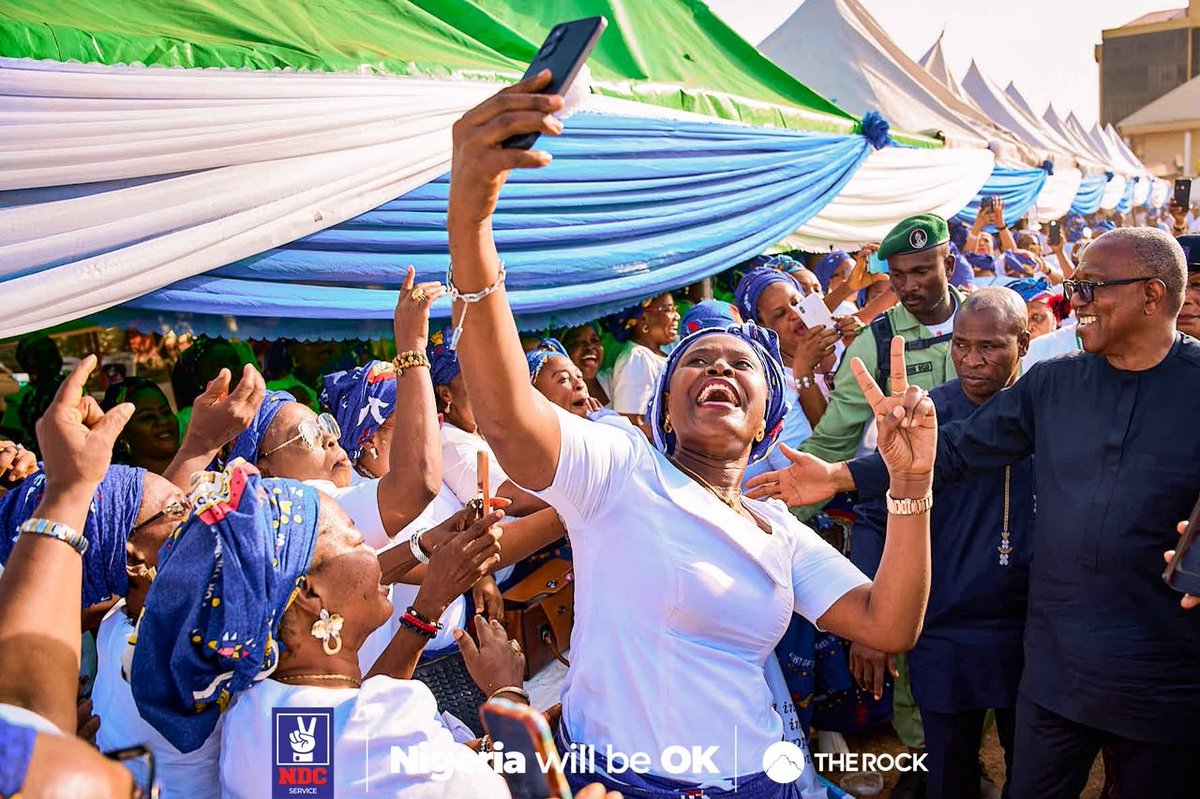
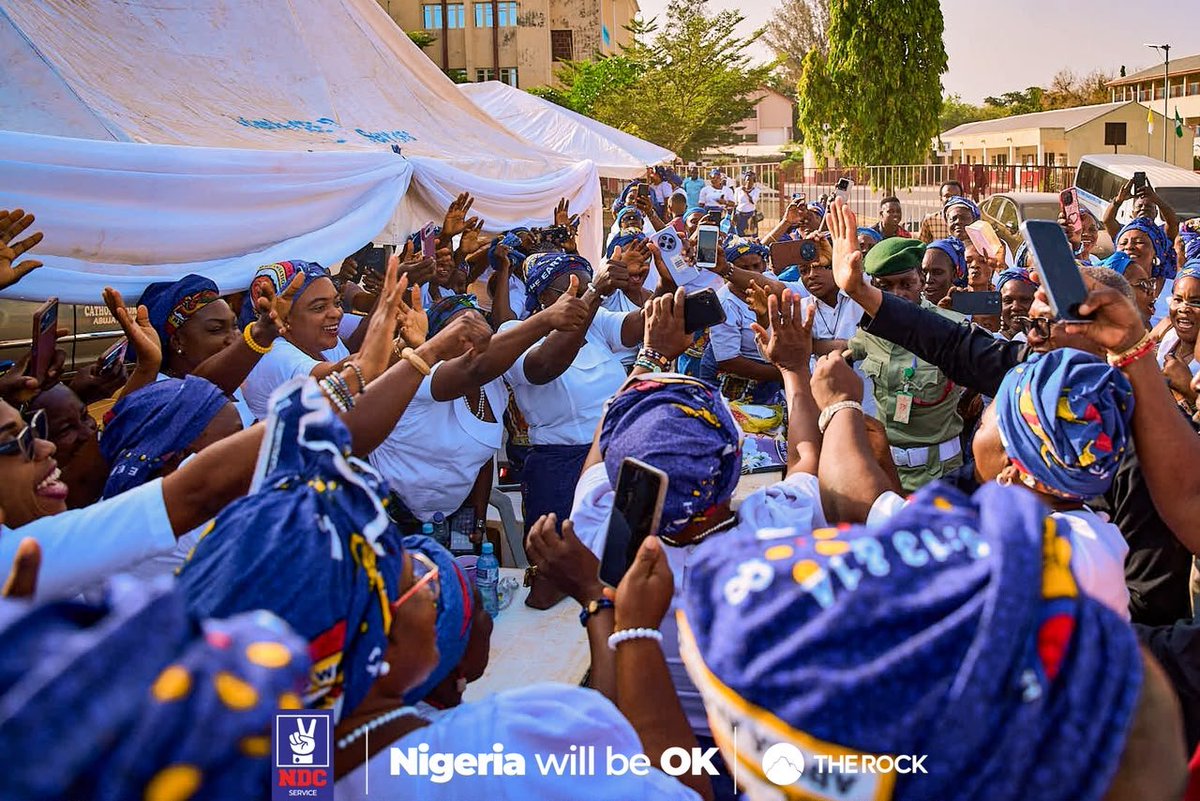
In Abuja, I participated in the 2026 Annual Reunion of the Catholic Women Organisation of the Archdiocese. I encouraged our mothers to remain steadfast in praying for public officials, so that public resources will always be managed for the benefit of the people.
I also spoke at the Global Peter Obi Supporters Summit, where I drew attention to the difference between Nigeria's development challenges and Indonesia's progress. Alongside Senator Rabiu Musa Kwankwaso, I reaffirmed our commitment to restoring security, strengthening institutions, investing in healthcare and education, expanding opportunities and lifting Nigerians out of poverty. I called on our supporters to take this message of hope and national renewal to communities across the country.
I ended the day by paying a condolence visit to my dear sister, Hajia Aisha Binani, and her family following the death of her father, Alhaji Dahiru Ahmed Malabu. May Almighty God grant him Al Jannatul Firdaus and provide comfort to the bereaved family. Our resolve remains unwavering: a united, secure, and prosperous Nigeria is achievable. A new Nigeria is POssible! -PO
NIGERIANS, GO AND VERIFY (7)
LIFTING THE VULNERABLE : ANAMBRA’S BLUEPRINT FOR POVERTY ALLEVIATION AND SUSTAINABLE EMPOWERMENT (2006–2014)
Economic growth that does not translate into improved living conditions for ordinary citizens is incomplete. This is one of our fundamental concerns with President Bola Ahmed Tinubu's government. Development must ultimately be measured by its impact on human lives, particularly those of the poor and vulnerable. This was underpinned by the Anambra Integrated Development Strategy (ANIDS). We believed that infrastructure, education, healthcare, agriculture, and social protection must reinforce one another. Poverty was not merely a shortage of money; it was also a lack of access to opportunities, productive resources, and the basic conditions necessary for a decent life.
Our poverty alleviation strategy, therefore, went beyond temporary handouts. It focused on restoring dignity, creating economic opportunities, and equipping vulnerable citizens with the means to become self-reliant.
Our approach attracted recognition beyond Anambra. In May 2010, Magnus Kpakol, then National Coordinator of the National Poverty Eradication Programme (NAPEP), commended our commitment to poverty reduction, declaring: “We are prepared to support you in the excellent work you are doing in Anambra State.”
1. POVERTY MAPPING: KNOWING WHERE POVERTY LIVES
We recognised that poverty could not be effectively addressed without knowing where it was concentrated and what caused it. We, therefore, undertook a poverty-mapping exercise to identify the most deprived local government areas and communities.
The exercise revealed that some of our poorest communities were also important food-producing areas. Their challenges included poor access to markets, agricultural inputs, electricity, water, and other economic opportunities.
Areas including Anambra West, Orumba South, Awka North, and Ogbaru required particular attention. The findings informed our development priorities, enabling us to direct roads, agricultural support, and social interventions toward neglected communities.
2. EMPOWERING WOMEN, WIDOWS, AND COOPERATIVES
We recognised that rural women, widows, and indigent households bore a disproportionate burden of poverty. Across the 21 local government areas, we provided financial assistance and productive support to thousands of beneficiaries.
Our administration provided financial assistance to support the establishment and expansion of small businesses and farming activities. We also introduced revolving loan schemes to promote enterprise development, economic self-reliance, and improved livelihoods.
We distributed productive equipment, including sewing machines, generators, ovens, cookers, hair dryers, shoe-making machines, and welding equipment. The objective was to help beneficiaries establish sustainable livelihoods rather than remain dependent on government assistance.
We also promoted access to microcredit and cooperative financing to enable small entrepreneurs to expand their businesses, improve their incomes, and create employment.
Our philosophy was simple: rather than merely giving people money to survive today, the government should help them acquire the means to earn a living tomorrow.
3. AGRICULTURE AND FADAMA: MAKING RURAL COMMUNITIES PRODUCTIVE
Agriculture was central to our poverty-reduction strategy because many rural households depended on farming.
Through partnerships with the Federal Government, the World Bank, and other development partners, particularly under the FADAMA programme, we supported farmers with finance and productive assets.
In November 2009, our administration disbursed millions to FADAMA Community Associations across the state. By October 2010, the National FADAMA office was commending Anambra’s commitment. Its National Project Coordinator, Buka Tijjani, represented by Charles Ugwuona, described Anambra as the leading state in the programme.
ANAMBRA STATE : ADVANCING EDUCATION, ENERGIZING INDUSTRY AND SHAPING A NEW NIGERIA
After returning from an official working visit to the United States of America, I arrived in Onitsha, Anambra State, yesterday, 20th November 2026, to continue our nationwide series of town hall meetings.
I began the day by visiting my alma mater, Christ the King College, Onitsha. Together with my friends, I am supporting the construction of a Teachers’ House to preserve the supportive teaching and learning environment for which the school is known. I commend the management and students of this distinguished institution for upholding its high standards.
We then travelled through Head Bridge, Ochanja, and Main Market, engaging with workers, traders, drivers, and other hardworking Nigerians who are striving to earn a living despite the challenging economic conditions affecting the country.
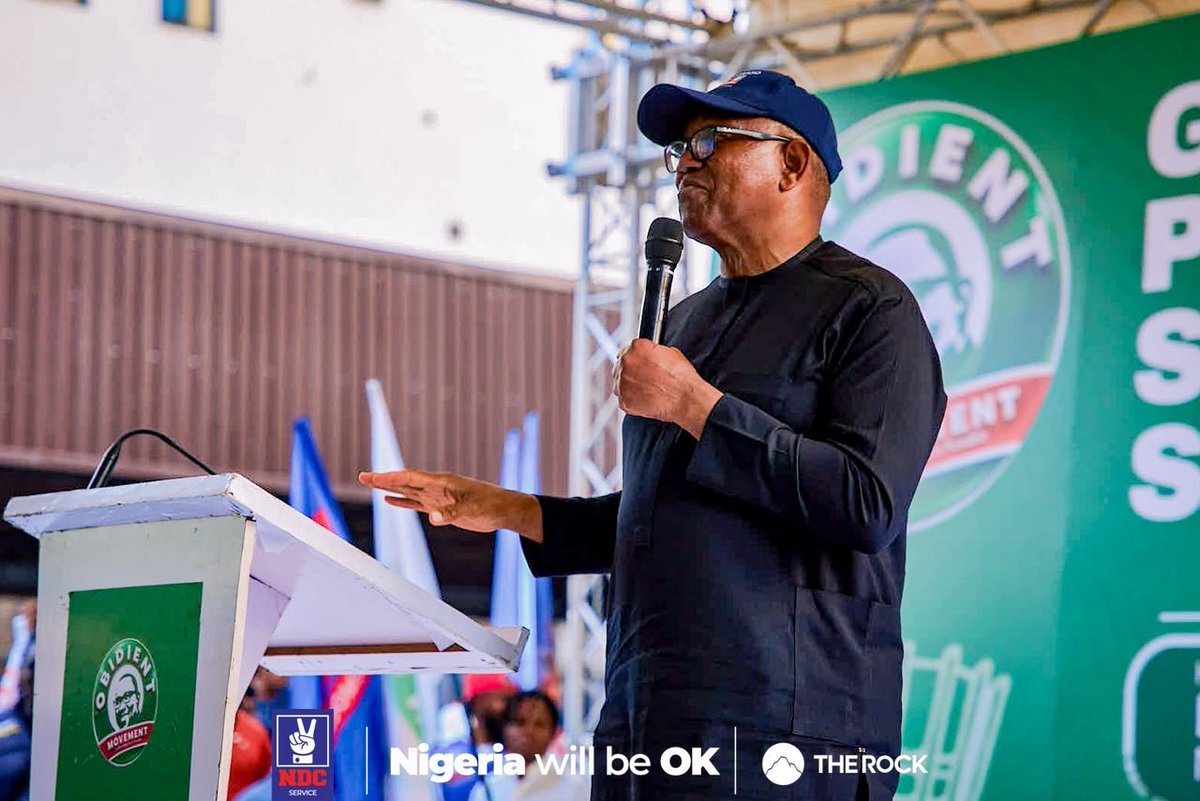
At the Archbishop C. J. Patterson International Auditorium Complex, Onitsha, where our town hall meeting took place, I reaffirmed the commitment of His Excellency, Senator Rabiu Musa Kwankwaso, and me to promoting national unity and taking decisive action to address the insecurity affecting many parts of Nigeria.
I also assured our numerous supporters and well-wishers of our determination to generate, transmit, and distribute at least 10,000MW of electricity to drive production and revive the country’s major industrial centers.
We also underscored our key priorities, especially substantial investment in education through the construction of at least 40,000 additional classrooms and the recruitment of the necessary number of teachers nationwide to tackle the problem of out-of-school children.
In the healthcare sector, we are committed to building at least 10,000 fully operational primary healthcare centers, with at least one located in every ward nationwide, thereby reinforcing the foundation of healthcare delivery in Nigeria.
These initiatives, together with other purposeful investments and policies, will contribute to our efforts to expand productive capacity and lift our people out of poverty.
I express my gratitude to the good people of Anambra State for their warm welcome and hospitality. I also commend our party leaders and members for their continued commitment and hard work in advancing the ideals of our party and engaging with our supporters.
NDC ka’ ma!
A New Nigeria is POssible, and Nigeria will be OK!
-PO
Please come and buy what we're selling.
Not everyday you see a Mobilizer wey get enterprise.
No be Wadata, No be NGO, no be Spreadsheet...
Unadulterated Palm Oil.
NIGERIANS, GO AND VERIFY (6)
SECURING LIVES AND PROPERTY: PARTNERSHIP WITH SECURITY AGENCIES
Peter Obi
In the preceding instalments, I explained how we approached governance under the Anambra Integrated Development Strategy (ANIDS), beginning with strengthening state institutions and investing in education and other critical sectors. Our conviction was that development must rest on strong institutions, capable human beings, and a secure environment.
No meaningful development can take place where lives and property are constantly under threat. Education, commerce, investment, and other productive activities can only flourish when people feel safe. This informed our approach to security. We understood that the responsibility of protecting lives and property could not be discharged through speeches and declarations alone. It required deliberate investment, effective coordination, and sustained partnership with the security agencies.
When we assumed office, Anambra faced serious security challenges. Armed robbery, bank attacks, kidnapping, and other violent criminal activities had created an atmosphere of fear. In 2006, I personally approached the then Inspector-General of Police, Mr Sunday Gabriel Ehindero, to seek urgent intervention. Following our appeal, the police authorities constituted a special team comprising experienced officers, including the late Haruna John, Alhaji Amusa Bello, and others, to confront the security challenges in the state.
We therefore made security a major priority of our administration, recognising that government must provide both the leadership and the resources required to enable security agencies to perform their duties.
EQUIPPING THE SECURITY AGENCIES
We believed that those entrusted with protecting our people must be adequately equipped. Accordingly, our administration, using funds from the security votes, provided over 600 patrol vehicles to various security agencies, including the Police, Army, Civil Defence, Customs, Immigration, NDLEA, Road Safety, Prisons, SSS, Navy, and community vigilante organisations.
Our support went beyond vehicles. We provided Armoured Personnel Carriers (APCs), armoured Hilux patrol vans, communication gadgets, repeater and linker stations, base stations, mobile vehicular radios, walkie-talkies, generators, and other logistical requirements. We also used the same security votes to provide financial support for their operations, including fuel, weekly allowances, and other essential needs of security personnel.
We paid particular attention to community security because we understood that effective policing must have a strong local presence. Again, using funds from the security votes, we provided billions of naira to the 177 communities in Anambra State to strengthen security in their respective areas. We directed traditional rulers and town union presidents to establish vigilante groups under police supervision, with the police providing uniforms for proper identification. We also contributed towards the payment of their salaries.
Additionally, we provided 250 patrol vehicles to communities across Anambra State. These vehicles were manufactured by Innoson Vehicle Manufacturing Company in Nnewi. Some towns received more than one, depending on their size and security needs. This initiative was also extended to universities and other large institutions in the state.
We also recognised that markets were particularly vulnerable because of the volume of commercial activities and the large number of people who visited them daily. Thus, in March 2014, we presented security vehicles to major markets in Onitsha and its environs. The beneficiaries included Bridge Head Market, Ogboefere Market, Building Materials Market, Ogidi, Onitsha Main Market, Marine Modern Market, Ogbaru Main Market, Ose Okwodu Market, Electronics Market, and the Amalgamated Market Traders Association.
We have kickstarted our NDC radio campaign in Kwara State. The aim is to spread the good news of @PeterObi and @KwankwasoRM across the South West states. Kwara State alone costs us 500k for just 2 weeks. For any financial support, pls dm me. Nigeria must be OK✌️✌️.
i used to hate being involved in politics until i checked our national budget
it's online, go and see what our leaders are using 68 trillion Naira to do
and we lack basic electricity????
people live in the slums, every year schools are producing graduates that might not get good jobs
cost of living is on the high side and in terms of technology, we're so backwards
very creative minds with limited or unavailable resources
we're not angry enough
NIGERIANS, GO AND VERIFY (5)
CONNECTING COMMUNITIES, UNLOCKING PROSPERITY: OUR ROAD INFRASTRUCTURE RECORD
Peter Obi
Another critical foundation of development is infrastructure, particularly road construction and maintenance.
Infrastructure is not just about constructing roads, bridges, and buildings. It is about connecting people, opening up economic opportunities, reducing poverty, and enhancing the well-being of ordinary citizens. A road that connects a farmer to a market, a patient to a hospital, a child to a school, or a manufacturer to a distribution centre is an investment in economic and human development.
This thinking informed our approach under the Anambra Integrated Development Strategy (ANIDS). We set out to connect all 177 communities in the State with motorable roads, paying particular attention to rural communities that had suffered years of neglect. Our objective was to build an interconnected road network that served the entire State, rather than concentrate projects in major cities or politically important locations.
I. The Road Revolution: Over 900 Kilometres of Road Projects
Between March 2006 and March 2014, during my two-term tenure in office, my administration asphalted over 900 kilometers of roads. These projects were deliberately distributed across the three senatorial zones of Anambra State to connect communities, facilitate commerce, and enhance transportation.
I acknowledge that Dr. Chris Ngige started the road revolution in Anambra State, and I commend the efforts his administration made in initiating several road projects. When we assumed office in 2006, we recognised the importance of continuing worthwhile projects rather than abandoning them simply because they had been initiated by a previous administration.
Among the roads we inherited from Ngige and completed were the Owerri–Ezukala–Umunze–Umuchu–Amesi–Uga–Igboukwu Road, where his administration stopped around Umuchu and we continued through Amesi, Uga, and onward to Igboukwu; the Iseke–Orsumoghu–Ukpor–Utu–Nnewi–Awka-Etiti Road, where his administration stopped at Ukpor and we continued towards Awka-Etiti; and the Ideani-Otuocha where work stopped around Awkuzu before our administration continued the project from Nteje to Otuocha.
There were also roads, such as Mmili John and Nkwelle Ezunaka bypass, which had been awarded before we took over, but on which no payment had been made by the time we assumed office. We took over these projects, assessed their status, and proceeded with the work. This was our approach to continuity in governance: acknowledging what had been started, distinguishing between projects merely awarded and those on which work and payment had actually commenced, and ensuring that important infrastructure projects were carried forward.
Some of the major roads and corridors included Amansea–Ebenebe Road; Aguleri–Umueze Anam–Mmiata Road; Nnewi–Ozubulu–Okija Road; and the Old Onitsha–Awka Road.
Other important projects included:
Awka and its Environs: Zik’s Avenue, Awka; Adazi-Nnukwu–Obeledu–Neni Road; 33 Junction–Nwafor Orizu College of Education Road; roads within the Awka Government Reserved Area (GRA); and the Old Nkpor–Amawbia Road.
Nnewi and Surrounding Communities: Nnobi–Nnewi Road; roads within Nnewi town; Akwaeze–Oraeri–Igboukwu Road; and Ekwulobia–Nkpologwu–Akpo–Achina–Umuchu Road.
Onitsha and its Environs: Bridge Head–Umunya Road; over 30 roads in other parts of Onitsha; more than 25 roads within the Onitsha GRA; over 20 stone-based roads within Harbour Industrial Estate, Onitsha; and the Nkwele Ezunaka Bypass.
Other Communities and Strategic Corridors: Awgbu–Amaokpala Road, with the Odor Bridge; Aguluezechukwu–Ogboji–Ajalli Road; Awkuzu–Igbariam Road, passing through the university; Owerri–Ezukala–Umuchukwu Road; Ugwuoba–Obosi Road; and Lilu Road.
NIGERIANS, GO AND VERIFY (4)
Building a Healthy Nation: Our Health Sector Record in Anambra
Peter Obi
In the previous instalment of this series, I discussed our investments in education and explained why we considered human capital development central to the progress of Anambra State. Another sector that received considerable attention under our administration was healthcare. We understood that education gives people the tools to build their future, while good healthcare enables them to live healthy and productive lives.
When we assumed office in 2006, the healthcare system in Anambra faced serious challenges. Our health institutions required rehabilitation, medical equipment was inadequate, many communities lacked accessible primary healthcare facilities, and several medical training institutions had not secured accreditation. We therefore decided to approach healthcare as a comprehensive development priority, rather than concentrate resources on a few prominent hospitals.
Under our Anambra Integrated Development Strategy (ANIDS), we invested simultaneously in primary, secondary, and tertiary healthcare, medical training, maternal and child health, medical equipment, and partnerships with religious and private institutions.
Our approach was simple: healthcare should be accessible to people wherever they live, and the quality of treatment they receive should not depend on their status or whether they live in a city or a rural community.
Building a Teaching Hospital and College of Medicine
One of our most significant achievements was the establishment of the Chukwuemeka Odumegwu Ojukwu University Teaching Hospital at Awka.
We initiated, constructed, equipped, and secured accreditation for the institution, building it virtually from scratch. When I discovered that the state university was admitting medical students without having a teaching hospital through which they could complete their training, possibly with the intention of assigning them elsewhere, I considered the situation unacceptable. We therefore embarked on the construction of a modern teaching hospital to address this deficiency.
We constructed more than 25 buildings and provided facilities for the College of Medicine, laboratories, pathology, accident and emergency services, pediatrics, male and female wards, special wards, consultant clinics, and other essential departments.
We also provided vehicles, including ambulances and staff buses, to support the hospital and the College of Medicine as part of the accreditation requirements.
The objective was not merely to build another hospital but to establish an institution capable of providing specialist healthcare while training the next generation of Nigerian medical doctors.
Rehabilitating General Hospitals
We also recognized that a teaching hospital alone could not meet the healthcare needs of the population. General hospitals had to function effectively because they provide the essential link between primary healthcare and specialist treatment.
We rehabilitated and resuscitated 15 general hospitals across the three senatorial zones of Anambra State. We undertook substantial improvements in their buildings, wards, equipment, and general facilities.
In 2013, we provided ₦400 million for the ongoing renovation of 11 selected general hospitals, alongside other healthcare interventions.
Our intention was to ensure that people did not have to travel unnecessarily long distances to obtain basic secondary medical care.
Taking Primary Healthcare to the Communities
We believed that the best healthcare system is one that prevents illnesses and treats people early, rather than one that waits until minor health problems become emergencies.
That informed our extensive investment in primary healthcare. We built over 120 primary healthcare centers across communities in the 177 autonomous communities of Anambra State and rehabilitated existing facilities.
Please can we amplify this tweet and whilst we are at it, tag @inecnigeria and let them know: WE WILL NOT SETTLE FOR LESS!
They haa 1 Trillion Naira for this project.
@inecnigeria WE WILL NOT TAKE HALF MEASURES!!!!!!