¿Es capaz de diagnosticar con confianza la causa de las caídas?
Obtenga los conocimientos y las habilidades para realizar una historia clínica estructurada y un examen físico adecuado. Aprenda más sobre las causas de las caídas.
Are you able confidently to diagnose the cause of falls?
Gain the knowledge and skills to take a structured history and do an appropriate examination. Learn more about the causes of falls.
https://t.co/Mkp7L3seB7
🌍 Sigue el 66º Congreso de la Sociedad Española de Geriatría y Gerontología (#SEGG) y 36º Congreso de la Sociedad Canaria de Geriatría y Gerontología (#SOCANGER) desde donde estés.
💻 Modalidad virtual
💲 Tarifa especial: 60 USD
🔗 https://t.co/8w1upqNBuv
After 42 years of general medical takes, but also 36 years as a Consultant in Geriatrics, may I respectfully suggest that geriatrics is an order of magnitude more fascinating and comprehensive than general medicine.
You have people who have led interesting lives, and their medical problems are more complex, their medication regimes more complex. The patients are almost always grateful.
No disrespect to other specialties, but Internal Medicine is objectively the most fascinating and comprehensive branch in existence. It is the de facto face of any hospital or medical college.
Beyond the obvious sub-specialties like Cardiology, Neurology, Pulmonology, Gastroenterology, Nephrology, Endocrinology, Oncology, and Rheumatology, the academic depth is staggering. We are expected to master Pharmacology, Biochemistry, Physiology, Microbiology, and Pathology at almost the same level as the MDs in those respective foundational branches.
In my experience, we have to know Anatomy, including every joint and muscle attachment, just as well as the surgical teams. While we do not perform the surgeries, we are expected to know the names of General Surgery and Orthopedic procedures along with their specific complications.
Then there is the high-pressure environment of ICU critical care and casualty emergency medicine. We are the ones managing the most unstable patients at the frontlines and making the most critical split-second decisions.
The list continues. We manage conditions typically handled by ENT and Ophthalmology. We are responsible for the complexities of pregnancy, including physiological changes, gestational diabetes, and seizures.
Even the university exams demand we act as specialists in Dermatology for conditions like Pemphigus or Psychiatry for Schizophrenia or Bipolar disorder.
We are even expected to interpret X-rays, CTs and MRIs just as well as a Radiologist in medical colleges
Finally, there is Pediatrics, where we must master the approach to malnutrition, short stature, and almost the entire spectrum of childhood illness.
Is there any other branch that is truly as vast as Internal Medicine? I do not think so.
This is a major issue, and the culprits are not big pharma but regulatory authorites.
If you want to do a simple study involving commonly used medications, the need for sponsorship, insurance, and a heavy regulatory burden make it effectively impossible - at least in the UK.
Another issue is that old drugs are still used without adequate data on efficacy or safety. An example is fludrocortisone, which we have had since at least the 1970s, for orthostatic hypotension, which has no large studies, and zero well designed studies, is usually minimally effective if at all, and has harmful effects, but is recommended by NICE (who claim to be guided by evidence).
Once a drug loses its patent, Big Pharma often loses interest — even if it could treat many other conditions.
Andrew Huberman highlighted this on Gwyneth Paltrow’s goop podcast: there are countless approved drugs that hit 40–50 different targets in the body. They were originally marketed for one use, but after the patent expires they become cheap and unprofitable to promote. As a result, huge potential remains unexplored.
He shared the powerful example of Dr. David Fajgenbaum, who was dying from Castleman’s disease and cured himself by strategically combining existing medications. Fajgenbaum now runs Every Cure, using AI to uncover new uses for old drugs.
This matters because it reveals a massive blind spot in medicine: treatments we already have might be sitting on the shelf simply because there’s no big profit in studying them.
This one is eye-opening. It makes you wonder how many lives could be improved or saved if we aggressively explored these off-patent possibilities instead of always chasing the next blockbuster drug.
What do you think — should we be doing more to repurpose existing drugs, or is the current system working fine?
Mrs. Jenkins, 1970, walks down the high street with a wicker basket.
- Beef topside from Mr. Pearson, for Sunday
- Streaky bacon, sliced thick on the slicer
- Lamb's liver for Tuesday tea
- Pork sausages, made on the premises that morning
- A whole chicken, giblets in a paper bag inside
- Suet for the steak and kidney pudding
- Butter wrapped in greaseproof paper
- A wedge of Lancashire from the wheel
- Two dozen eggs from the farm down the road
- Double cream for the trifle
- A pound of dripping in a stoneware pot, for the chips
- Four kippers for Saturday breakfast
- A loaf baked that morning, four ingredients
Total: about £6.
She fed a husband and three children for the week, with leftovers for Monday. Nobody was overweight. Nobody had high cholesterol. Nobody was on any pills.
Her granddaughter, 2026, opens the Tesco app on the sofa.
- Six chicken breasts, water-injected
- "Low-fat" turkey mince
- Yoghurts with 14 ingredients per pot
- Flora "buttery" spread, palm oil and rapeseed
- A bottle of skimmed milk
- Pre-grated "mature" cheddar with anti-caking agent
- Two ready meals branded "Healthy Living"
- "No added sugar" cordial, three artificial sweeteners
- "Soft white medium" loaf, eleven ingredients
- "Fruit and nut" bars, glucose syrup and rapeseed oil
- Squeezable mayonnaise
- Pre-washed salad treated with chlorine
- Olive oil, for the "Mediterranean" diet she read about
Total: about £127.
She feeds herself and her husband for three days and orders again on Wednesday. She is, in her early forties, on statins. Her husband is on metformin.
The grandmother traded a butcher for a megafarm.
A cheese counter for an anti-caking agent.
A dairyman for a logistics chain.
Dripping for rapeseed oil.
A four-ingredient loaf for an eleven-ingredient one.
A wicker basket for an app.
She paid twenty times the price for worse food, less of it, and threw her health in as part of the deal.
The supermarket called this progress.
Mrs. Jenkins would have called it being had.
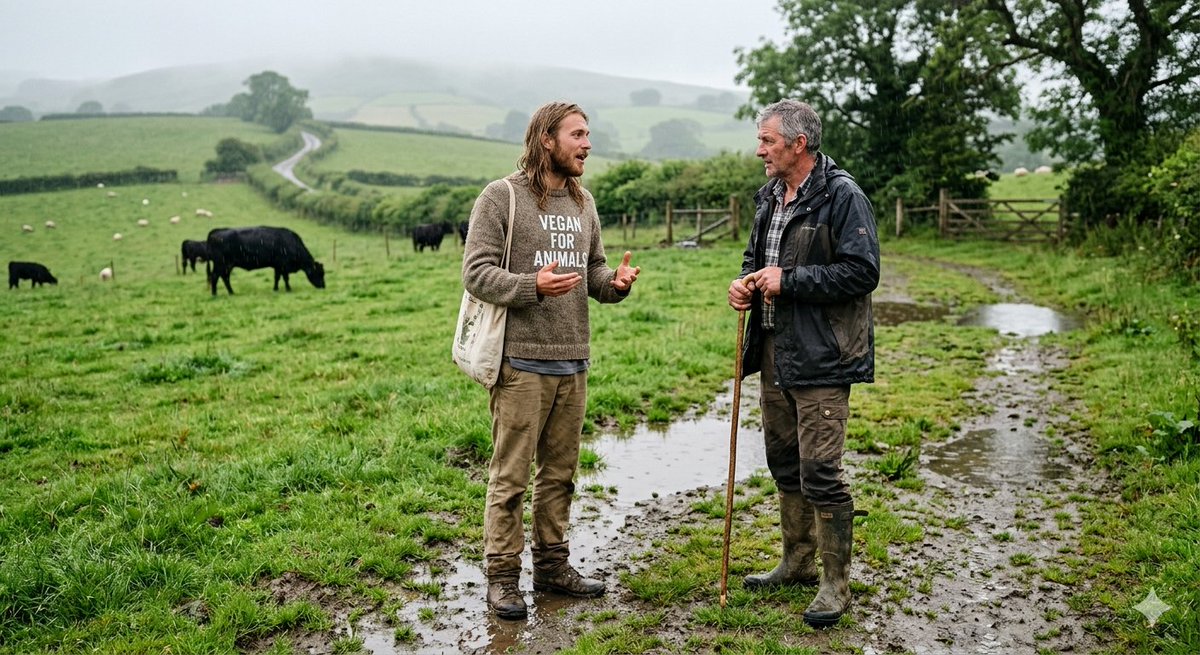
Activist: "You're using an obscene amount of water."
Farmer: "94% of that is rainfall. It falls whether the cow is there or not."
Activist: "But the cow is drinking it."
Farmer: "She drinks from the stream. Then pisses it back into the soil. Grows more grass."
Activist: "It's still water consumption."
Farmer: "Would you like the cows to dodge the raindrops?"
Activist: "..."
Farmer: "I could train them. Have them shelter under the oak every time a cloud passes over. Shall I do that?"
Activist: "You should grow crops instead."
Farmer: "With what irrigation? I just told you it's rainfall. Same rain. Same field. Same sky."
Activist: "Find another way."
Farmer: "Shall I write to the Met Office?"
The UK Gini coeffcient peaked around 9/11.
Under BLair/Brown it started to come down, and we are now at about the same level as 1988.
The big change came about under Mrs Thatcher and the early Blair years with the Big Bang and the financialisation of housing (Brown's mortal sin).
Talk about "rising inequality" is not supported by the data. As we are getting poorer because we chose Brexit, things are levelling down. The bottom is supported by benefits and the living wage, while the middle classes get poorer. There are not enough rich people to greatly influence such statistics.
https://t.co/GnH3es5shx
Just 56 people hold more than the combined wealth of 27m Britons.
The poorest Half have 4.6% of the wealth.
Poorest 20% pay higher proportion of income in taxes than the richest 20%.
Can't rebuild economy without equitable distribution of wealth.
https://t.co/ni47sPd9Xx
Part of what I do is own and run nursing homes / care homes
Costs:
Property/mortgage
Interest
Staff (nursing, carers, kitchen, maintenance, regulatory, HR, finance, legal)
Compliance
Insurance
Food
Utilities
Machinery and equipment - hoists, beds , mattresses, furniture that is specialist
Not 100% occupancy and gaps
If I’ve bought a 40 bed care home for £4 mil tell me what my costs are per week per resident to purely break even?
And don’t let me start on the sleepless nights when a resident gets a pressure sore, or infection or has a fall or spills tea over themselves by mistake leading to a grade 2 burn and the police and CQC are on your door the next morning (I am not saying they shouldn’t)
Now tell me the profit per week and tell me for risk : reward - would you take that headache?
Then please come but my nursing homes
Myth: "I only wear vegan fabrics. Better for the animals, better for the planet."
Let's check in on Doris's annual contribution.
Once a year, in late spring, Doris is sheared. The procedure takes approximately three minutes. Doris does not enjoy it. Doris does not, by any visible measure, suffer from it. Doris is, immediately afterwards, a noticeably more comfortable animal in the British summer.
The fleece weighs approximately 3 kilograms. It is sold to the British Wool Marketing Board for, depending on the year, between £0.40 and £2.50 per kilogram. The shearing costs more than the wool fetches. Brian is shearing Doris at a loss.
The wool is then:
- Naturally flame-retardant
- Naturally antibacterial
- Moisture-wicking
- Biodegradable
- Renewable, annually
- Carbon-storing while in use
The replacement, in performance fabrics:
- Polyester
- Polyamide
- Acrylic
- Polypropylene
- All petroleum-derived
- All shedding microplastics on every wash
- All requiring fossil fuel inputs to produce
- All non-biodegradable, with a typical landfill lifespan of 200-500 years
A single wash of a polyester fleece can release up to 700,000 microplastic fibres into the water system. These fibres are now in: every tested water source on earth, every tested human placenta, every tested rainfall sample, the deep ocean, the Arctic ice, and the lungs of marine mammals.
A single wash of a wool jumper releases: nothing. The wool, when eventually disposed of, returns to soil within a few years.
The fabric being marketed as the "ethical" alternative to wool is plastic.
The plastic is "ethical" because nobody has been asked to slaughter the polymer.
The polymer also has not been asked.
Doris, by being a sheep on a fell, is producing the most thoroughly sustainable performance fabric humans have ever made.
Brian is selling it at a loss.
The fashion industry, meanwhile, is selling petroleum at a profit and calling it ethical.
Reject plastic. Wear wool.
Doris is, this morning, growing next year's batch.
I am waiting for someone - anyone - to explain how you successfully tax wealth (a good thing to do).
Estimates are that a wealth tax might raise 1.8% of gvt current income, enough to cover only a third of our national debt interest - it is a drop in the ocean and not enough to fund any of these virtuous but uncosted schemes.
It is a diversion from the real issue: we Boomers have been spending our children's money for decades. It has now gone into high asset prices making it impossible for them to lead normal lives. The answers to that are painful and nobody wants to hear them.
What a wonderful wish list. I would love to see these things happen. But.
Has it been costed?
A wealth tax would raise 1.8% of current revenue and cover 30% of the interest payments on national debt. Does not solve anything.
UBI would require 128% income tax if that was how you intended to pay for it.
Also "ask Putin to give up nuclear weapons" . What could go wrong?
A major problem in the UK is that MPs pay is such that no professional person would give up their career to work as an MP.
Pay peanuts, get monkeys.
Contrast the way Singapore is run - well paid government and civil service leads to greater propserity for all.
So the goverment can only afford a a 3.3% pay rise for the NHS but awards themselves 5%. Have they forgotten they are also paid out of our taxes? Most of them are millionaires anyway. Fuck off you greedy bastards.
A 79-year-old Catholic priest, Fr. Larry Holland, who is recovering from a hip fracture at Vancouver General Hospital in Canada, said he was offered Medical Assistance in Dying (MAiD) twice by hospital staff, even though he made clear he is a Catholic priest and morally opposed to euthanasia.
Image: BC Catholic
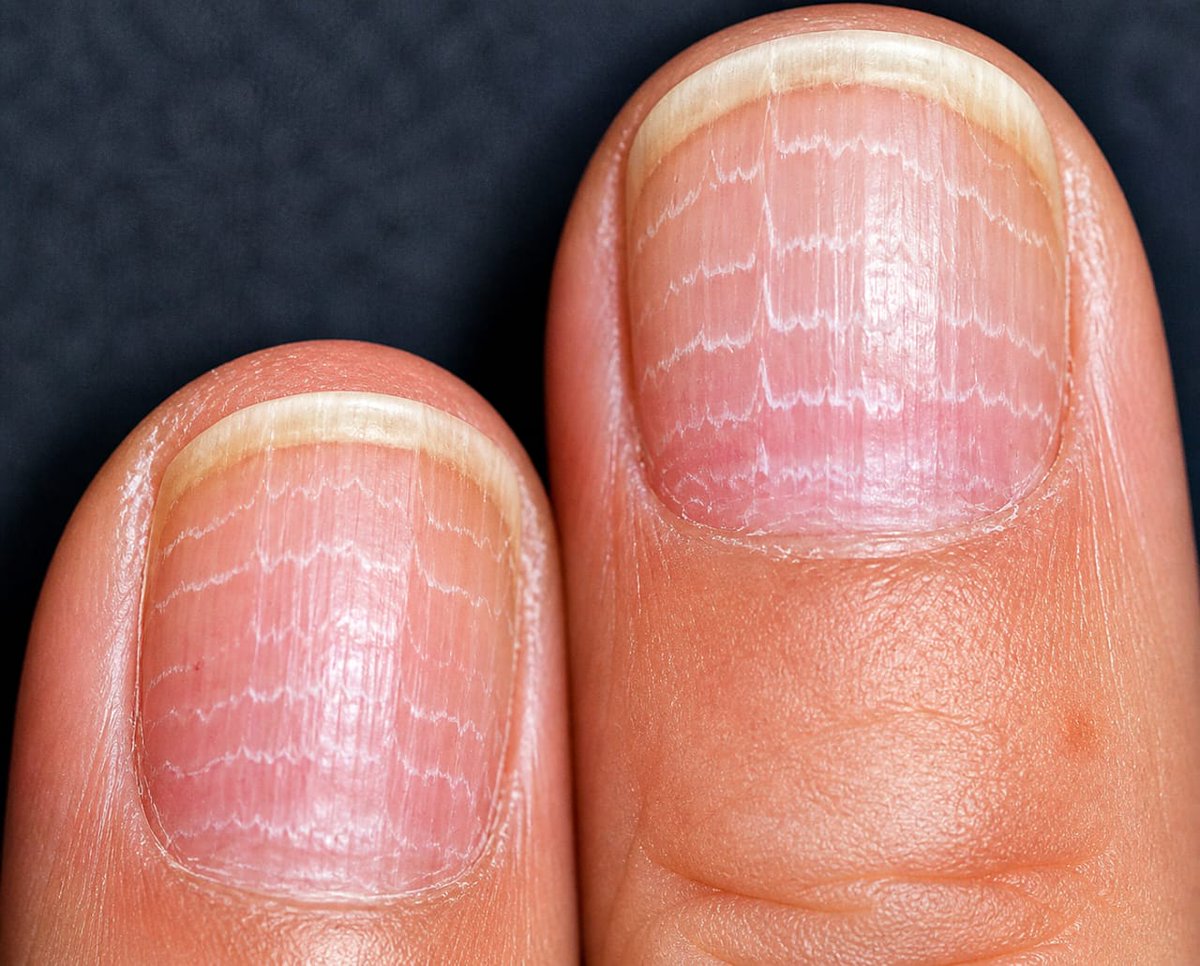
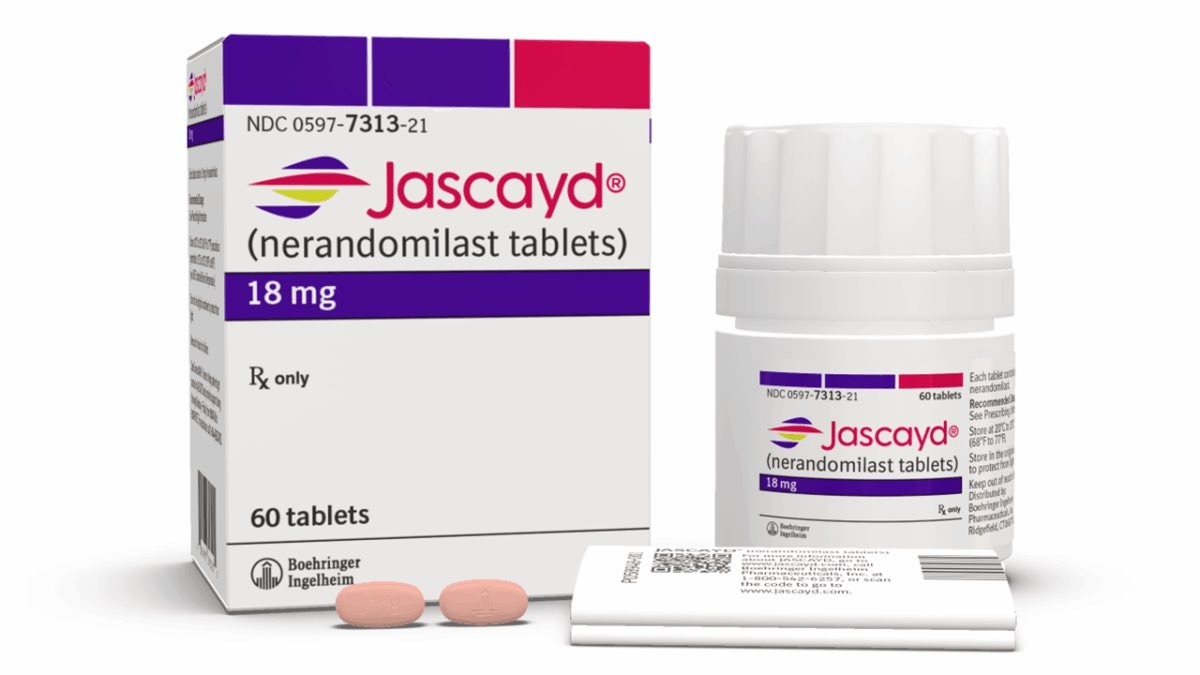
I spend more than half my time at work dealing with medication side effects. Some common ones remain unacknowledged by the "evidence".
Trials are often done in patients much younger and fitter than those who end up getting the tablets, and side effects are age and frailty dependent.
Studying drug side effects, technically simple (1:1 cross over trials) would be easy, but the regulatory framework in the UK makes this so expensive as to be almost impossible.
When new drugs come out, it is typically 15 years before we get a graasp of what side effects they have.
We’re all conditioned to trust the medical system and the people prescribing these drugs. Most people default straight to clinical trials as proof that something is safe, but what happens when people are experiencing real harm from the very drugs they were told are safe? At what point does that trust get questioned?
I used to fully trust the system too before PFS, so I understand both sides, but from this side, it’s honestly shocking how quickly people accept what they’re told about pharmaceutical safety without ever questioning it. There are real consequences to that. We end up ignoring real suffering right in front of us because it’s been labeled as “rare” or “psychosomatic,” and that should concern everyone.
When you actually look at the history of pharmaceutical harm, this isn’t new. There are countless examples where real harm was dismissed for years, only to be acknowledged later. So the question is simple, why are we still treating the system as if it’s incapable of getting it wrong?
Running Care Homes is not particularly profitable. Imagine a good hotel with 24 hr room service.
Much of the cost is that of the building (mortgaged) and running costs. 24/7/365 means a lot of staff.
Costs locally are neare £2K a week
Why does it cost upwards of £1K a week for someone to live in a care home?
This is an extortionate amount of money.
Why is this never investigated?
Considering care workers earn a relatively low wage then there’s a lot of people out there making a lot of money out of people suffering.
The focus should be on more than the treatment of mental illness.
Antidepressants are also used for pain (given but continued even if ineffective) and for sleep. Other things are better for sleep, but pain is difficult - no good options, but only a few get dramatic benefits from antidepressants.
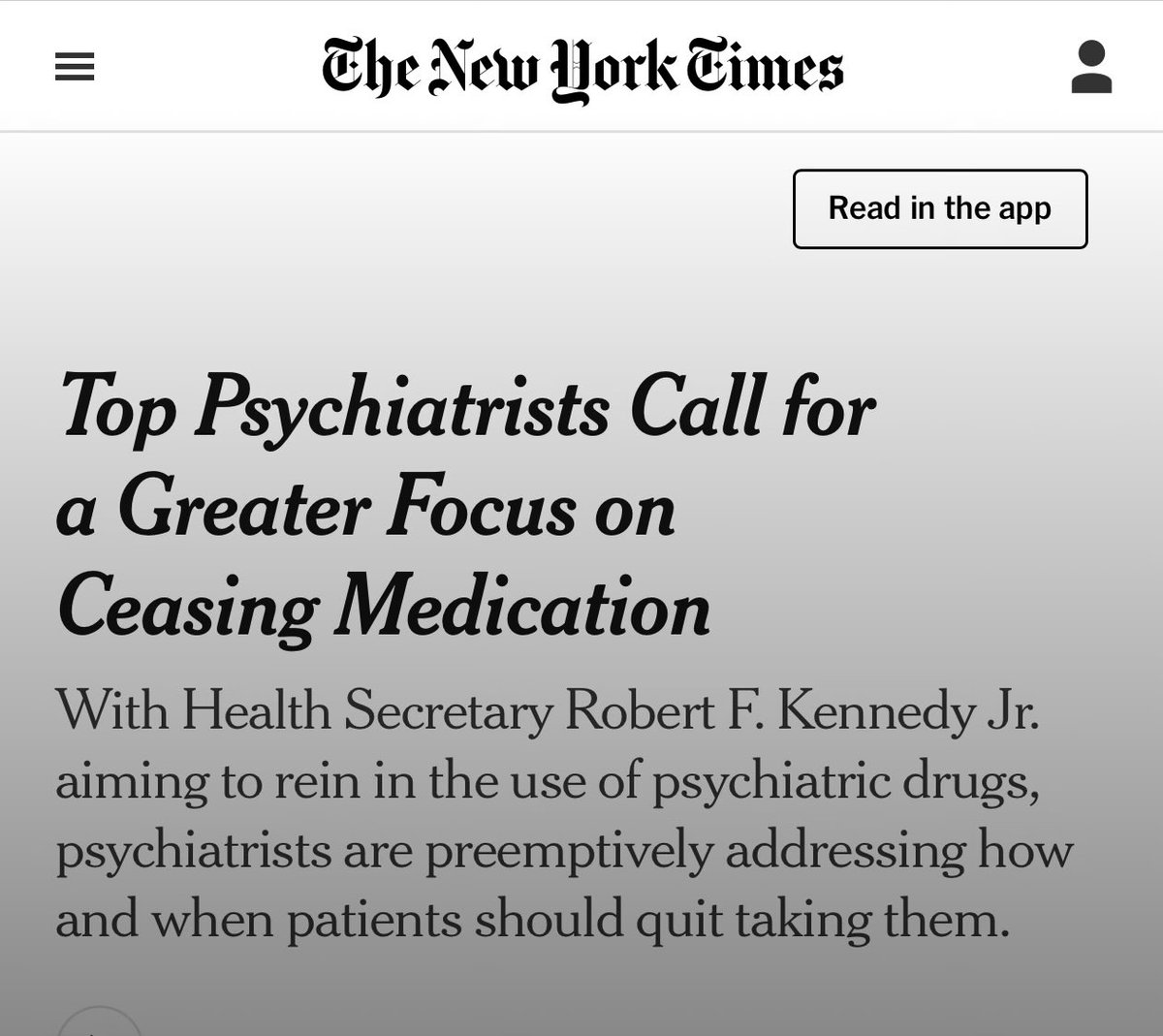
Let’s go! The gov is right to look at how to stop psych meds.
Can we agree?
1. ~25% of US adults don’t need to be on psych meds. Many are started on them:
2. based on too cursory assessments,
3. without appropriate education on risks,
4. even though they are not mentally ill,
5. would have done fine with alternative interventions,
6. and without intervention, the natural course is reasonable for many.
Depression is awful. Therapy is often great. Yet for many nothing works, and it can be tragic not to offer meds. But that population is much much smaller than 25%.
I don’t want to focus on the disagreements. Some are pointing out differences and conflict of interests among those “top psychiatrists” who had a convenient change of heart. My goal is not to win some arguments, but to improve outcomes.
This sort of issue wuld be an ideal one for collecting people's stories of antidepressant withdrawal and analysing such big data with AI, which would provide a new type of evidence based medicine.
We current and former patients have long figured out the safest psychiatric drug tapering methods that enable most people, most often, to have the greatest chances at successfully getting off their meds when that's what they want.
The psychiatric profession may no longer be able to ignore the topic of deprescribing, but that doesn't change who the world's leading experts on the matter are.
My hope is that those prescribers feeling threatened by layperson expertise recognize that we are actually here to help you help your patients better. The door is open to collaboration and partnership. We welcome you to come learn from us 🕊️
Agree.
But also more focus on the side effects of psychiatric medication.
For serious illness, it is absolutely necessary, but antidepressants are used for soft indications, and often for long periods.
Antidepressants cause sedation and orthostatic hypotension. They account for about 20% of all falls in older people; many of these people do not have serious depression. Pain and sleep are the other uses, and alternatives could be found.
We need a paradigm shift in psychiatry:
Phase out obsolete and potentially harmful practices—including critical re-evaluation of ECT
Responsible deprescribing of antidepressants, where clinically appropriate
Recognize misdiagnoses—e.g. when physical conditions (pain, sleep disorders, hormonal issues) are labeled as “depression”
Stop rapid medication switching without adequate dose and duration
Avoid unjustified polypharmacy—risky mixing of substances without clear evidence
End escalation instead of addressing root causes
Increase psychological support, not just medication
Ensure proper informed consent on risks and interactions
Avoid premature diagnostic labels, especially in vulnerable adolescents—without proper parental involvement
Do not pathologize normal variations in behavior
Track long-term outcomes, not just short-term effects
Take patient experiences seriously, not dismiss them
Ensure independent research—clear separation from pharma influence
Replace lobbying with transparency in health policy
Reform incentives—reward health, not escalation
Psychiatry must be centered on people—
not speed, labels, or financial incentives.
#PatientRights #MedicalEthics #MentalHealth #HealthPolicy #StopECT
Names of things are for communicating.
If you give something a name that has no relevant context, and you have to explain why that name applies to that thing, you have failed in your task of giving meaning by your words.