Adult Day Services have safe, secure, and interesting programs for your adult loved ones with disability. The WA Care Planning Council has a statewide listing and request form to get more info on specific Adult Day programs. https://t.co/Bbkv2pmsxz.
When you parent a child with a disability or care for an aging relative in their home, there may be costs you did not expect. This tip sheet covers tax breaks, benefits and programs in WA State which pay you to care for a family member. https://t.co/h4gwLXMjLm
Does your child age 2-22 need or use behavioral health care? Get FREE HELP from trained parent support specialists with lived experience. The C.O.P.E. Project helps parents use WA’s behavioral health care system. Visit https://t.co/2gKFzGnSMR or call 253-537-2145.
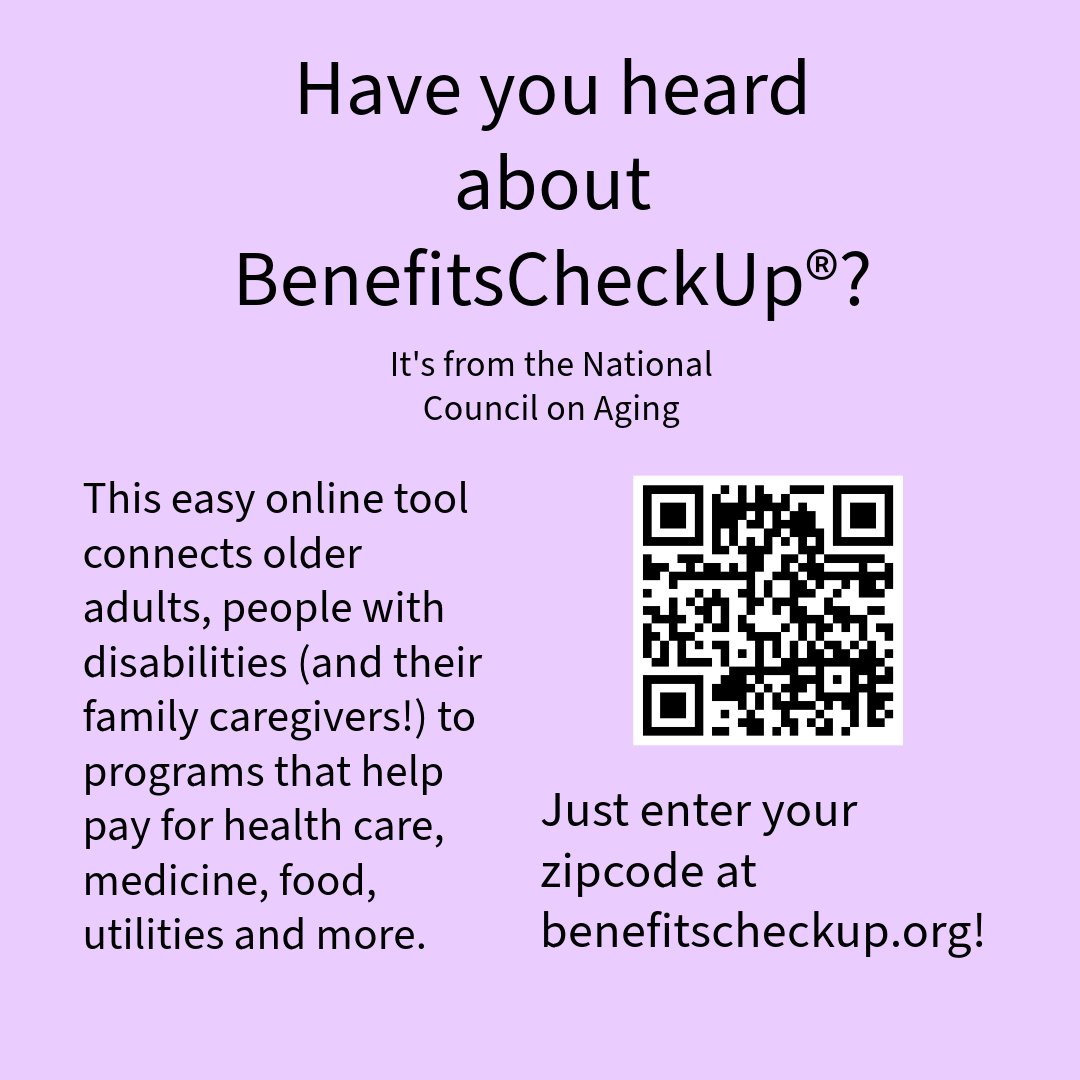
Have you heard about BenefitsCheckUp®? This easy online tool connects older adults, people with disabilities and their family caregivers to programs that help pay for health care, medicine, food, utilities and more. Just enter your zip code at https://t.co/I8BUTqvEsj
Area Agencies on Aging (AAAs) help seniors, adults with disabilities and their family caregivers. Call your local AAA for Family Caregiver Support Program help in your area-phone list at: https://t.co/1yaIRKJoBM
Do you have a child with a disability or care for an older family member at home? Wish your paid job was more flexible? Check out some tested options for finding work that fits your caregiving needs. https://t.co/rSeQbIfG6H
“Make a short list of specific tasks you need help with. When someone asks “Can I help? let them pick from the list!” We don’t have to go it alone when we are a caregiver for a family member, friend, or neighbor. Get useful, easy, quick tips like this at https://t.co/MISszn1srm.
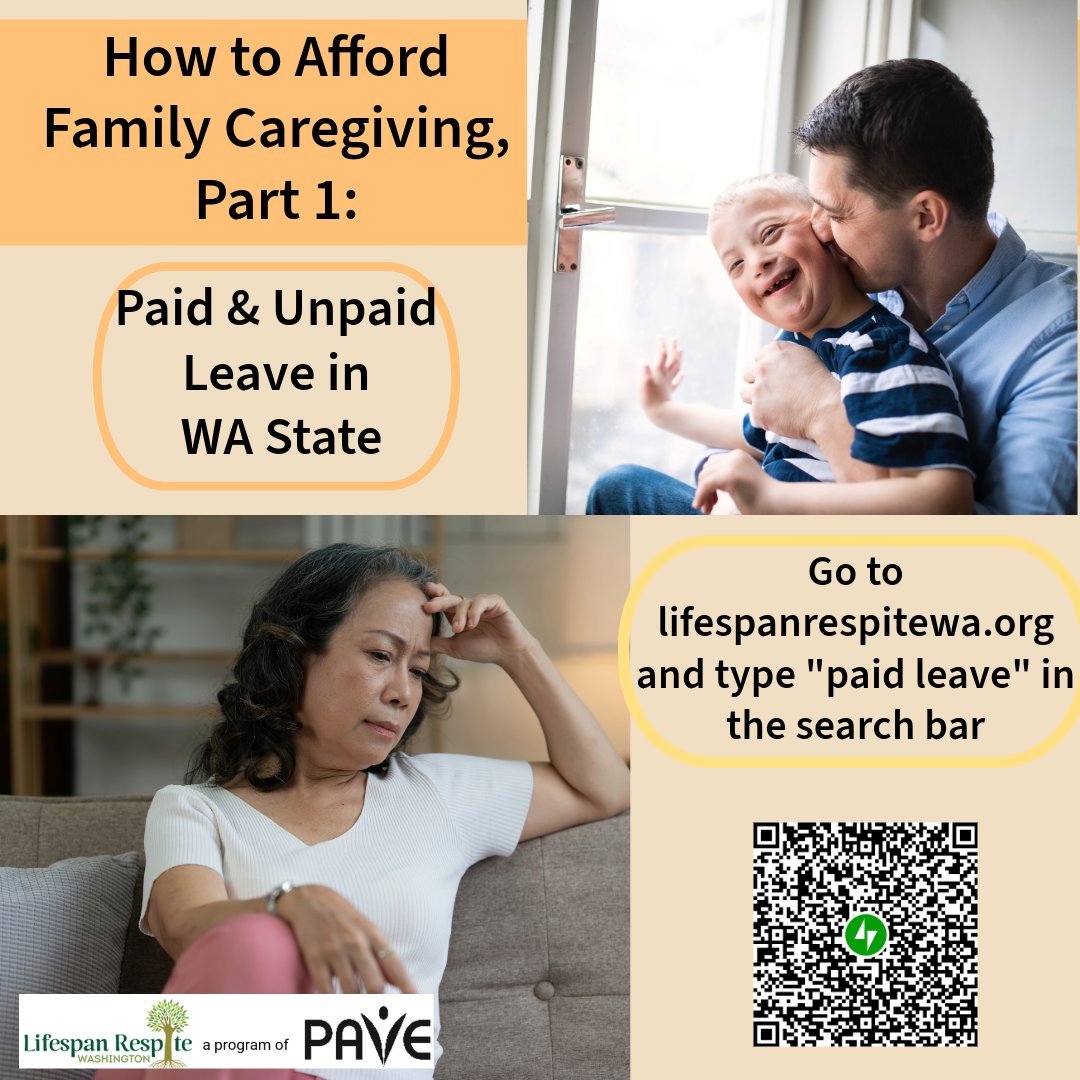
ICYMI: How to Afford Family Caregiving: Paid & Unpaid Work Leave. Family caregivers may struggle to stay employed and be financially stable. This is Part 1 of a series to help with the financial side of caregiving. https://t.co/fLROJSFdNV
We care for our loved ones because we love them and want them to be safe, happy, and healthy, but we sometimes need breaks to get things done and care for ourselves. Short-term grants (vouchers) are available to help you afford some break time. https://t.co/NMqyeFhAMW.
For Medical and Social Services Professionals seeking respite for a client: Instant Factsheet on the Lifespan Respite WA Program: links, contacts, and professional information in one place!
Go to https://t.co/4ie820S9qm
How to Afford Family Caregiving: Paid & Unpaid Work Leave. Family caregivers may struggle to stay employed and be financially stable. This tip sheet is Part 1 of a series to help with the financial side of caregiving. https://t.co/fLROJSFLDt
Just started caring for another family member’s child full-time? Talk to a Kinship Navigator. They connect relatives raising other family member’s children with healthcare, financial, legal services, support groups, training, and emergency funds. https://t.co/wdlkH0HWk1
New on our website! It’s Pride Month! Check out this guide for Transgender and Non-Binary people on planning ahead for dementia and other serious illnesses. Get the guide at https://t.co/3OF9v5Dv0z
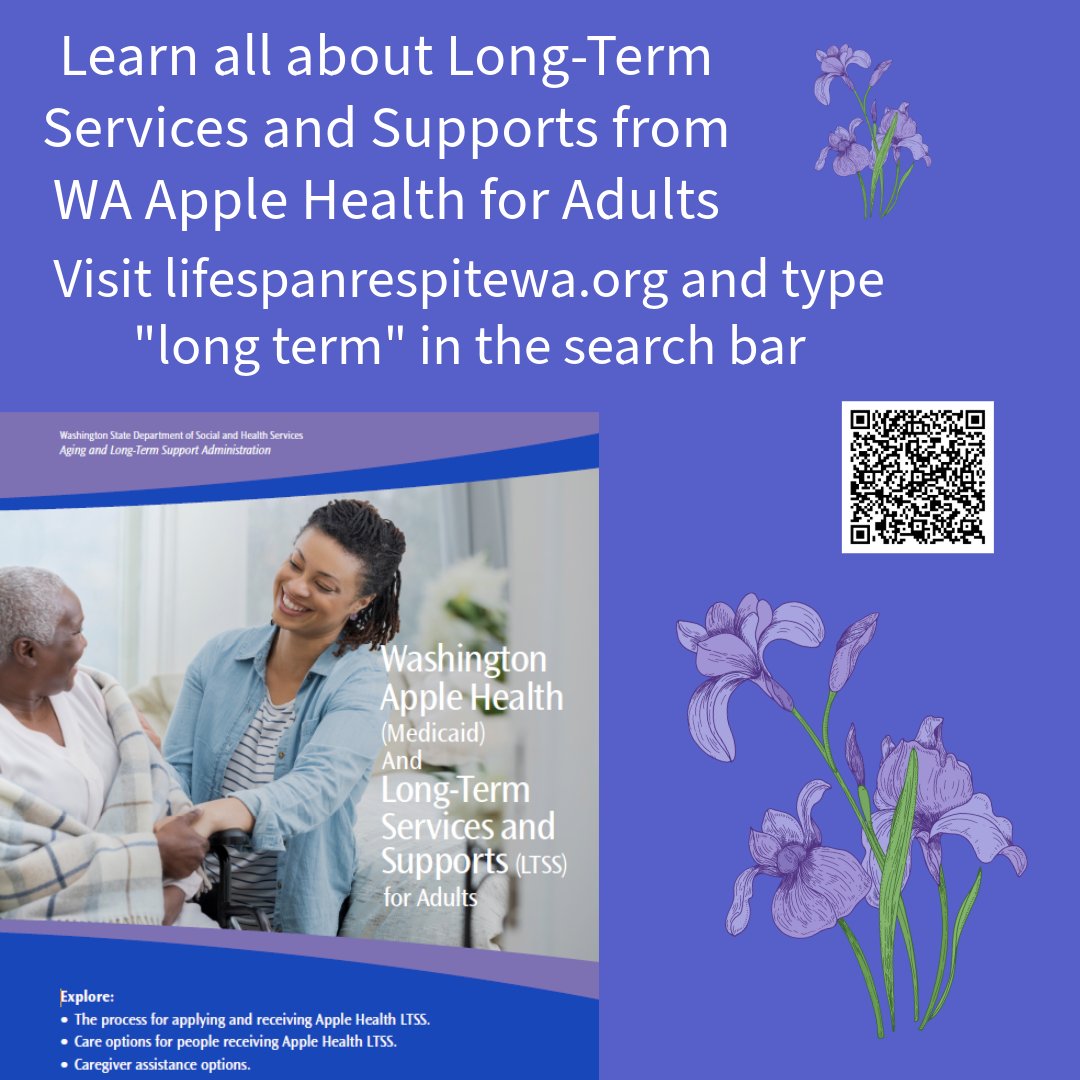
New to our website! WA State Apple Health and Long Term Services and Supports (LTSS) for Adults handbook. Includes process for applying for LTSS, care options, and caregiver assistance options. https://t.co/NcSmEGxFqu
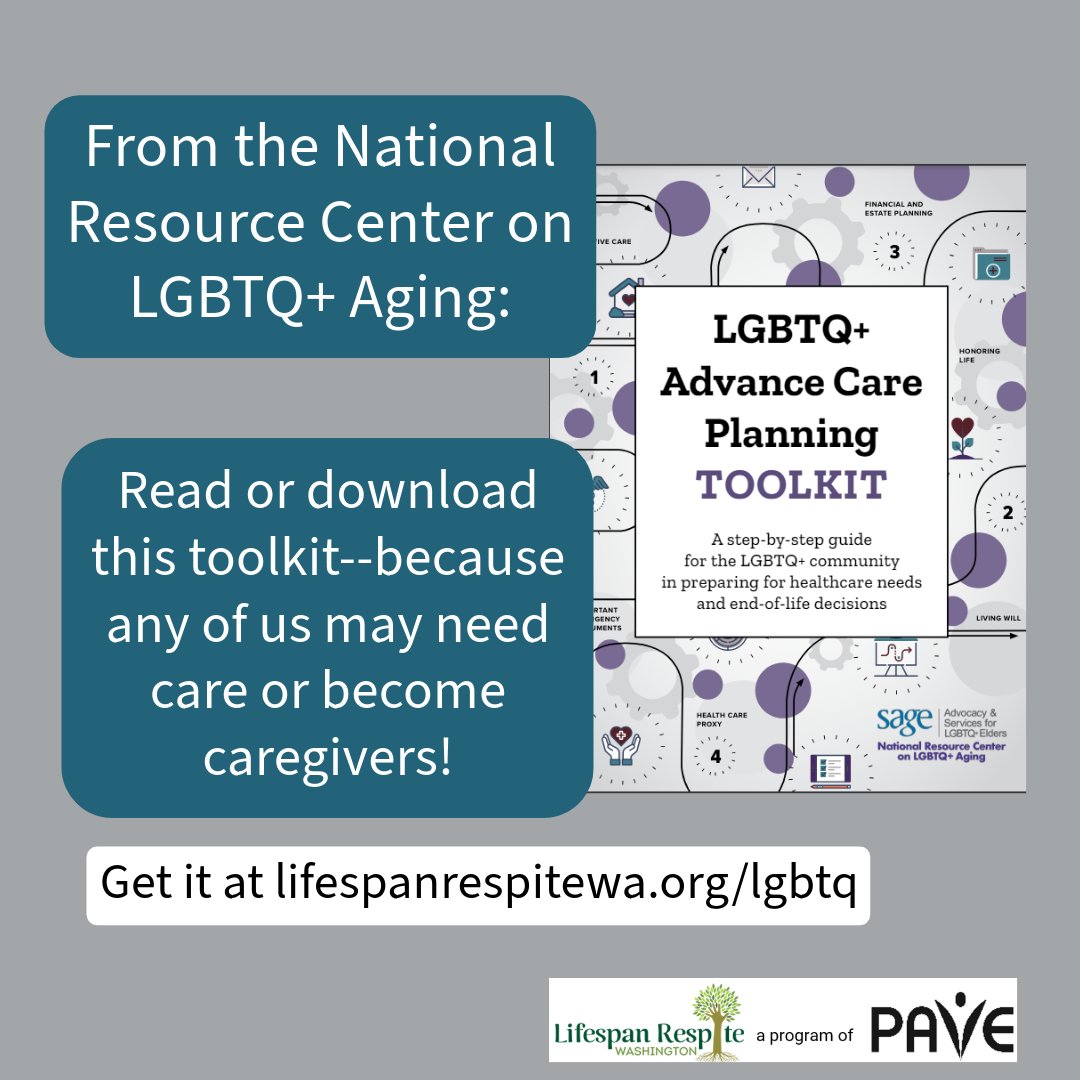
Happy Pride Month! From the National Resource Center on LGTBQ+ Aging: an Advance Care Planning Toolkit, a step-by-step guide to prepare for healthcare needs and end-of-life decisions. Get the Toolkit at https://t.co/3OF9v5Dv0z
Support: if you are new to taking care of a family member or close friend, you can find free, confidential online support with other caregivers who “get it”. Go to https://t.co/8iFcryqkLj to register for the platform, log in, then click on "Community".
Older adults don’t always show typical signs of depression. Be aware if your loved one: has slower speech and movement; is restless or irritable; not interested in usual activities; talks about pain or digestive problems; seems tired all the time. https://t.co/cdGKr1cEje
Do you know about the Senior Farmer’s Market Nutrition Program? Low-income Seniors can get financial help to buy fresh fruits & vegetables at farmer’s markets & farm stands. Apply through your local Area Agency on Aging. Find contacts at https://t.co/3JvhirJHl3