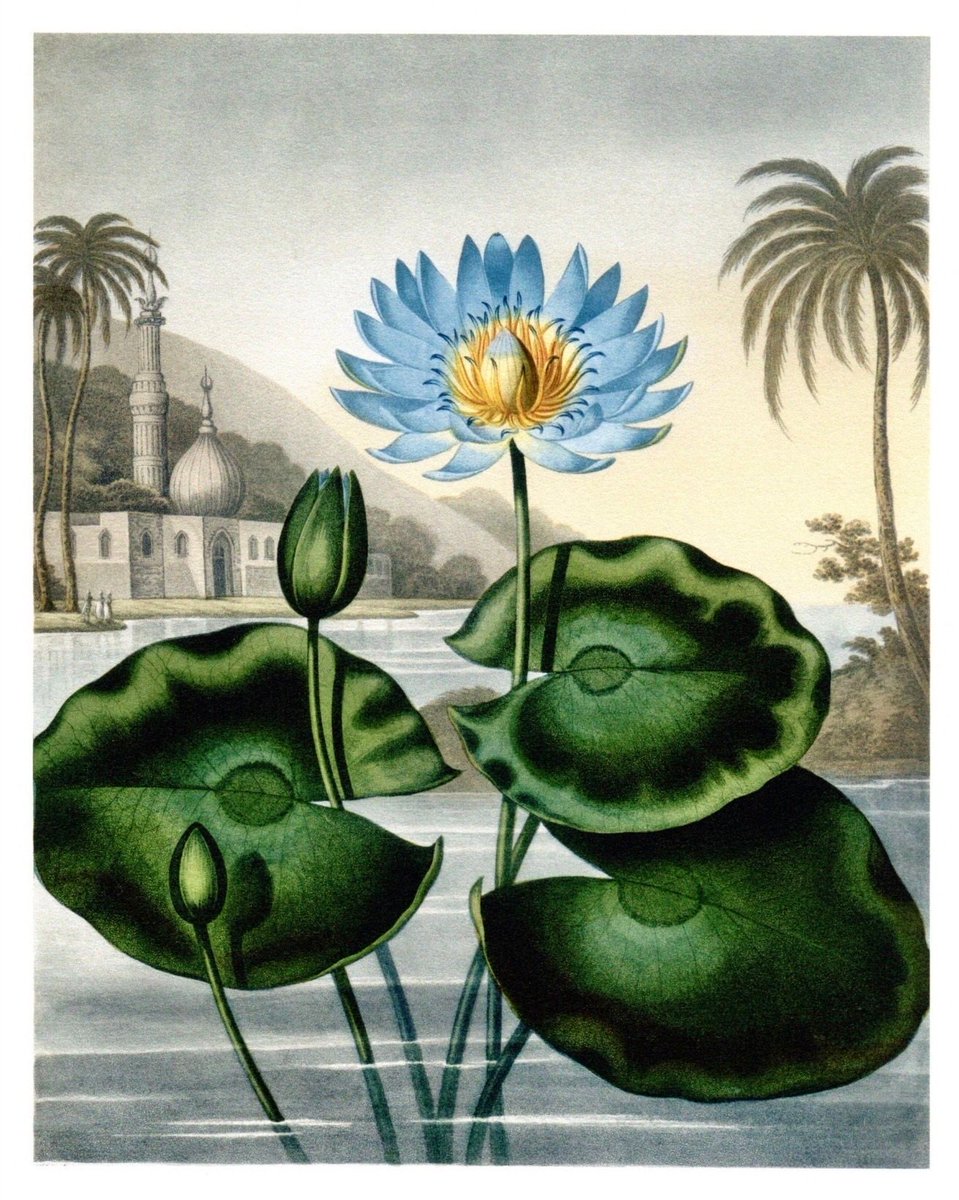
In Egyptian myth the blue lotus symbolised the sun’s cycle of rebirth, its petals opening at dawn & closing at dusk. From the primeval waters, a lotus bloomed; some say the infant sun god emerged, others say Nefertum, god of the lotus, was born from its petals. #FolkloreThursday
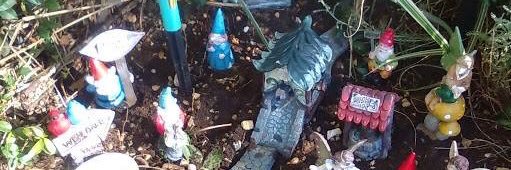
Old folklore says the thorns of wild roses are fairy ladders, tiny steps that help the Little Folk climb, swing, and travel from place to place. Next time you pass a briar, look closely, for you may catch sight of a fairy slipping away on a thorn-tipped stair. #RoseWednesday
13 July 1933 | A French Jewish boy, Jacques Bialowas, was born in Paris.
In August 1942 he was deported from Drancy do #Auschwitz and murdered in a gas chamber after the selection.
13 July 1892 | A Czech Jew, Maximilian Schwarz, was born in Brno. An accountant.
In #Auschwitz from 16 January 1942.
No. 25863
He perished in the camp on 10 February 1942.
Greek myth tells that Chloris, goddess of flowers, found a lifeless nymph and transformed her into a flower. Aphrodite gave her beauty, Dionysus fragrance, and Zephyrus blew clouds away so Apollo’s sun could make her bloom. Thus the rose became ‘Queen of Flowers’. #FolkloreSunday
Herb Bennet, Geum urbanum, is sacred to St. Benedict, the patron saint of Europe, students and nettle rash, whose feast day is 11th July. The herb is said to protect against malevolent forces, and placed over an entrance will act as a talisman barring the devil’s entry. #folklore
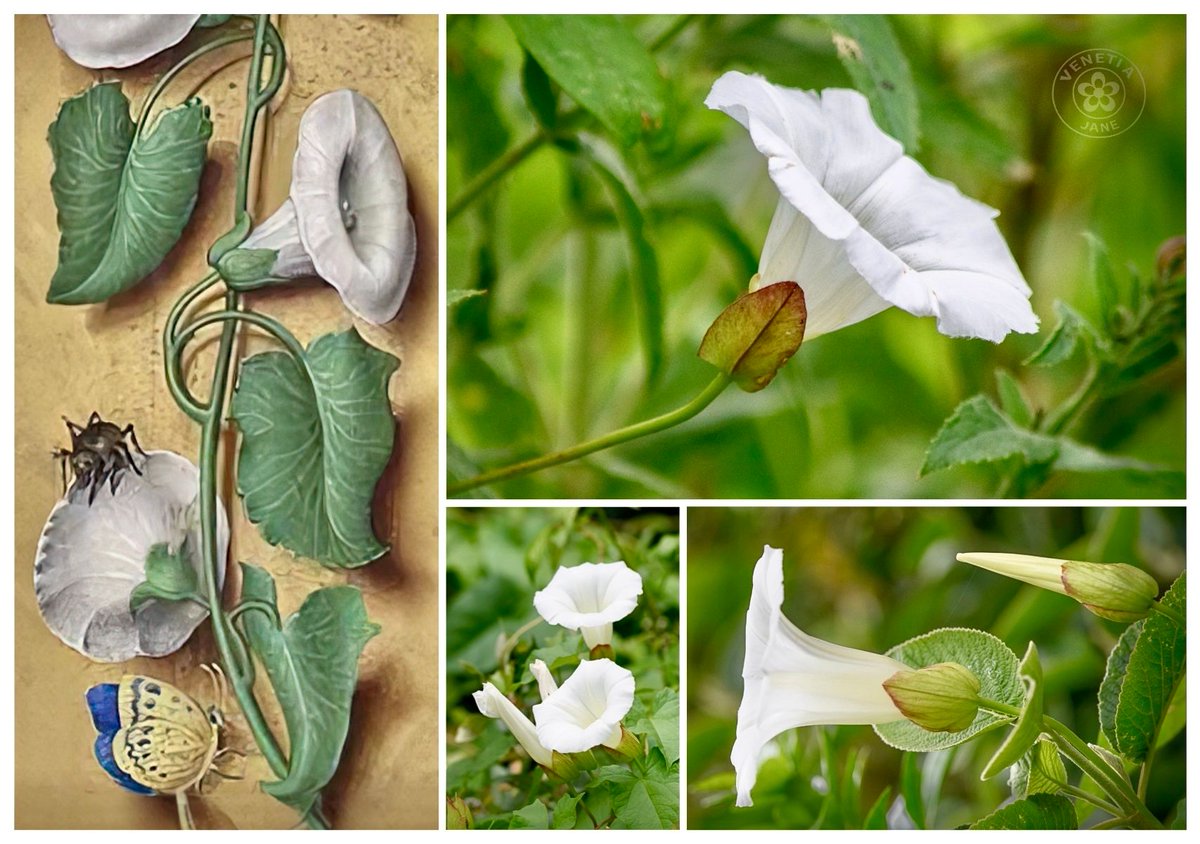
Summer-flowering hedge bindweed (Calystegia sepium) is also known as “granny-pop-out-of-bed”. An old game played by children is to grasp the flower by its calyx and squeeze, making the corolla detach and ‘pop’ off, while chanting the words “granny, granny, pop out of bed!”.
“Sometimes, as in the summer fields
I walk abroad, there comes to me
So wild a sense of mystery,
My senses reel, my reason fails,
I am in such strange company.”
— from ‘In Midsummer’ by Christina Liddell (née Fraser Tytler) (1848–1927). #InsectThursday
Elizabeth Blackwell (c.1707–1758) created ‘A Curious Herbal’ to support her family, drawing, engraving, and hand-colouring over 500 medicinal plants. Her work was praised for its accuracy and beauty, and became a landmark of 18th-century botanical illustration. #FolkloreSunday
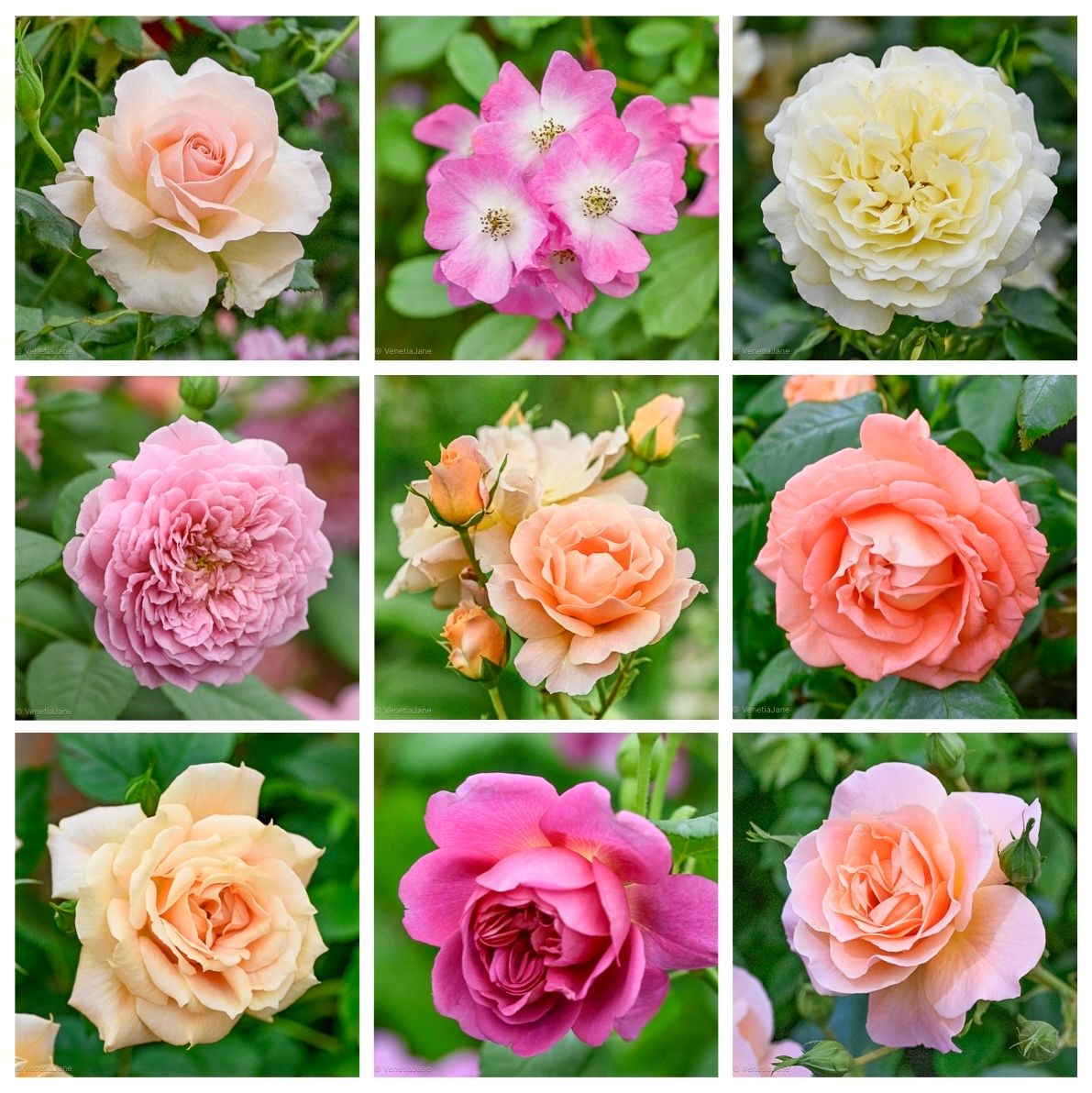
On 20th November 1986, the rose was declared the national flower of the United States. So today, a bouquet of roses from an English garden, sent with warmest wishes to all our friends across the pond for a very happy 4th of July. Have a wonderful Independence Day!
According to British tradition, the sweet pea, Lathyrus odoratus, is the final birth flower of July. In the language of flowers it symbolises “departure” echoing Keats: “Here are sweet peas, on tip-toe for a flight.” A fitting flower as the summer holidays begin. #FlowersOnFriday
The water lily is the first of July’s three birth flowers. Nymphaea, its genus name, comes from the Greek ‘νύμφα’, the word for the nature spirits known as nymphs. This flower embodies feminine youthfulness and beauty. In the Language of Flowers, it symbolises purity of heart.
Other names for Chicory are ‘watcher-of-the-road’ and ‘blue sailor weed’. A legend tells of a maiden who waited by the roadside for her beloved, never knowing he had been lost at sea. Tears from her blue eyes became the flower, forever watching for his return. #FairytaleTuesday
June’s full moon is known in Europe as the #RoseMoon, named for the season when roses are at their glorious peak. In North America it is the Strawberry Moon, marking the strawberry harvest, while elsewhere it is called the Hot Moon, reflecting the arrival of summer heat in June.
One of summer’s simplest pleasures is making dolls from flowers like hollyhocks. Here’s Lady Hollyhock, wearing two blooms for her skirt, a bud for her head and flower centres carefully strung onto a cocktail stick as gloves. A fun activity to enjoy with children. #FolkloreSunday
In parts of England, bird’s-foot trefoil (Lotus corniculatus) was called Tom Thumb, after a pixie-like figure of folklore who inspired the fairytale character. He enjoyed playing pranks & took magical revenge when upset. For this reason, it was thought unlucky to pick his flower.
25th June is the feast day of St William of Vercelli. In the Saints’ Calendar of Flowers, sweet Williams (Dianthus barbatus) are dedicated to his day. Old folk names include “London tufts” and “painted ladies”. In floriography they symbolise gallantry & finesse. #FolkloreThursday
Tradition tells of a magical fern that blooms each year, at the stroke of midnight on #Midsummer Eve, the eve of St John’s Day. From its fleeting flower falls a seed that grants invisibility. Fairies and demons battle through the darkness, each striving to claim its hidden power.
A Welsh tale tells that at #Midsummer a tunnel to a fairy island appeared through which mortals might visit. When a girl tried to take a flower from the island, she was transformed into a hollyhock. Her pink dress became its petals, and the tunnel closed evermore. #FolkloreSunday
Verbena is considered to be a magical plant, especially when gathered on the eve, or day, of the #SummerSolstice. Those who carry a sprig of Verbena will be protected from enchantment, and some say it has the power to bring happiness and joy when brought into the home. #Folklore