#IA#travail#emploi
Je trouve cette réflexion sur l'impact de l'IA très pertinente.
C'est bien une forme d' #apocalypse, de révélation qui se prépare.
Comme toujours la clé est dans ce qui fait souvent défaut (encore plus dans la société) : l'accompagnement du #changement
Jensen Huang just described something that should keep every worker in America awake tonight.
Not because AI is coming for their job.
Because most of them never understood what their job actually was.
Huang: “The task of our job and the purpose of our job are related, not the same.”
Most people think their job is the thing they do with their hands for eight hours a day.
Write code. Fill spreadsheets. Draft emails. Push pixels.
That was never the job.
That was the task.
The job was always the thinking underneath it.
Huang: “If you apply that to me, you would come to the conclusion what Jensen does for a living is tap on phones and talk. And tapping on phones and talking, AI has done that just fine. And therefore my job should be gone. But I’m busier than ever.”
This is the part nobody wants to sit with.
The people panicking about AI aren’t afraid of losing their work.
They’re afraid of finding out they never had any.
They had a routine. A repetitive motion. A series of keystrokes that felt like purpose.
Now a machine does it in four seconds.
Huang: “AI has created more than half a million jobs in the last couple of years.”
The data says one thing.
The fear says another.
Because the fear was never about employment numbers.
It was about identity.
We spent fifty years hunched over keyboards, convinced the hunching was the work.
Huang: “The idea that being human means to hunch over on this little thing, typing all the time… 50 years before that, people didn’t do that.”
Fifty years.
That’s all it took to build an entire identity around a posture.
We don’t type for a living. We think for a living. We imagine for a living.
The keyboard was always just the delivery mechanism. Never the product.
Huang: “It is a fundamental flaw that we only need a billion lines of code written. We need a trillion lines of code written.”
The demand was always infinite.
The bottleneck was always our fingers.
AI doesn’t shrink the workforce. It removes the cap on what the workforce can actually build.
Huang: “Companies that use AI have demonstrated the ability to grow faster. When they grow faster, they hire more people.”
Growth doesn’t eliminate people. It pulls them in.
Every industrial revolution triggered the same panic. Same headlines. Same wrong conclusion.
And every single time, the economy didn’t contract.
It expanded into territory that didn’t exist before.
The real question was never whether AI takes your job.
It was whether you were ever anything more than the motions you repeated.
Because somewhere in the last fifty years, we stopped asking what the work was for.
We just kept typing.
And now the typing is done.
And millions of people are about to meet themselves for the first time.
With nothing to hide behind.
Some of them won’t survive what they find.
"I’ve come up with a set of rules that describe our reactions to technologies:
1. Anything that is in the world when you’re born is normal and ordinary and is just a natural part of the way the world works.
2. Anything that’s invented between when you’re 15 and 35 is new and exciting and revolutionary and you can probably get a career in it.
3. Anything invented after you’re 35 is against the natural order of things."
—Douglas Adams
🙏 Merci @jattali pour l'alerte et @phsilberzahn pour la diffusion.
#impact#positif#optimisme
⭐️ Comme toujours une synthèse brillante des catastrophes annoncées.
🚀 Énoncé d'un espoir à portée de main : comment enrayer ce déclin palpable ?
Merci @phsilberzahn de mettre en évidence ces 2 pôles #performance et #humanité à équilibrer en permanence, rôle majeur du manager qui nécessite temps, énergie et créativité !
Un des challenges de mes modestes formations en #management...⤵️
J'y parle de triple wins :
1. Win pour chaque personne : affirmation de soi, développement personnel, une forme de satisfaction voire de bien-être
2. Win pour chaque équipe : meilleure entente, entraide, créativité
3. Win pour l'entreprise : meilleures performances
⤵️
Right !
La #transformation ne commence jamais avec des outils.
La vraie, la durable, la profitable, commence toujours par le #changement de mindset des leaders et le #management.
Et ce n'est généralement pas très rapide. Donc bien choisir les chantiers les plus emblématiques.
❌ Beaucoup pensent qu’une transformation est d'abord technologique. Pas orientés clients? Installons un CRM!
✅ La transformation est avant tout humaine. Le manque d'orientation client vient de modèles mentaux prioritaires, comme la standardisation des produits.
#management#organisation#priorisation#eisenhower
Merci @phsilberzahn !
Oui il y a souvent confusion (sincère ou non) entre collaboration et jeux de pouvoir (délétère pour un groupe, cf. C.Steiner).
La collaboration est efficace au "sein d'une priorité réellement partagée".
#biaiscognitif vs #espritcritique
Merci @FranckRamus pour cette mise au point : le monde n'est ni juste ni injuste.
Un mega problème est la montée de l'irrationalité, cette paresse intellectuelle renforcée par le subjectivisme ambiant.
https://t.co/7U4M7efM6u
🤝 De belles, sympathiques et intéressantes Rencontres Réseau hier soir !
👍 Fier de contribuer depuis près de 30 ans à l'association @ND_Lyon.
⚡️ Faites-vous accompagner pour atteindre vos objectifs plus vite.
#accélération#emploi
#RRND2022#accélération#Emploi#networking
56èmes Rencontres Réseau !
Une cinquantaine de participants, candidats ou bénévoles, actuels ou passés. Des conseils de recrutement judicieux par la DRH de @airria 🙏 avant un cocktail sympathique.
Bienvenue aux futurs #bénévoles !
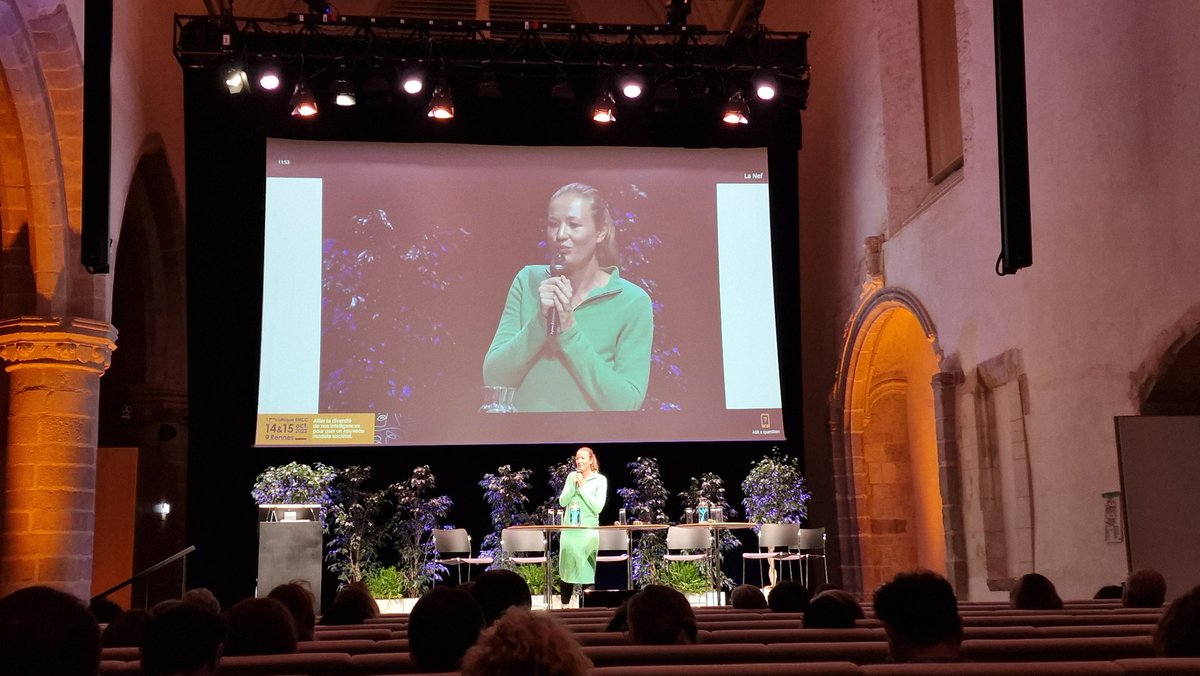
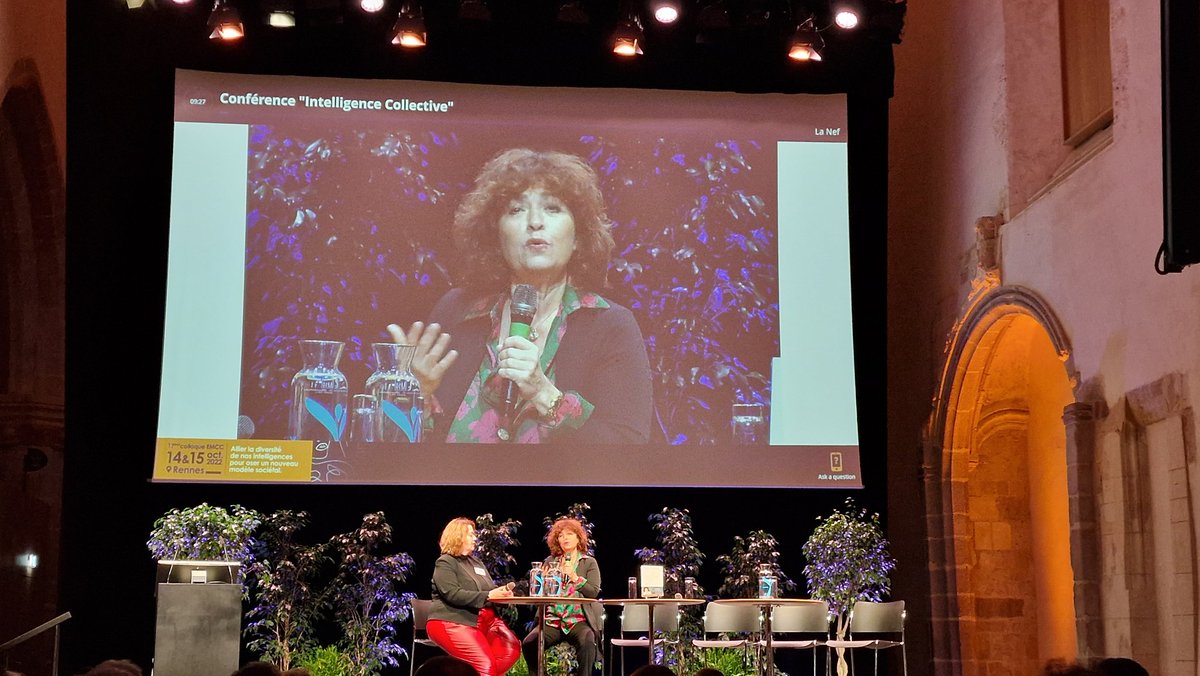
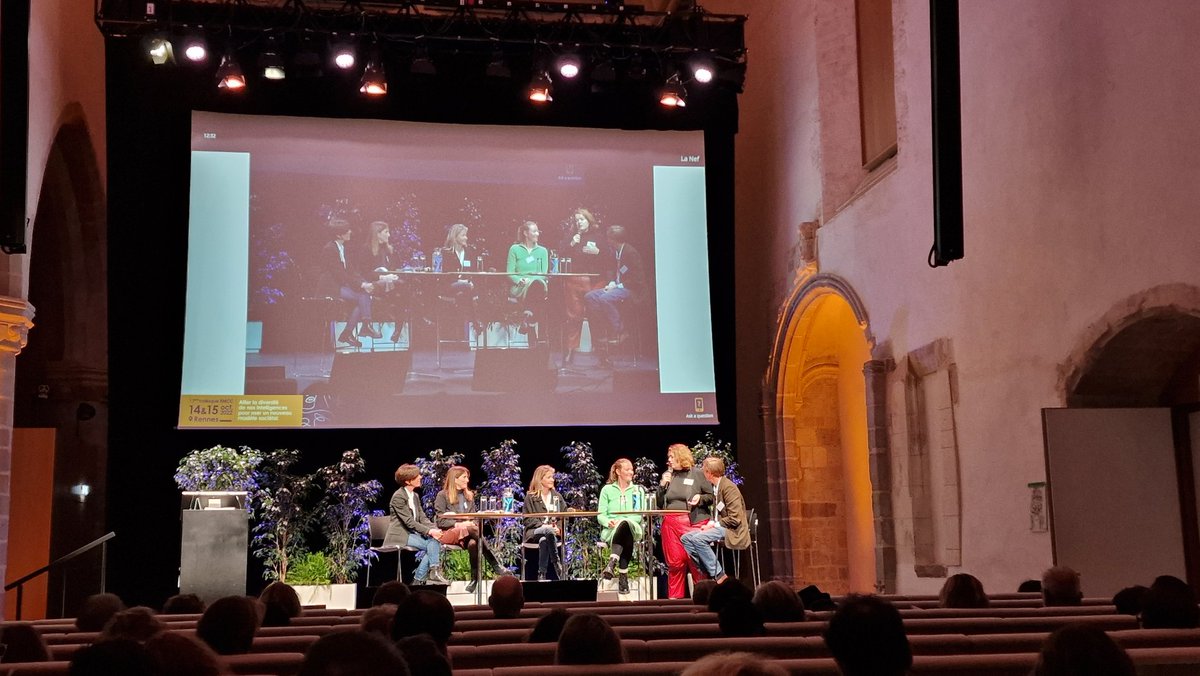
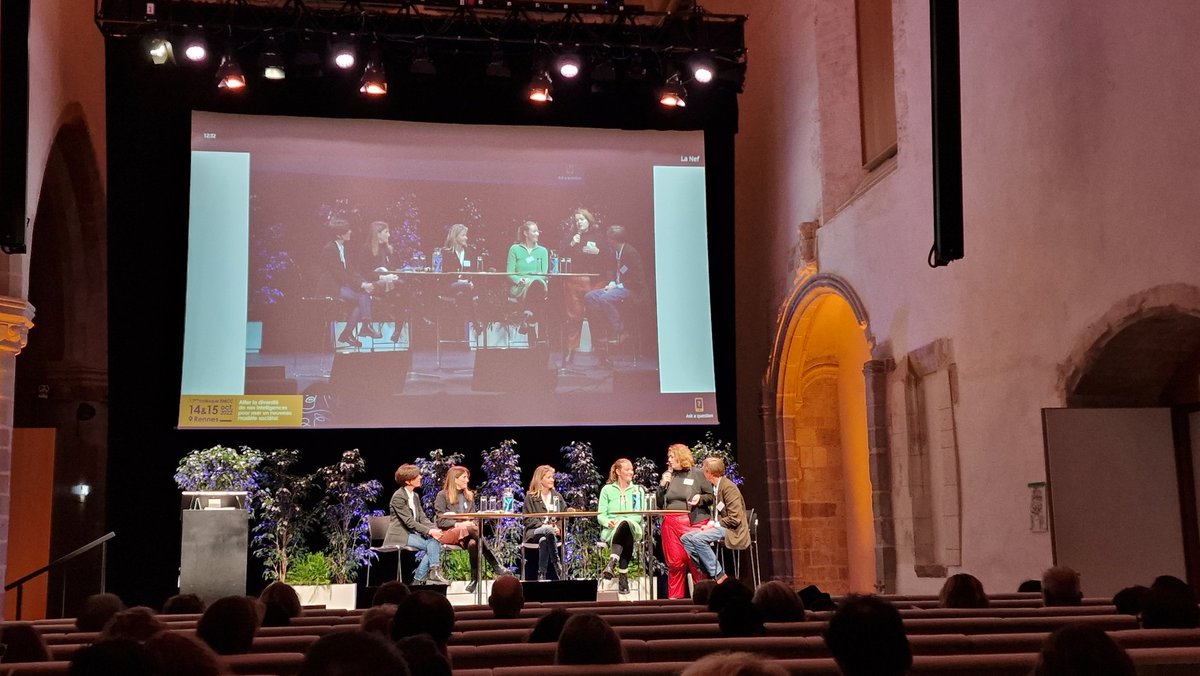
17ème Colloque @EMCCFrance
Fin de matinée conférence et table ronde sur la #Neurodiversity : "Je suis différent comme toi : une richesse pour l'Entreprise."
Liliya Reshetnyak Sylvia Porta @mpoeydomenge@FerialFuron Louis de Nassau
17ème Colloque @EMCCFrance
Fin de matinée conférence et table ronde sur la #Neurodiversity : "Je suis différent comme toi : une richesse pour l'Entreprise."
Liliya Reshetnyak Sylvia Porta @mpoeydomenge@FerialFuron Louis de Nassau
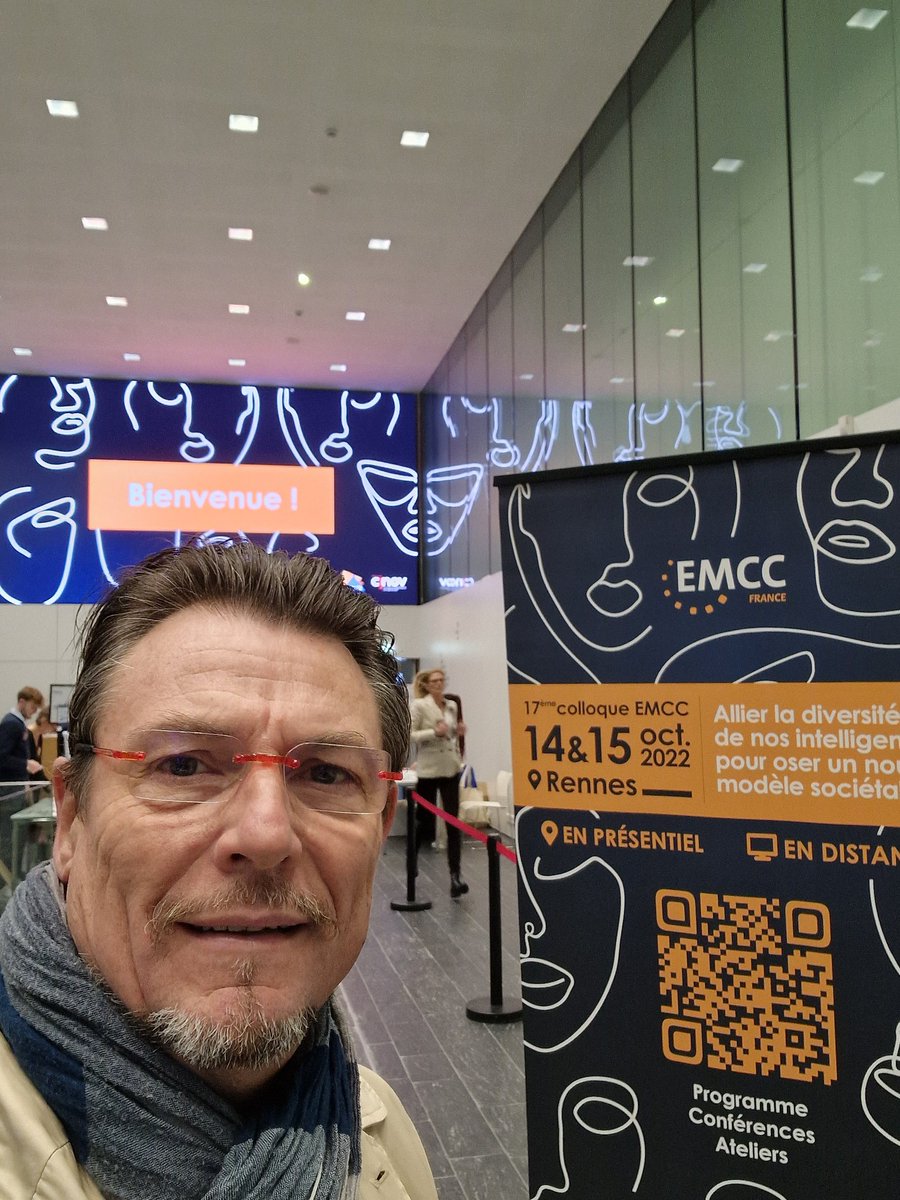
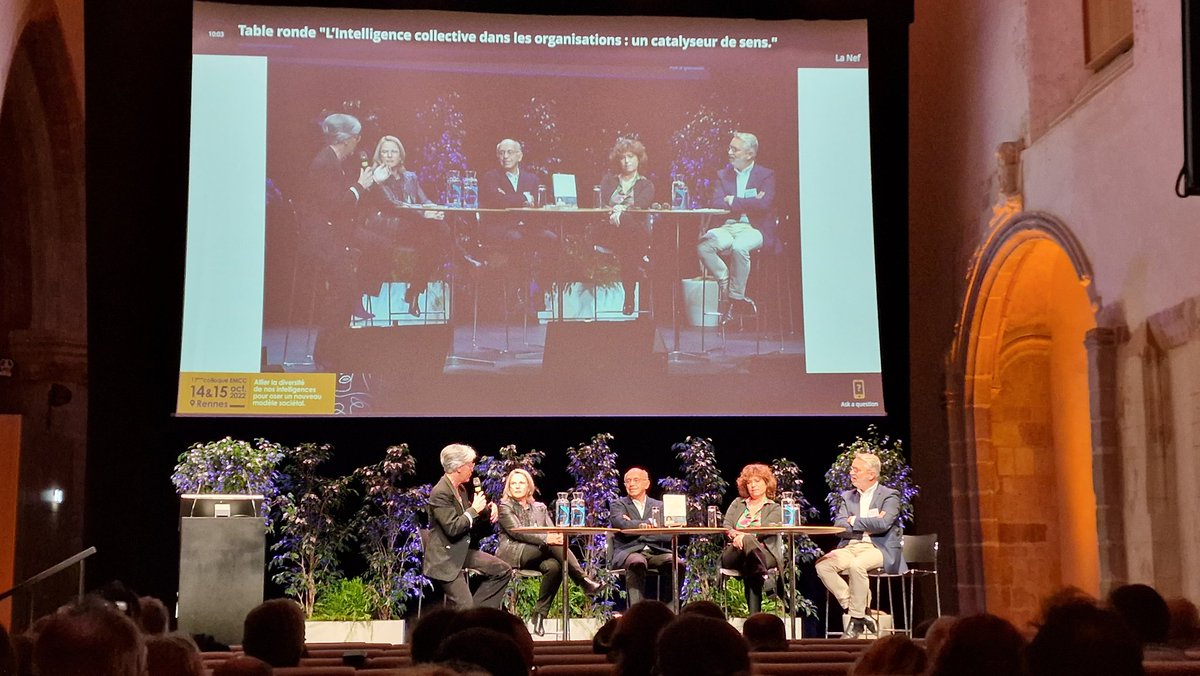
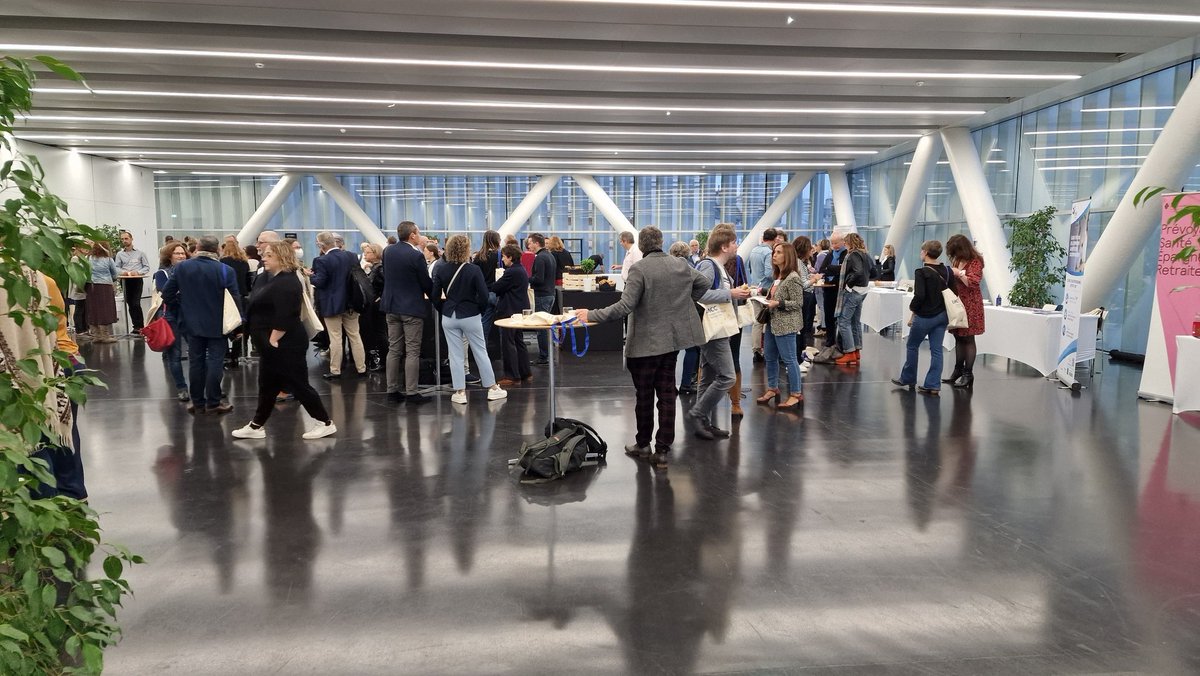
@EMCCFrance
Accueil au 17ème Colloque de #EMCC à Rennes sur le thème : "Allier la diversité de nos intelligences pour oser un nouveau modèle sociétal".