Thistles sit at a surprising crossroads between noxious weed and useful food crop: many are edible, some are excellent vegetables or medicinal plants, and a few are best left alone unless you know exactly what you are doing. Read More https://t.co/3LHHDn2ASl
Chenopodium (Goosefoots): An Edible Genus Worth Rediscovering. The genus Chenopodium, commonly known as goosefoots, includes a wide range of plants that have fed people for thousands of years. https://t.co/fhZd4Ps0iX
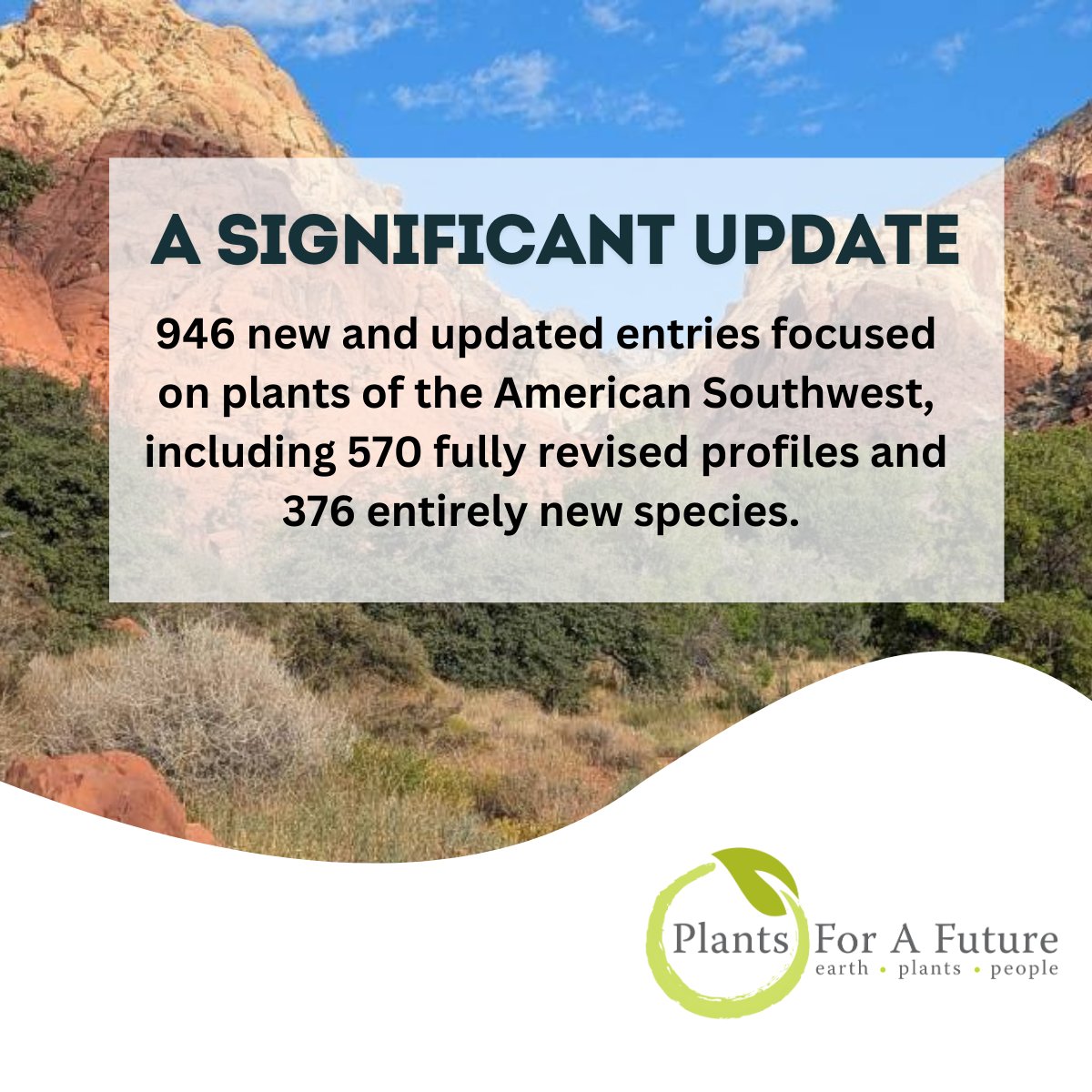
946 new and updated entries focused on plants of the American Southwest, including 570 fully revised profiles and 376 entirely new species. This expansion continues PFAF’s multi-year effort to broaden our coverage across global climate zones
Planting for a Mediterranean Future: Use the PFAF Database to Choose Climate-Ready Edibles. Many temperate gardens are shifting toward summer-dry, winter-wet conditions: hotter spells, longer dry periods, surprise frosts, and stronger winds. Read More: https://t.co/5pOz0g1edm
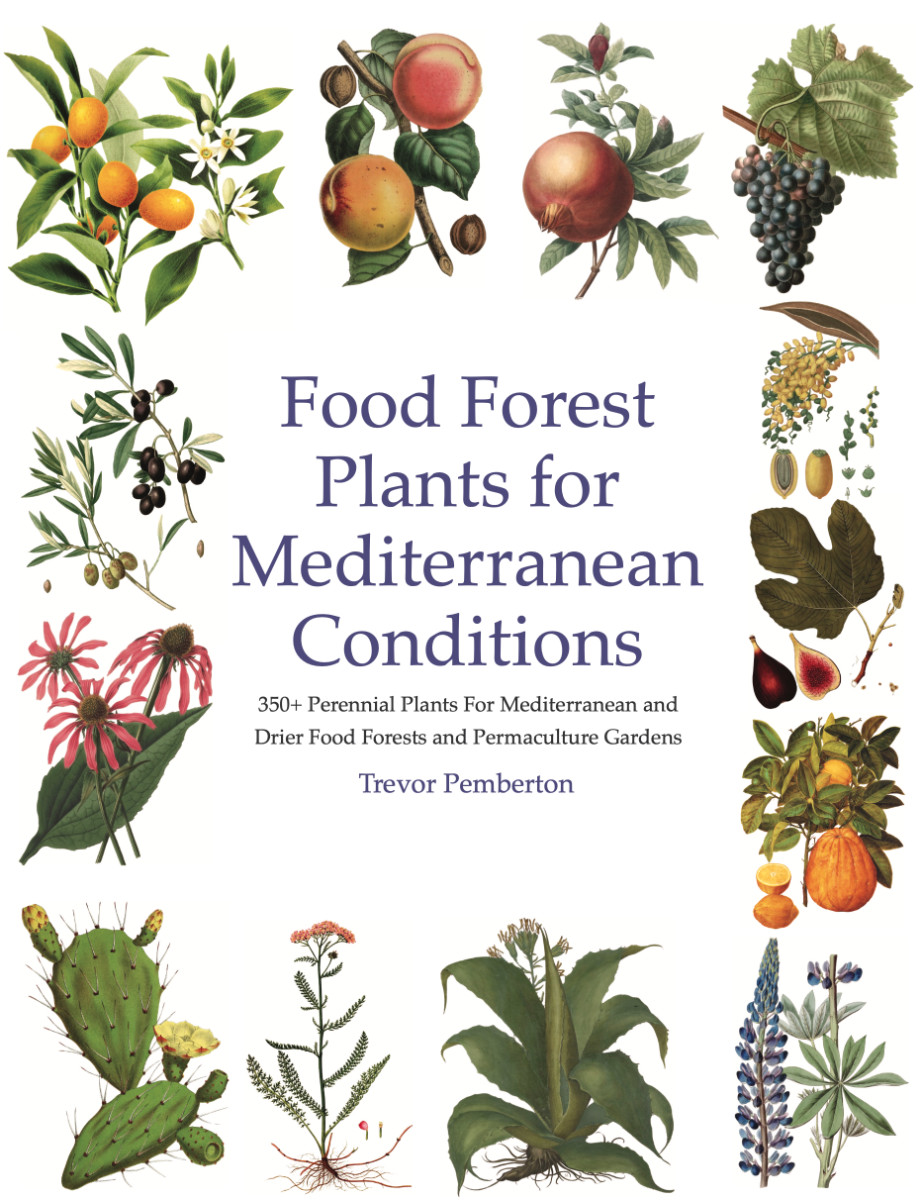
Our latest book, Food Forest Plants for Mediterranean Conditions, is now available from your favourite bookshop and on Amazon.
If you’re in the UK or the US, you can order directly from the printer and enjoy 20% off the cover price.
Order here: https://t.co/7JLaMCSl1Z
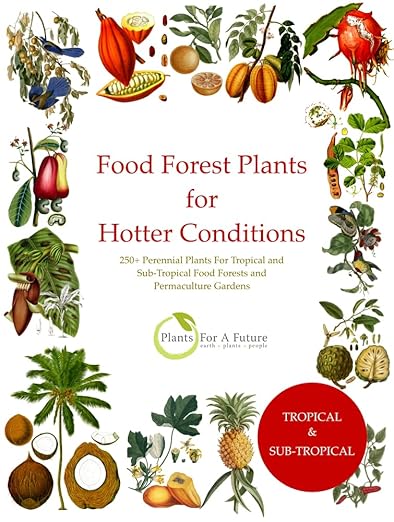
A Kindle version (USD 9.99) of our new book Food Forest Plants for Hotter Conditions: 250+ Perennial Plants For Tropical and Sub-Tropical Food Forests and Permaculture Gardens is available on Amazon (US, UK, etc) https://t.co/4nUHp0WNxJ
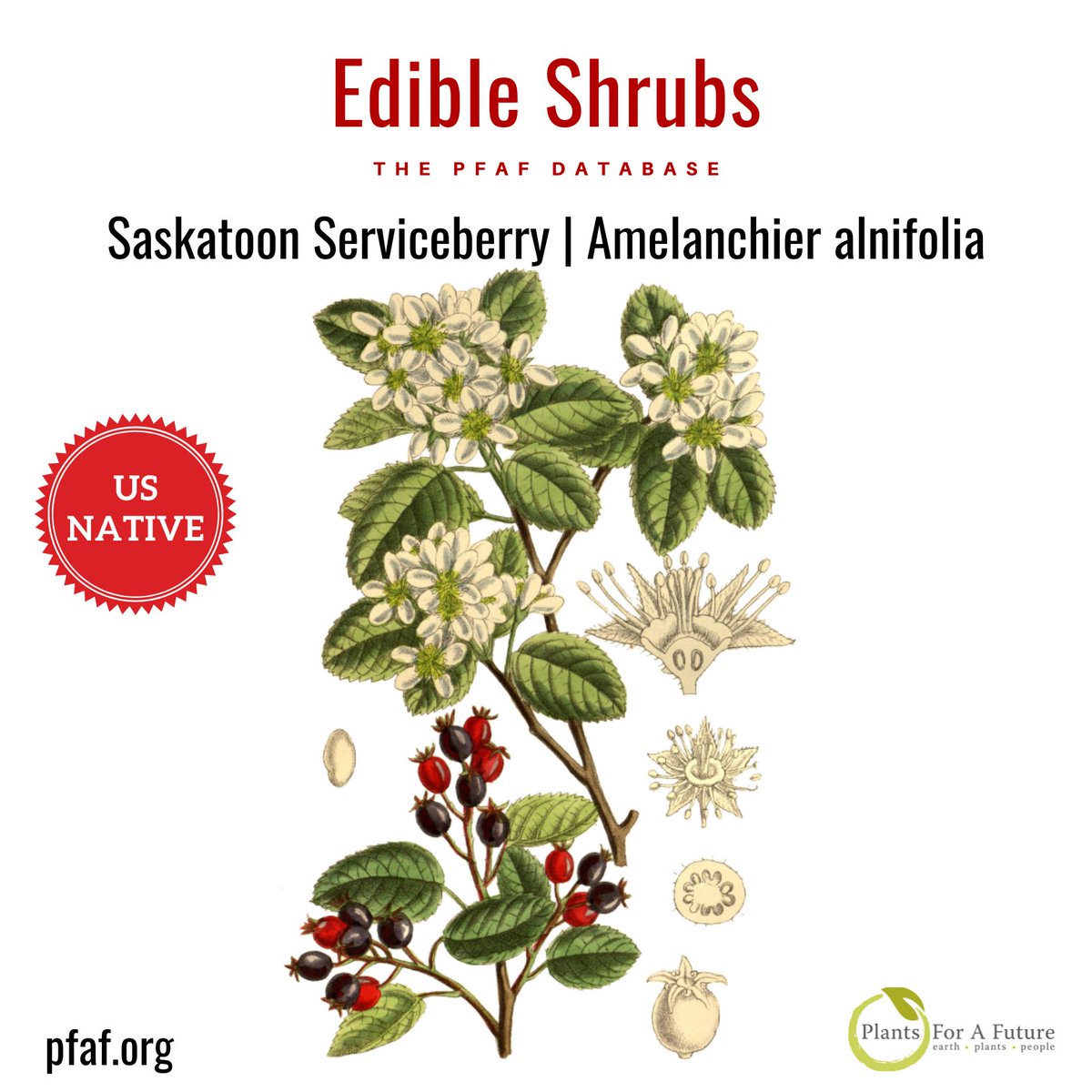
Saskatoon Serviceberry | Amelanchier alnifolia. The fruit has a lovely sweet, nutty flavour and is rich in iron and copper. Make a tea from the leaves. Use for erosion control and as a windbreak. https://t.co/6AHYPjY8nL
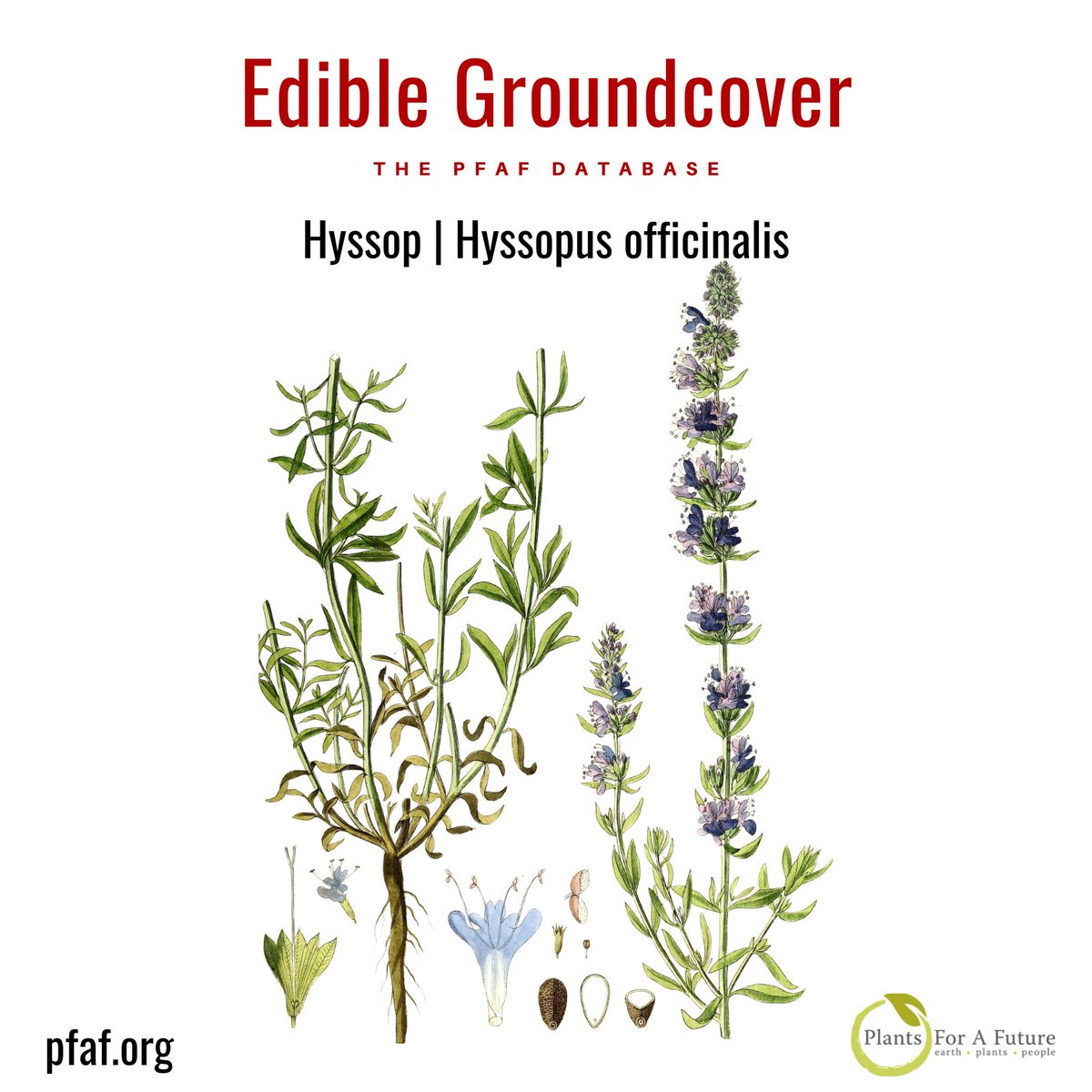
Hyssop | Hyssopus officinalis. Hyssop is a small evergreen edible shrub 0.6m (2ft) high and native to Southern Europe and the Middle East. The leaves, young shoot tips and flowers have an intensely aromatic flavour https://t.co/g7JYzIf6ac
Kangkong, Swamp Morning Glory | Ipomoea aquatica. Ipomoea aquatica has tasty leaves and young shoots produced year-round. The youngest shoot tips are added to salads; older leaves are cooked and make mild-flavoured spinach. https://t.co/cSYPAgwjjO
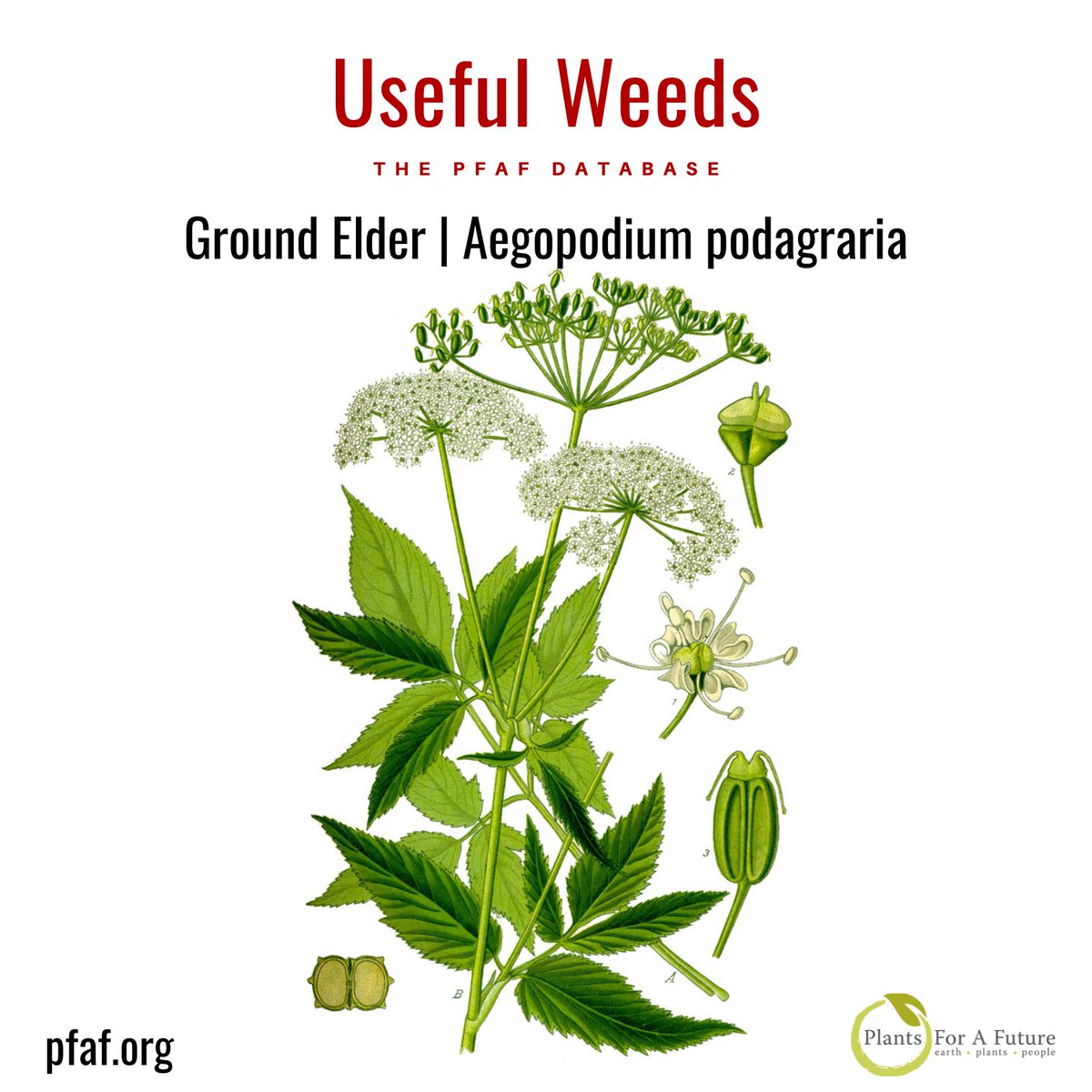
Ground Elder | Aegopodium podagraria. Ground Elder has a long history of edible and medicinal use; it was cultivated as a food crop and medicinal herb in the Middle Ages. https://t.co/TuaEDrZBGl
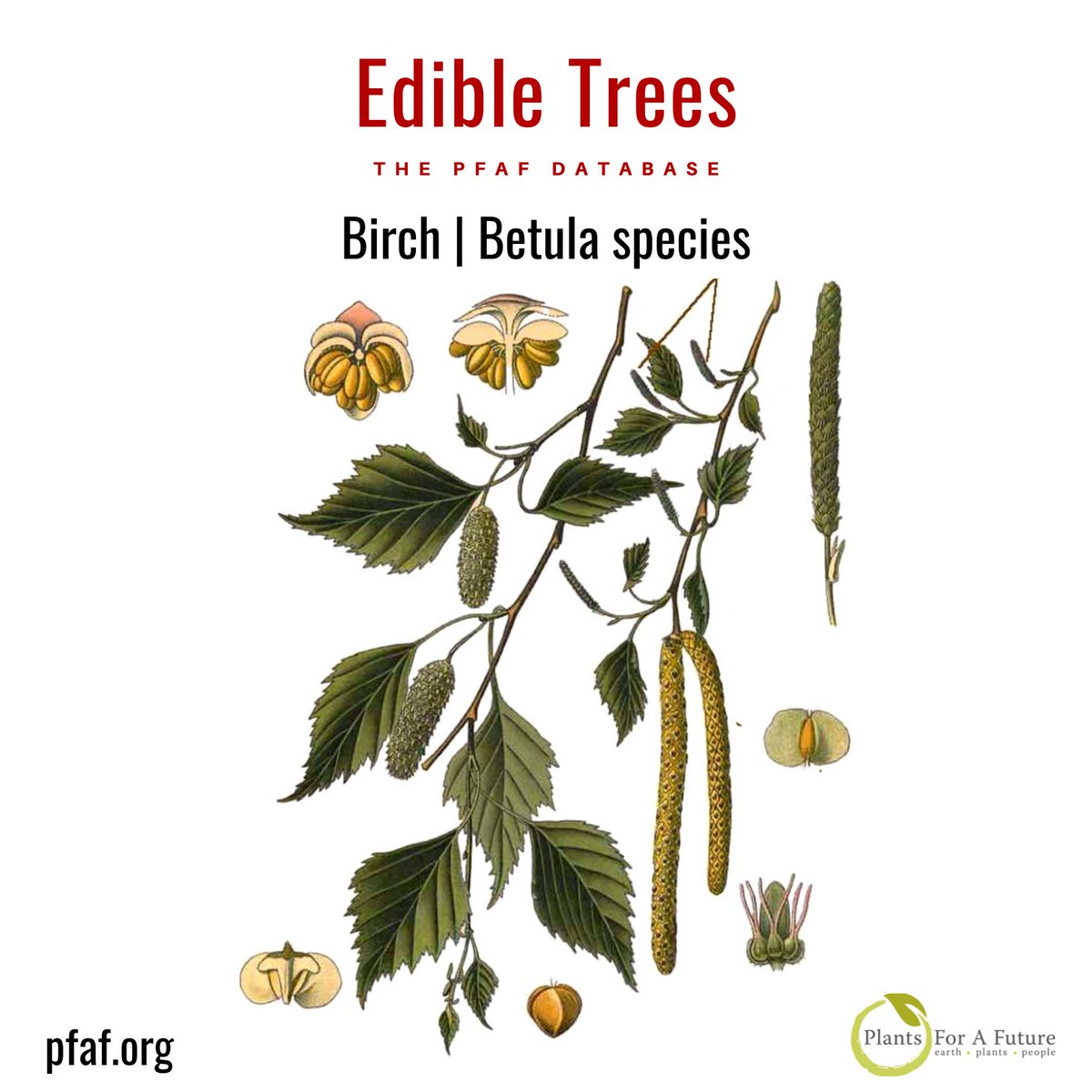
Birch | Betula species. Apart from being magnificent trees for wildlife, B. pendula and B. pubescens also have an extensive range of uses. These include the sap, which can be taken off in the spring and make sweet drinks, beer or vinegar. https://t.co/7f9ua55KOD
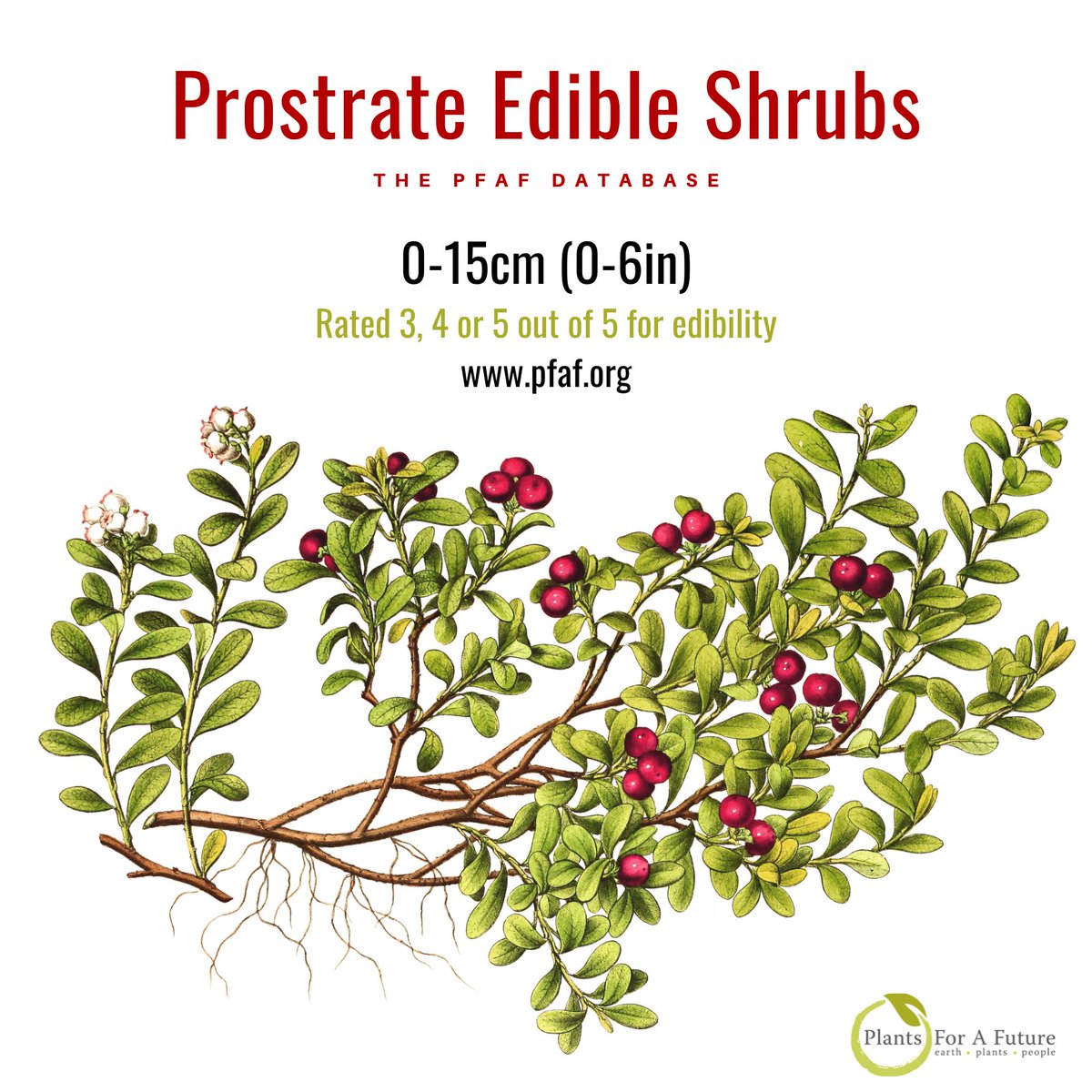
Prostrate Edible Shrubs. We’ve included five of our favourite Prostrate Edible Shrubs in a quick reference guide. Each plant card links to the original PFAF plant page. https://t.co/nkBmMihSzY
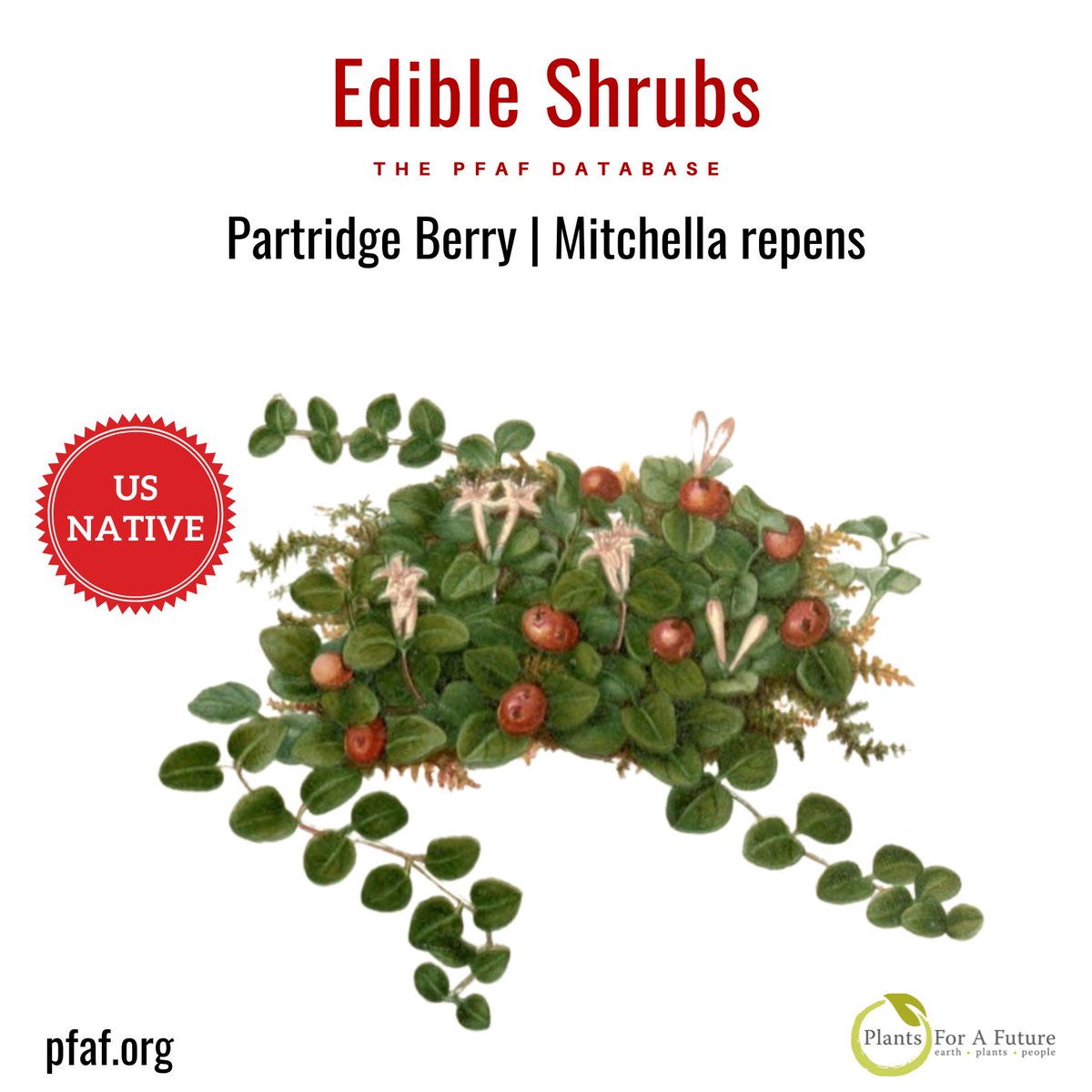
Partridge Berry | Mitchella repens is an excellent creeping edible groundcover for a shady spot on neutral to acid soils that succeed in the shade of trees. https://t.co/wuDy3X4Zod
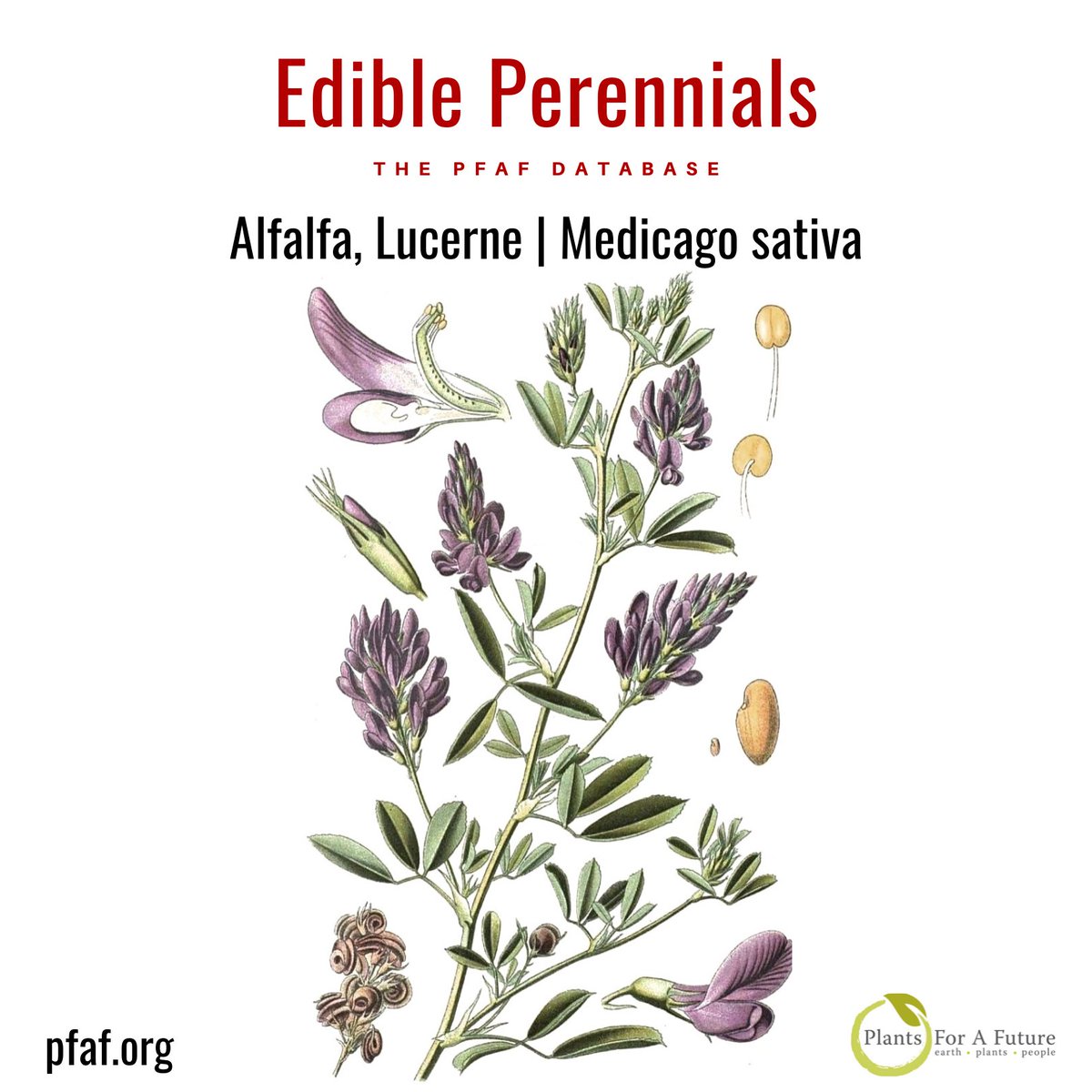
Alfalfa, Lucerne | Medicago sativa. Alfalfa, also called lucerne, is a medium-sized nitrogen-fixing perennial in the legume family cultivated as an important forage crop in many countries. https://t.co/H2vFx529sS
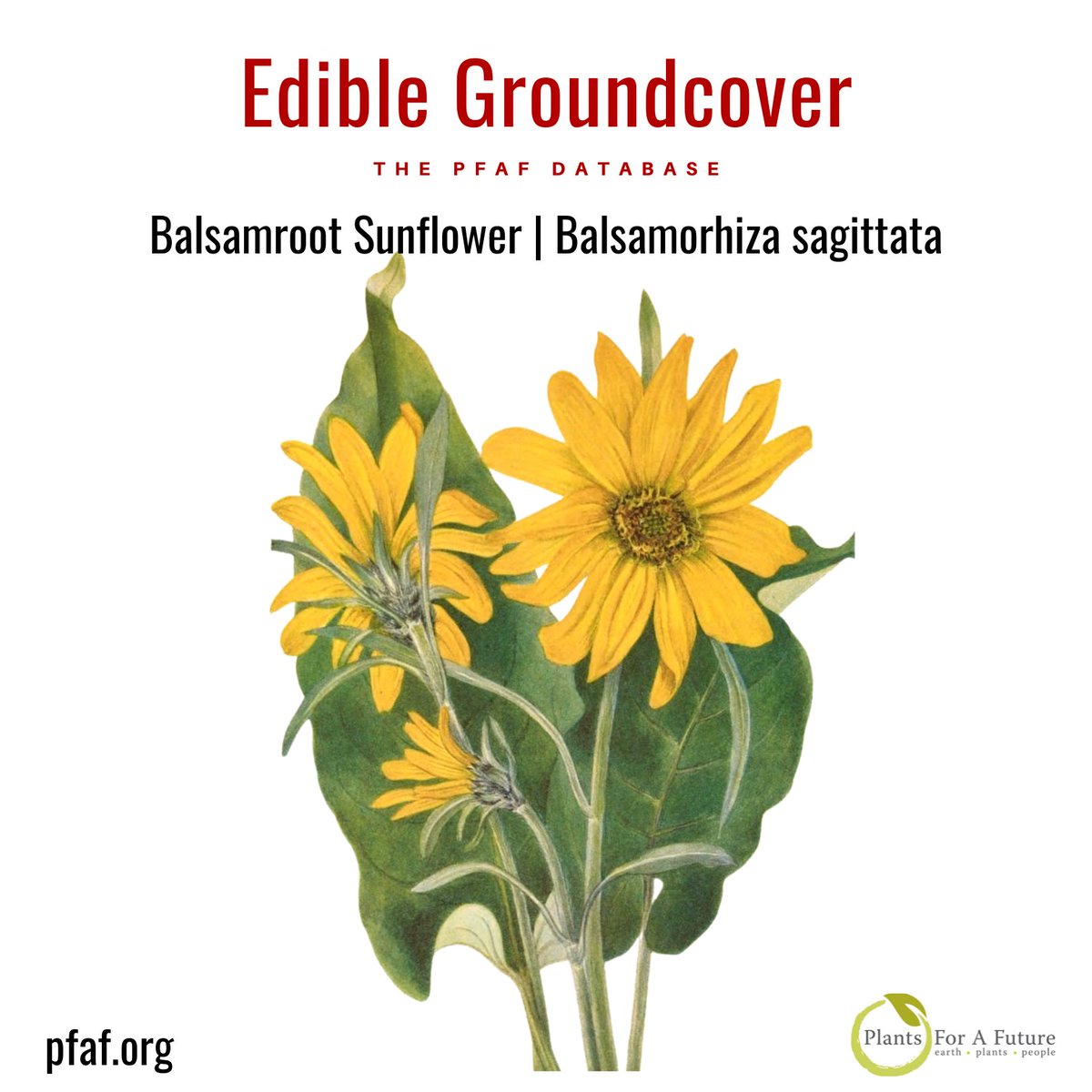
Balsamroot Sunflower | Balsamorhiza sagittata. Balsamroot sunflower is a small attractive perennial growing to 0.3m (1ft), making an excellent edible groundcover. https://t.co/0UOP2uwC6G
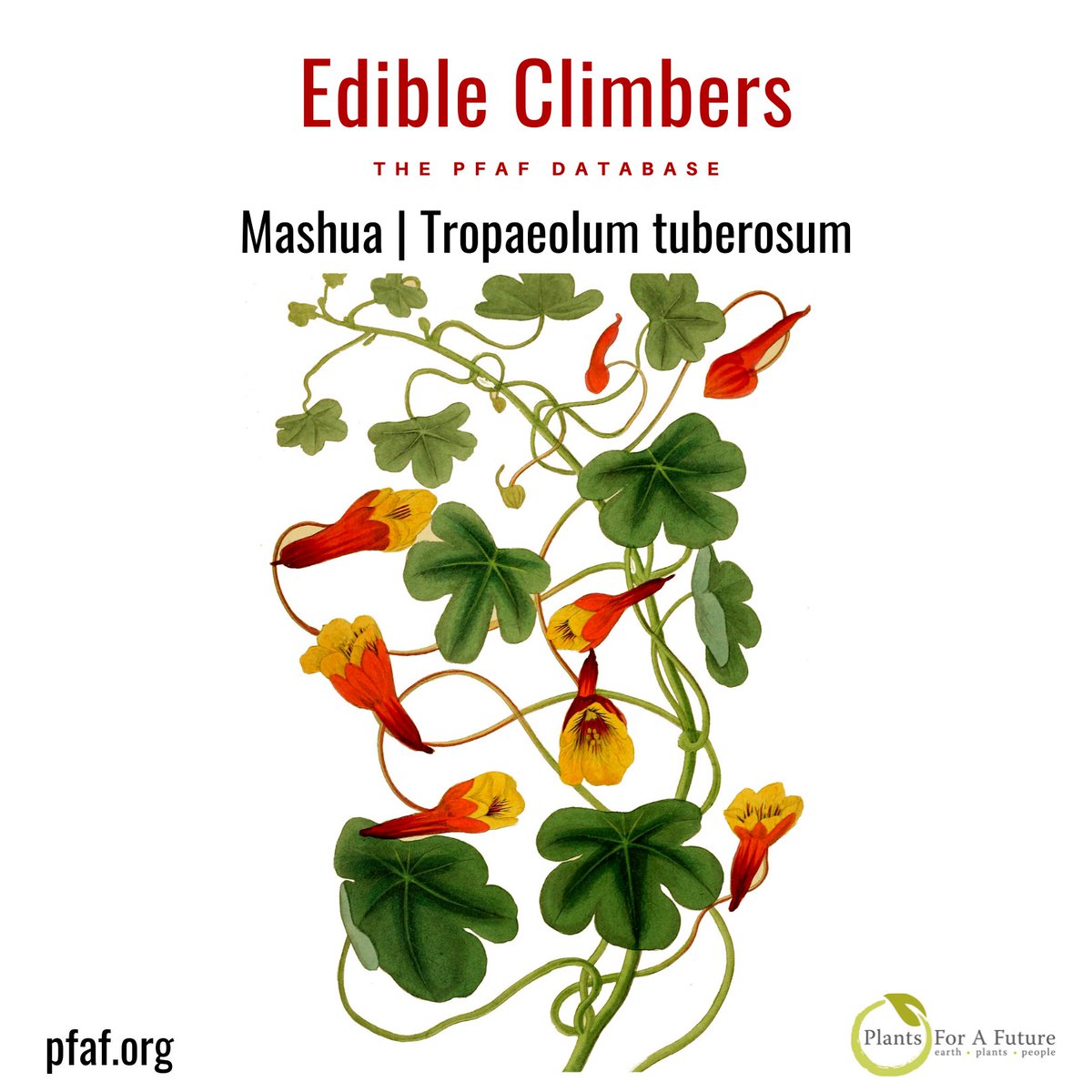
Edible Climbers | Mashua | Tropaeolum tuberosum. Mashua produces many edible tubers near the soil surface and can be quite heavy-yielding. In mild winter areas, the tubers can be left in the ground https://t.co/J3kE0NOuvy