In honor of The Game, here’s some neat stuff about buckeye ecology. The buckeye is an interesting tree in the forests of the Midwest because it has what are called “mast years” where trees produce 10-100 times the usual amount of mast (nuts or fruit). But in the case of the buckeye, all parts of the tree (nut, bark, leaves) are poisonous to mammals. The poison reduces the pressure faced by similar trees like maples and oaks.
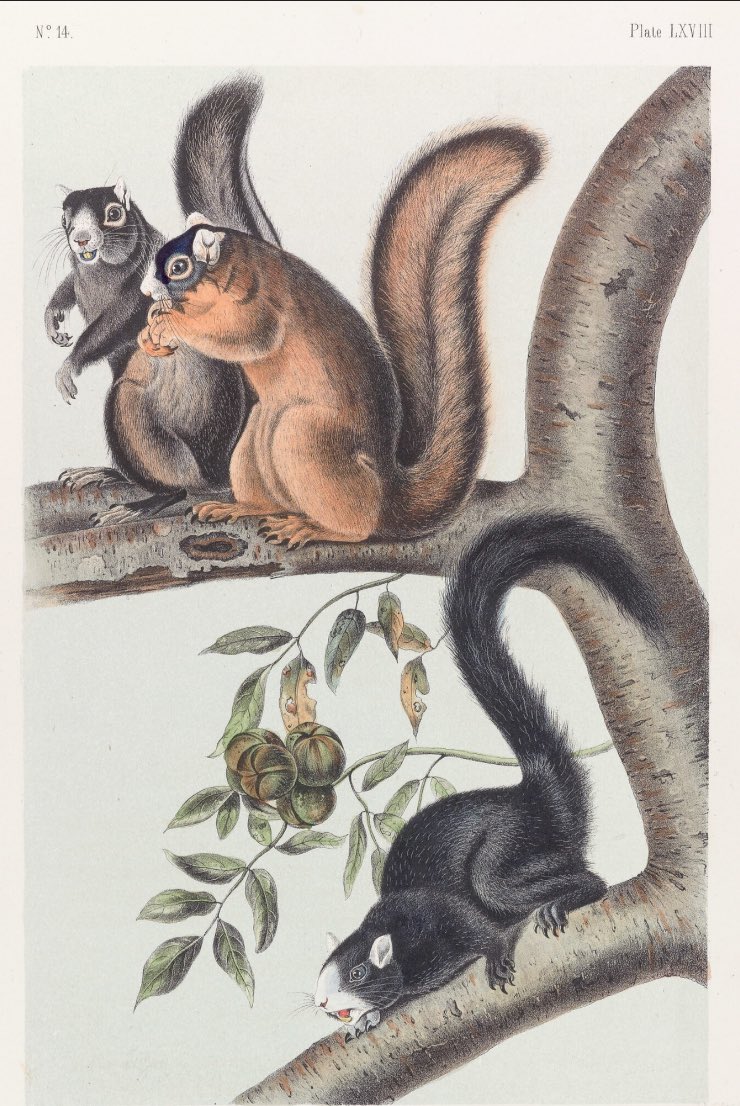
Fox squirrels and gray squirrels hoard big caches of buckeyes (>1000) because of instinct, not because they like eating them. In desperate years, squirrels that are short on acorns might settle for the non toxic sprout inside of the hard seed. More than half of the squirrel cached buckeyes are forgotten and left buried allowing them to become seedlings. Squirrels accidentally farm buckeyes by moving them away from parent trees and depositing them at the perfect soil depth where they’re able to grow. Squirrels plant hundreds of trees this way.
In honor of The Game, here’s some neat stuff about buckeye ecology. The buckeye is an interesting tree in the forests of the Midwest because it has what are called “mast years” where trees produce 10-100 times the usual amount of mast (nuts or fruit). But in the case of the buckeye, all parts of the tree (nut, bark, leaves) are poisonous to mammals. The poison reduces the pressure faced by similar trees like maples and oaks.
Fox squirrels and gray squirrels hoard big caches of buckeyes (>1000) because of instinct, not because they like eating them. In desperate years, squirrels that are short on acorns might settle for the non toxic sprout inside of the hard seed. More than half of the squirrel cached buckeyes are forgotten and left buried allowing them to become seedlings. Squirrels accidentally farm buckeyes by moving them away from parent trees and depositing them at the perfect soil depth where they’re able to grow. Squirrels plant hundreds of trees this way.