Engineering breakdown, best estimate I could come up with based on public information (and my background in nuclear engineering :-)
• Case/frame: 8–12 lb
• Secure comms gear: 8–14 lb
• Batteries/power: 4–8 lb
• Strike-option docs/binders: 6–10 lb
• Auth/procedure docs: 1–3 lb
• Continuity/emergency plans: 3–8 lb
Total about 45 pounds
I was a senior at CU in engineering and worked as an Intern for a firm working on the airport. It was so badly managed Instead of using the universal coordinate system they set up their own and all the plans had to be converted. At one point a bridge was about 40% complete and it was determined it was 25 feet in the wrong place
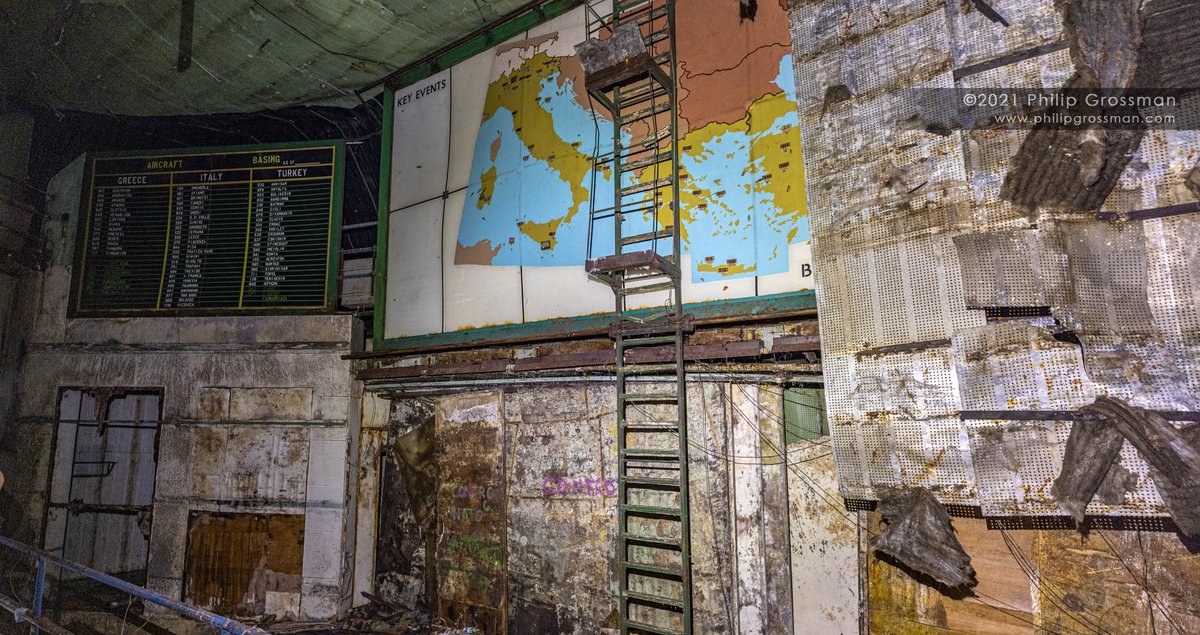
Deep inside the Base NATO Proto Underground Command Center near the Province of Caserta. This is located deep beneath Mount Massico. Built between 1955-58. Officially closed in 1996 @RED_Cinema@BLUESHAPEglobal @AcebeamBella
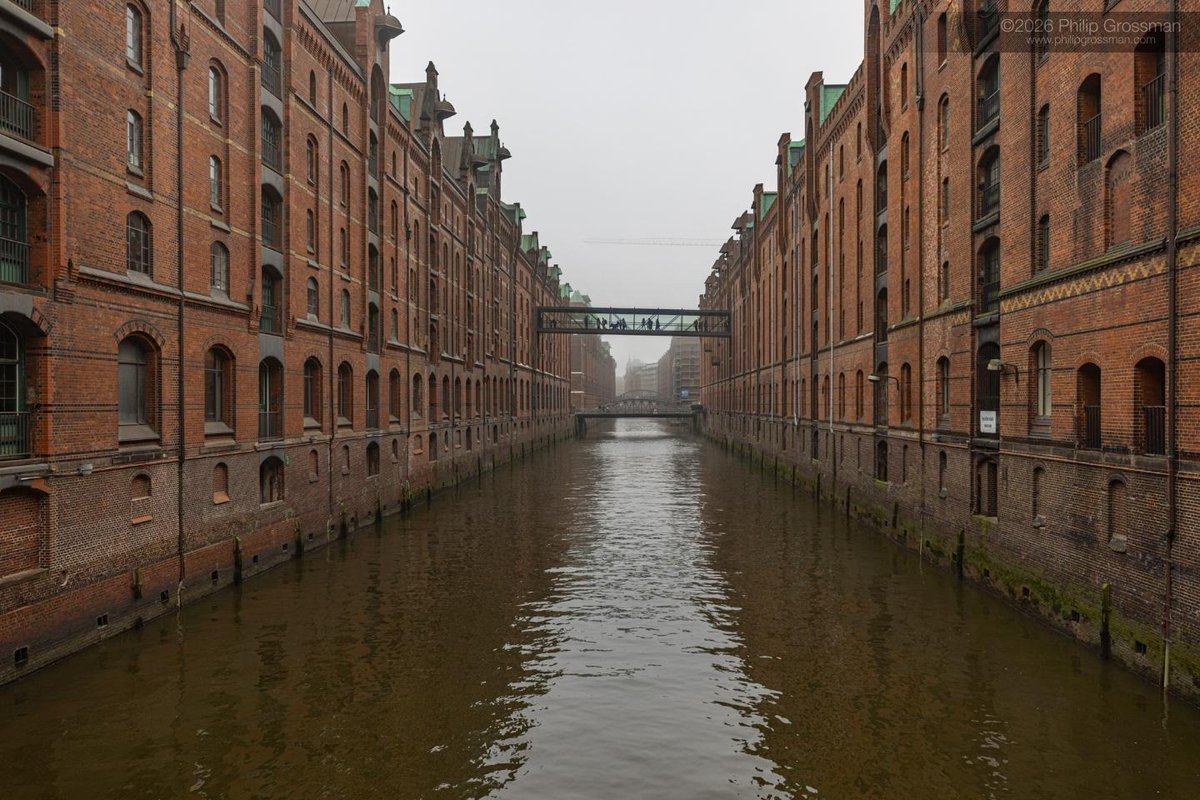
In December of 2024 between Christmas and New Year's, I went to Hamburg, Germany to visit friends from the States and also a few German friends.
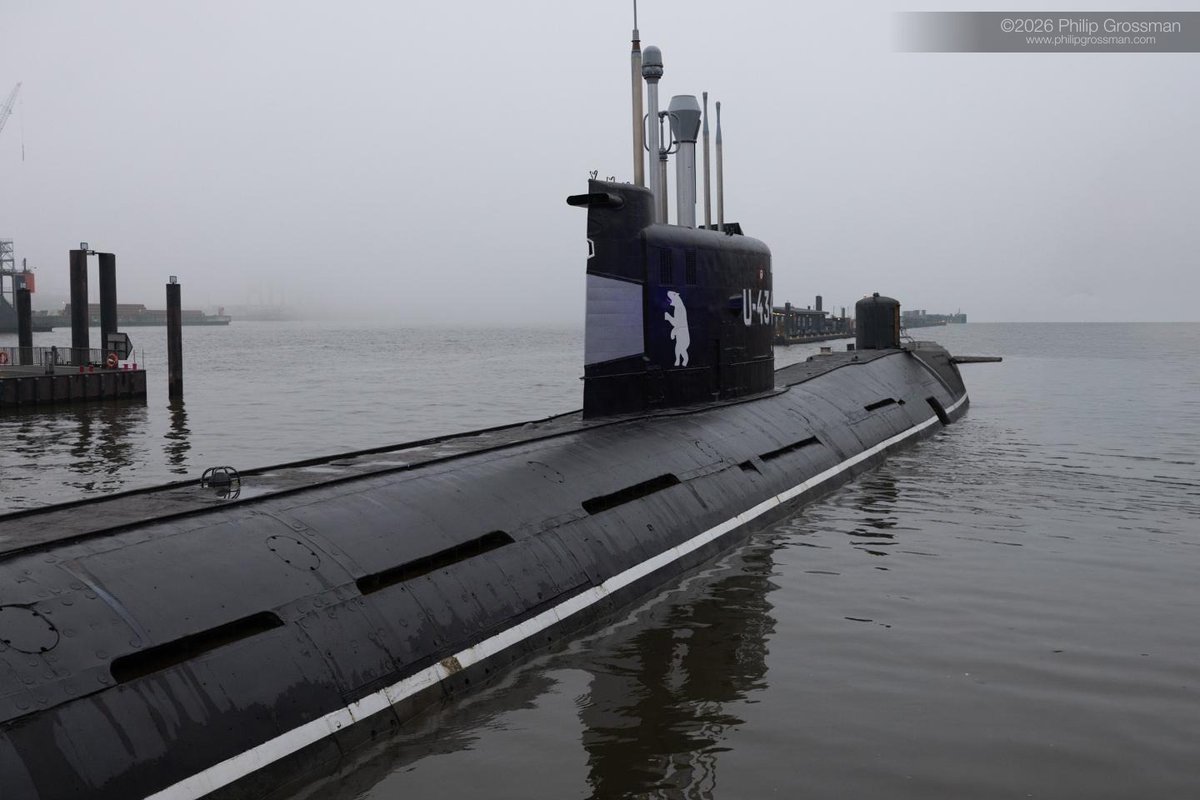
Dropping into the primary command center felt like entering a brass and steel pressure cooker. The main tactical station is completely dominated by analog readout panels and exposed high-voltage conduits. Soviet designers clearly didn't give a damn about knee space.
I found spread paper charts showing coastal depth measurements. Geometry over digital logic. My neck still hurts from clearing those low clearance hatches. #SovietEngineering #U434
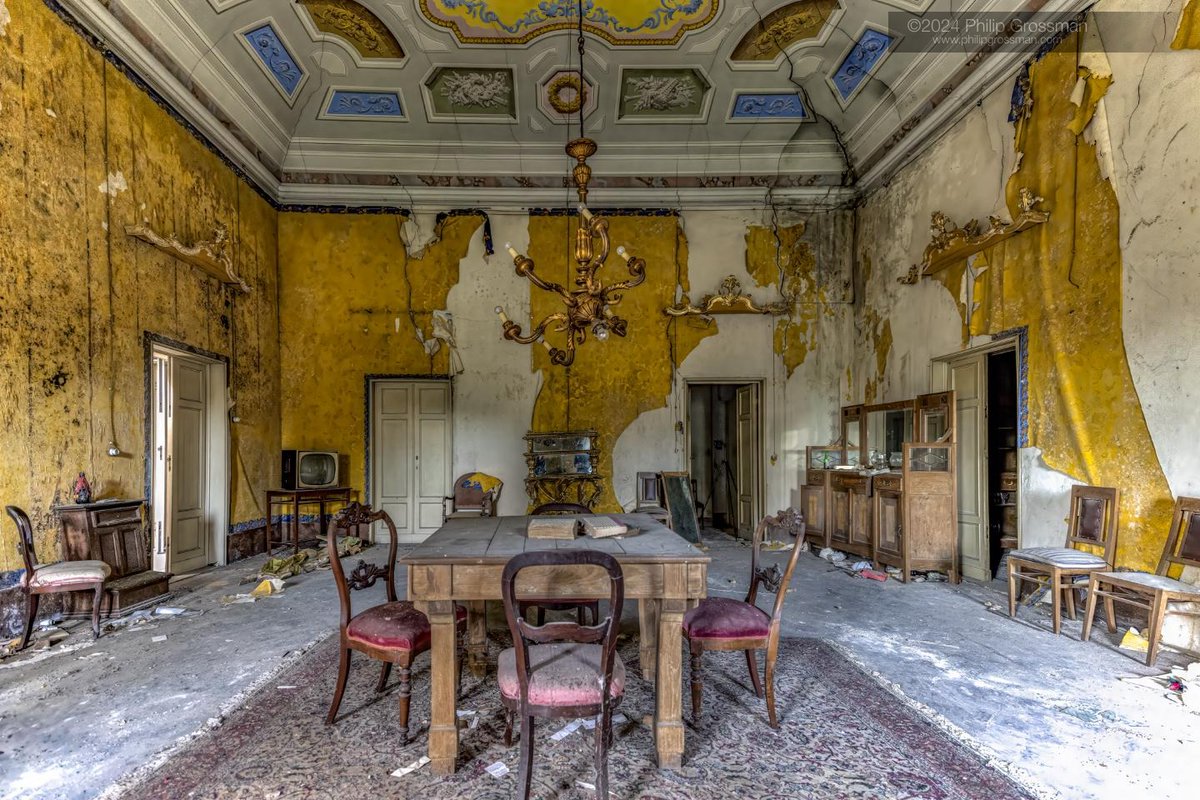
In the summer of 2024 I went to Italy to meet up with some new European urbex friends that I first met about a year before in Svalbard. It was great seeing them all, and I wanted to share some images of one of the locations we explored. We entered this 18th-century estate in Empoli at 5:00 AM.
The primary roof structure had already failed. Massive brick and tile accumulations on the main floor. I had to dodge 1958 Italian magazines scattered across the terracotta just to set up my tripod. The joists above were completely waterlogged. I didn't stay long under that hole.
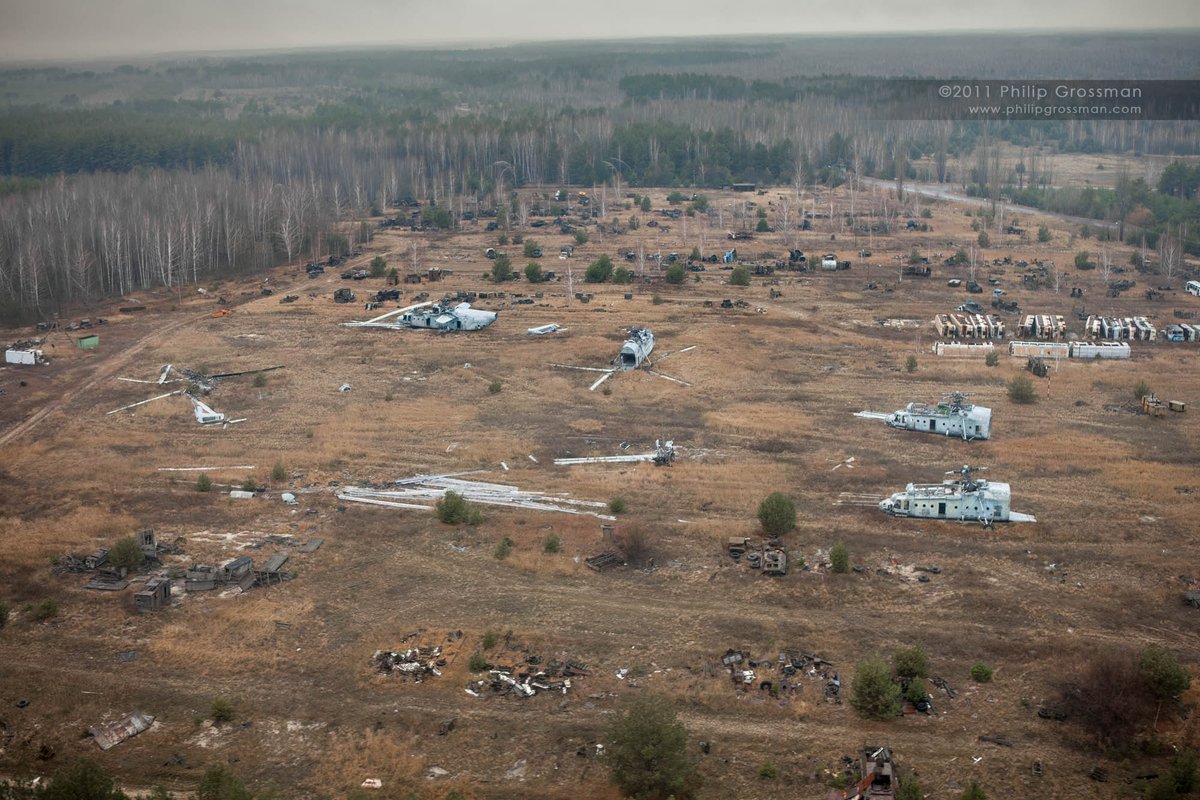
Rotary-Wing Operations & The Rassokha Graveyard in Chernobyl (for my aviation friends)
The destruction of Unit 4 required an immediate airborne logistical response. Soviet military aviation deployed Mi-6, Mi-8, and heavy-lift Mi-26 helicopters directly into the radioactive plume.
The primary objective was to smother the exposed, burning graphite core. Payloads consisted of boron carbide to absorb neutrons, lead for radiation shielding, and dolomite, sand, and clay to act as a heat sink and filter. Over 5,000 tonnes of material were dropped.
The airspace above the reactor was hostile. Pilots hovered at 200 meters, facing extreme thermal drafts that altered the aerodynamics of the helicopters. Ionizing radiation in the plume reached upward of 1,800 roentgens per hour. Crews flew blind without adequate dosimetry and improvised by placing lead sheets under their seats.
Beyond bombing the core, these assets were utilized for aerial dosimetry and spraying polymer liquids to suppress radioactive dust across the zone.
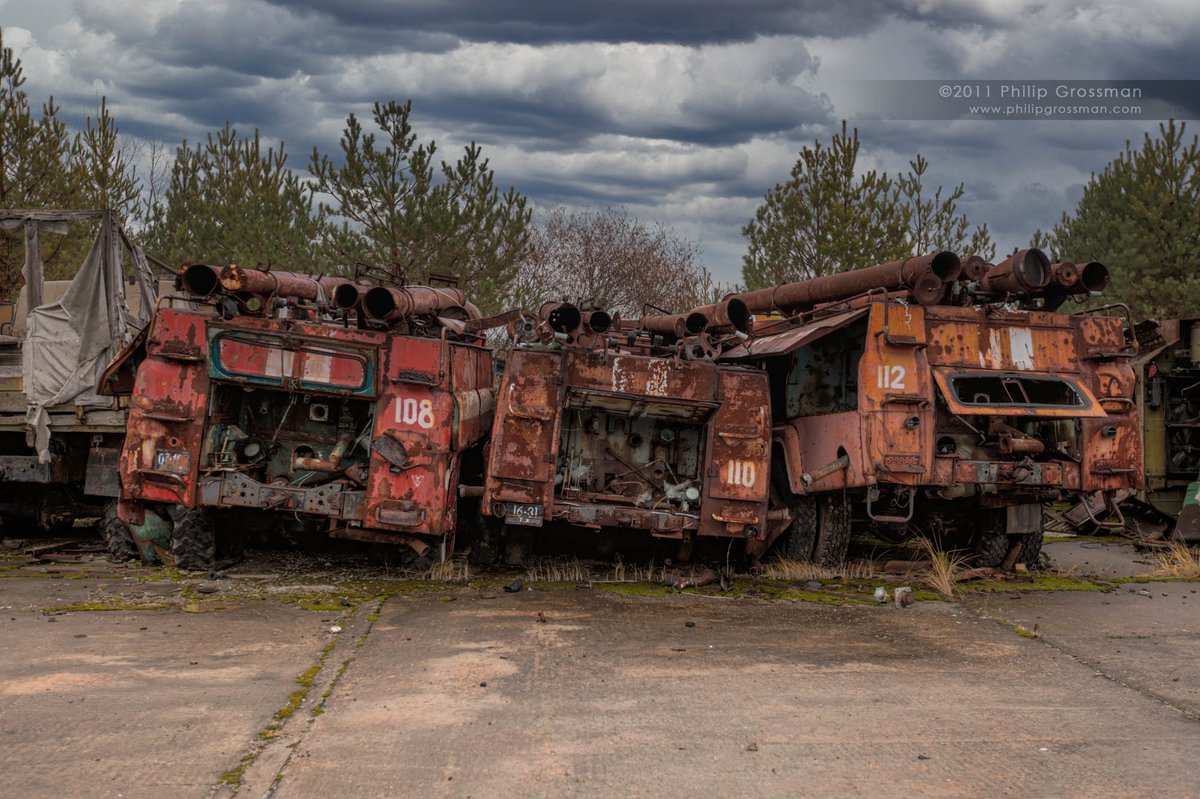
The airframes absorbed massive amounts of particulate contamination. Decontamination was impossible. The fleet was ultimately abandoned at the Rassokha vehicle graveyard.
I documented these highly contaminated airframes in 2011. By 2013, the entire inventory at Rassokha had been dismantled, scrapped, or buried.
#Chernobyl #AviationHistory #RotaryWing #Mi6 #Mi8 #NuclearEngineering #Rassokha #History #Engineering
The final perspective. In 2015, I captured this continuous drone flight traversing the entire city of Pripyat from the westernmost edge to the easternmost edge.
Beneath the canopy lies the footprint of an atomgrad designed for 50,000 residents. It was completely evacuated in a single afternoon. The urban grid is systematically dissolving into the forest. On the horizon, the V.I. Lenin Nuclear Power Plant remains the anchor of the Exclusion Zone. The ultimate cost of a systemic engineering failure is the permanent erasure of a city.
#Chernobyl40 #Pripyat #NuclearEngineering #DronePhotography #History #EngineeringFailure #Documentary
Documenting the aftermath of the April 26, 1986 disaster requires strict logistical protocols. Over the past decade, I have spent 180+ days inside the 30-kilometer Exclusion Zone, building the definitive visual archive of the largest engineering failure in history.
The methodology is dictated by the radiological reality. Working in structurally compromised areas and highly contaminated zones, such as the MSCh-126 hospital basement, requires constant dosimetry and precise exposure management.
The objective is architectural forensics. From operating cinema rigs in the shadow of the degrading Sarcophagus, to tracing the original schematics left in abandoned control rooms, to physically walking the RBMK reactor block lids.
The facility is decaying. The primary accounts are fading. Capturing this data before the site collapses is essential for the historical and engineering record.
#Chernobyl #Chernobyl40 #NuclearEngineering #DocumentaryCinematography #History #Pripyat #EngineeringFailure #Radiation
Following the disaster, the objective was stabilization. Engineers and liquidators had seven months to build a containment structure over the highly radioactive ruins of Reactor 4. The original Object Shelter—the "Sarcophagus"—was an engineering patch built under extreme duress.
The structural reality was grim. 400,000 cubic meters of concrete and 7,300 tonnes of metal were pieced together using remote-controlled cranes in lethal radiation fields. It was never designed for permanence. By the 2000s, the structure showed significant degradation. Leaks and structural instability necessitated a modern solution.
Today, the New Safe Confinement (NSC) arch encases the ruins. It is the largest movable land-based structure in history—a 36,000-tonne arch designed for a 100-year lifespan. Inside the NSC, the juxtaposition is absolute: pristine modern steel shielding the decaying 1986 concrete.
This arch allows for the eventual, robotically-controlled dismantling of the original Sarcophagus and the unstable reactor remains beneath it. Engineering has moved from emergency management to long-term environmental containment.
#Chernobyl #NuclearEngineering #Sarcophagus #NewSafeConfinement #History #EngineeringFailure #Infrastructure
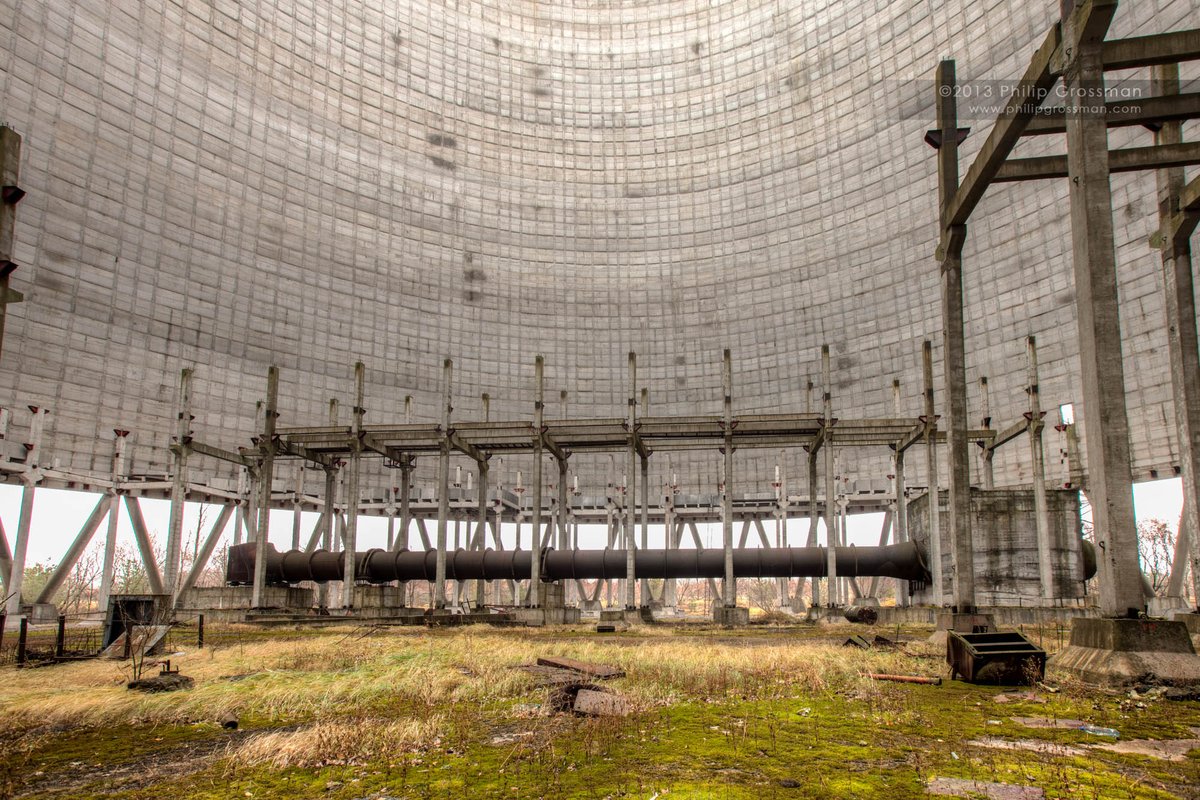
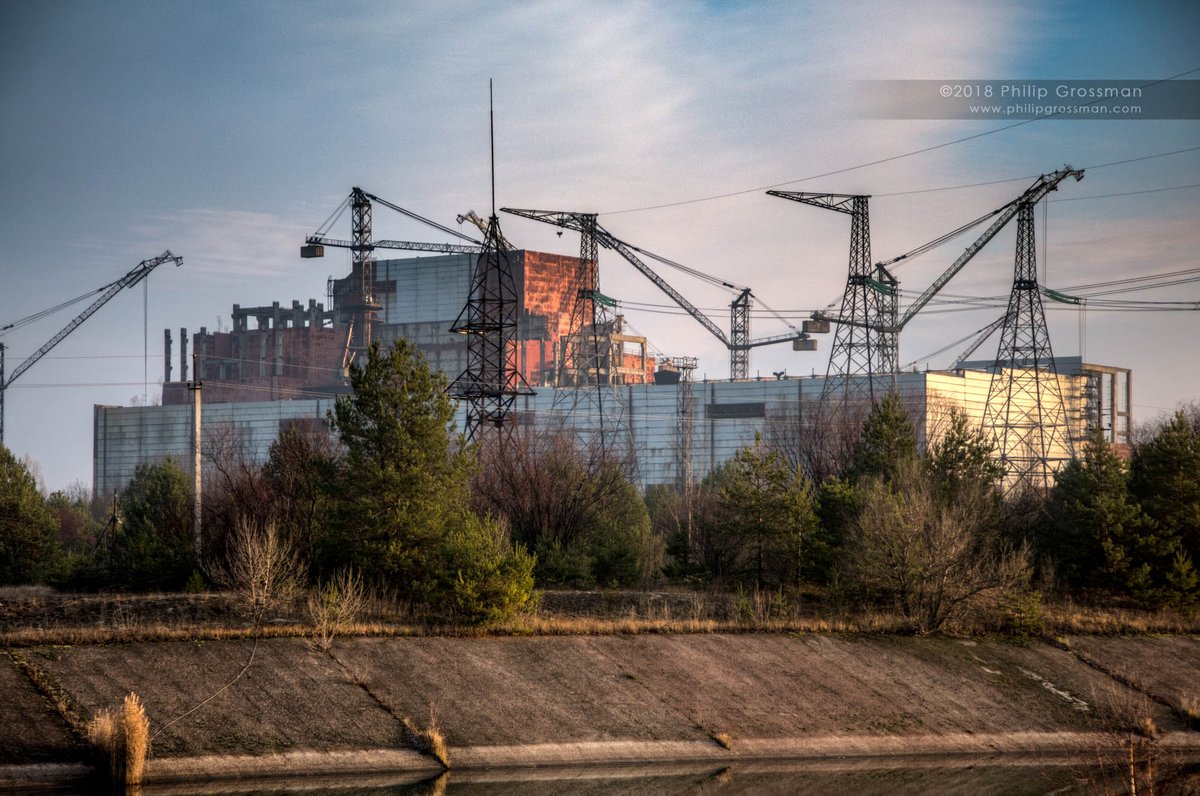
Understanding the magnitude of the Chernobyl disaster requires viewing the infrastructure that was abandoned. This drone footage captures Phase III of the V.I. Lenin Nuclear Power Plant, consisting of Reactors 5 and 6. The heavy cranes above Reactor 5 remain exactly where they were positioned on April 26, 1986. The adjacent cooling towers were abandoned mid-construction.
The logistical reality of this engineering failure meant that the adjacent city of Pripyat was emptied of 50,000 residents in a single afternoon using a fleet of 1,200 buses. The site transitioned immediately from a massive power generation expansion to a static exclusion zone.
#Chernobyl #NuclearEngineering #Infrastructure #EngineeringFailure #DronePhotography #IndustrialDesign
The disaster at Unit 4 permanently halted a massive infrastructure expansion. Phase III of the V.I. Lenin Nuclear Power Plant consisted of Reactors 5 and 6.
The heavy cranes above Reactor 5 remain exactly where they were positioned on April 26, 1986.
Adjacent to this expansion, the city of Pripyat was emptied of 50,000 residents in a single afternoon using a fleet of 1,200 buses. The site transitioned from a base-load power engine to a static exclusion zone.
#Chernobyl #NuclearEngineering #Pripyat #RBMK1000 #History #Infrastructure
The aftermath. First responders arrived with standard gear and zero shielding from ionizing radiation.
Triage was conducted at Pripyat Hospital (MSCh-126). The facility was contaminated immediately.
The hospital basement remains lethal. I conducted a radiological survey of the discarded gear; a single boot still emits 124 mRem/h.
The first responders were blind. Their dosimeters were insufficient for the magnitude of the core failure.
#Chernobyl #History #Engineering #Pripyat #NuclearFailure
Obrazhej Savva Gavrilovich and his wife Elena are "samosely," self-settlers in the Chernobyl zone. Evacuated to Borodyanka, they returned to their home after just two weeks. Observing beavers and swans returning to the river, they concluded humans could survive the radiological environment too.
Despite looting and government pressure, they refused to leave. Savva told authorities, "I want to die here". Primary accounts are essential to the historical record. Watch the rare interview today. #Chernobyl40 #Samosely #Documentary #History