Openly consented cells and biomedical data deserve an open platform to organize them and make them useful. That's why PGP co-evolves with #Arvados. And Arvados co-evolves with PGP. #OpenScience#FOSS#FreeKnowledge
We want everyone to understand their genome using systems they can own and control. Come help build end-to-end-open preclinical AI with PGP and the @arvados community.
End-to-end-open preclinical AI enabled by: @Hi_MINISFORUM (V3 / HX99G / MINISFORUM 795S7), @AMD CPUs and @amdradeon GPUs, @llamafile, @ggerganov's llama.cpp and @aadityaura's OpenBioLLM. Eager to work with other volunteers and benchmark @nvidia + other hardware / software.
End-to-end-open biomedical AI has enormous potential for GOOD on hardware you own and control!❤️
For benefit of ALL -- should build on Free and Open Source Software and Free Knowledge ideals and make it easy to implement #AIBillOfRights for preclinical AI and #PrecisionHealth.
With genomes, health data and cells from openly consented and diverse participants, we are building a global resource so that everyone can access precision medicine.
https://t.co/DhOSViKXw1
Want to help build or learn about software infrastructure that will scale PGP to a million participants?
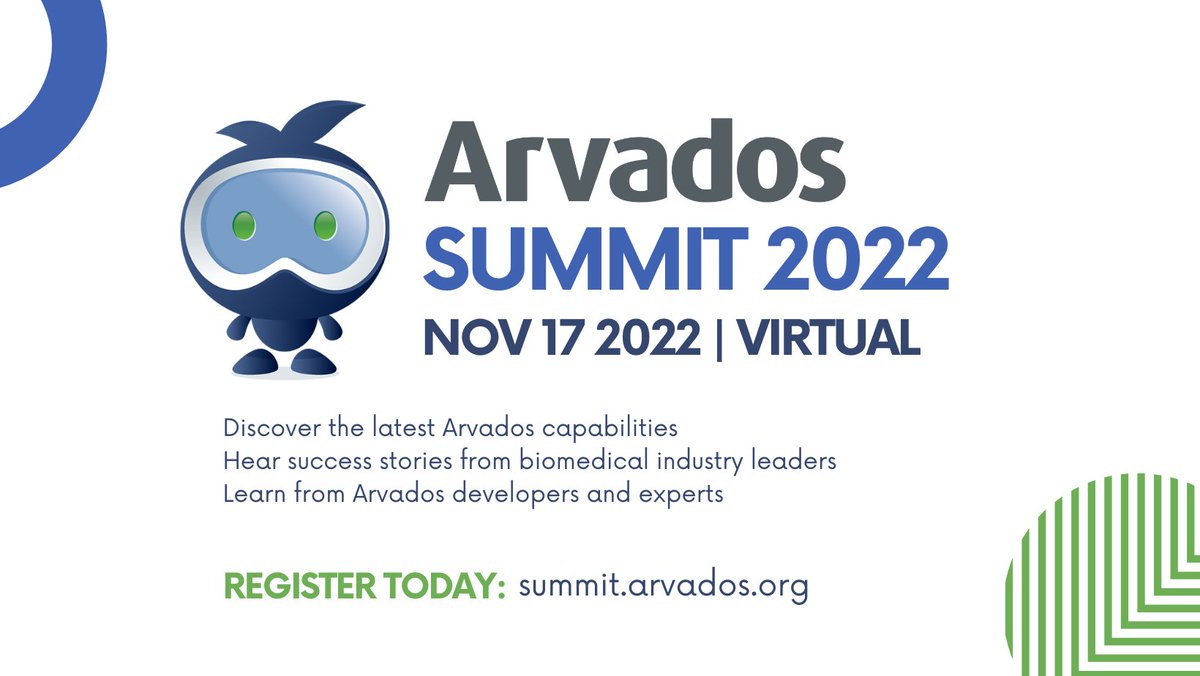
On November 17th, 2022 join biomedical industry leaders at https://t.co/96ZfJps9tP!
Openly consented cells and biomedical data deserve an open platform to organize them and make them useful.
That's why PGP co-evolves with #Arvados. And Arvados co-evolves with PGP.
#OpenScience#FOSS#FreeKnowledge
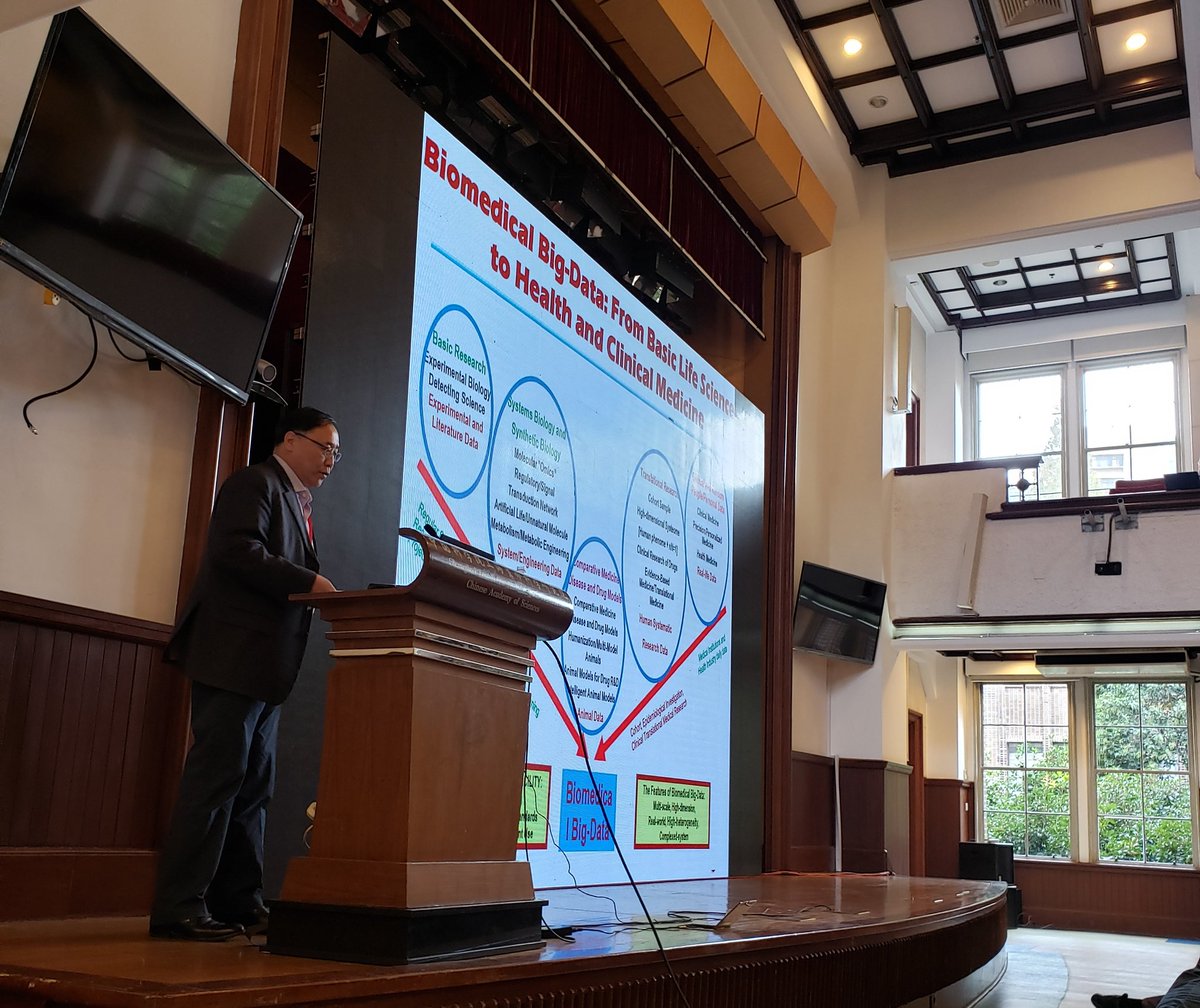
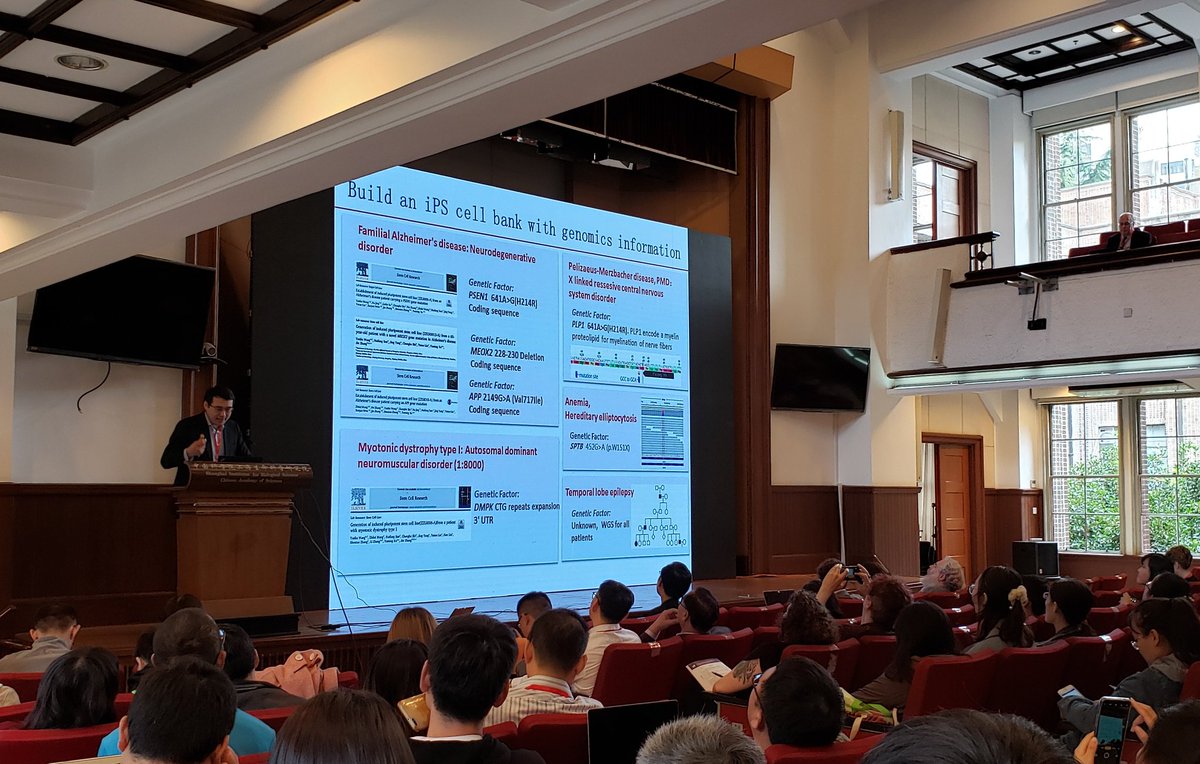
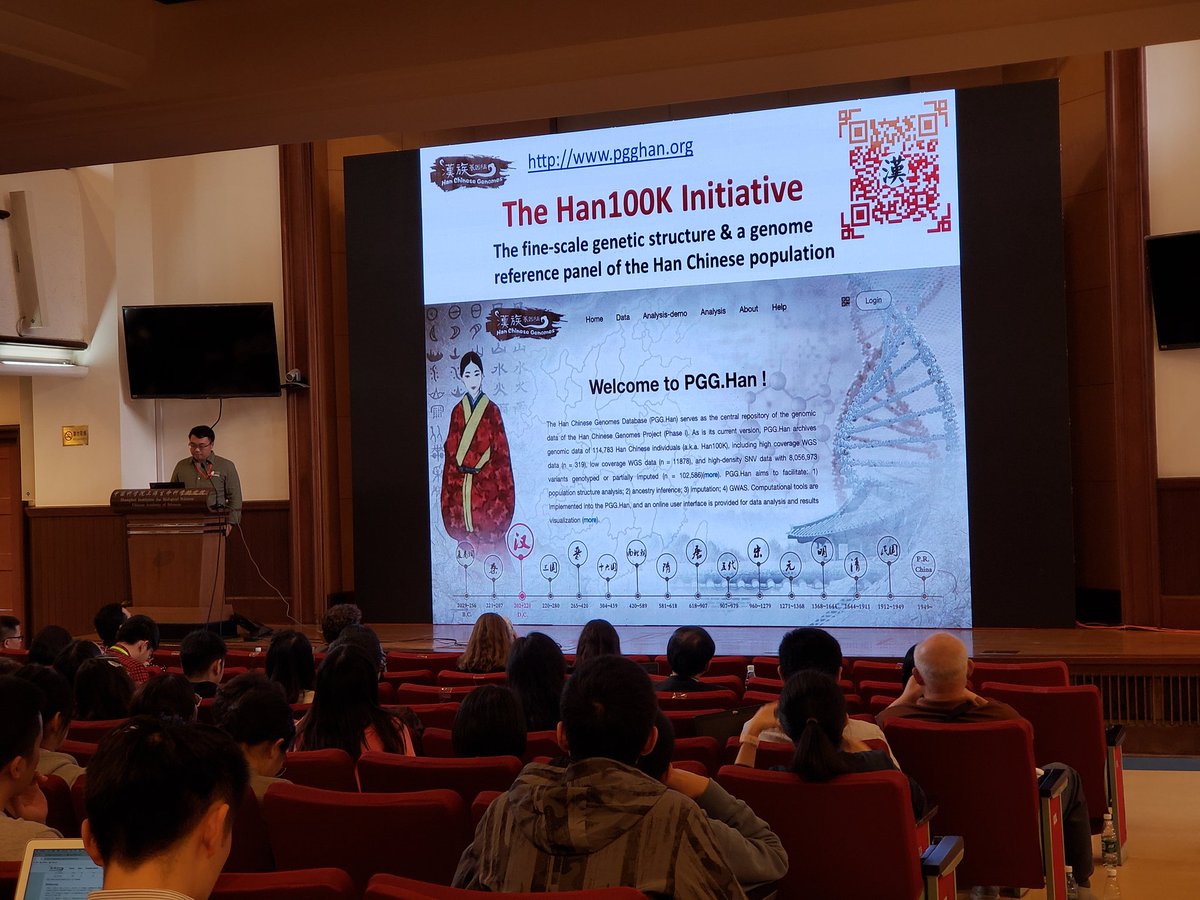
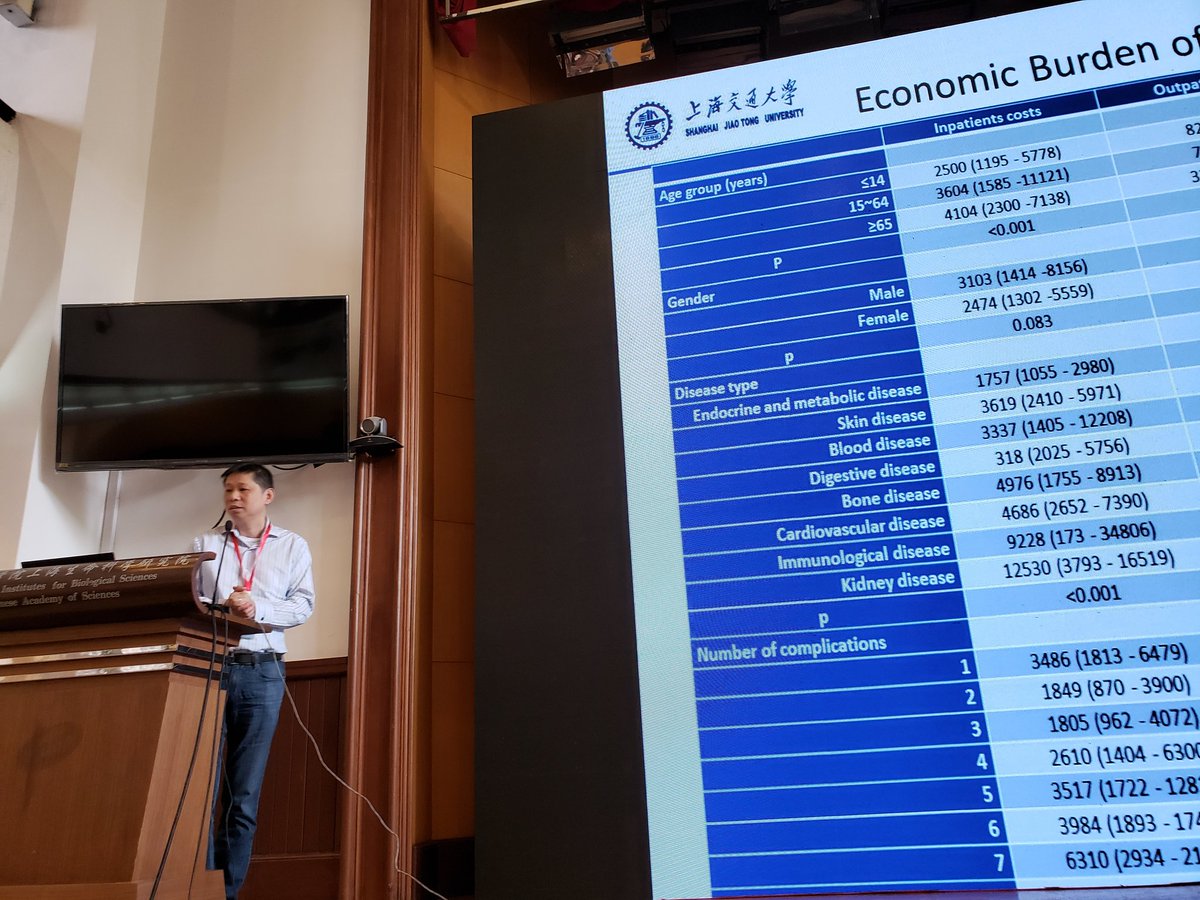
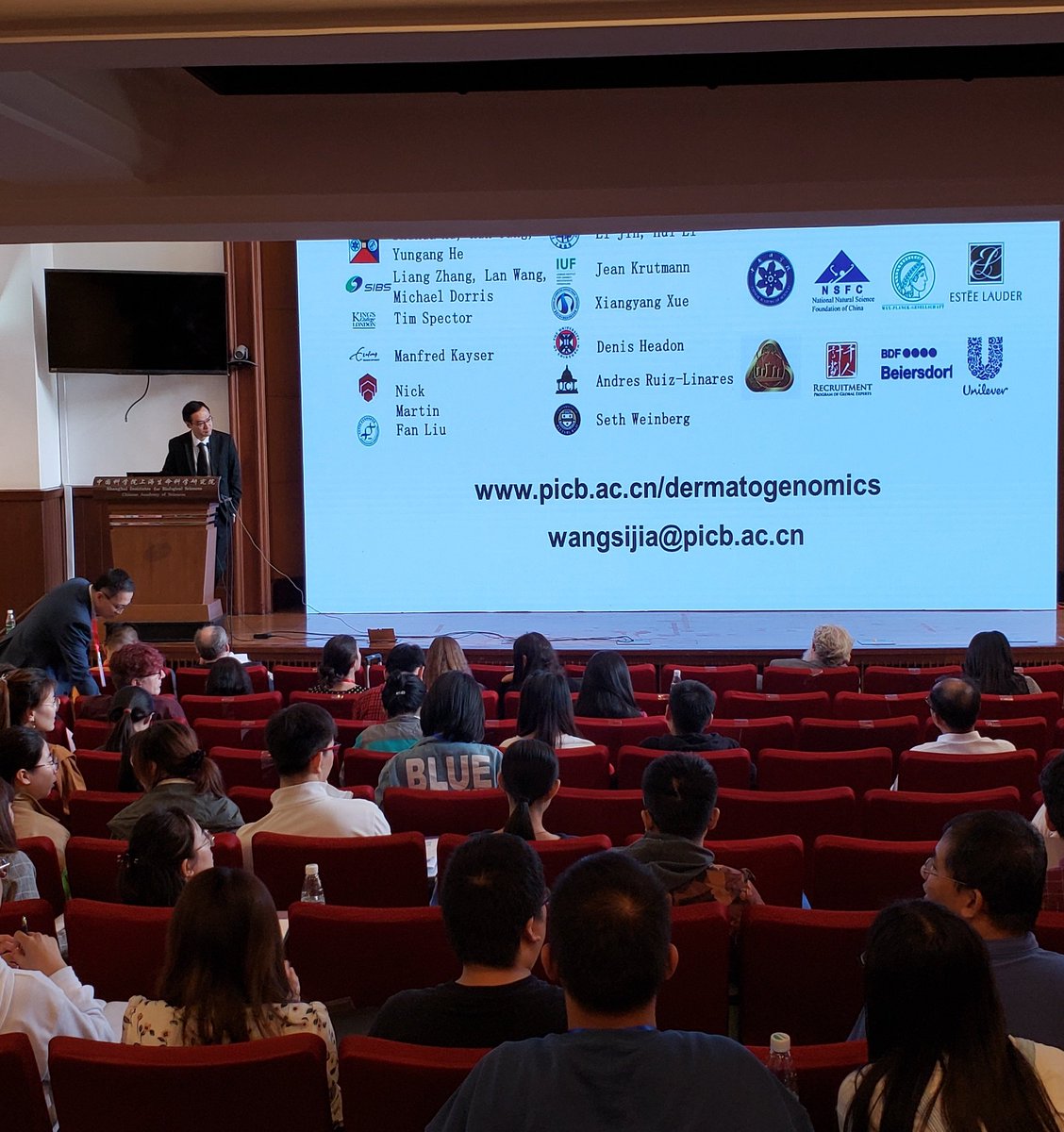
Session 4: Int'l Projects and Cooperation. There are several global PGPs, with more surely to come. An international federated network of projects is needed if the field of genomics is to represent and leverage all human diversity! https://t.co/oVLzaObK3t
#genomics#China#pgic
Session 3: Science with Biobanking and Databanking. Creating large scale systems and facilities for *sharing* data and biological materials is a key to cooperation, mutual benefit, and faster progress. https://t.co/oVLzaNU9bV
#genomics#China#pgic
Session 2: Standardization and measurement of phenotypes. Phenotypes have been a missing link in genomics! Speakers are addressing extensive and highly detailed phenotyping, and genome-phenome and phenome-phenome correlation, clinically in some cases. #genomics#China#pgic
Gang Chen, co-founder and CEO at WeGene, "Personal Genomics in China and Its Role in GWAS Discovery and Replication."
https://t.co/oVLzaNU9bV #genomics#China#pgic
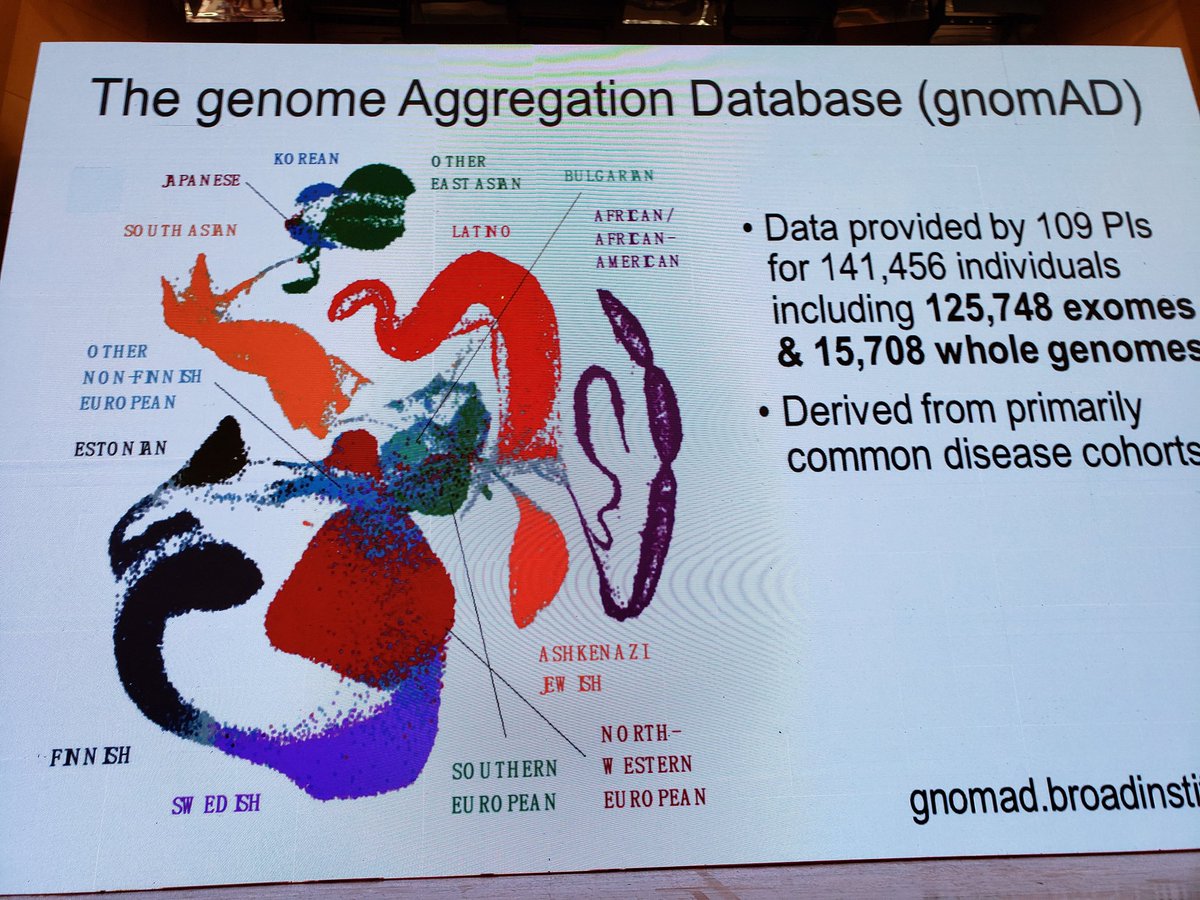
Konrad Karczewski, computational biologist at the Broad Institute, Neale group, presenting "Lessons from large genomic datasets." Picture right: science imitating art? #genomics#China#pgic
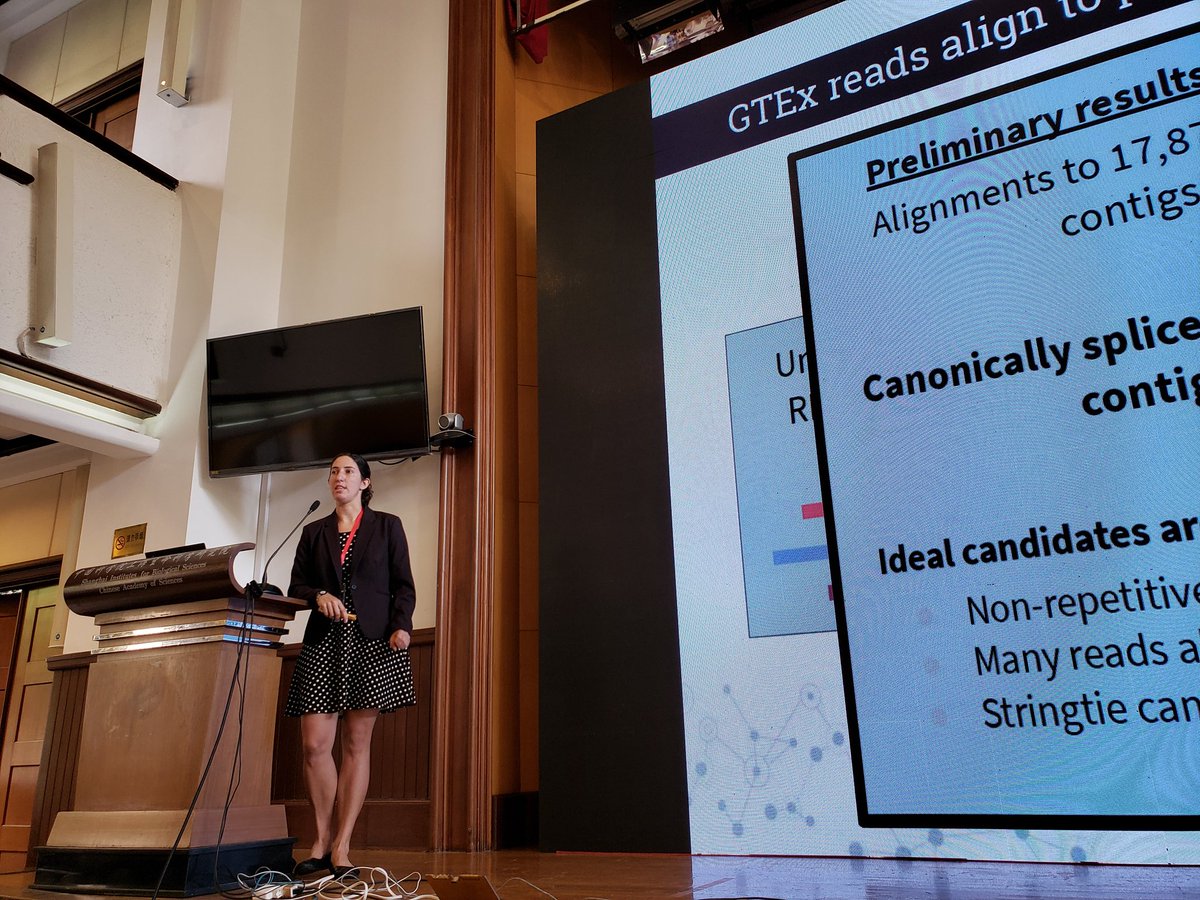
Rachel Sherman from John's Hopkins, Salzberg Lab, first author on ground-breaking paper, talk title "Discovering non-reference sequences in a pan-genome of 910 African ancestry individuals." #genomics#China
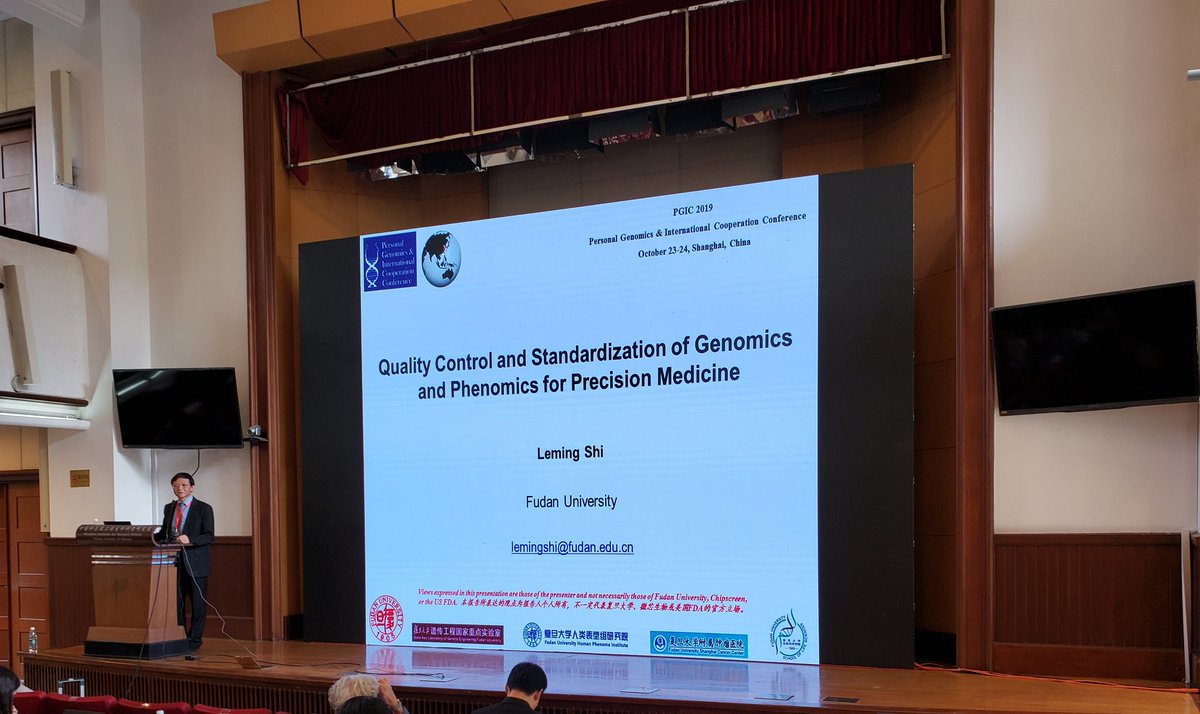
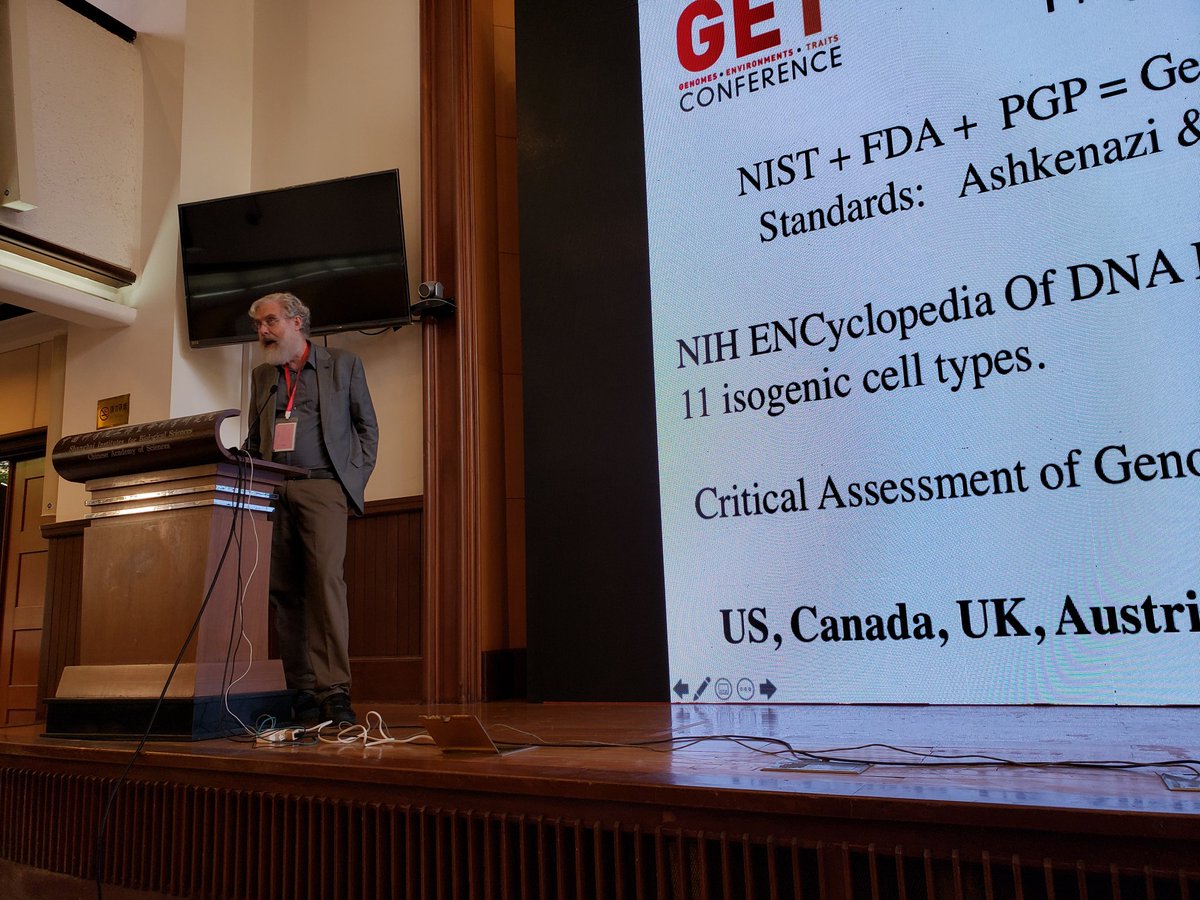
PGIC Conference in Shanghai, China! Here, George Church kicking off with a keynote "Technologies for diverse & open genomes + phenomes." https://t.co/oVLzaNU9bV
#genomics#China
@ZackArgyle I would nominate @wardvandewege and Tom Clegg who tirelessly maintain the FOSS infrastructure at the Personal Genome Project as unpaid volunteers. Bios are years out of date.
https://t.co/40zVUNaorK
@Luke_Miner Thanks for your great piece in the @nytimes. We agree that increasing responsible data sharing will provide tremendous public health benefits.
Thanks to all who participated in person and remotely in the 10th @GenomeInABottle workshop. We will distribute a workshop report and slides, and are excited to work with you on authoritative characterization of benchmark human genomes until our next workshop April 1-2, 2020