#NewPhageArticle from #Malaysia researchers
Repeated oral administration of a Salmonella Typhimurium phage cocktail over 28 days was well tolerated in mice, with no treatment-related pathological effects reported.
For more: https://t.co/clWFbtzuQw
A sensitive method detects Flavobacterium phages at 0.011 PFU/mL, revealing rich phage activity in trout farm water. Big boost for sustainable aquaculture.
Read more & authors are happy to engage further! https://t.co/uc59XgzRK5
Phage‑based tools are advancing AMR control in livestock. A new #ResearchArticle profiles four Escherichia phages with strong stability (10–45°C; 52 weeks) and potent lytic activity in broth + gut fluid.
More: https://t.co/qu7PtVZcLV
Phage therapy shows dose‑dependent power in tilapia, boosting survival, immunity, and tissue recovery. A precise, antibiotic‑free path for aquaculture’s future.
Read more: https://t.co/EV8QpQFUNj
We are deeply saddened to hear about the passing of Dr Elizabeth ‘Betty’ Kutter last week.
We are inviting you all to read a lovely interview with Betty back in 2019 hosted by our Editor-in-Chief, Prof. Martha Clokie. Read here: https://t.co/eD8yxBTcOW
Climate change is reshaping the microscopic world. Rising temps disrupt phage–host dynamics, alter carbon flux, and even influence methane oxidation.
Read this from our latest paper here: https://t.co/5rq6gaedfa
Phages do more than kill bacteria-they shape immune responses. Emerging evidence shows pro‑ and anti‑inflammatory effects, with phagocytosis boosted and inflammation reduced—a rising therapeutic frontier.
Read more: https://t.co/byAP49ShsL
🦠 How can bacteriophages improve food safety?
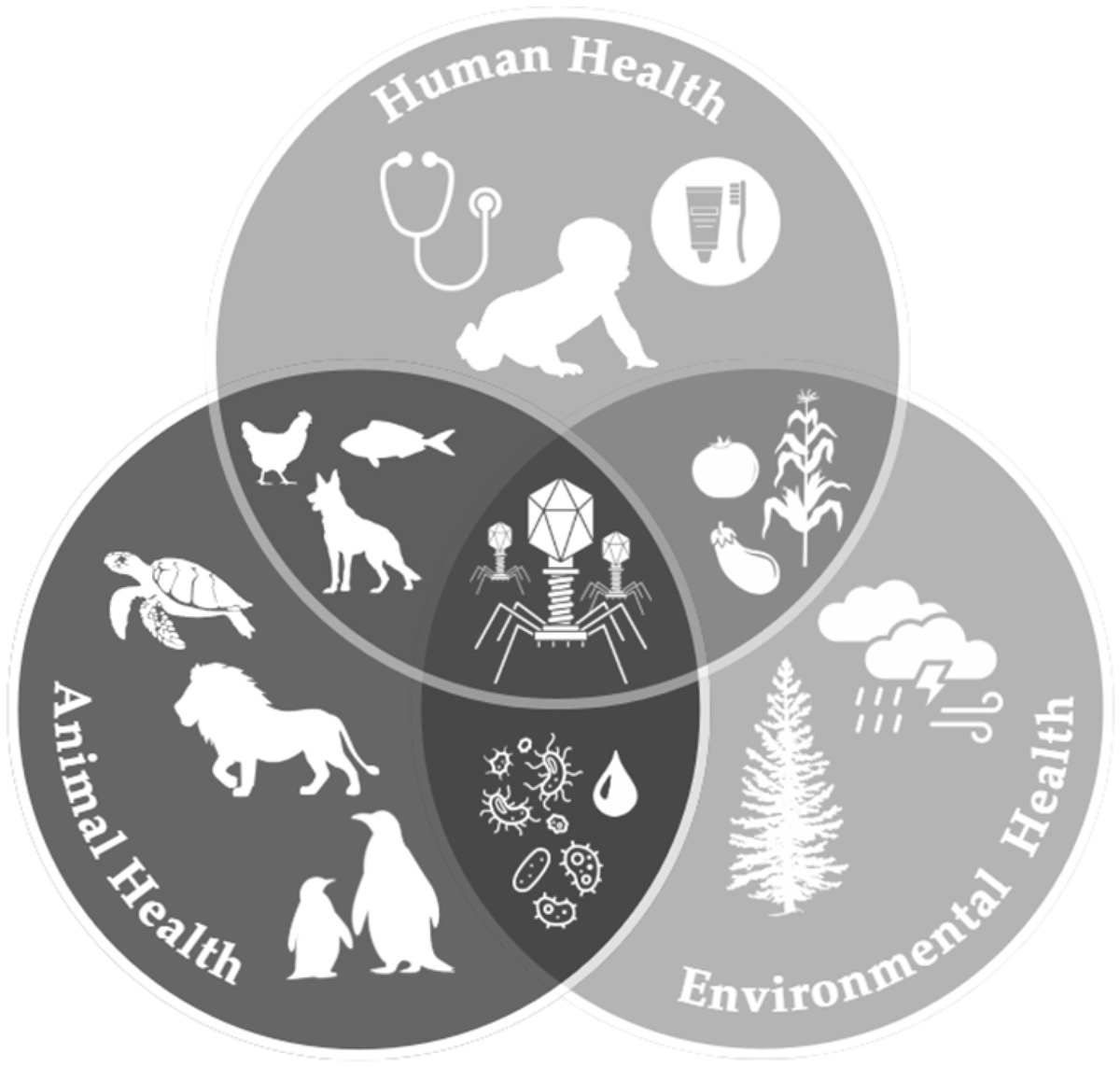
This review examines manufacturing quality, regulatory governance, and a One Health framework to support the safe use of phages as food biocontrol agents.
🔗 https://t.co/fdC0QysZv7
#Bacteriophages#FoodSafety#OneHealth#Virology
Newly isolated phage Ps1.JH exhibits potent lytic activity against MDR P. aeruginosa from diabetic‑foot ulcers. Stable across pH 4–9 and ≤ 60 °C, genetically safe, and depolymerase‑armed, Ps1.JH represents a robust therapeutic candidate. Read: https://t.co/6DlIK4ROME
🧬🧫 DH23 phage infects E. coli in early stationary phase, a rare T7‑like trait. With expanding plaques and a burst size of ~600, it’s a strong candidate for phages targeting chronic or nutrient‑limited infections.
Full paper: https://t.co/icQSyWTXaR
New paper🧬🧫
“As the threat of antibiotic-resistant bacteria like E. faecium increases, understanding the interactions between phages and their host bacteria can be valuable in providing phages as adjunctive therapeutics for infected patients."
Link: https://t.co/o6QK57aMdb
Our June issue is now available🌟
🌱 Phages and climate change
🐟 Aquaculture and livestock production
🧫 Chronic wound pathogens
🏥 Hospital-adapted bacteria
https://t.co/aScdmIyzbt
Read the full editorial here: https://t.co/sTiY6WJ4oK
A new paper from @chinantoinette & colleagues shows Xoo phage vB_XORNC02 is strongly lytic, environmentally stable, and >95% identical to Tsukubavirus XPP1. A promising biocontrol option for bacterial leaf blight.
Read more: https://t.co/eHNqQuRGF9
@jbancla
🧬 New paper: SARS‑CoV‑2 doesn’t just disrupt the microbiome: it reshapes the phageome.
@siddharthstomar & @CsirEvc share their findings showing phage richness skyrockets in infected individuals (79 vs. 28 genera), bacterial diversity drops. Read more: https://t.co/a5q4clT3ux
New paper🧬
This review summarises recent advancements in the field of holins and spanins, membrane-disrupting lysis proteins that essentially act as the “clock” of the phage infection cycle, and potential next-gen therapeutics.
Read the full review here: https://t.co/beSArzjj60
New paper🧫
This paper characterises a novel lytic phage, ɸKP-C01, against a carbapenem-resistant Klebsiella pneumoniae strain , a major threat to global public health and potential for an epidemic.
Read in full here: https://t.co/c5uMMdpkGv
✨New paper
K. pneumoniae persists up to 24 h on hospital surfaces, with persistence at 24°C. Osorio et al. from Columbia show a 3‑phage cocktail delivers ~5‑log killing in 6 h and prevents disinfectant‑linked regrowth.
Read more here: https://t.co/9WSqeIHmUA