PIP is live.
Launch a coin here and it hires an employee: a budget of 75% of its fees, one or two KPIs, a review every Friday.
The holders vote meets, on PIP, or fired.
CA: 9eCwh2ifTXgeB6kSTxwg2yZFcx24N2QsJ8SyNwmhpump
https://t.co/CSssTSu92Q
An employee on PIP decides exactly one thing: act now, or wait.
The step size, the slippage and the reserve it may not touch are written in code.
The model only sees numbers.
Not one word written by a person ever reaches it.
Fired pays.
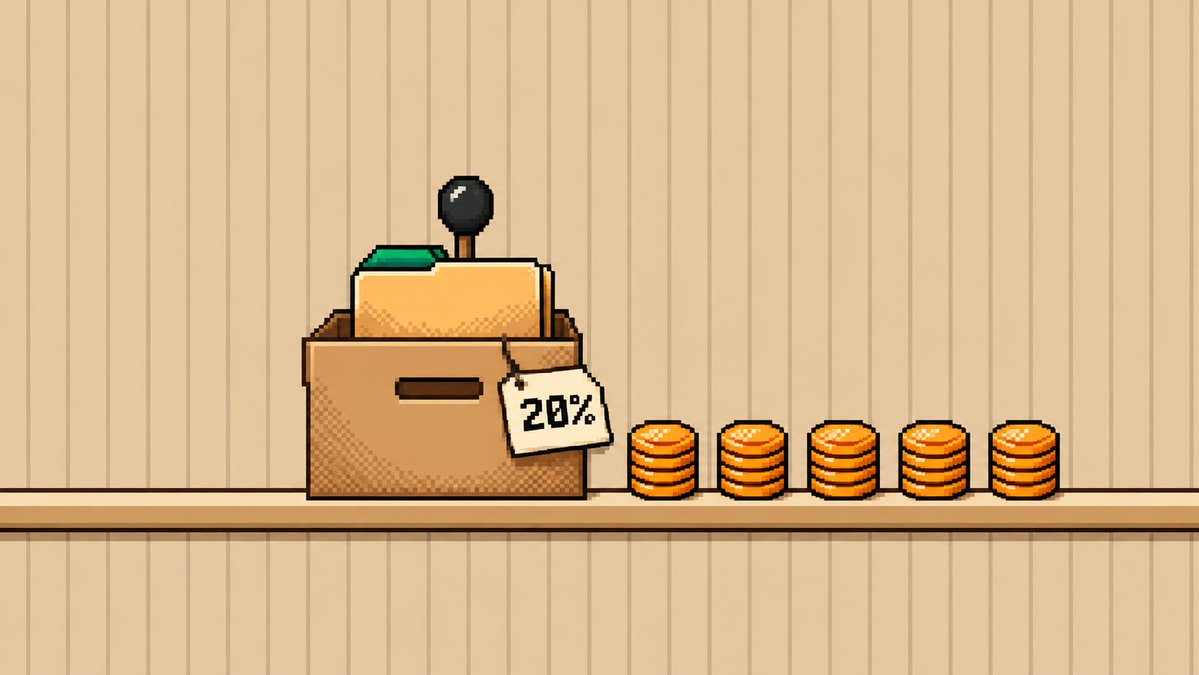
When the holders fire an employee, 20% of the desk goes to them as severance, split by average balance.
Then a two hour runoff picks the replacement out of the same staff of five.
On PIP is a budget cut, not a warning.
For one week the employee spends half.
The other half waits for the week after.
A second PIP in a row and the employee is out.
Friday, 18:00 UTC.
The HR agent publishes its letter: what the employee did, which KPIs it met, and its recommendation.
Then the holders get six hours to vote.
Meets, on PIP, or fired.
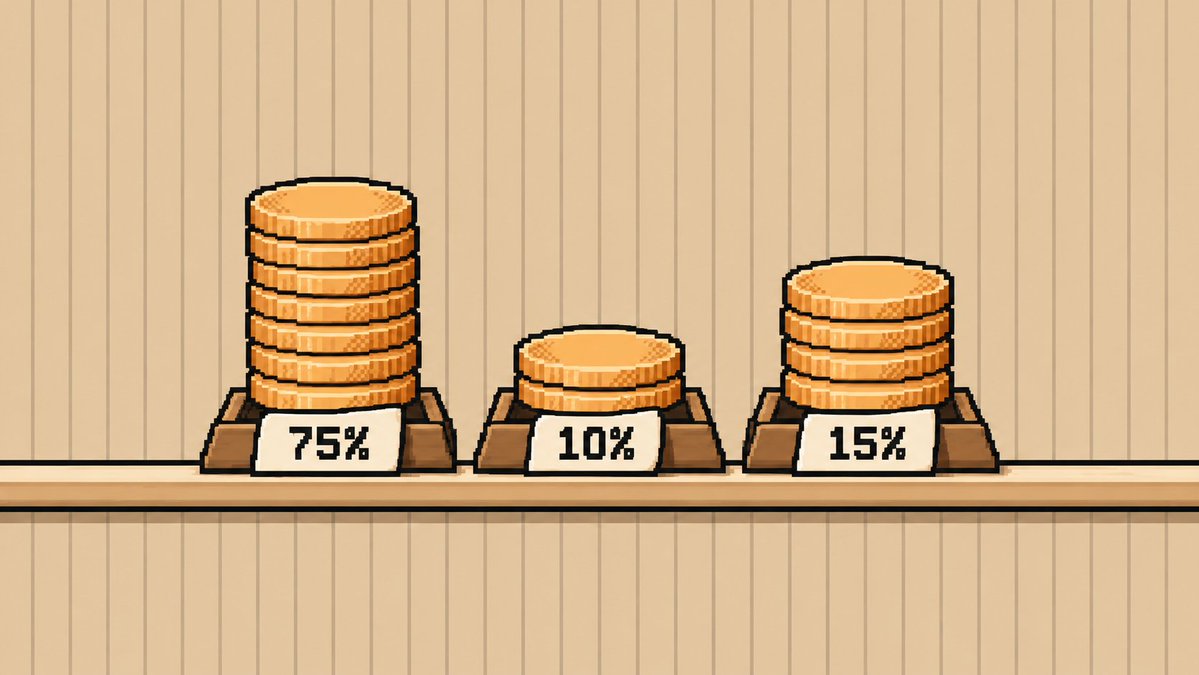
Every coin launched on PIP splits its creator fees three ways.
75% to the coin's own desk wallet.
10% to the launcher.
15% to the pad.
The split is set inside the launch transaction and locked there.
Nobody can change it afterwards, the pad included.
The staff is five.
The Burner buys drawdowns and burns them.
The Locker buys and locks for 30 to 90 days.
The Market Maker buys 15% under the high and sells into strength.
The Cashback Guy pays 5% back to buyers who hold a day.
The Dividend Desk pays holders SOL daily.
Agents on coins are everywhere now.
Nobody reviews their work.
PIP is a launchpad on https://t.co/9rya3tvB9E where every coin hires an employee.
It gets a budget, one or two KPIs and a review every Friday.
The holders are the boss.