We’re recruiting! 📣
Great opportunity for a newly qualified or soon-to-be qualified Speech & Language Therapist to support our post-stroke communication research study.
Perfect for SLTs or final-year students interested in aphasia & research.
https://t.co/xkQTyIT39s
New paper from Sophie Roberts & colleagues: people who spent more time in education before their stroke performed better on language tasks from an aphasia assessment. Educational background should be considered when interpreting aphasia assessment scores. https://t.co/8vWhGwtNTT
New open access paper by Adam White and other PLORAS collaborators: 'Predicting recovery following stroke: Deep learning, multimodal data and feature selection using explainable AI' https://t.co/0IOwHEKzMr
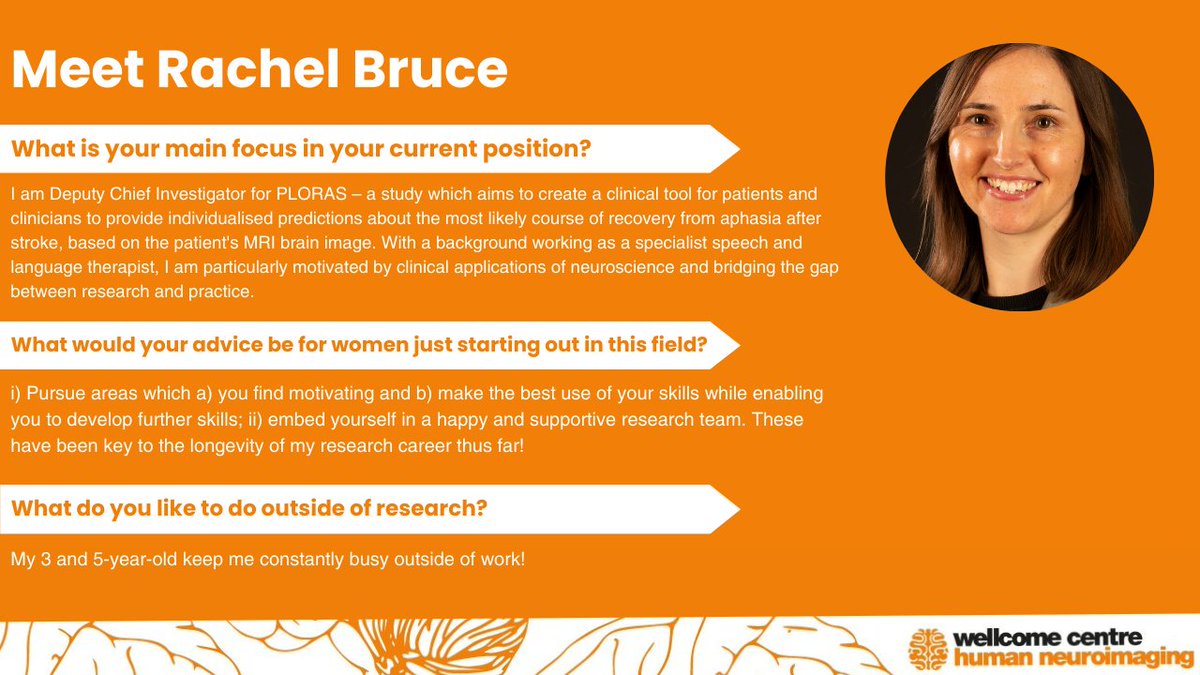
In celebration of #IWD2024, we asked Rachel Bruce, Deputy Chief Investigator for @PLORASResearch, about her work researching speech and language recovery after stroke, and what advice she would give to women just starting out in the field! 🧠 #WomensHistoryMonth#InspireInclusion
The best advocates for better #aphasia services are people with aphasia themselves with the support of family, friends and professionals. Pls tell all your aphasia community about this conference in Coventry, UK 14&15 April, 2024. Register here:
https://t.co/gnaO35pgWu
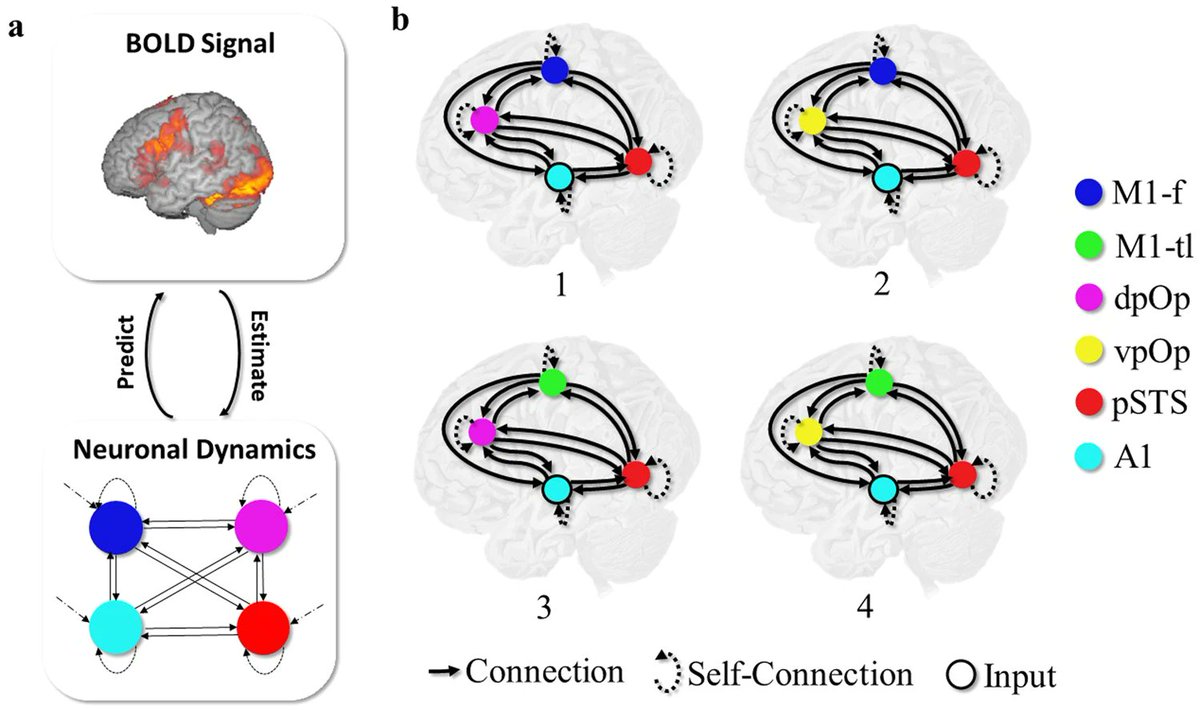
@nsajidt, @PLORASResearch, @wchn_ucl analyze fMRI data from human participants performing speech repetition tasks, providing evidence for the existence of multiple, degenerate neural pathways capable of facilitating auditory repetition.
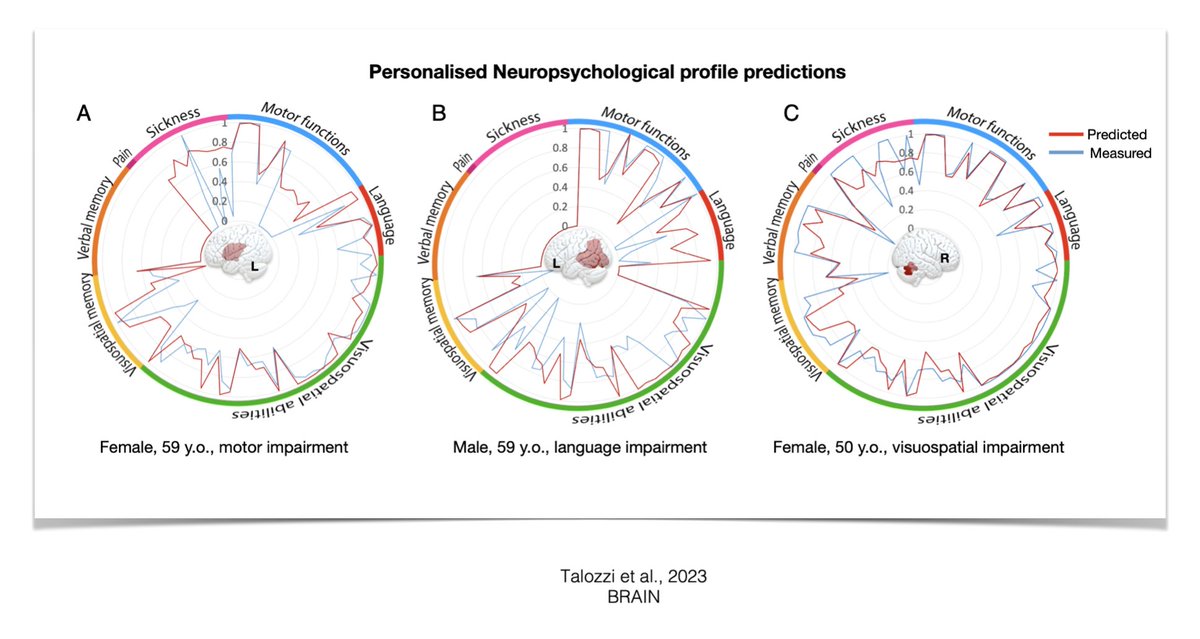
Predicting long-term outcome after #stroke:
An out-of-sample validation in #aphasia from @PLORASResearch: https://t.co/duEw1Sghza
The original model: https://t.co/dLAZJknQiD
Predict with your lesion data: https://t.co/FwNqA1gmeS
#language#fluency#naming#cognition
🚨NEW RESEARCH ALERT🚨
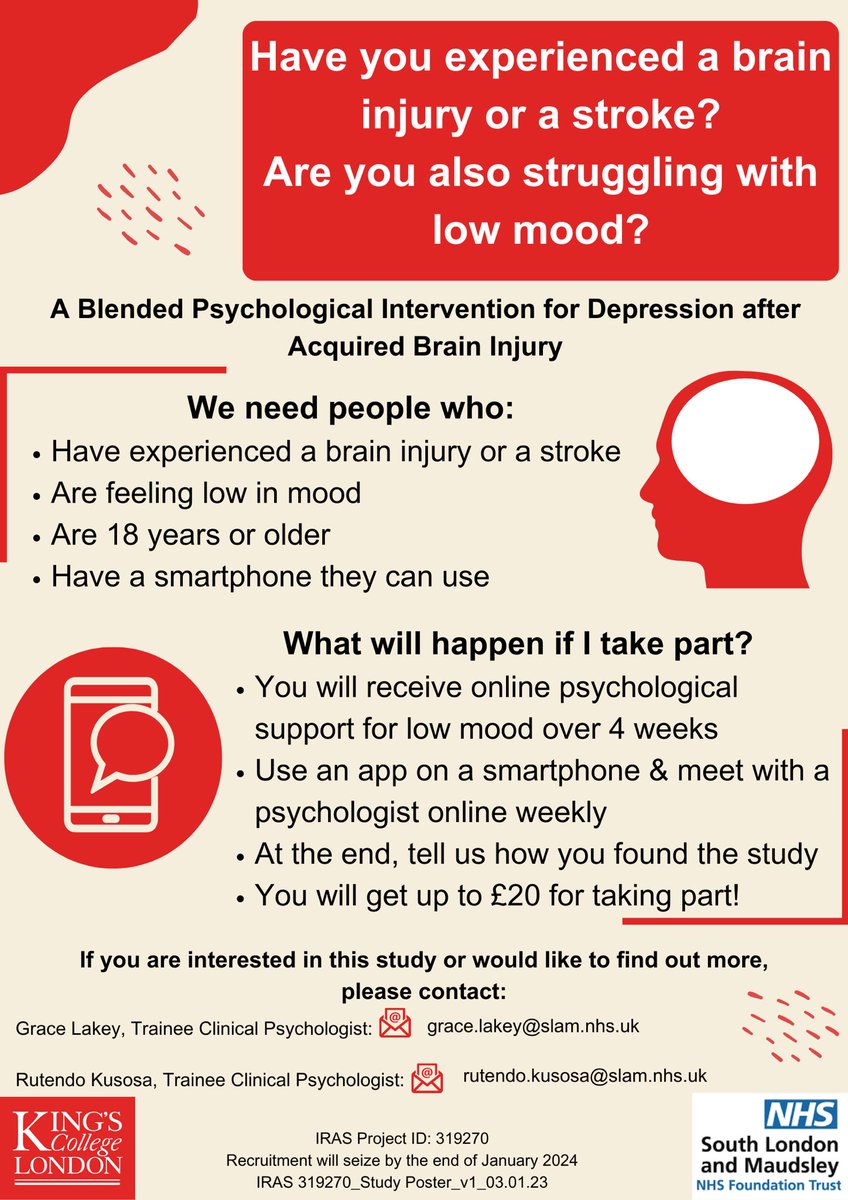
New study using a blended psychology intervention for low mood after #braininjury or #stroke 🧠
We are looking for people with #acquiredbraininjury to take part in a study which uses a new mobile app to help with low mood! 📱
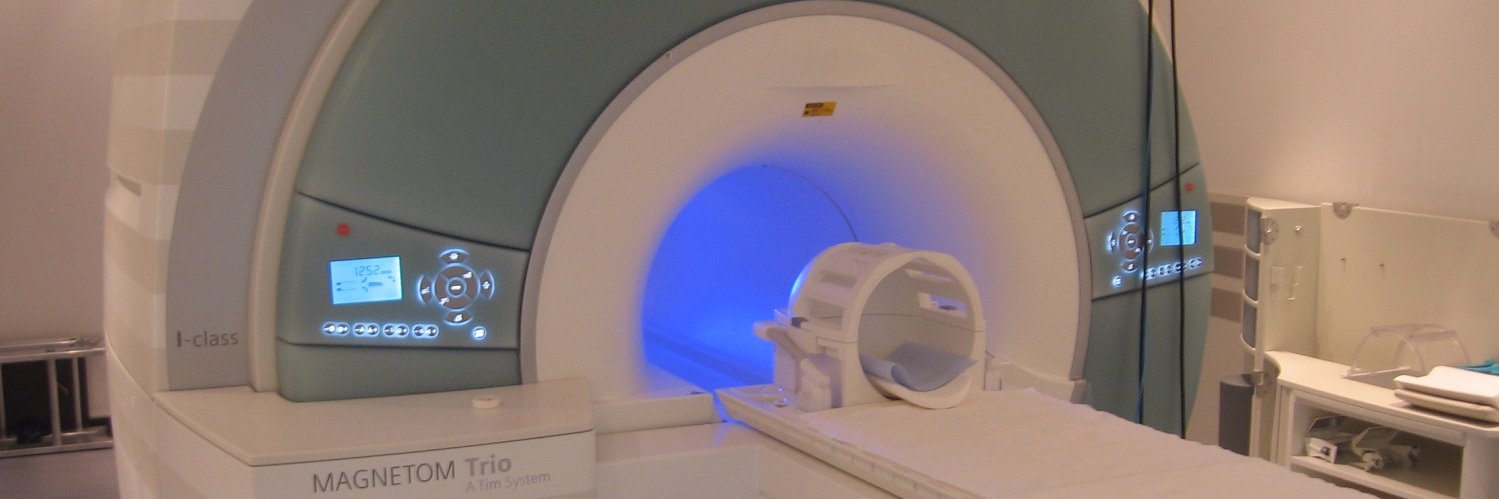
What happens when you have an MRI scan for research?
Find out more about the safety of MRI brain scanning and what to expect in the team's animation: Having an MRI scan for research.
https://t.co/Z3ruuicFbC
Two new animations are now live! These videos were co-created with stroke survivors, people with Parkinsons, and our colleagues @WCHN_UCL as part of the Understanding MRI project.
#coproduction#aphasia#accessibility#UnderstandingMRI
https://t.co/2finHlaIn1
What is MRI and why is it used in research?
Find out more about MRI scanning and why it is so useful for understanding the brain in the new animation: Why do we use MRI for research?
https://t.co/h6yvY29sHi
Can you help Anna to explore the process of making decisions in community #SLT for clients w #dementia who need communication support? Contribute to a tool to make this process easier. It's 90 mins of your time, online @LANCEN_SLT@BHRUT_SLT@ESNEFT_AHPs@SusieWSLT@clairehunt
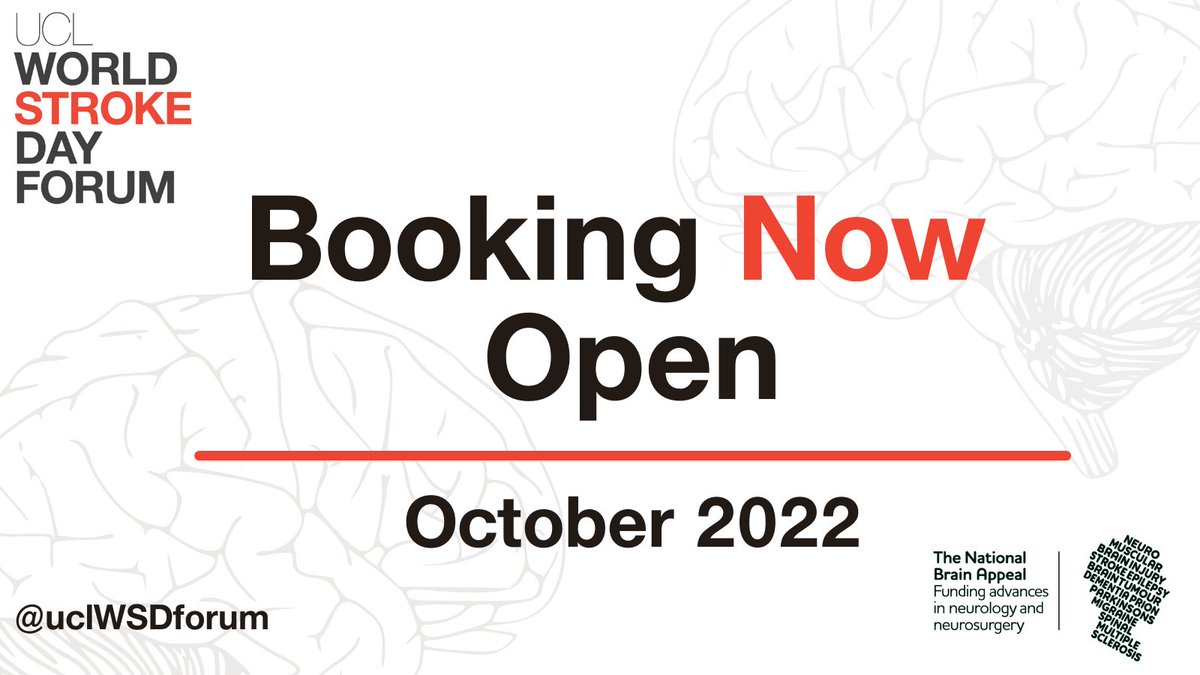
Booking is now open for #uclWSDforum!
Sign up to attend the in-person event in central London featuring interactive
talks and workshops.
Can’t make it to London? Book a ticket for our online sessions.
https://t.co/zRFB1eCL0N
@uclWSDforum @UCLBrainScience@BrainAppeal
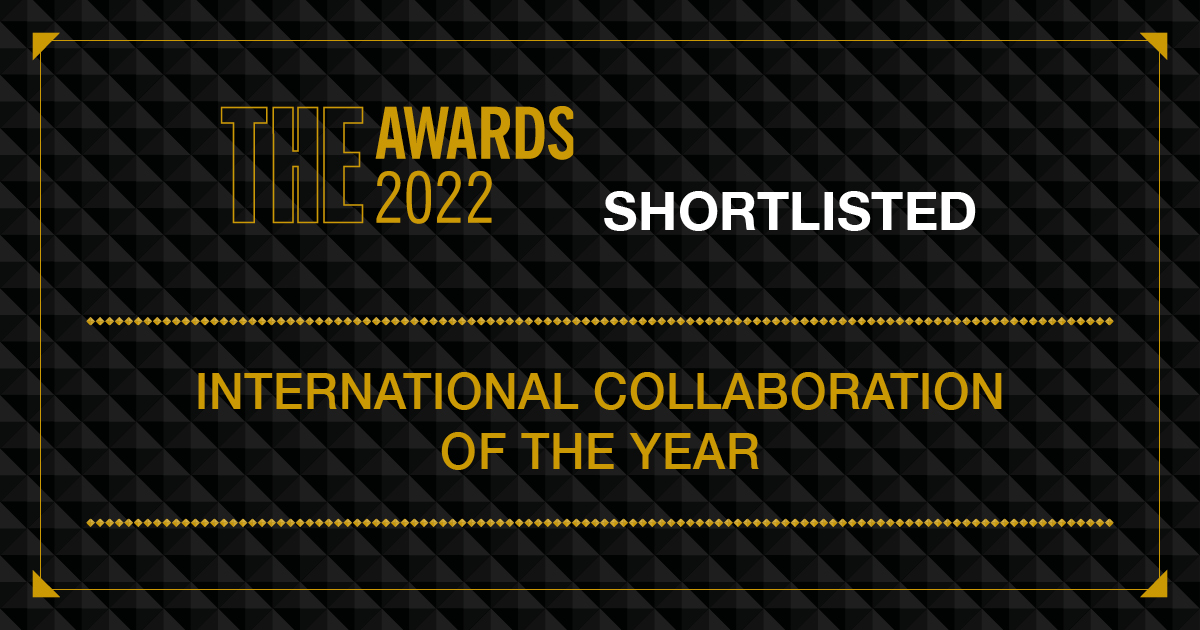
📢 @CATs_Aphasia has been shortlisted for THE International Collaboration of the Year 2022 #THEAwards reflecting the collective efforts of >270 aphasia researchers across >40 countries to improve the lives of people with aphasia. See our work or join us https://t.co/rROsDHONpN !!
📢 Participants Needed!
Are you available on Tuesday 23rd August?
Contribute to research and undergo an #fMRI scan to improve researchers understanding of speech and language.
Find out more: https://t.co/ksTBAMnftG
#volunteering#neuroscience