PLOS is no longer posting on this platform. We remain fully committed to promoting PLOS Pathogens and its content and will continue to amplify our research and connect with key audiences and communities across other social media platforms.
With this week's #PeerReviewWeek theme ‘Innovation and Technology in Peer Review’ we’re curious to know what kinds of innovations you think would most improve the peer review process?
#PeerReviewWeek is here! For an overview of this week's events from @PeerRevWeek, and quick access to PLOS peer review resources, check out our latest post on The Official PLOS Blog: https://t.co/IEicGYC4zy
Are you signed up to receive the latest pathogens research? If not, register for our email alerts today, and never miss an article: https://t.co/3S79qhb6xV
"As we embark on this transformative journey, we invite our readers, authors, researchers, and clinicians across disciplines to join us in shaping the future." Discover how we're expanding our horizons: https://t.co/iYuH0EhgnH
We're excited to introduce a revised scope for @PLOSPathogens! Read the scope updates, see details on how we've broadened our article formats for submission, and more in our latest Editorial: https://t.co/iYuH0EhgnH.
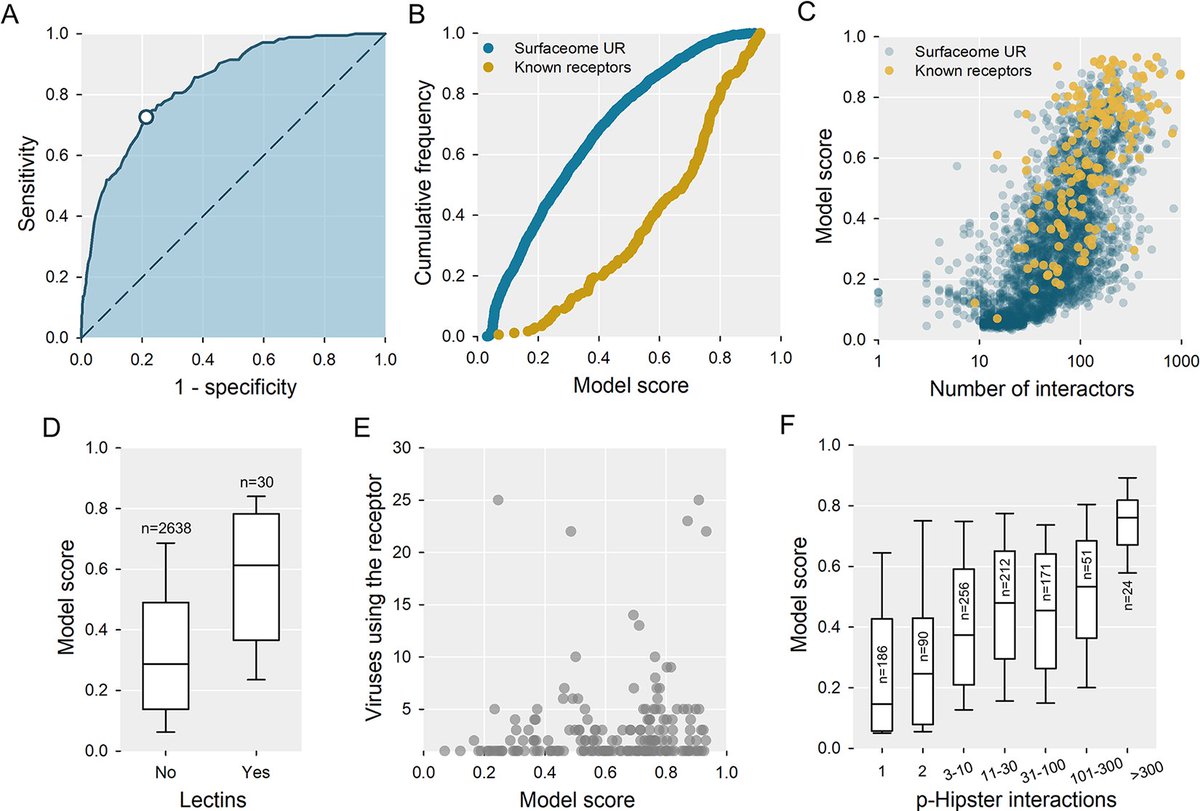
In this recent article, researchers from @i2sysbio share results that reveal common patterns of receptor usage among viruses, suggesting that enveloped viruses tend to use a broader repertoire of alternative receptors than non-enveloped viruses: https://t.co/AI1QNboi7d
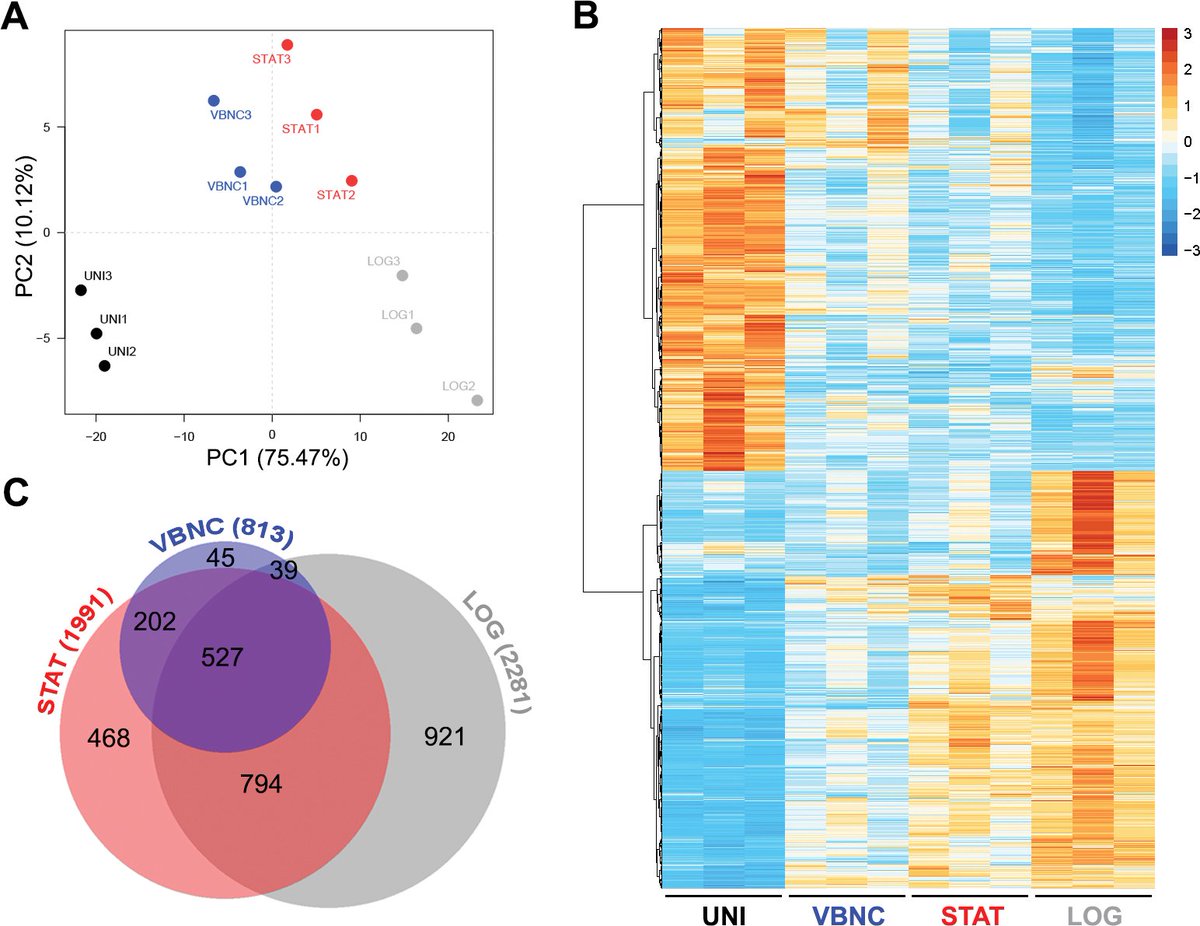
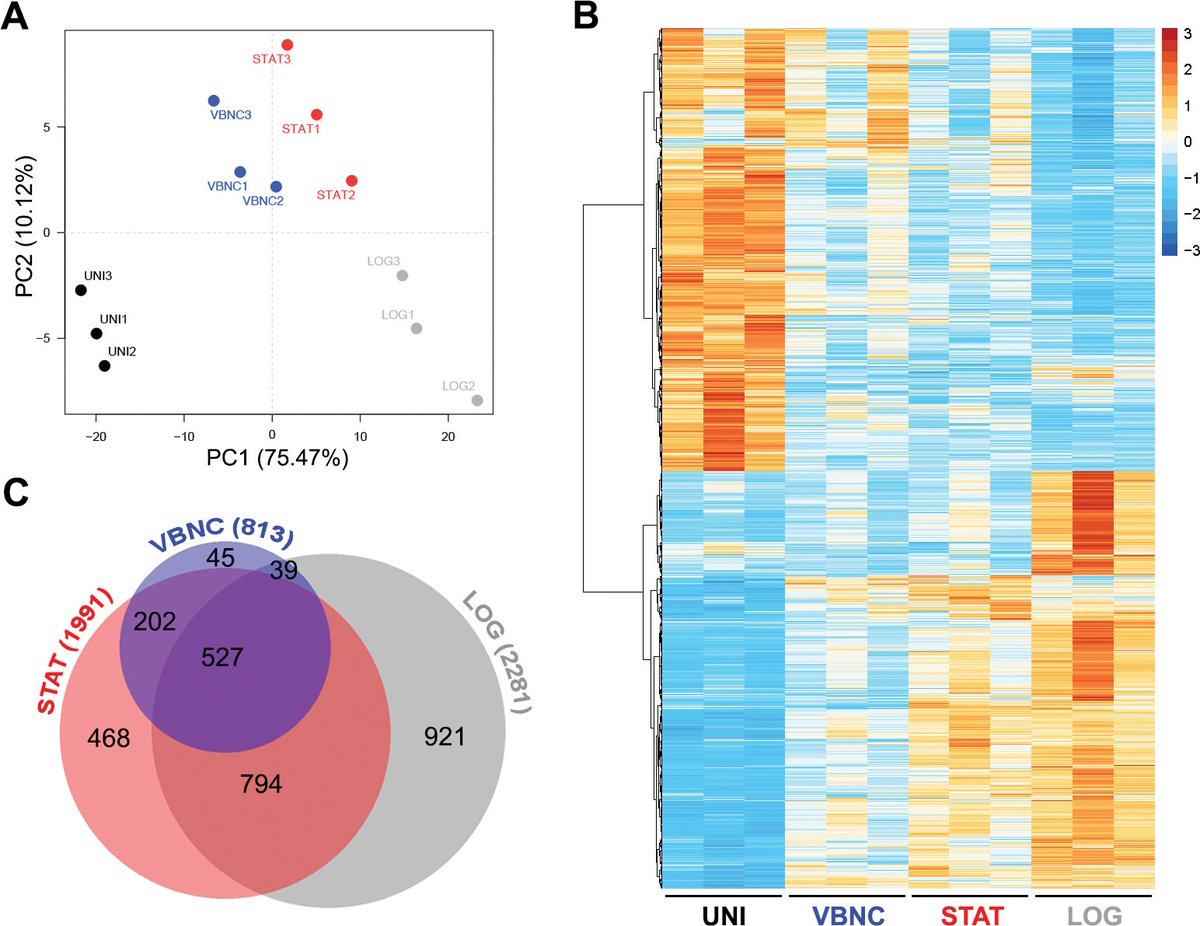
Kicking sleepers out of bed: Macrophages promote reactivation of dormant Cryptococcus neoformans by extracellular vesicle release and non-lytic exocytosis: https://t.co/LXOQkjXmcr
Kicking sleepers out of bed: Macrophages promote reactivation of dormant Cryptococcus neoformans by extracellular vesicle release and non-lytic exocytosis: https://t.co/LXOQkjXmcr
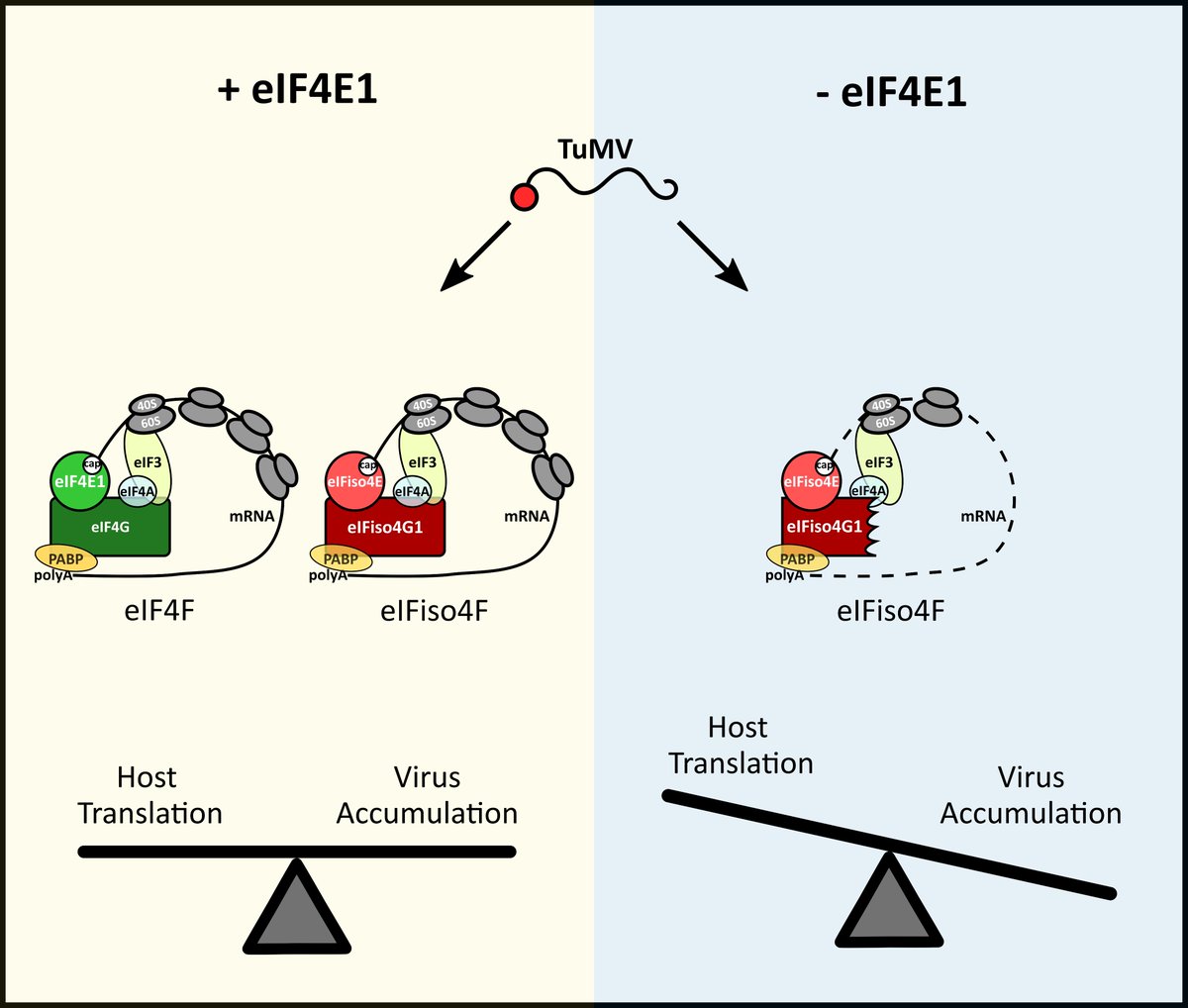
Check out our latest study in @PLOSPathogens where we explore hidden strategies for the subversion of host translation by the potyvirus TuMV in Arabidopsis.
https://t.co/jSIqiLf4Wk
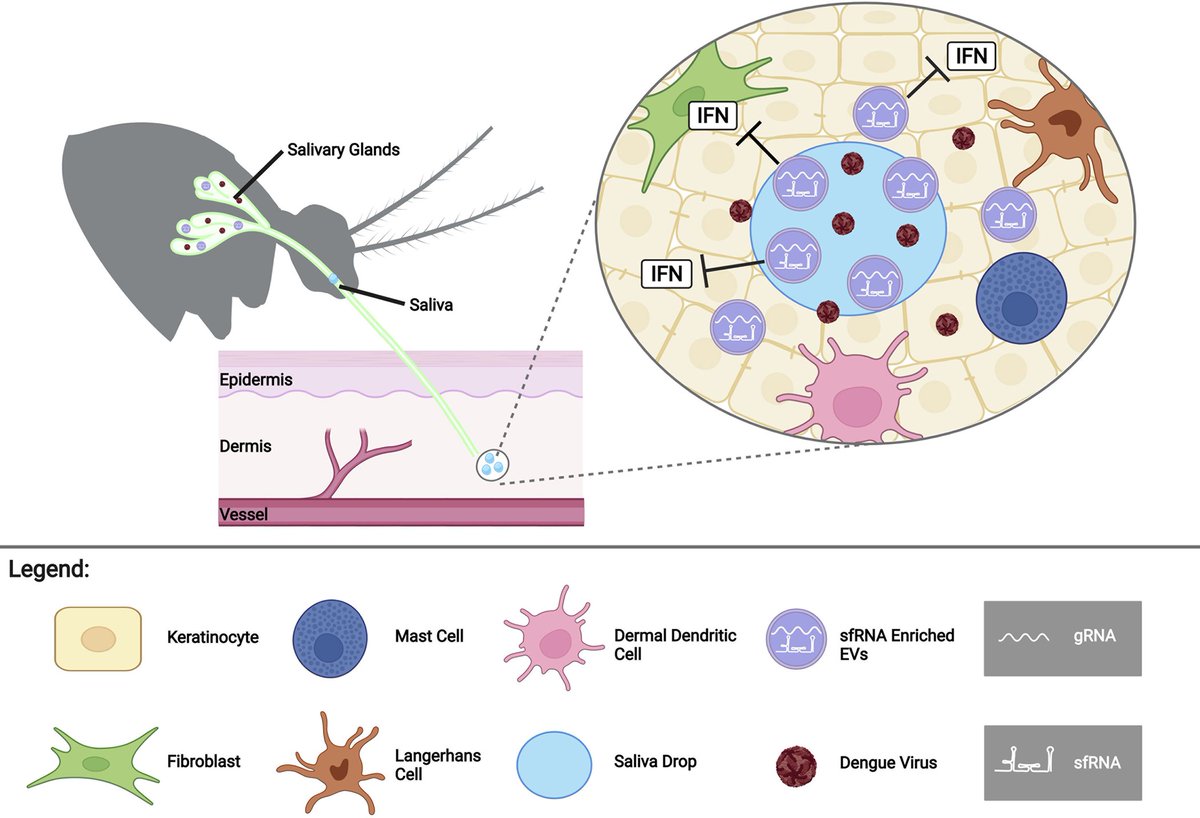
In this study, researchers report the discovery of high levels of the anti-immune subgenomic flaviviral RNA (sfRNA) in dengue virus 2-infected mosquito saliva: https://t.co/gSEfmwzcsp
How are we working towards our mission to advance community-rooted adoption of #OpenScience practices in pathogens research? Our editors discuss current initiatives in our latest editorial: https://t.co/FZX2mgldZP