Research & resources on Polycystic Ovary Syndrome / Polyendocrine Metabolic Ovarian Syndrome #PMOS
Dr. Donna Vine's Lab, University of Alberta, Edmonton.
And finally, we think the name change from PCOS to PMOS will help:
6) Support nutrition care across the lifespan, including adolescence, reproductive years, menopause, and postmenopause to address metabolic risk.
New publication (Vine, Moran, Teede & Bahri-Khomami) discussing the name update: PCOS to Polyendocrine Metabolic Ovarian Syndrome (PMOS), w/ input from 56 orgs & 14,000+ patients & experts, to reduce stigma & more accurately reflect whole-body involvement
https://t.co/Lh7VteCgaD
We think the name change from PCOS to PMOS will help:
5) Strengthen interdisciplinary health care practice and models of care across endocrinology, obstetrics gynecology, primary care, psychology, and nutrition teams, and...
Systematic review suggests different lifestyle strategies for specific goals for PMOS.
Exercise seems to be particularly relevant for improving adiposity & insulin resistance.
Whereas dietary changes are important for glycemic control.
Rigorous, longer-term studies are needed.
An updated systematic review and meta-analysis evaluates the effects of lifestyle interventions on reproductive and metabolic outcomes in women with PMOS: https://t.co/Y4nVrHSK8n
Stay connected and help us grow the #AEPMOS community.
Follow us for updates about Society events, publications, and opportunities in the field of #PMOS.
Please share our posts with your networks & tag colleagues who may also be interested, helping us amplify the Society’s work.
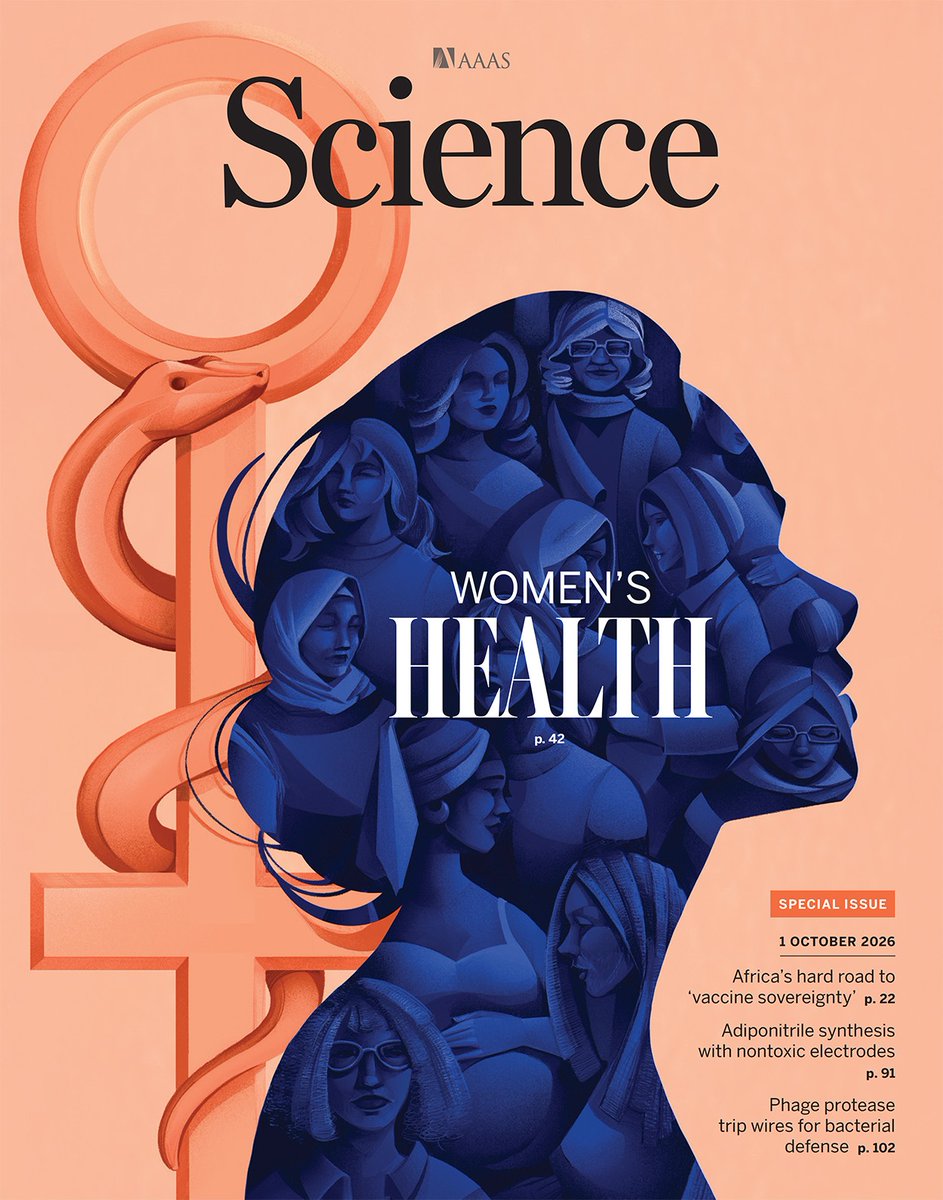
Historically, medical research has relied heavily on male participants, with findings often generalized to women and children.
If women’s health is discussed at all, it’s largely framed around reproduction.
This special issue of Science highlights the research that is seeking to close the critical gaps in women’s health. Learn more: https://t.co/MQDsxJ4dUq
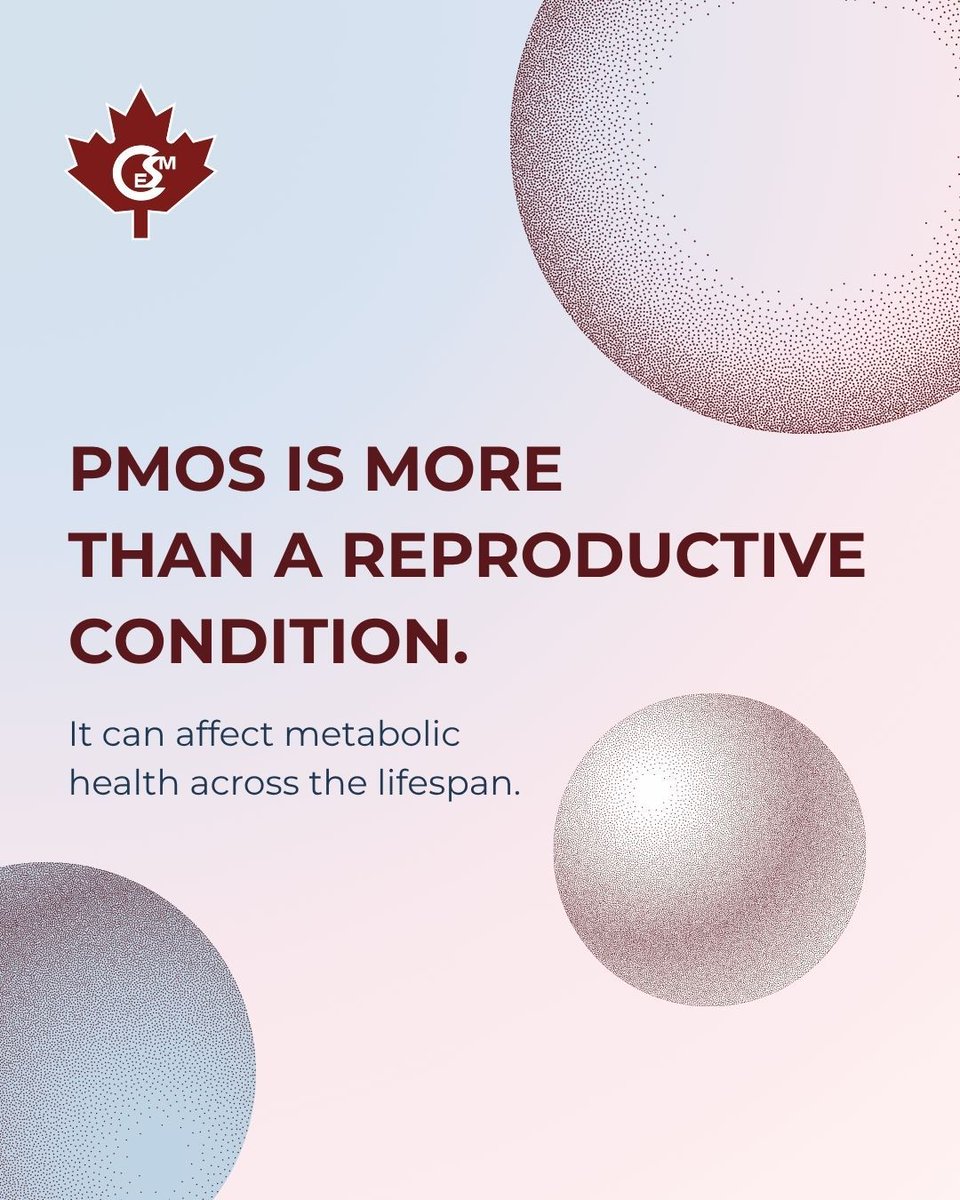
PMOS extends beyond reproductive health, affecting metabolic and overall health throughout life.
Recognizing it as a lifelong endocrine and metabolic condition can support more comprehensive, individualized care.
#CSEM#PMOS#Endocrinology#WomensHealth#MetabolicHealth
A study found that global prevalence of PMOS & phenotypes varies widely by region, ranging from 1.6-48.5% depending on the region & diagnostic criteria. https://t.co/NFcxRfg61m
Join a compelling global webinar by the International Society of Endocrinology @isendo exploring the growing “pandemic” of insulin resistance and its far-reaching impact on metabolic & reproductive health.
🗓️ 28 Sep 2026 | 1:00–2:30 CEST
✍️ Register now: https://t.co/oN5ViFV7T4
For women with endometriosis, the average time to diagnosis in Canada is 5.4 years.
Explore Chronic Pelvic Pain and Endometriosis, one of six priority areas shaping the future of women’s health in Alberta. 🤍
🔗 Read: https://t.co/aiy0c8zgfu
#AWHO
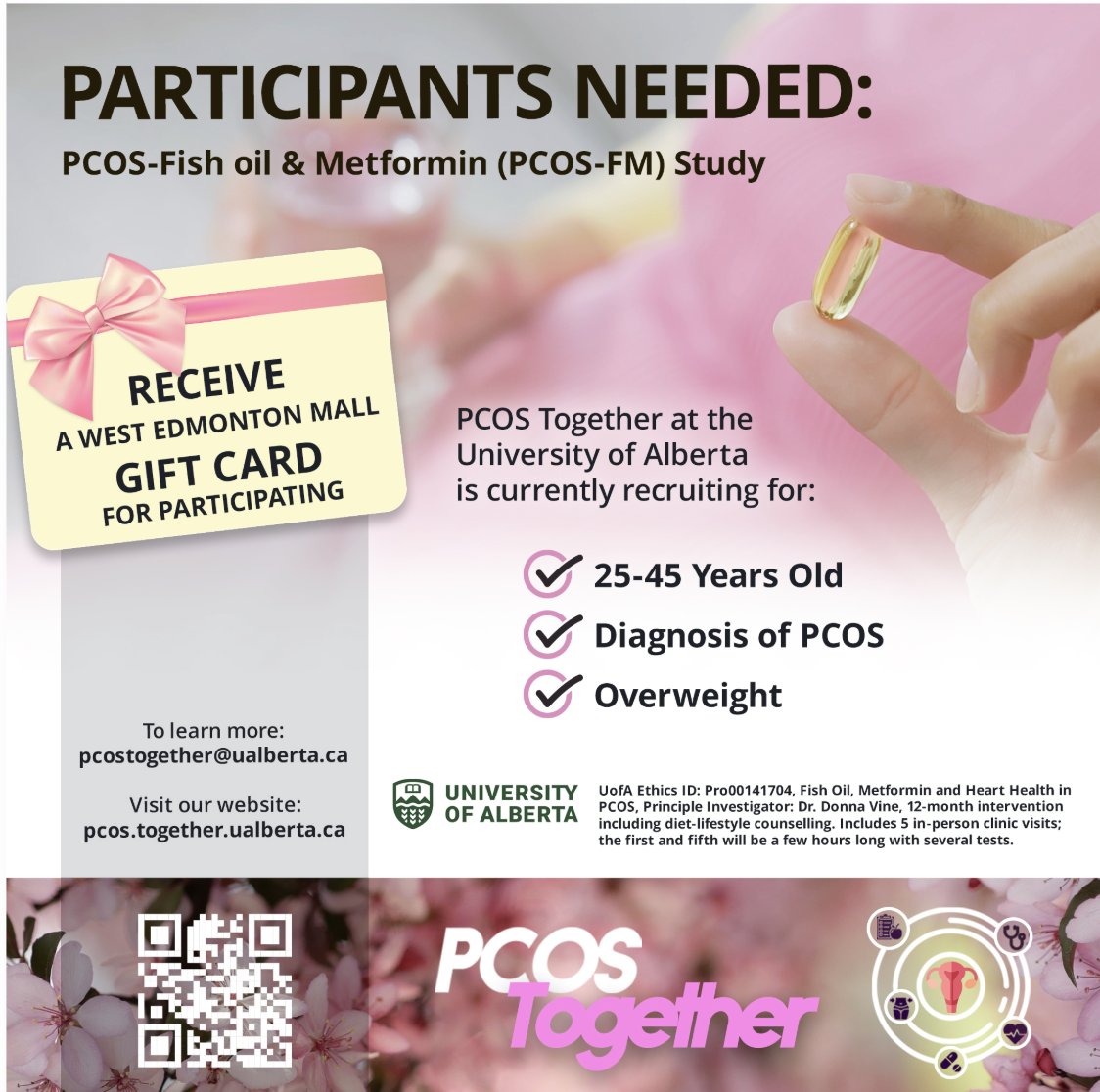
We do have a website, but there's always so much going on... So if you ever want to know what's currently happening at PMOS Together, check out our Google site!
https://t.co/x1XniiBIq0
The EC SIG is excited to invite you 👉 upcoming MTP session with Prof. @LisaM_nutrition 🤩 Lead at @MCHRImonash at @MonashUni
🗓️ October 14
⏰ 11pm (Mountain Time - Edmonton)
❗️Check your timezone! (4pm AEDT - Oct 15th)
✉️ Please check your email for the Zoom link 🔗
Testosterone shows how one hormone can influence muscle, bone, mood, energy, and reproductive health.
Donna Vine highlights the precision and complexity at the heart of endocrinology.
📍North Saskatchewan River Valley, Alberta
#WorldHormoneDay#BecauseHormonesMatter#CSEM
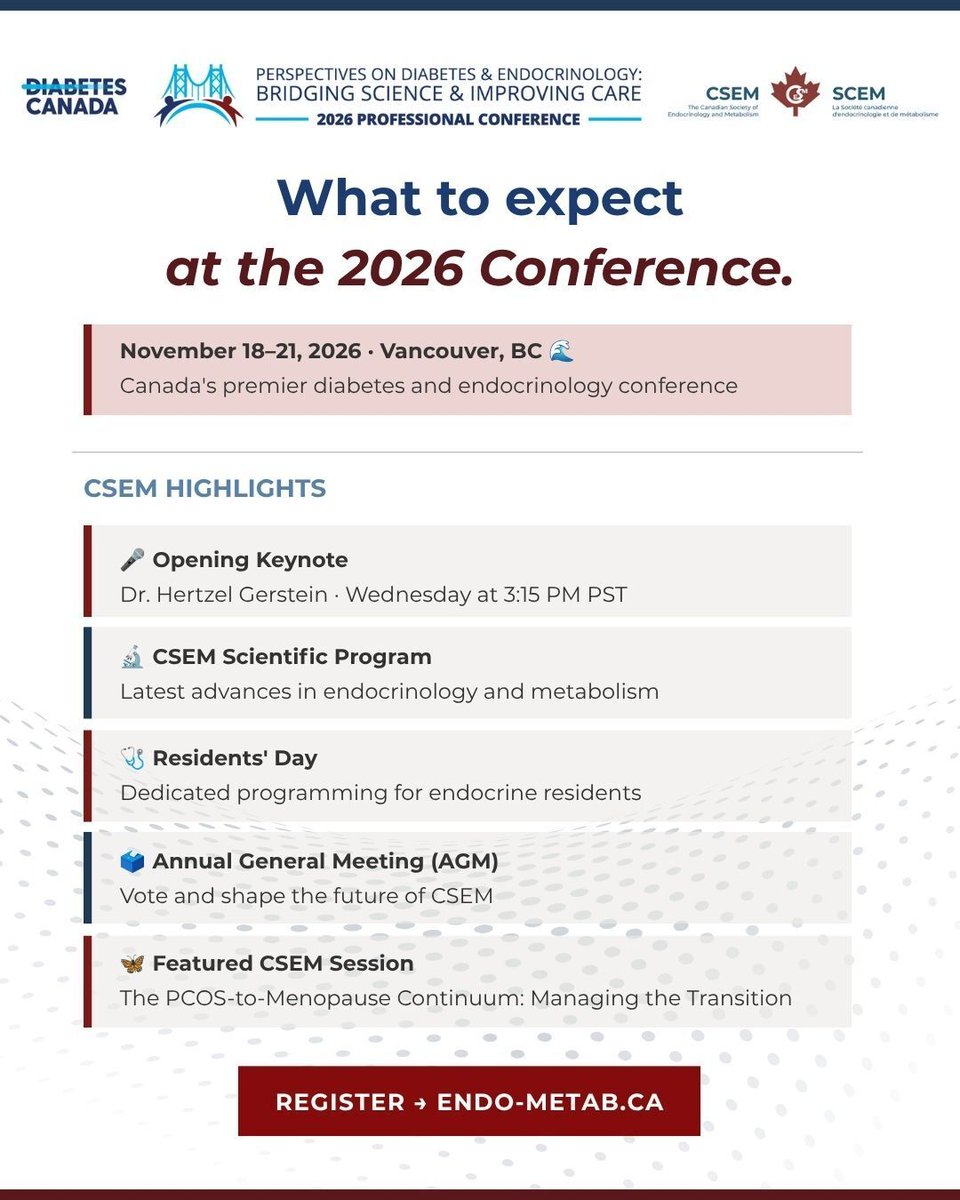
🌊 The 2026 Diabetes Canada/CSEM Professional Conference is coming to Vancouver, BC — November 18–21!
🎤 Keynote: Dr. Hertzel Gerstein
🔬 CSEM Scientific Program · 🩺 Residents' Day · 🗳️ AGM · 🦋 PCOS Session
Registration is open → https://t.co/51SLYriccR 🇨🇦