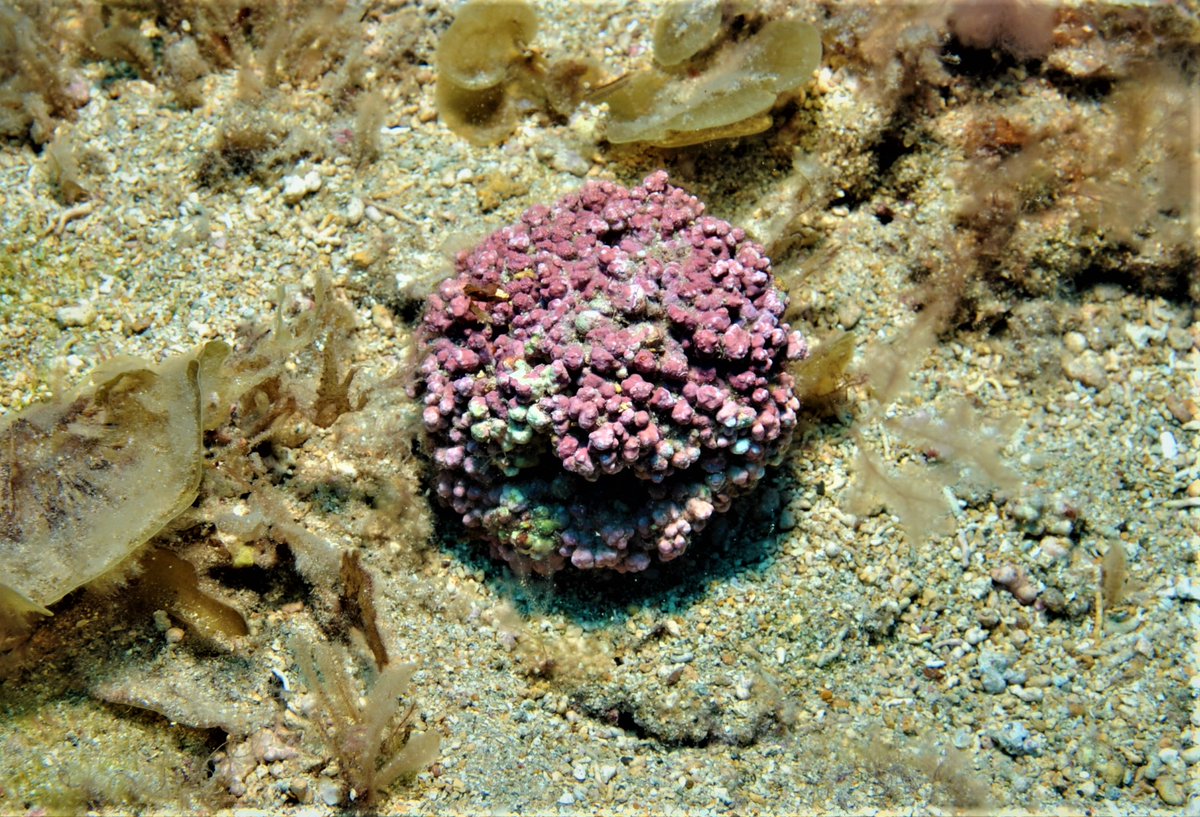
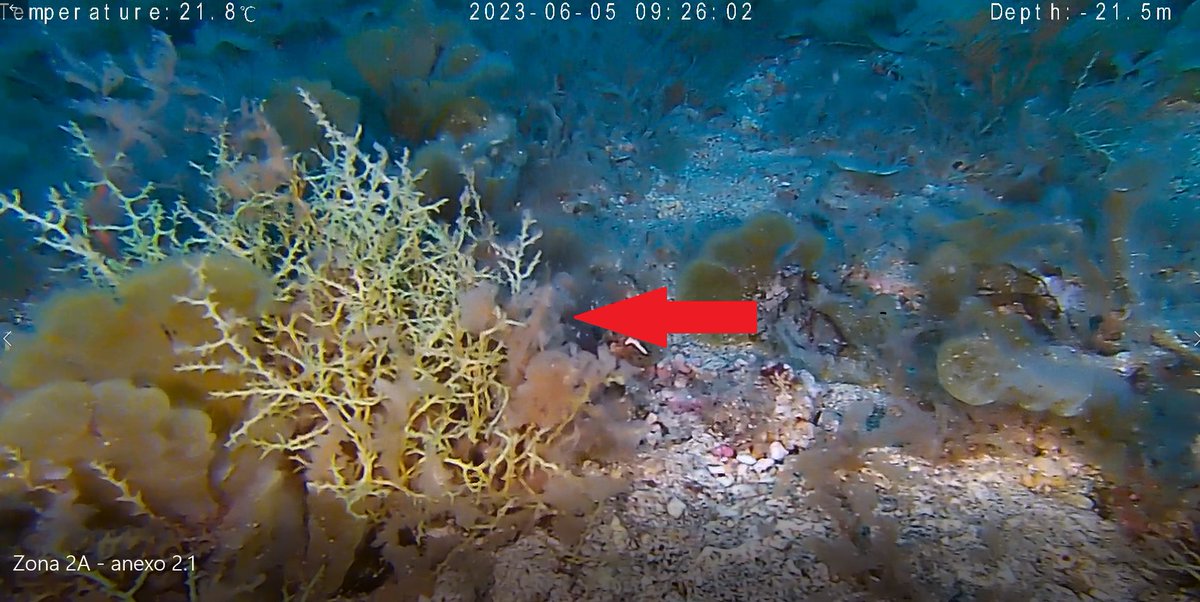
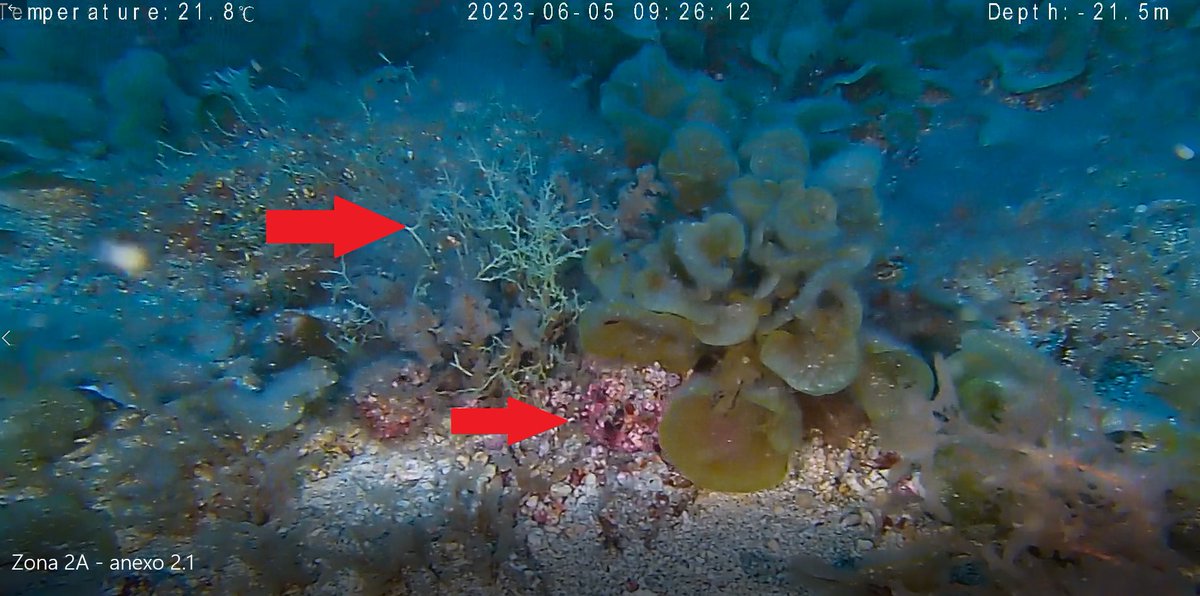
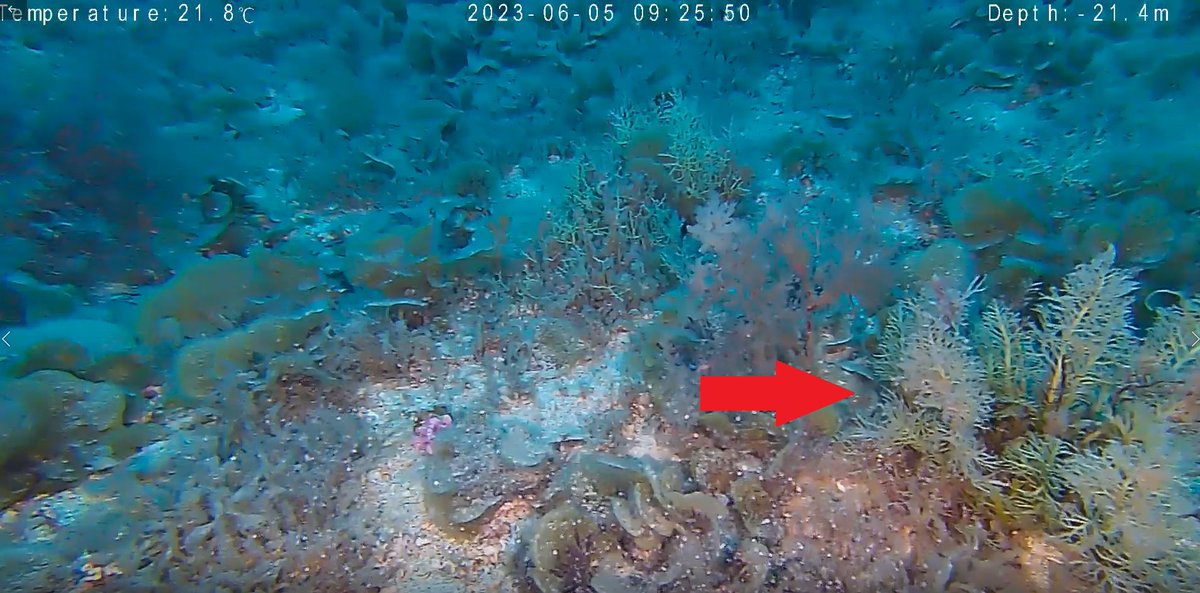
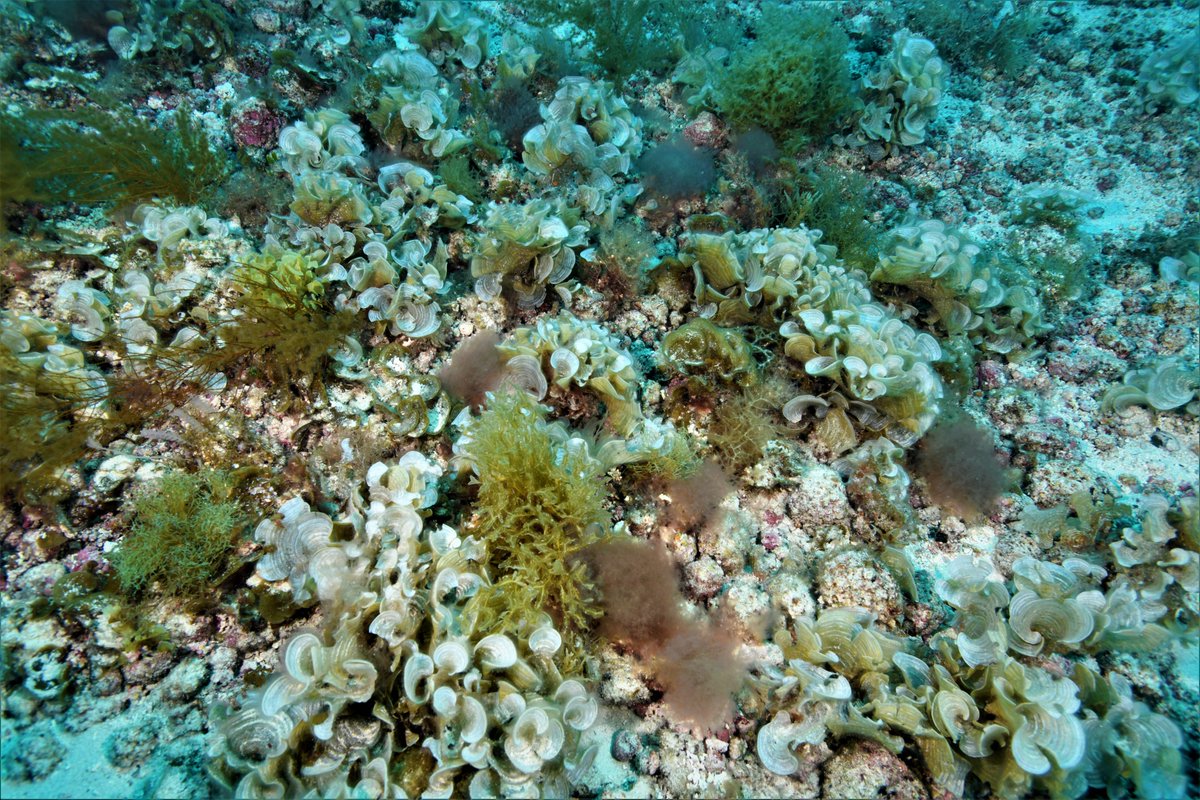
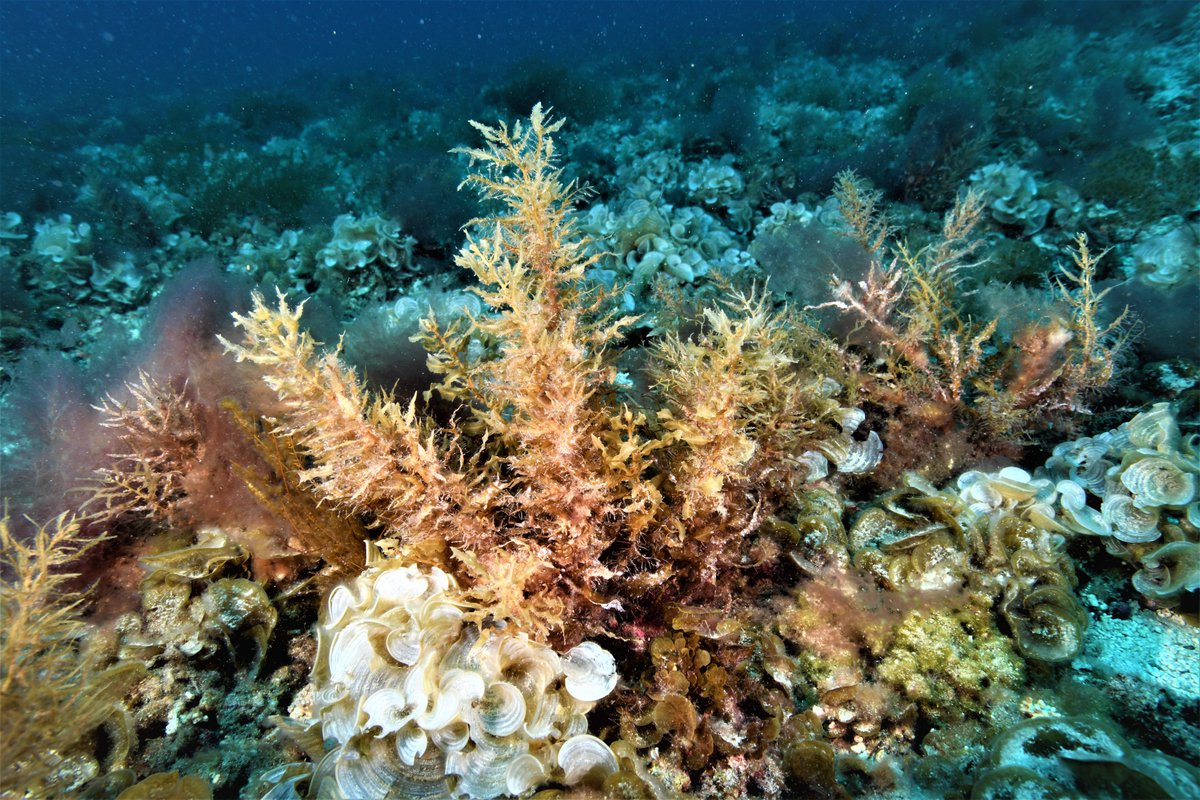
Habitat cascades are an amazing ecological phenomenon, such as this mix of reef, sand, and rhodolith completely covered with forest-forming Cystoseira at 20 m depth on an island where it’s practically functionally extinct! #marineforests@ECOAQUA_ULPGC@AgEInves@ulpgcresearch
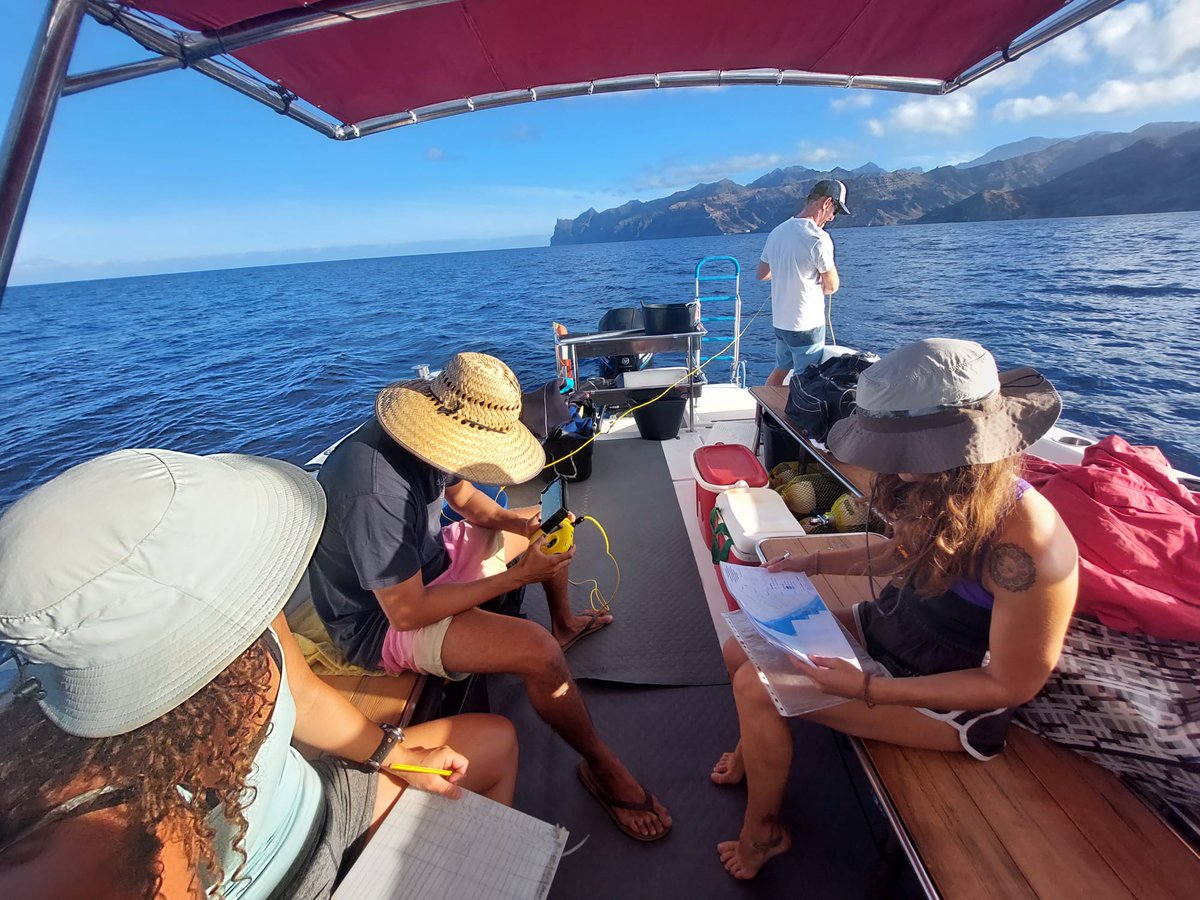
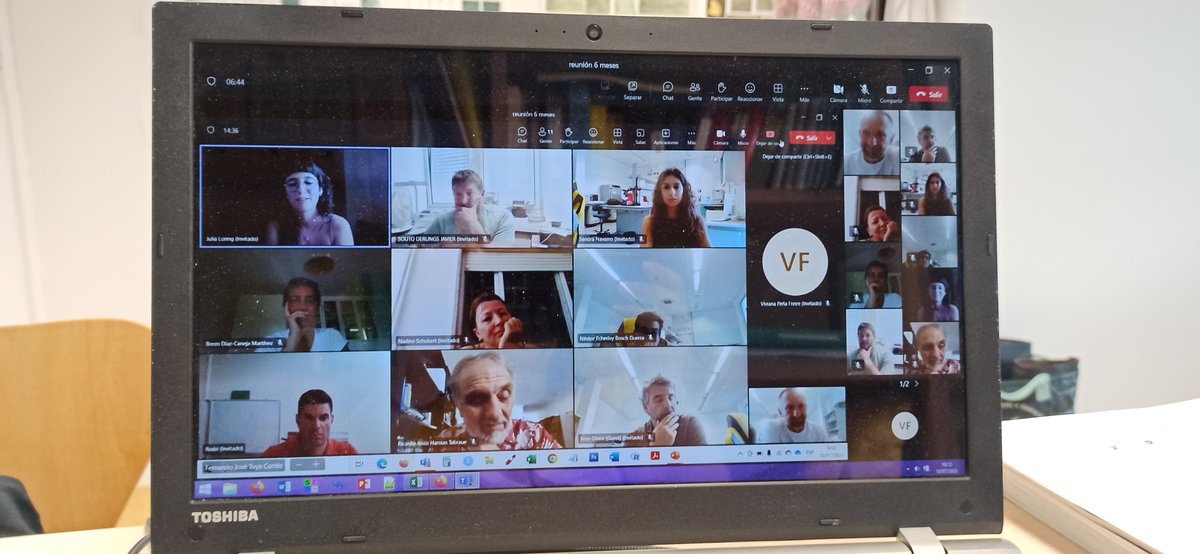
Six months since the kick off our project on rhodolith seabed across the Canarian archipelago. Time to review progress and develop new ideas among collaborators #science#conservation@ECOAQUA_ULPGC@ulpgcresearch @vpenafreire @Biol_NSchubert @bosch_nestor
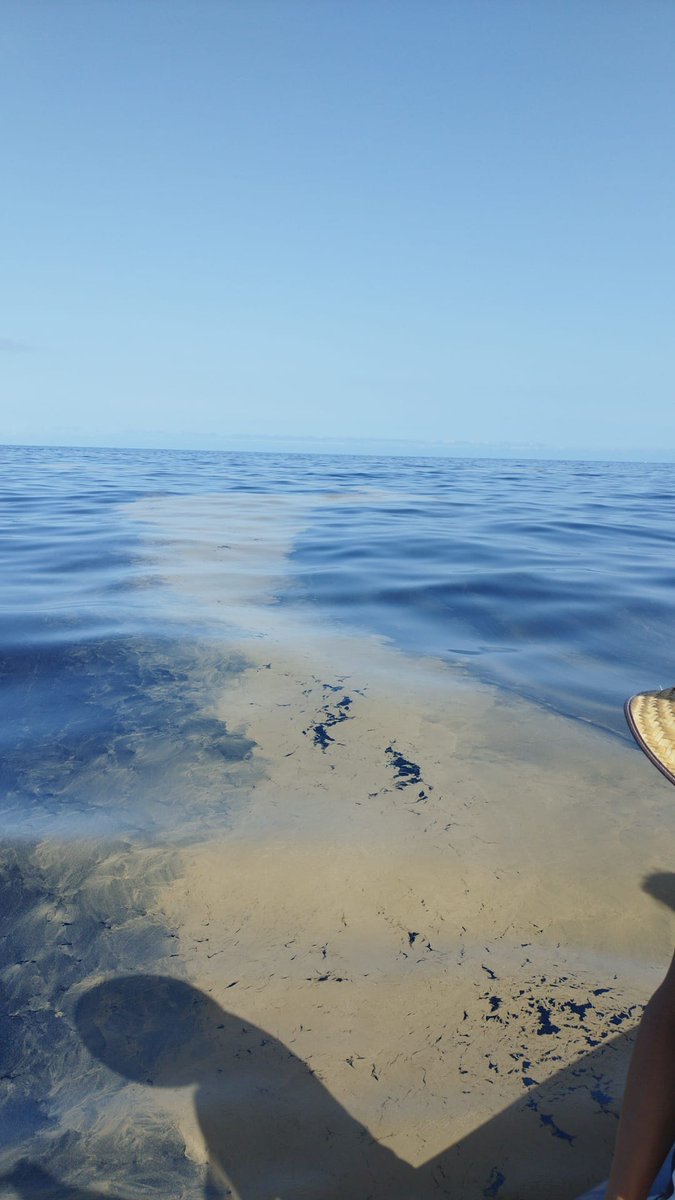
+40°C and cyanobacteria blooms (Trichodesmium spp.) is not enough to prevent us to keep conducting our ROV validations to understand drivers of rhodolith seabed distribution #ecology#rhodolitscience@ECOAQUA_ULPGC@ulpgcresearch
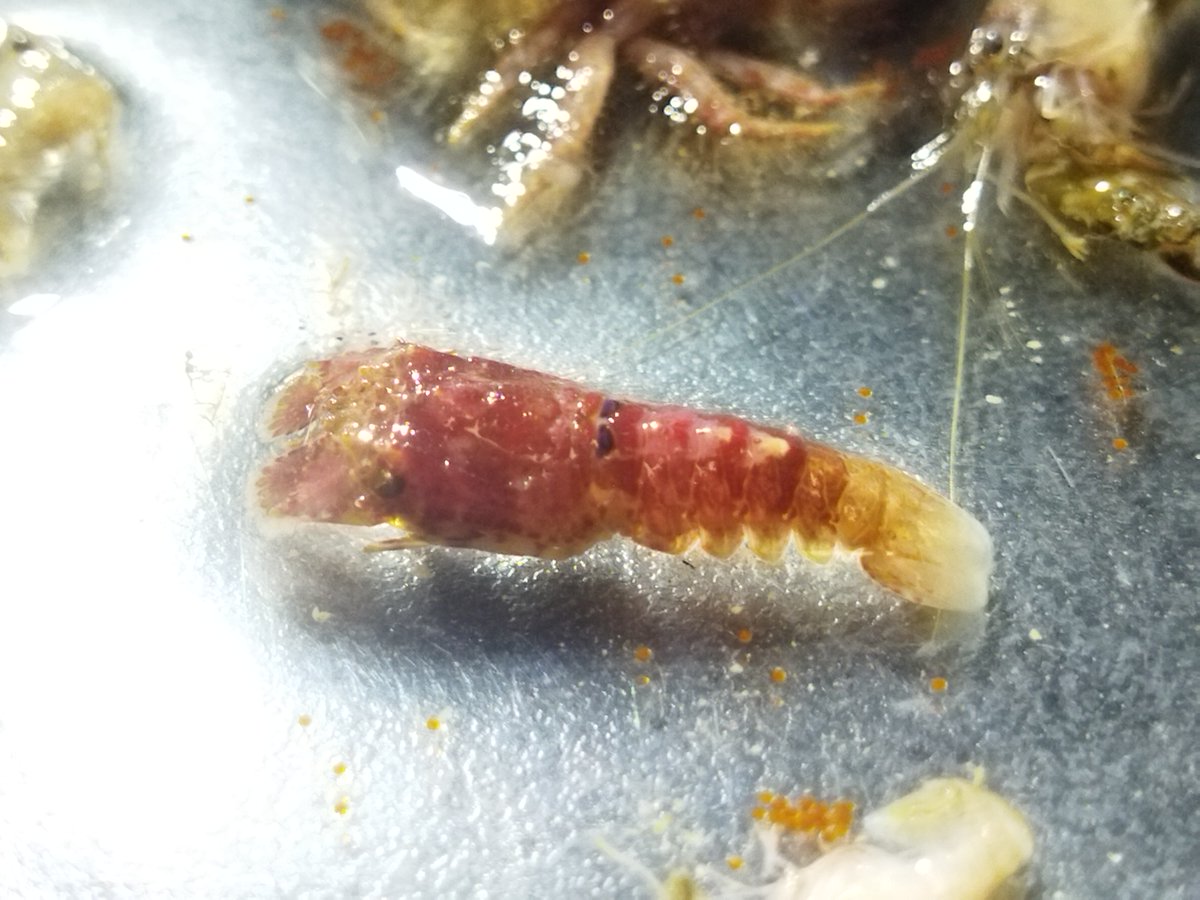
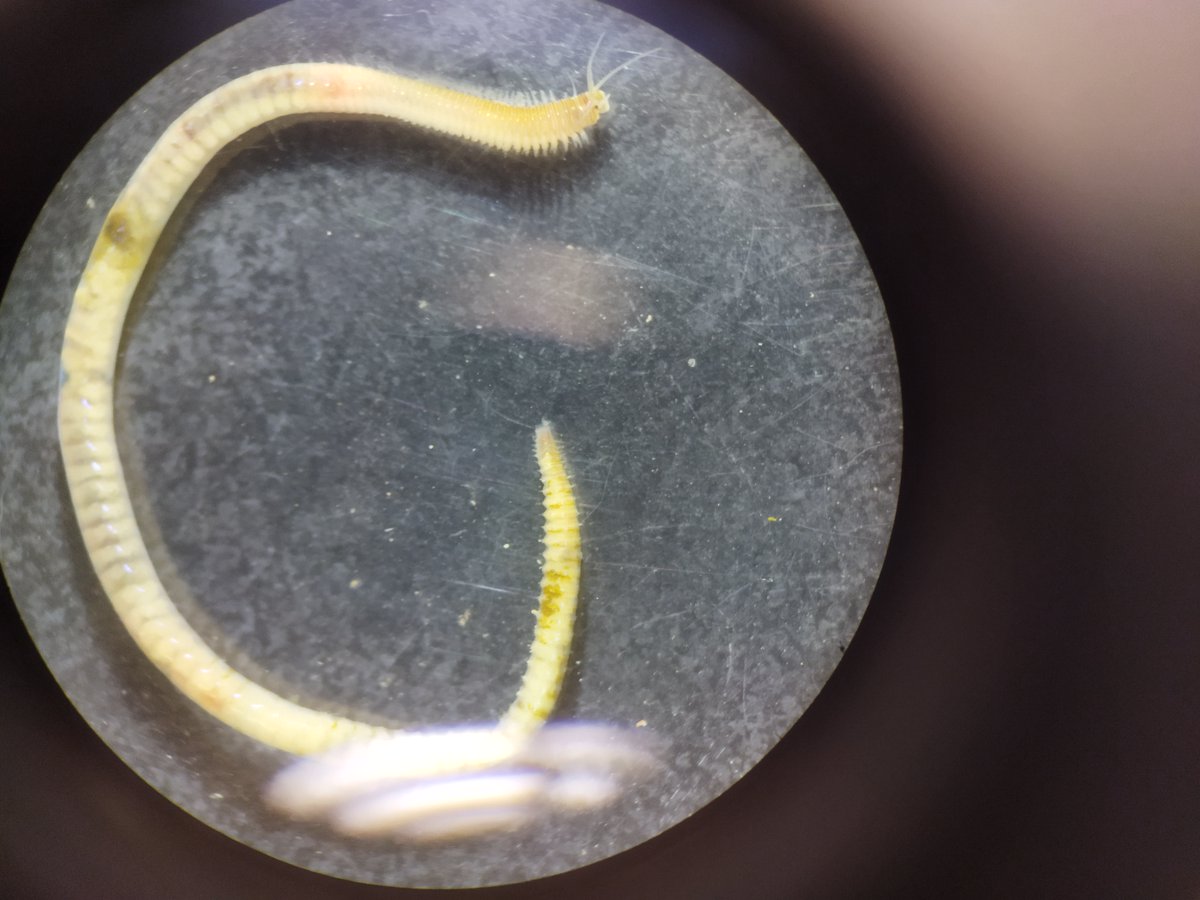
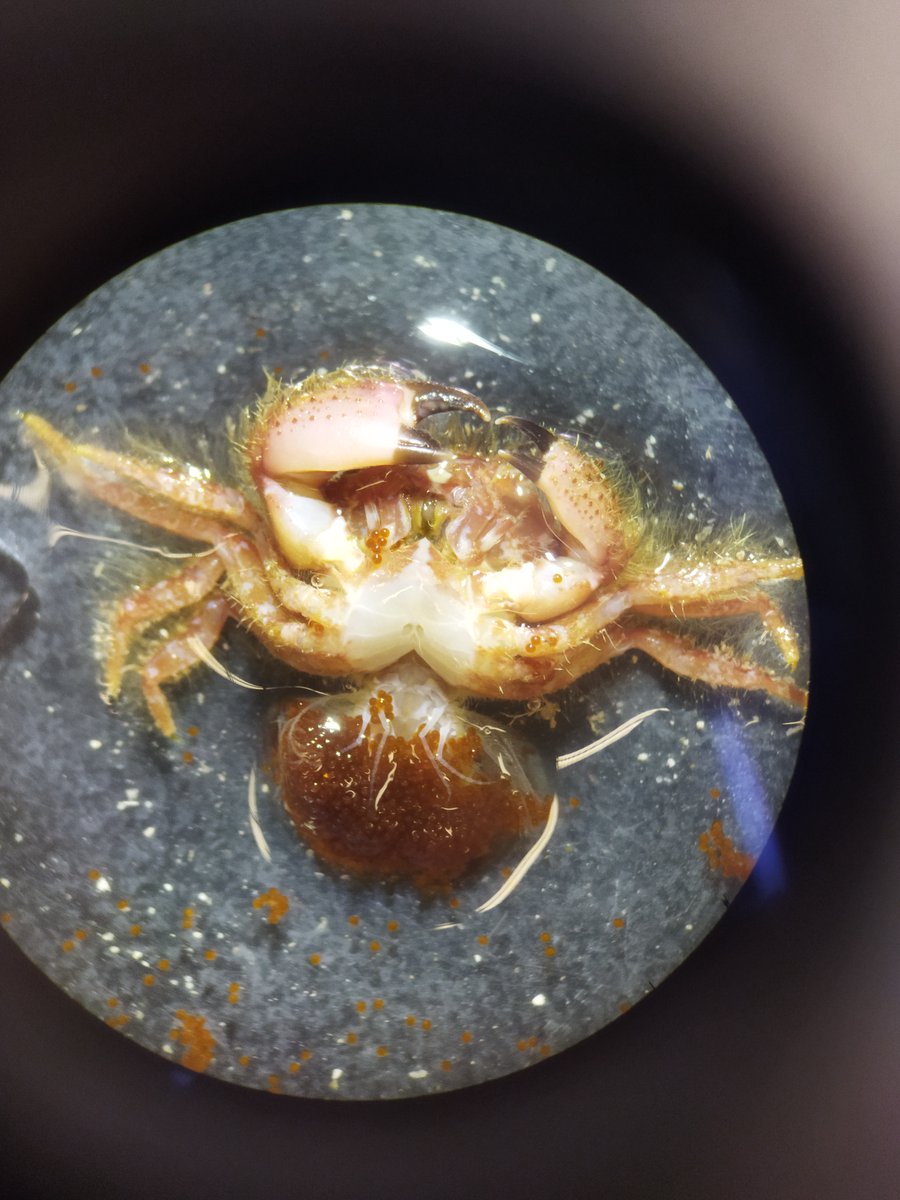
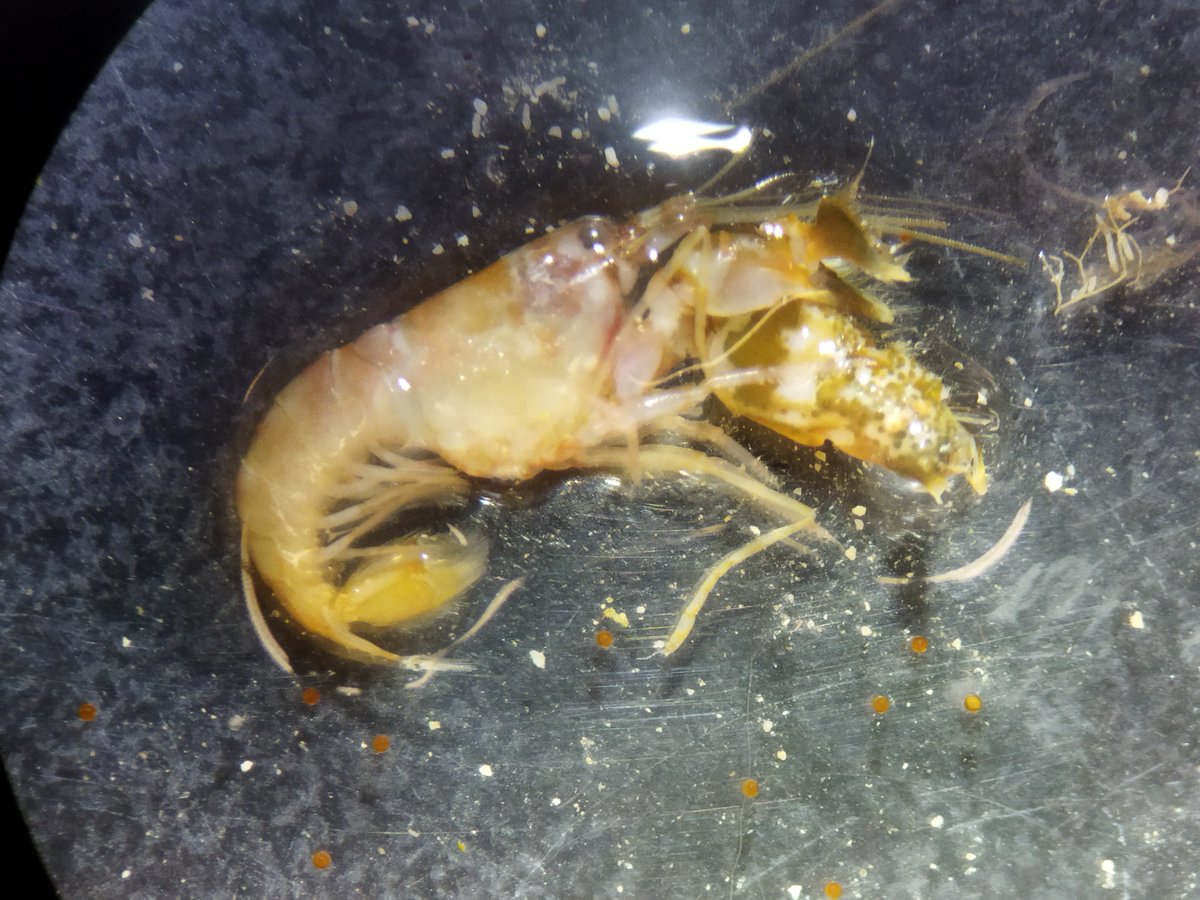
Sorting epifauna can be tedious, but also rewarding. Here some individuals from various taxonomic groups recently collected during our sampling campaigns across the Canarian archipelago #rodholithbeds#epifauana@ECOAQUA_ULPGC@ulpgcresearch
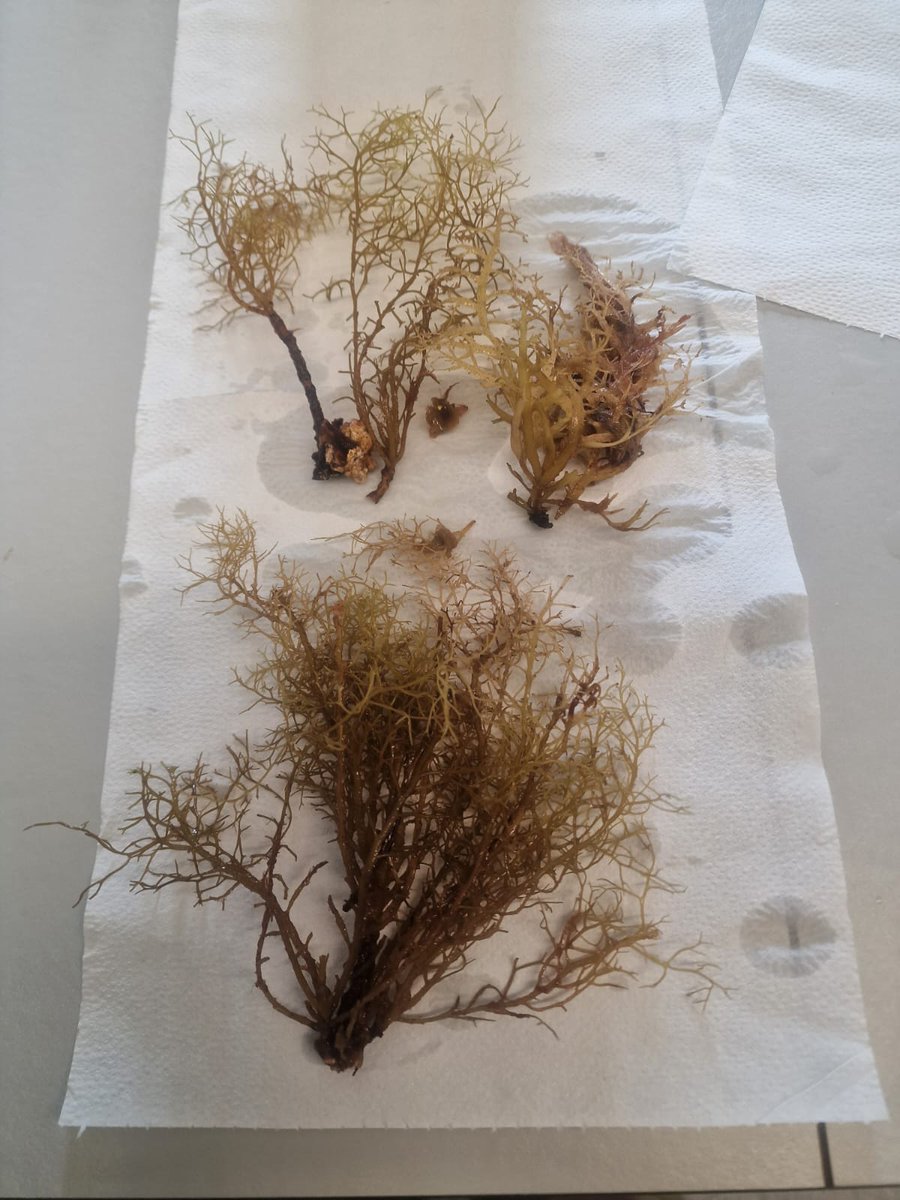
Ecologically important macroalgal forests of the genus Cystoseira have drastically declined in the Canary Islands in the last decades.But, some glimmers of hope remain such as these individuals found growing attached to dead rhodolith #marineforest@ulpgcresearch@ECOAQUA_ULPGC
Everyone wants to get their feed on this mixed reef and rhodolith bed, even if it's hard to get! Check this redbanded seabream turning away rhodoliths in the search for inverts #rhodolith@ulpgcresearch @ECOAQUA_IU
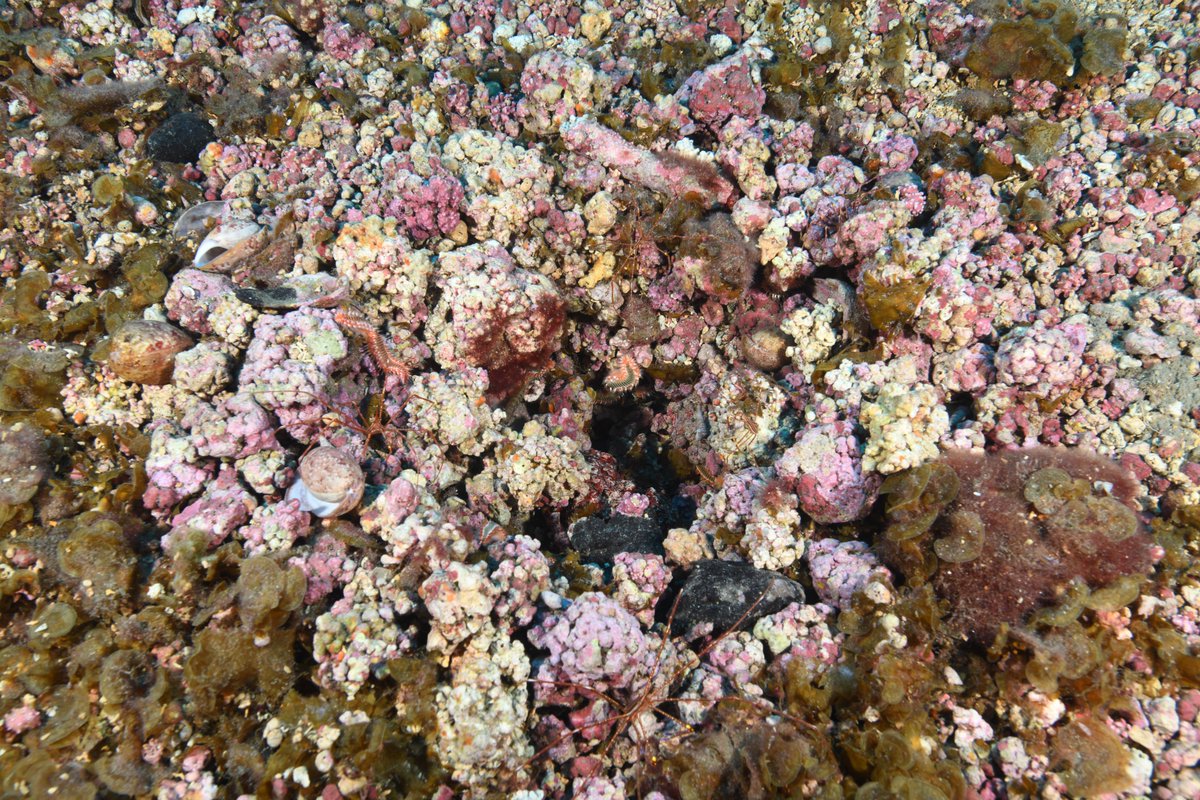
Monday Quiz! How many large (>2.5 cm) mobile invertebrates can you count on this picture of a rhodolith seabed? Rhodolith can retain properties of their structural complexity even after dead, providing important habitat for numerous species #rhodolith@ulpgcresearch @ECOAQUA_IU
Beautiful rhodolith collections from our recent campaigns across the Canarian archipelago. Setting them ready for genetic analysis to understand their composition, identity, phylogeographic and biogeographic relationships #rhodolithseabeds@ulpgcresearch @ECOAQUA_IU @vpenafreire
Did you know that, despite needing light photosynthesis, rhodolith can be found in deep, low-light, mesophotic environments? Just like this one at 50 m depth thanks to our ROV @ulpgcresearch @ECOAQUA_IU @AgEInves#ecology#research
@PelegOhad@ulpgcresearch @ECOAQUA_IU This was collected at 20 m depth, but we know that the rhodolith seabed at this location extends at least to 100 m depth, and we have dispersed rhodolith at 10 m too!
What´s the biggest rhodolith reported? To our knowledge, 17 cm. We were close to surpassed this in our last campaign with this beauty. Certainly, the biggest one we know of for the Canarian archipelago @ulpgcresearch @ECOAQUA_IU #rhodolith
Habitat-forming organisms such as rhodolith seabeds can facilitate the colonization and proliferation of associated biota, a phenomenon termed ´habitat cascades’. Here, a clear example of a rhodolith seabed at Fuerteventura Island (Canary Islands), at 20 m depth #rhodolithscience
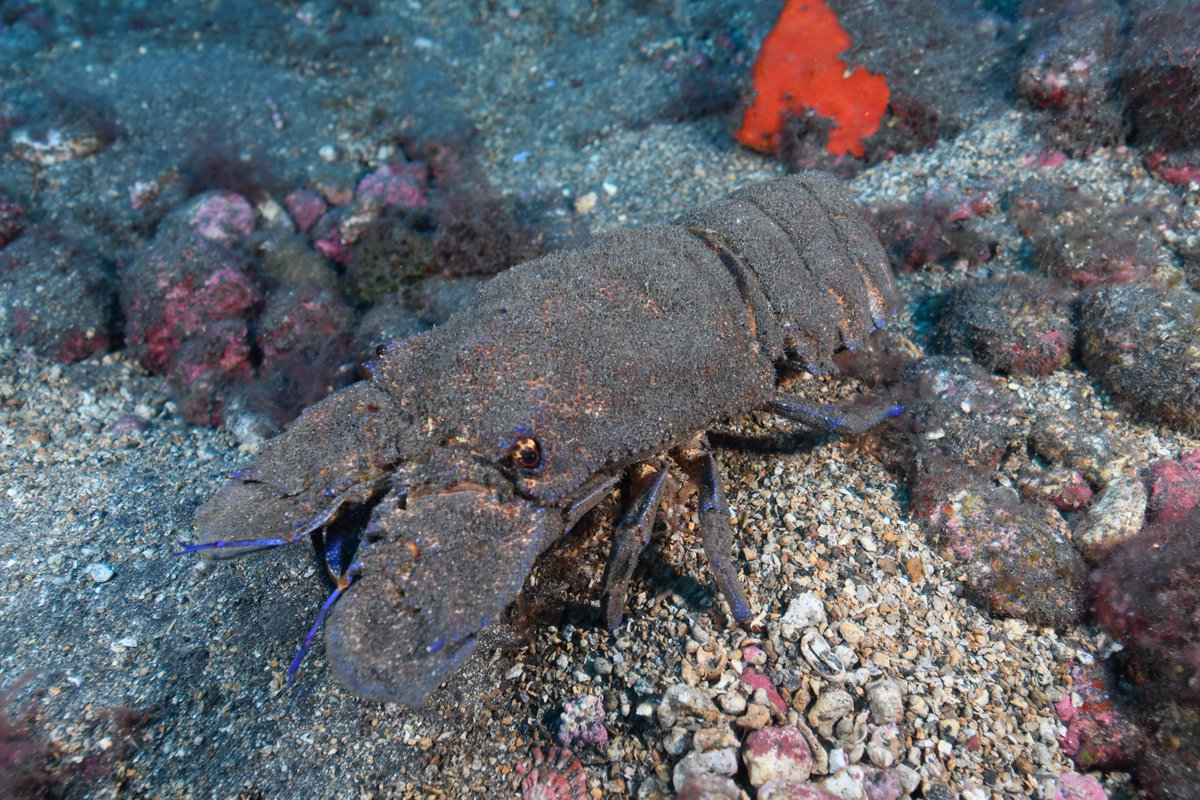
Rhodolith beds provide habitat for numerous associated mobile macroinvertebrates. Here a sighting of an Atlantic slipper lobster (Scyllarides latus) at 40 m depth in our last sampling campaign in La Palma island (Canary Islands) #rhodolithscience@ulpgcresearch @ECOAQUA_IU
Rhodolith ‘beds’ – globally understudied and relatively unknown compared to other coastal habitats
Funded by @AgEInves POPCORN project aims to bridge knowledge gaps in and around rhodolith seabeds across an oceanic archipelago
@ECOAQUA_IU @ulpgcresearch