"Currently, Michigan lodging businesses can not opt out of mandatory fees for at least 47 of the local tourism bureaus. Despite paying the fees, very few of the small operators are then able to get a seat on the bureaus’ boards."
Read about our new report at @thecentersquare ⬇️
https://t.co/iAQ99ugxCd
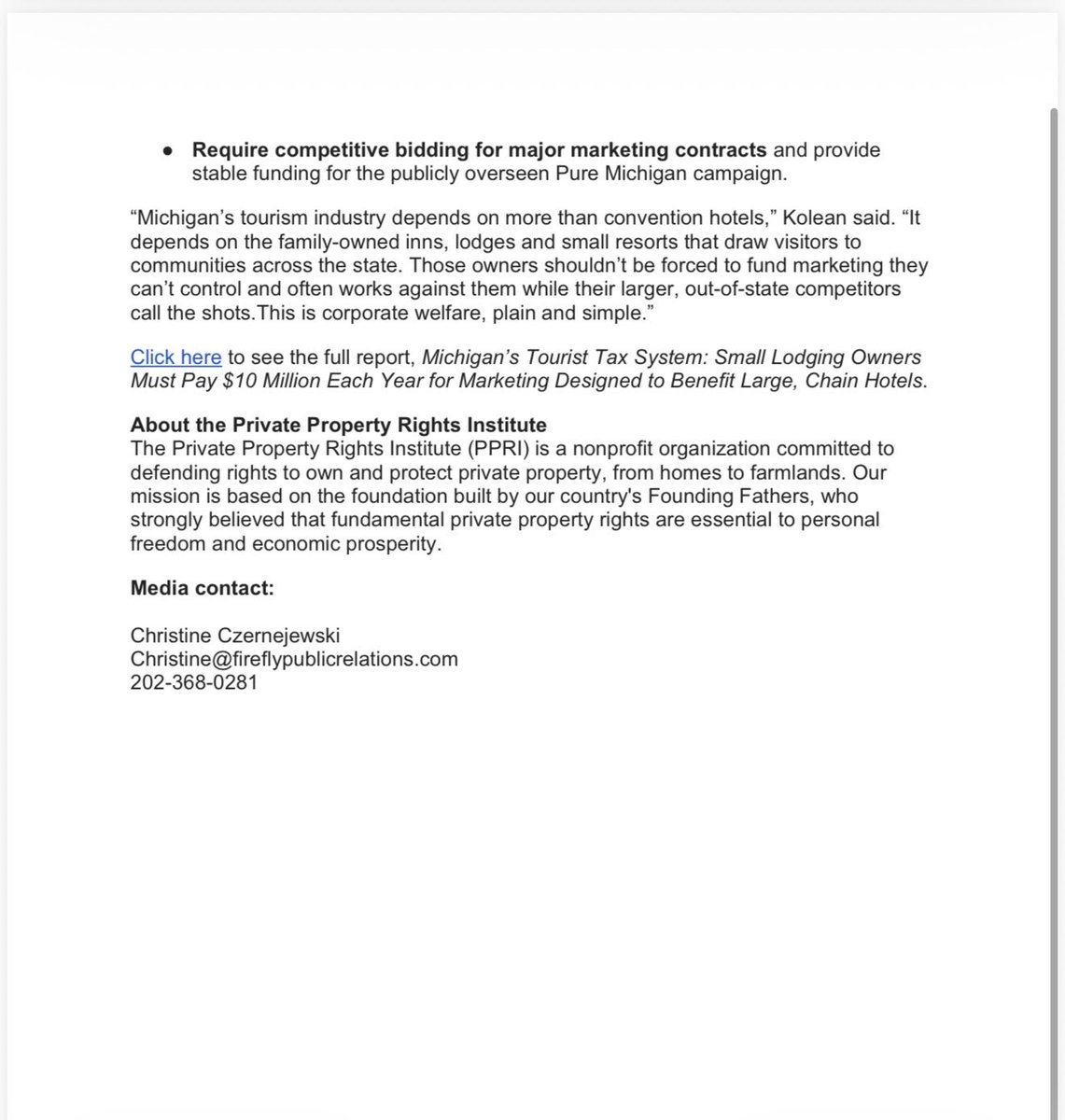
The Michigan CVB structure is “corporate welfare”.
Check out PPRI President @charliekolean’s interview on The Steve Gruber Show covering how we can protect the property rights of Michigan small business hoteliers.
Michigan has at least 47 CVBs funded by mandatory hotel assessments.
But at the five largest bureaus, small independent properties hold just 3–4 of at least 25 lodging-industry board seats—and votes can be weighted by room count.
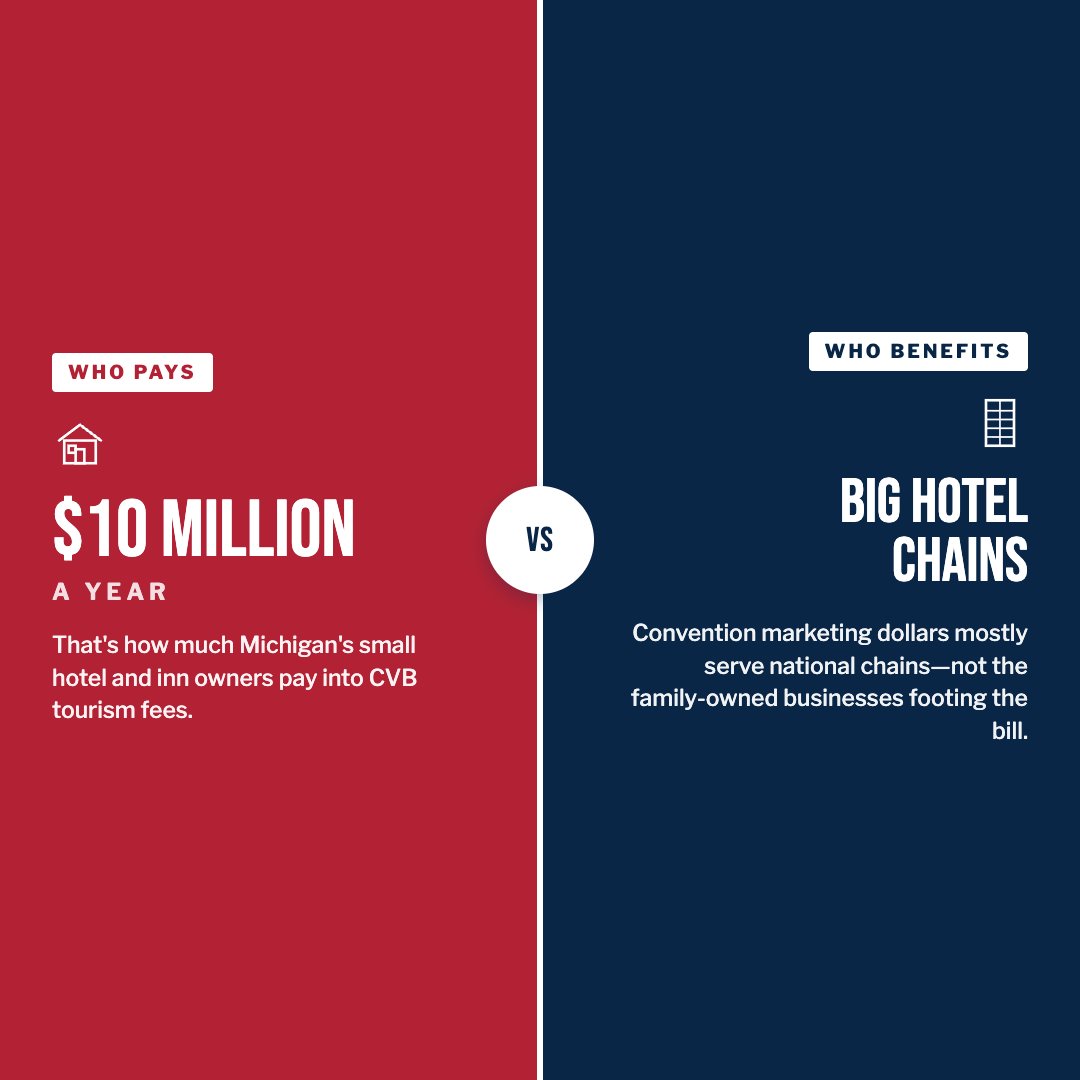
Small hotels pay in, big hotels call the shots.
Michigan's small hotels & inns are forced to pay an estimated $10 MILLION a year in CVB fees.
Where does it go?
Convention marketing that primarily benefits big, out-of-state hotel chains — not the mom-and-pop property footing the bill.
Small Michigan lodging businesses pay up to 5% of every room charge to fund tourism bureaus that disproportionately benefit big hotel chains — And they can't opt out.
@MINewsSource covers PPRI's new report:
What's a CVB — and why does it matter to your property rights?
Michigan requires small hotels & inns to collect a mandatory tourism fee for their local Convention & Visitors Bureau. Most get almost no say in how it's spent...
Read the article below ⬇️
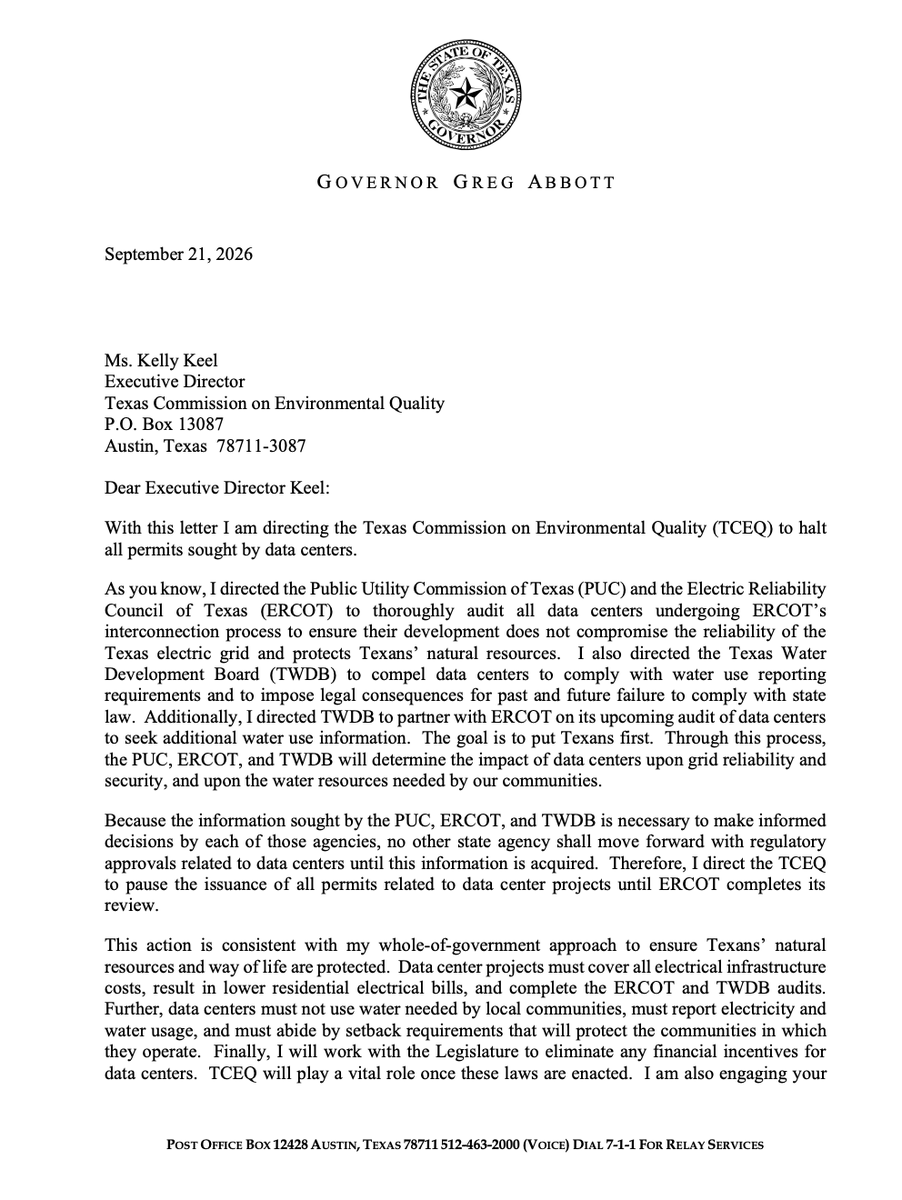
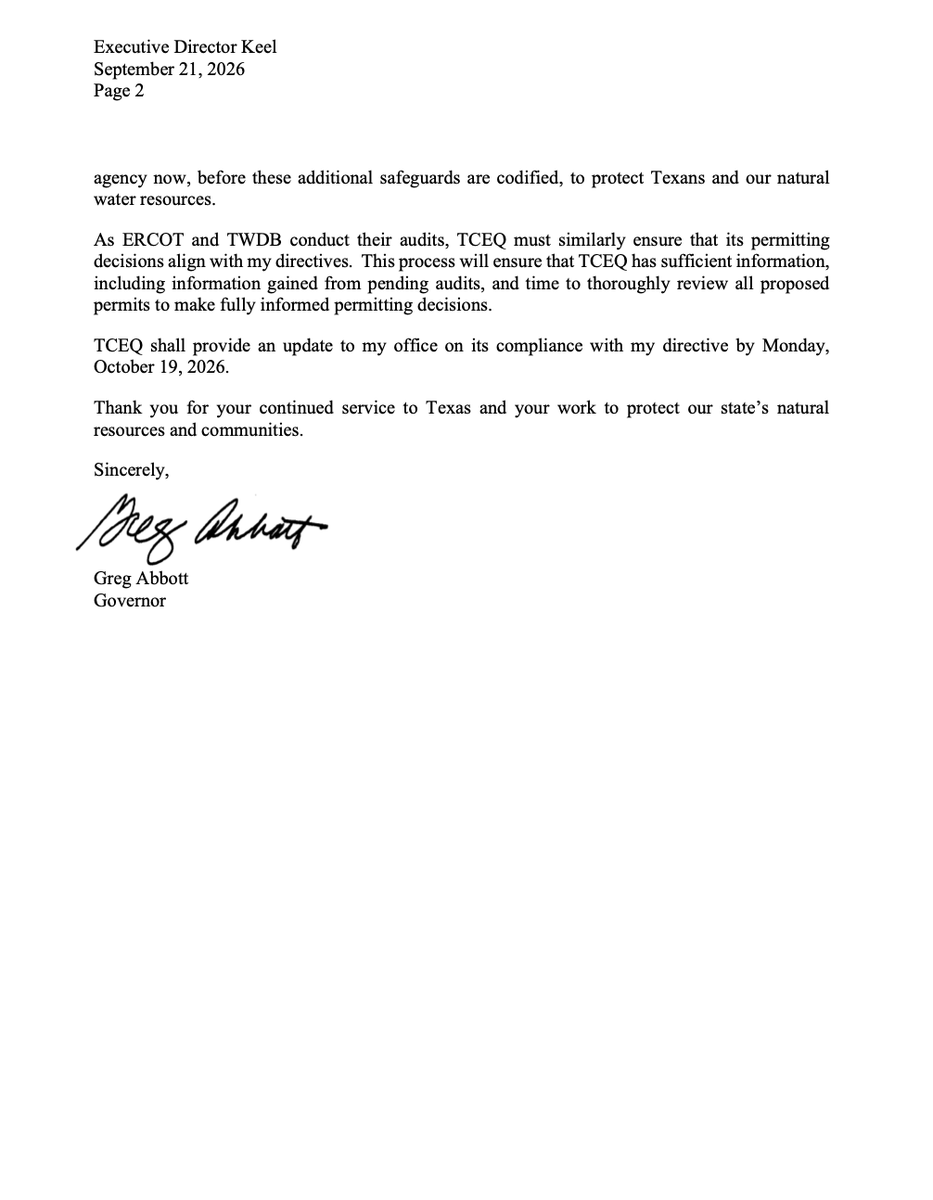
A permit freeze is still a freeze. Texans have a right to develop their own land — an ERCOT audit can't become an open-ended moratorium that leaves projects and property owners in limbo. Time-limit it, make it transparent, and let it end.
We’re excited to share our latest research report examining Michigan’s Convention and Visitors Bureau tax system.
Our research estimates that small and independent hotel operators are required to contribute more than $10 million annually to a system that disproportionately benefits larger hotel operators.
When government imposes assessments on property owners and businesses, policymakers should ensure the system is transparent, accountable, and provides equitable benefits to those being required to fund it.
Our report takes a closer look at Michigan’s current system, who is paying into it, and who ultimately benefits.
Property rights do not belong only to those who oppose development. Landowners who freely choose to sell their property should not lose that right simply because others object to the buyer or its proposed use. Read the article below.
https://t.co/yPV8cyYa1F
@MillerForTexas is a threat to Texas private property rights. We're launching a campaign to keep Texas a place where property is protected, free markets prosper, and government stays in its lane. Join us.