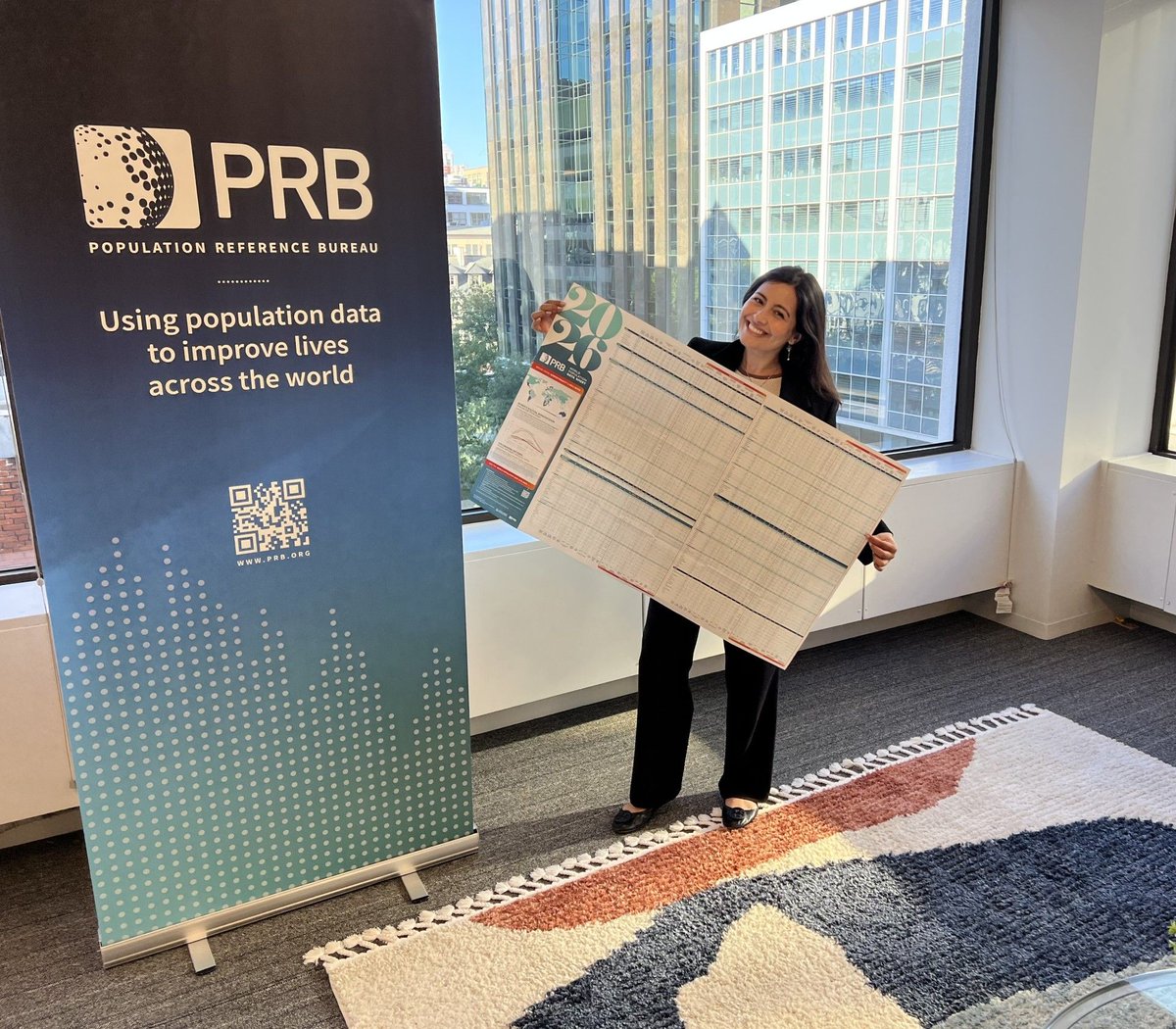
This Friday: PRB CEO @JenniferSciubba joins a @JohnsHopkins convening on demography & planetary health to talk about communicating population trends to audiences outside the field, with @borenbears of @AP and moderator @sdesmon.
Agenda: https://t.co/gc2cmJiORf
📢 📰 PRB in the News: @Deseret explores what our 2026 World Population Data Sheet reveals about a world that is aging yet still growing—and why countries with similar fertility rates can be on very different paths. https://t.co/EpI2w1FDbd
On Oct. 27, PRB's @marksmather joins a panel at @BPC_Bipartisan and @NatlGovsAssoc's American Opportunity Project event to discuss America's demographic challenge, near and long term, and what it means for the fiscal outlook. Join in DC or online: https://t.co/NRycgrE2gM
A rural Maine hospital closed its labor & delivery unit. 29 days later, a woman arrived with a prolapsed umbilical cord, and the nearest delivery hospital was 45 miles away.
Falling births don’t mean falling need for emergency care. New from @rachelyavs. https://t.co/i1o147uCMb
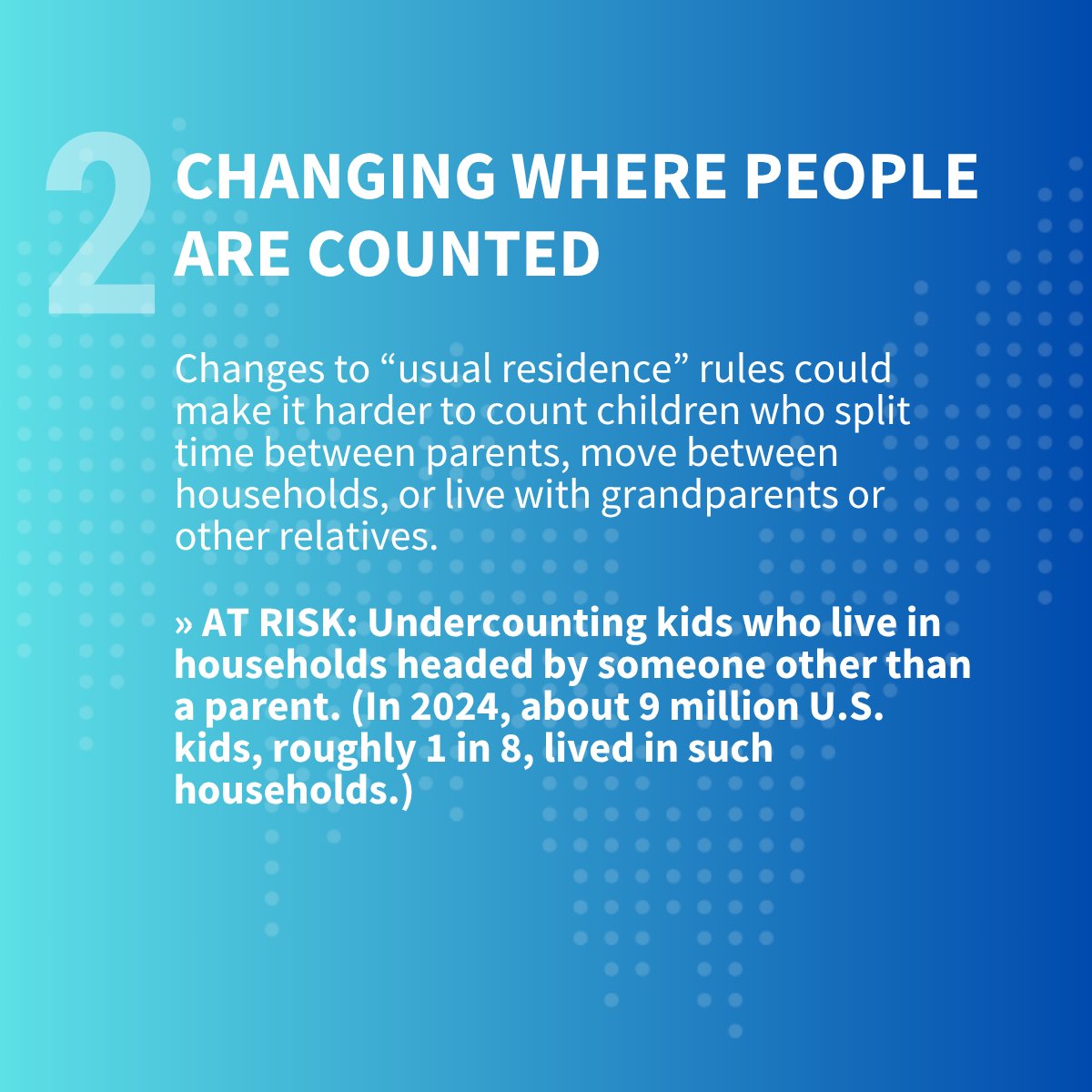
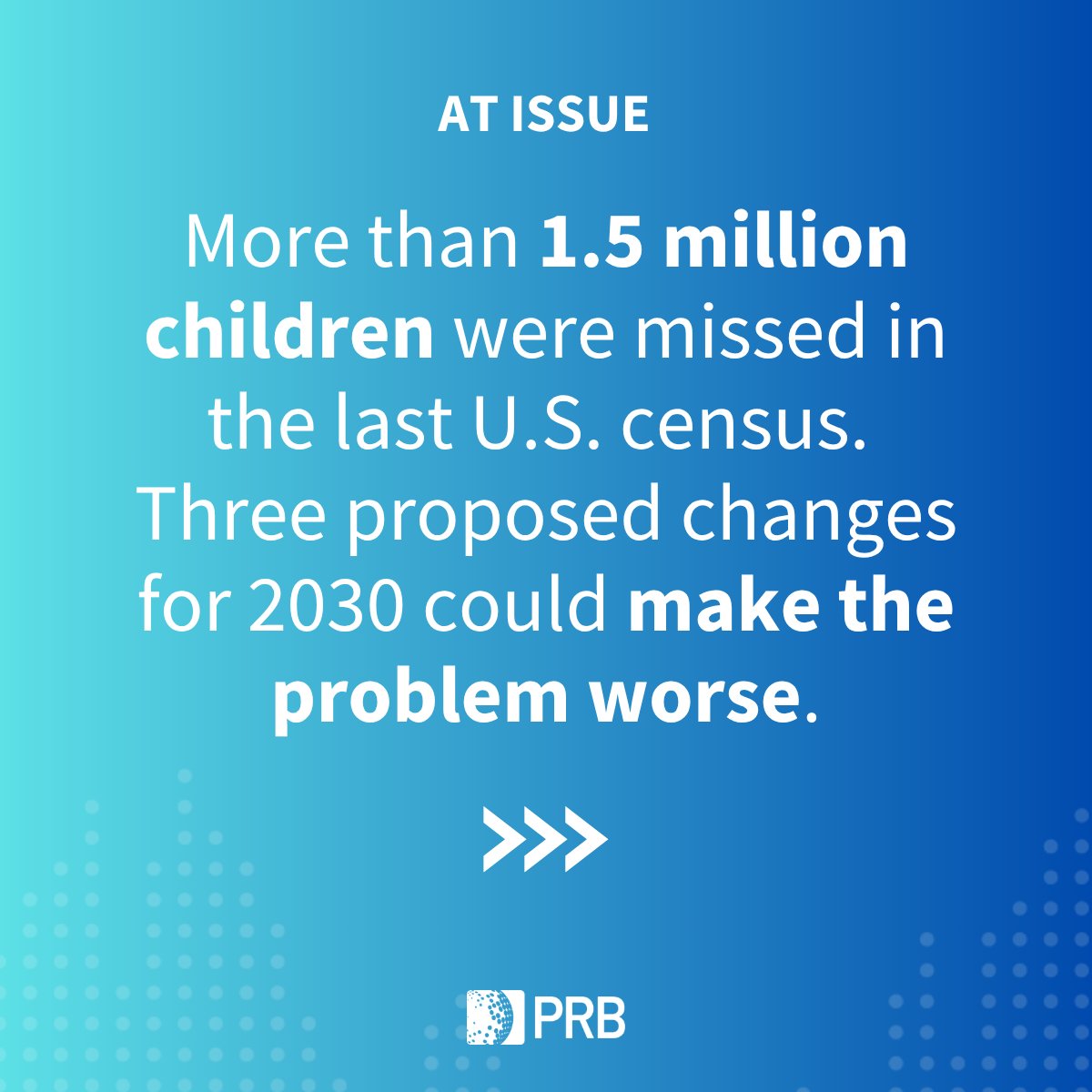
More than 1.5 million kids were missed in the 2020 Census. Three proposed changes for 2030 could make it worse, affecting funding and representation for a decade.
PRB’s @MarkSMather explains what’s at stake: https://t.co/g5Sx9X9BUv
#Census2030
Demographic trends aren’t inherently good or bad. On “Humans,” @hankgreen and PRB CEO @JenniferSciubba explore what a smaller future could look like, and why it calls for curiosity instead of alarm. 🎧
Worth a listen: https://t.co/Bsn7DzQe5Q
🗓️ How might concern about fertility decline affect #SRHR?
Join @PRBdata, @EngenderHealth & @FP2030Global on Oct 22. for a closed-door briefing on new findings from Africa, Eastern Europe, Central Asia, Asia & the Pacific.
🔗 Register: https://t.co/Zbc7b7UF7g
Learn more and donate: https://t.co/k29hAKv641*
*Under IRS guidelines, the estimated value of the printed 2026 and 1962 Data Sheets is not substantial, so the full amount of your contribution is tax-deductible.
PRB works to anchor important conversations in data. For six decades, our World Population Data Sheet has been one of the most visible ways we do that, putting reliable population data in the hands of educators, students, and others around the globe. 🌍🧵
Your support makes that possible. For a limited time, give $200+ and we'll send you a printed copy of the 2026 Data Sheet as a thank-you.
Give $500+ and you'll also receive a copy of the inaugural 1962 edition, a piece of PRB history. 📊
Last week was a big week at PRB: our Board of Trustees met in DC to dig into what's worked this year, what we've learned, and how we keep population data at the center of decisions that matter.
Plus a new trustee, two farewells, and some trick-or-treating 🎃 🍬
The World Population Data Sheet is back! 🌍 Join PRB's experts Oct. 27 at 10 AM ET to explore key findings from the 2026 edition, including a special focus on gender equality and well-being. Register: https://t.co/fjtsOcuWsa
▶️ Watch: PRB Senior Fellow Apoorva Jadhav on @the_hindu on how city design affects women's paid work in India.
"When a city doesn't provide piped water, childcare, sanitation, nearby health services—that work doesn't go away. It falls on the women." https://t.co/ZdSPkK2iqP
🔗 Learn more at https://t.co/k29hAKv641*
*Per IRS guidelines, the printed copies have no substantial value, so your full contribution is tax-deductible.
🗺️ When funding for the World Population Data Sheet was abruptly cut last year, something remarkable happened: teachers, researchers, and policymakers around the world shared what it meant to their work. 🧵
If the Data Sheet has mattered to your work, you can help keep it alive:
📘 Give $200+ → get a printed 2026 copy*
📜 Give $500+ → also get a copy of the inaugural 1962 edition*
On the heels of #WorldContraceptionDay, our State of Access scorecard shows just 6 states (IL, MD, NJ, NY, OR, WA) require insurers to cover OTC contraceptives without a prescription. 38 states + DC have no relevant policies. See where your state stands: https://t.co/TTRc0Q80xS
💡 🌍 🧠 Happy #TestYourKnowledge Thursday! Today's quiz comes from our new World Population Data Sheet. Make your best guess below!
Q: By 2050, which of the following is projected to become the world’s 3rd most-populous country—unseating the US—with 404.7 million people?
🌍 The world is aging, but not at the same pace. Our 2026 World Population Data Sheet shows just how differently regions are moving through this demographic transition:
🌱 Sub-Saharan Africa—world's youngest region—40% under age 15
🌻 Southern Europe—oldest region—23% ages 65+