Première pour PRISME/SALAM : notre 1er article en français publié sur le site 🎉 Non-prolifération à la carte, coercition contre-productive, techno-nationalisme : Elbahtimy éclaire le « désordre nucléaire » au Moyen-Orient. https://t.co/yTcGHTmITr D’autres textes suivront!
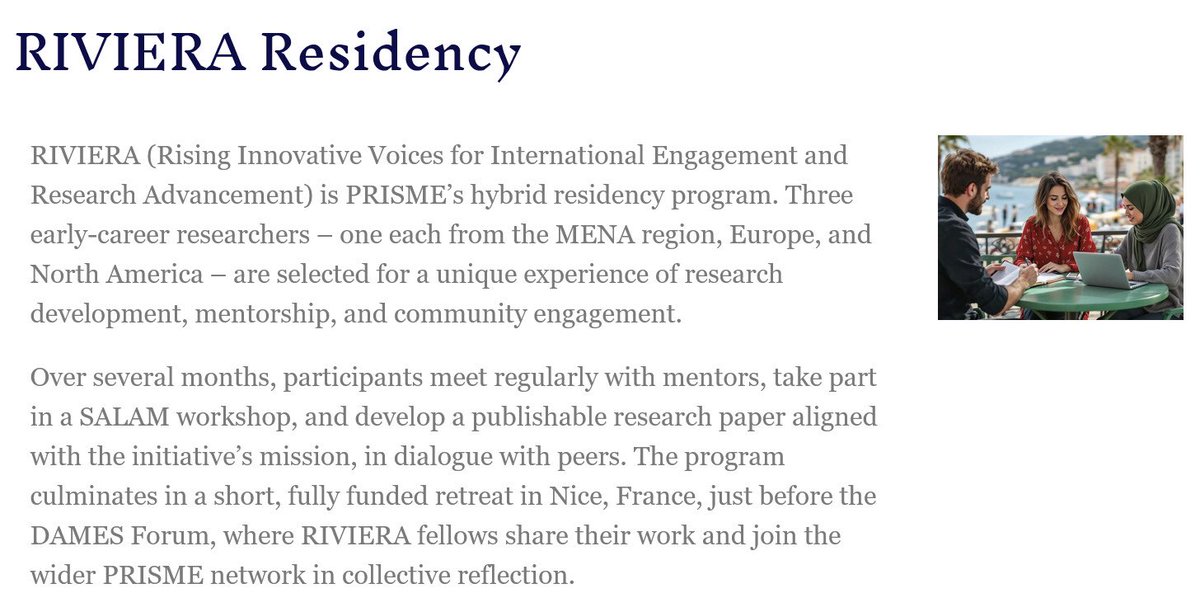
🚨 Now open: applications for PRISME’s 2026 RIVIERA Program!
🌿 Theme: Ecological (In)Securities in & with the Middle East
🎓 Mentoring + publication + fully funded retreat in Nice
🗓️ Deadline: Dec 21, 2025
📄 Apply: https://t.co/aPaRituyGt
The strikes on Iran’s nuclear sites reinforced the need for institutionalized crisis management & cross-border nuclear governance.
In a memo for @PRISMEorg I outline a pragmatic framework for nuclear diplomacy between Iran, Saudi Arabia, & the UAE with feasible entry points for engagement.
https://t.co/3Yza8mgfRW
In a fragile, interconnected #Gulf, nuclear escalation could mean ecological catastrophe. In his insightful #SALAM paper, @MehranHaghirian outlines cooperative solutions: joint safety protocols, shared R&D, environmental monitoring, and regional fuel mechanisms. Read here:
After June 2025 strikes on Iran’s nuclear sites, Gulf nuclear diplomacy is at a crossroads. Can shared risks become a foundation for cooperation? Mehran Haghirian explores these issues in latest #SALAM paper https://t.co/eMZj7QT8eZ @MehranHaghirian#GulfSecurity#NuclearDiplomacy
Some key insights: “The most pragmatic path forward is one of segmented reciprocity (…) + “As highlighted in the broader #SALAM memo series, decentering the West’s securitized framing and enabling inclusive diplomacy is essential for long-term stability”
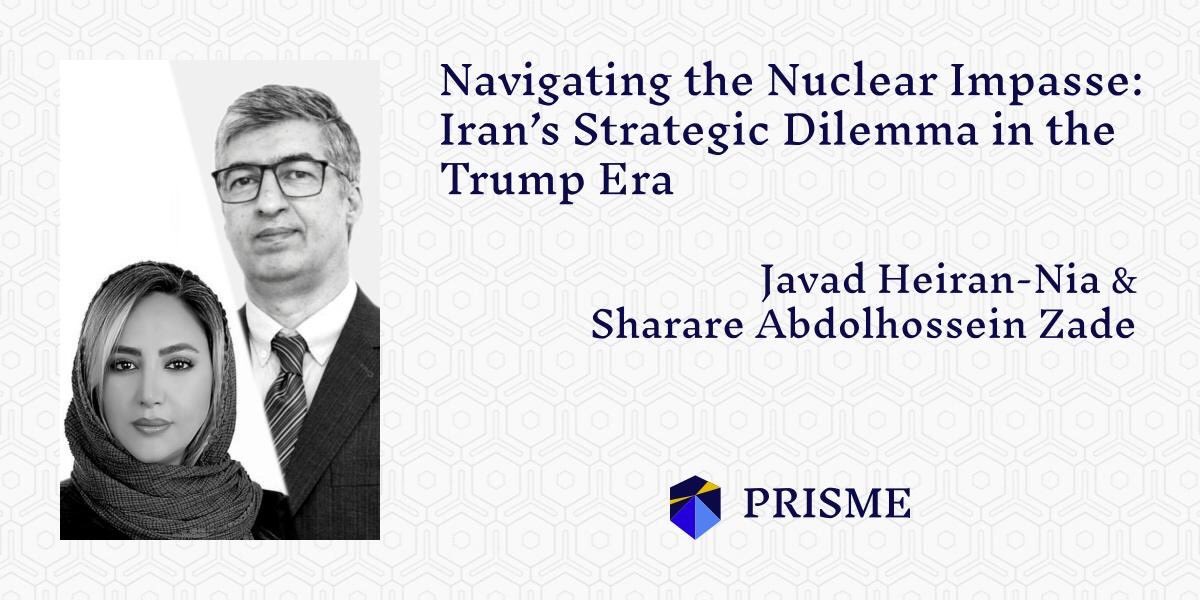
Iran’s nuclear strategy is shaped by mistrust, military threats & shifting alliances. In this new SALAM memo, Javad Heiran-Nia & Sharare Abdolhossein Zade argue: diplomacy must come first—before the spiral becomes irreversible. Read here: https://t.co/aCxK5MwzGh @J_Heirannia
“The window for diplomacy narrowed, if not slammed shut. The memo revisits Iran’s strategic calculus at the time of Muscat talks and considers how rapidly evolving regional & global landscape, incl renewed threats of force, is reshaping Tehran’s nuclear options—and Washington’s.”
Iran’s nuclear strategy is shaped by mistrust, military threats & shifting alliances. In this new SALAM memo, Javad Heiran-Nia & Sharare Abdolhossein Zade argue: diplomacy must come first—before the spiral becomes irreversible. Read here: https://t.co/aCxK5MwzGh @J_Heirannia
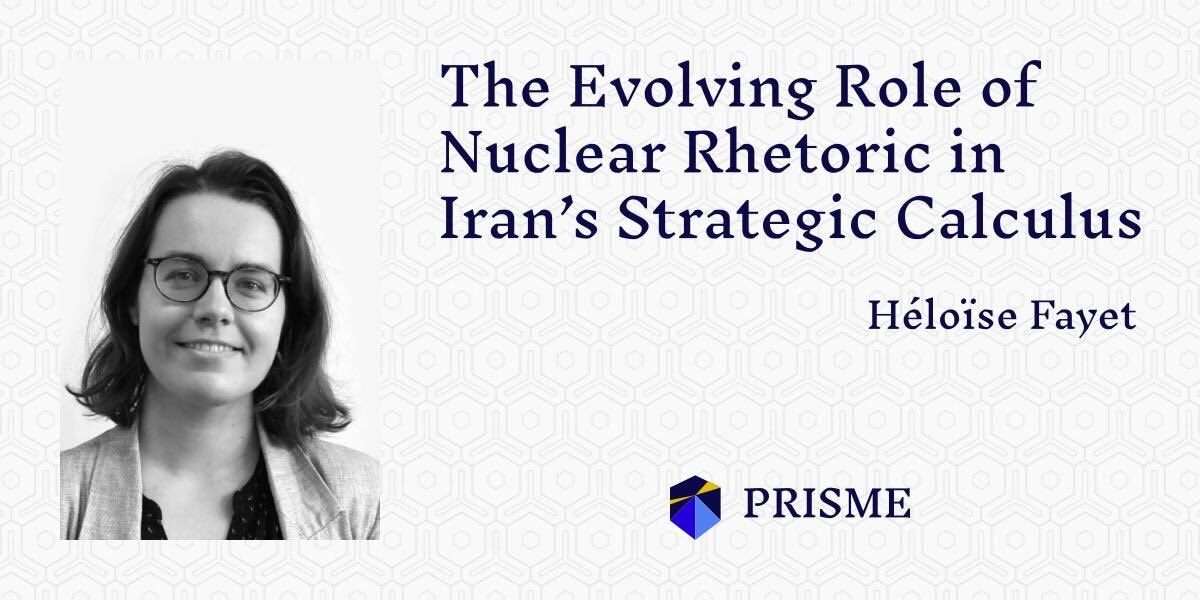
Recent framing of Iran as a threat to Europe despite limited missile range & lack of hostility reflects partial alignment w/ US policy incl. in parallel leniency toward Israel which damages credibility on international stage & accelerates erosion of global norms, @HFayet argues
Héloïse Fayet unpacks Iran’s evolving nuclear rhetoric, reflecting deep strategic recalibration “in response to erosion of its conventional deterrence, heightened regional insecurity, & perceived failure of international non-proliferation regime” @HFayet https://t.co/jwUqjT4eap
A very insightful piece! “The rhetorical shift is both a signal to adversaries and a form of performative deterrence that mirrors escalation observed elsewhere, notably in nuclear-armed states.”
Héloïse Fayet unpacks Iran’s evolving nuclear rhetoric, reflecting deep strategic recalibration “in response to erosion of its conventional deterrence, heightened regional insecurity, & perceived failure of international non-proliferation regime” @HFayet https://t.co/jwUqjT4eap
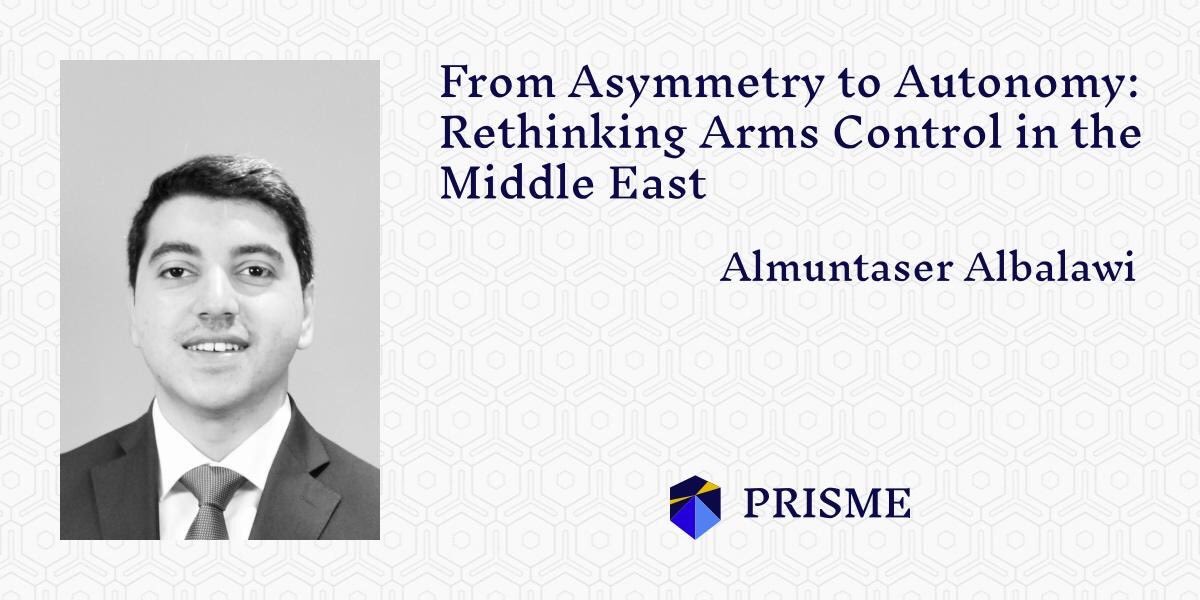
Almuntaser Albalawi also argues for broader regional engagement: “Gulf Arab states—particularly since the rapprochement with Iran—have both the incentives and opportunity to take a more active role in promoting sustainable, regionally owned solutions to nuclear risks” @AlAlbluwi
Arms Control in the #MiddleEast keeps falling short. Why? Is the #nuclear proliferation landscape shifting -and are regional perspectives changing too?
I take a closer look in my latest piece for @PRISMEorg.
Grateful to @esoubrier and Coralie Pison Hindawi for their input.
New #SALAM memo by Almuntaser Albalawi: From Asymmetry to Autonomy → a powerful rethink of Middle East arms control, spotlighting reciprocity, inclusivity, agency & normativity across regional nuclear politics. #NonProliferation#MiddleEast https://t.co/u4CMxr9vQS
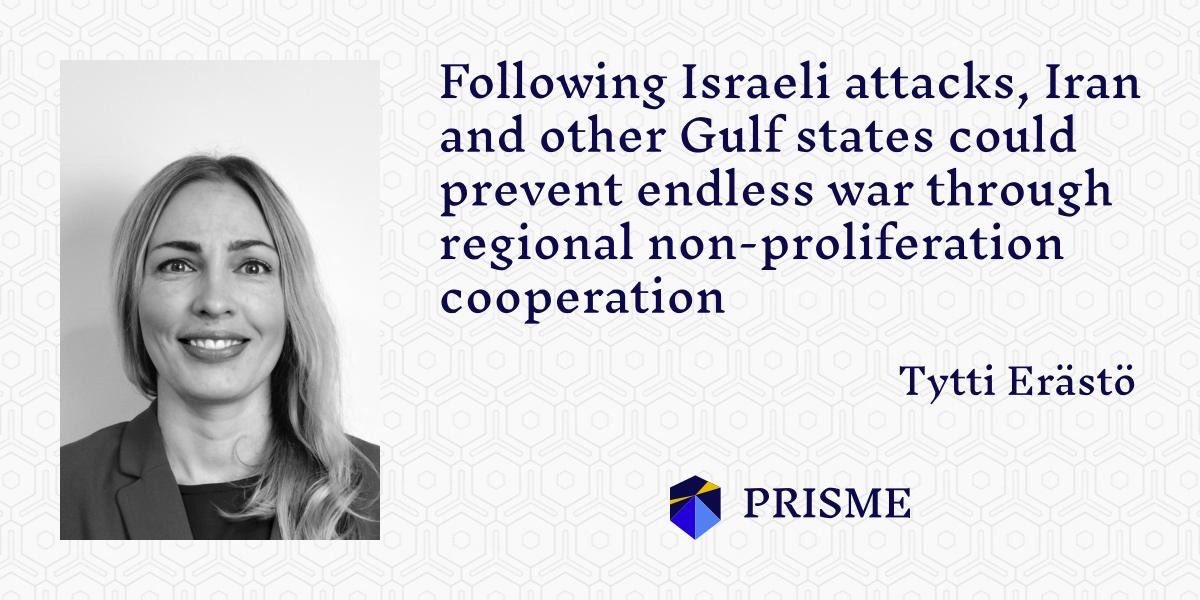
When international law is sidelined and great powers only escalate, accelerating norm erosion, regional actors face a choice: wait and react, or lead and reshape the game. @TyttiErasto latest SALAM memo urges the latter, with a plan grounded in realism and #restraint 👇 @SIPRIorg
Israel’s 13 June strikes on Iran show how coercive counter-proliferation can spiral into endless war. Tytti Erästö’s new #SALAM memo maps a different path: Gulf-led regional non-proliferation cooperation.
https://t.co/IruYB1eacv @TyttiErasto@SIPRIorg
As U.S. support to Israel accelerates, systematically violating international law and pushing diplomacy to the brink, what if Iran and Gulf Arab states refused to be held hostage by global power games, and started setting their own norms and rules?
Israel’s 13 June strikes on Iran show how coercive counter-proliferation can spiral into endless war. Tytti Erästö’s new #SALAM memo maps a different path: Gulf-led regional non-proliferation cooperation.
https://t.co/IruYB1eacv @TyttiErasto@SIPRIorg
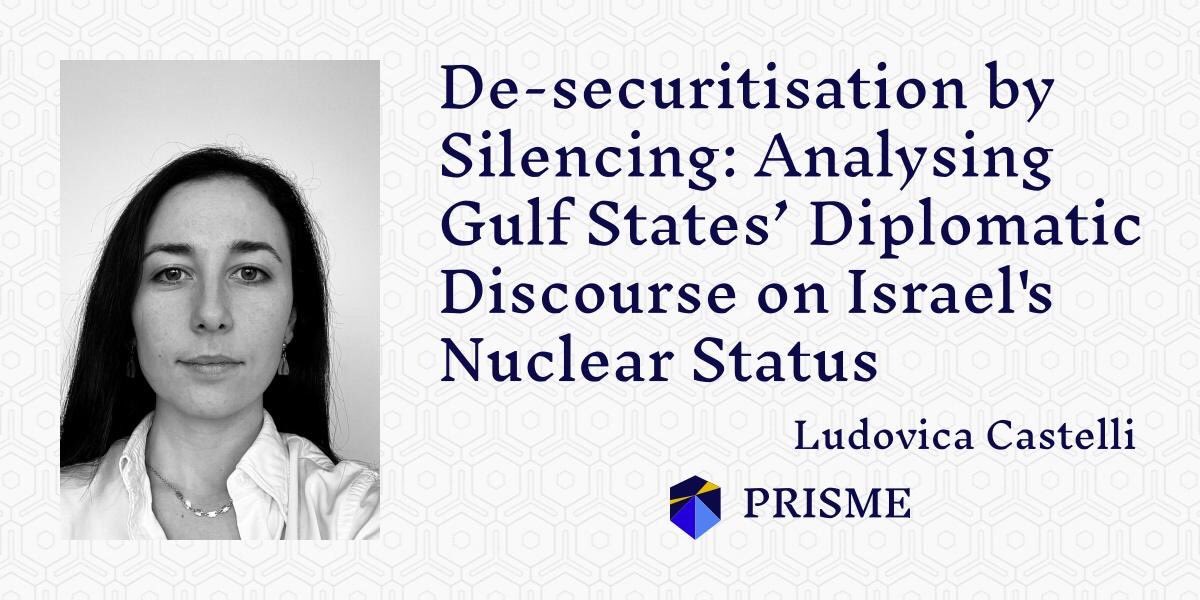
Selective silence is a powerful tool. Ludovica Castelli reveals how Gulf states’ diplomacy avoids the “Israel nuclear” question—shielding opacity, enabling asymmetry. This is more than rhetoric. It contributes to shaping regional order. @LudovicaCastel5 https://t.co/ftG3JFwv9C
Why have Gulf states fallen increasingly silent on Israel’s nuclear arsenal—even as they have decried proliferation elsewhere?
Ludovica Castelli’s sharp memo explores this strategic ambiguity, where opacity is tolerated or even rewarded and diplomacy becomes tacit complicity.