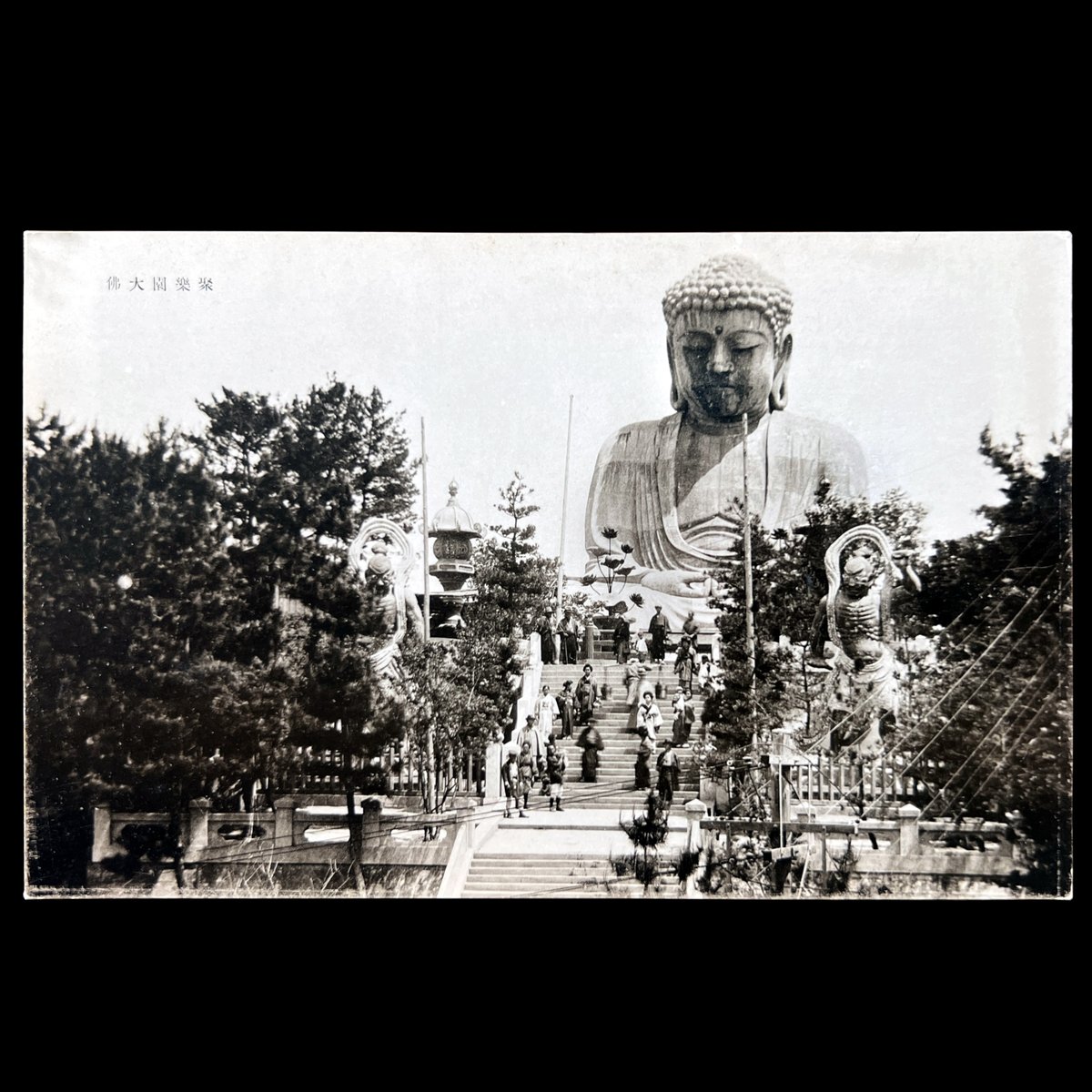
Decades before Godzilla, the 1934 "monster" film, The Great Buddha Arrival, featured a costumed actor as a giant Buddha roaming through a miniature city.
The figure was based on the recently completed Shūrakuen Daibutsu, a colossal statue erected in 1927 near Nagoya. 🧵
#Japan #聚楽園大仏
By the 1880s, Chinese American temples were sufficiently familiar to the public imagination to serve as an effective visual basis for political satire.
Yet, however, the imagery was often not rooted in ethnographic realism; it remained a caricature of Western fantasy. 🧵
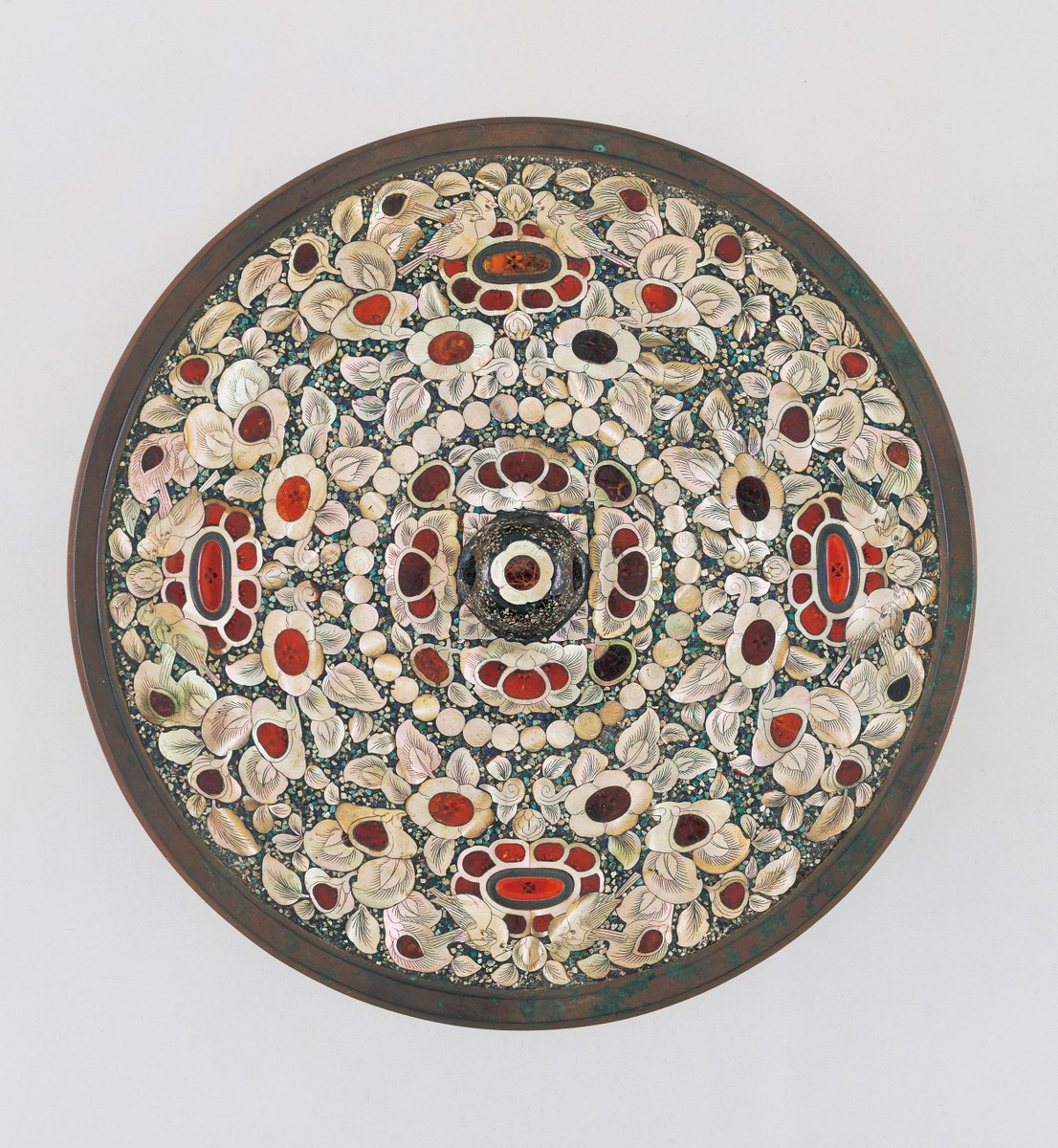
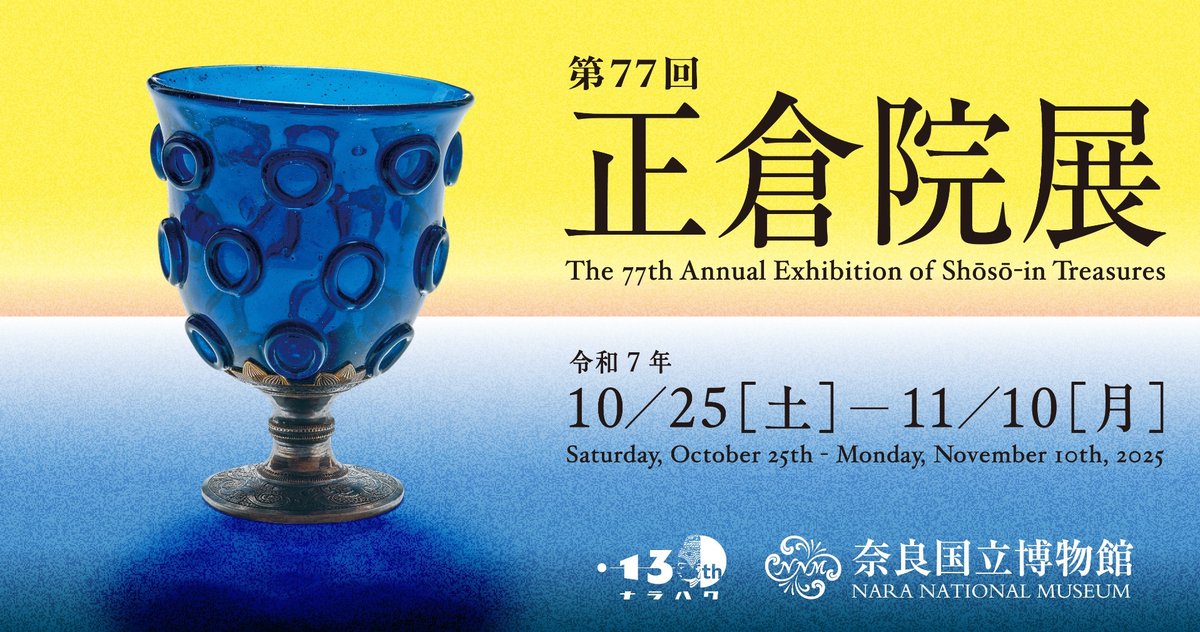
"These objects were created with precious materials using highly sophisticated techniques...Among them are exotic items such as the Red Sandalwood Sugoroku Board...; the exquisite Blue Glass Cup...and the famous Aloeswood Incense..."Ranjatai." 👀
https://t.co/qtjGKE2m5X
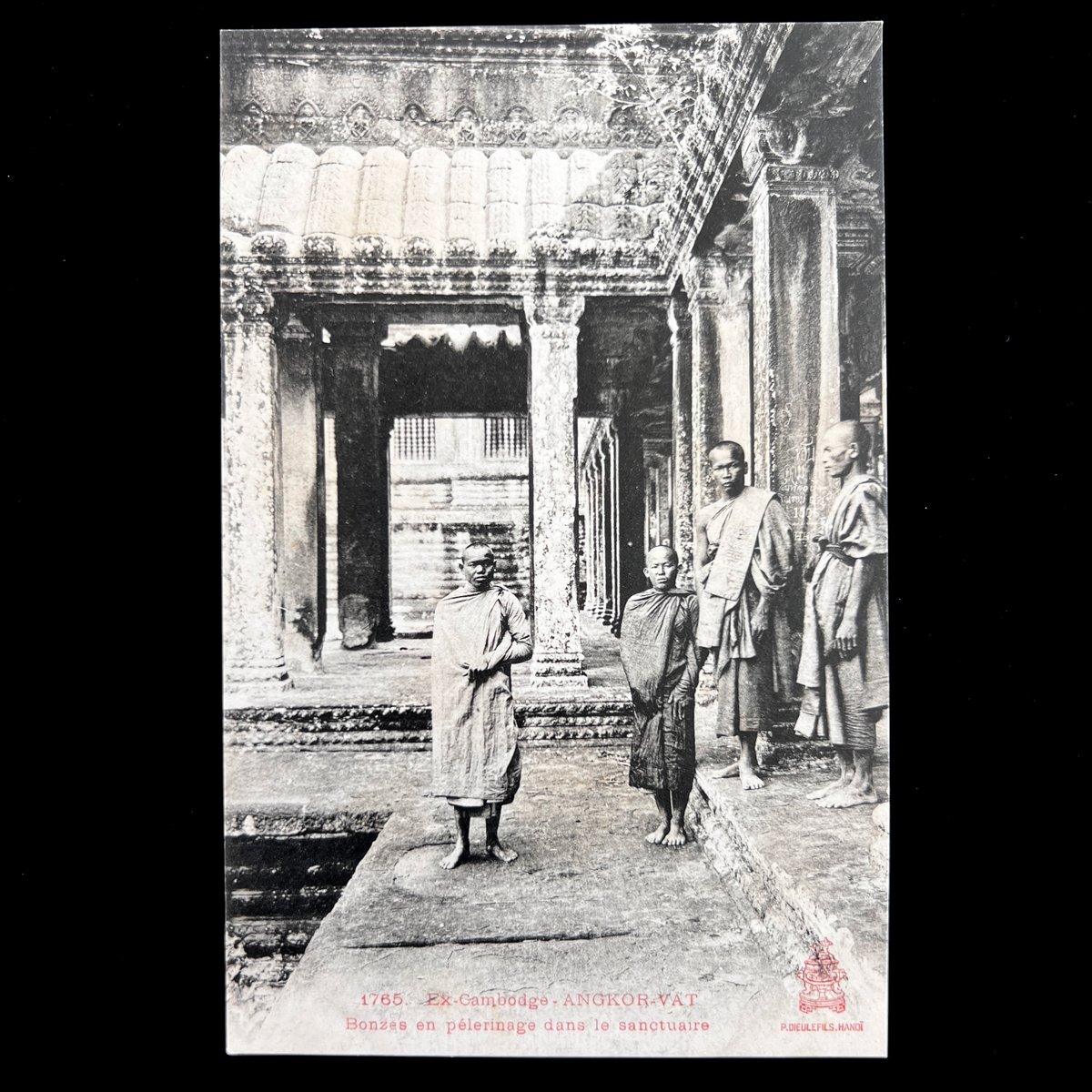
Given countless images showing the architectural grandeur of Angkor Wat, it’s easy to forget it was once an important religious site - not just a tourist destination.
Here we see a photo by Pierre Dieulefils from 1905 showing “Buddhist monks on pilgrimage” to the sacred site. 🧵
In 2025, seven of the top ten tallest freestanding statues in the world are Buddhist figures (as well as 31 of the top 50).
The colossal size of Buddhist statuary is nothing new; foreign travelers in Asia have often noted this fact, as we see in this postcard message from 1906. 🧵
#newpost! Maddalena Poli introduces the Dunhuang Culture Database, an online repository of books, scans, images, and videos that can complement the well-known International Dunhuang Project.
Link in bio
#敦煌文化#敦煌文獻#DHtools
The Taiyū-in Shrine, in idyllic Nikko, is the final resting place of shōgun Tokugawa Iemitsu, one of the "Great Unifiers" of Japan.
The compound is punctuated by several ornate gate houses, including the one here known as Yashamon for the Buddhist guardian figures protecting it. 🧵
At 55 meters (180 ft) long and 16 meters (52 ft) high at the shoulder, the Shwethalyaung Buddha is among the largest reclining buddha statues ever constructed.
Made of brick and stucco, it is believed to have been built in the late tenth century under the patronage of a local king. 2/5
Aloha Wanderwell, the first woman to drive around the globe, stops at the Hyōgo Daibutsu in Kobe, Japan, in 1924. Her Ford 1918 Model T is parked in front of the statue.
@AlohaWanderwell
Nōfuku-ji, a Buddhist temple in the port city of Kobe, Japan, was reportedly founded by the monk Saichō in 805.
A thousand years later, the colossal Hyōgo Daibutsu was built on temple grounds in 1891, but the statue did not survive beyond World War II. 🧵
#WyrdWednesday
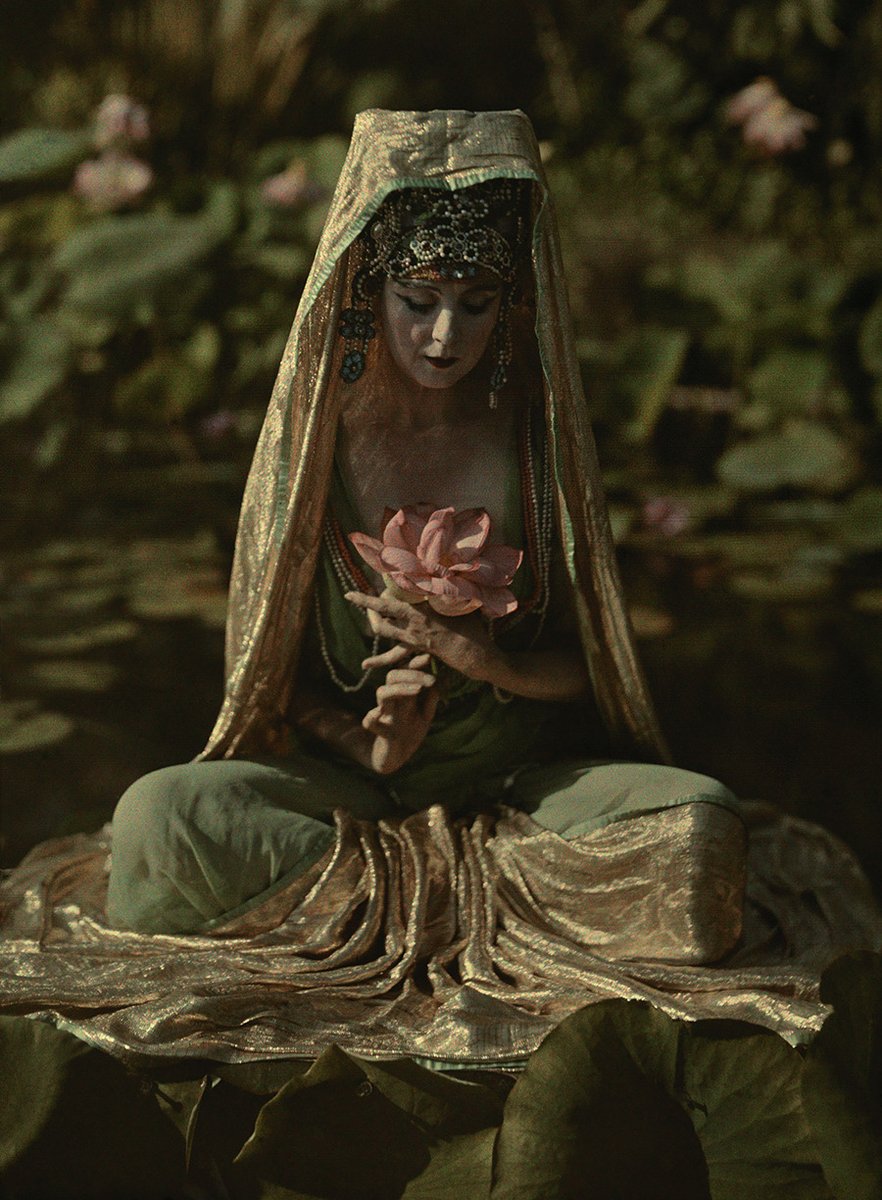
In 1915, Franklin Price Knott took this early color photograph of an unknown woman dressed as the Buddhist bodhisattva Guanyin.
We can now identify this woman as Ruth St. Denis, who was known for her dance performances as Guanyin during this time.