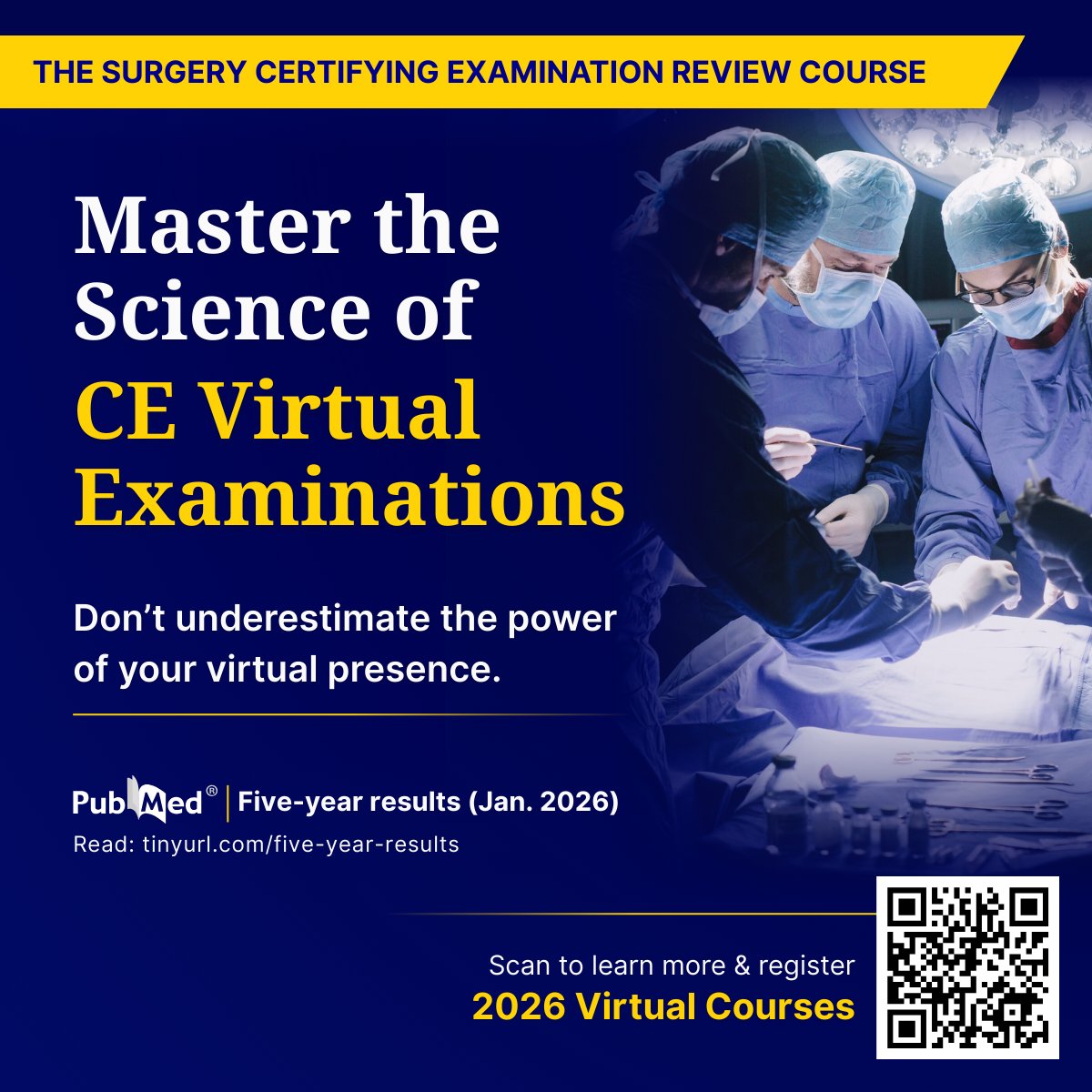
Yes, virtual communication through Voice‑over‑Internet‑Protocol (VoIP) platforms has become integral to clinical care, education, and professional collaboration. Yet, the skills required for effective virtual presence are not fully reflected in current communication or professionalism competencies. Technological limitations—direct eye contact is impossible, images are restricted to a single coronal‑plane, and reduced activation of social brain systems—affect connection and engagement. Many clinicians are unaware that their own tile often differs from what others see and hear, and factors including lighting, sound quality, latency, and background can significantly alter message delivery and perceived professionalism. Historically, medical training emphasized face‑to‑face communication supported by real‑time visual feedback. In contrast, virtual interactions require clinicians to engage with a camera lens, manage technical variables, and compensate for diminished nonverbal cues—skills not envisioned in earlier competency frameworks. As virtual communication becomes permanent in healthcare, virtual presence should be formally recognized and taught as a core professional competency.
The Surgery Certifying Examination Course LIVE Stowe, VT Sept. 22-24th. https://t.co/Yf8OOlo9XL Multiple practice sessions with experienced Surgeon & PhD faculty. Focus on content and the science of professionalism! #SurgicalResidents Don’t settle for average Zoom skills! #MedEd
Excited to be on my way to Montreal for @SAGES_Updates! Looking forward to seeing my education friends for a panel on teaching tips. @kipsDS2010 @WomenSurgeons