Spring is here 🌱 Before your first application, calibrate your sprayers and spreaders. Proper calibration means better coverage, less waste, and protecting both your wallet and the environment.
https://t.co/F8yjSBuDVA
https://t.co/0hZiplfXel
https://t.co/YGj2ht1p0O
Spring is here and it is time for pre-emergent crabgrass control. Using forsythia as a guide, you have till the last yellow flower falls from forsythia bushes to get your pre-emergent down in time to be effective. Follow the label directions for post app irrigation instructions.
February 23-27 is National Invasive Species Awareness Week. Keep an eye out for invasive species programs offered by agencies like the National Park Service or the National Fish and Wildlife Service. For more information: https://t.co/NVb4oMORFQ
February is National Pesticide Safety Education Month. Most pesticide poisonings can be avoided by following instructions on pesticide labels and keeping pesticides – and other toxic materials – out of reach of children. For more information: https://t.co/S4v0PEiOvP
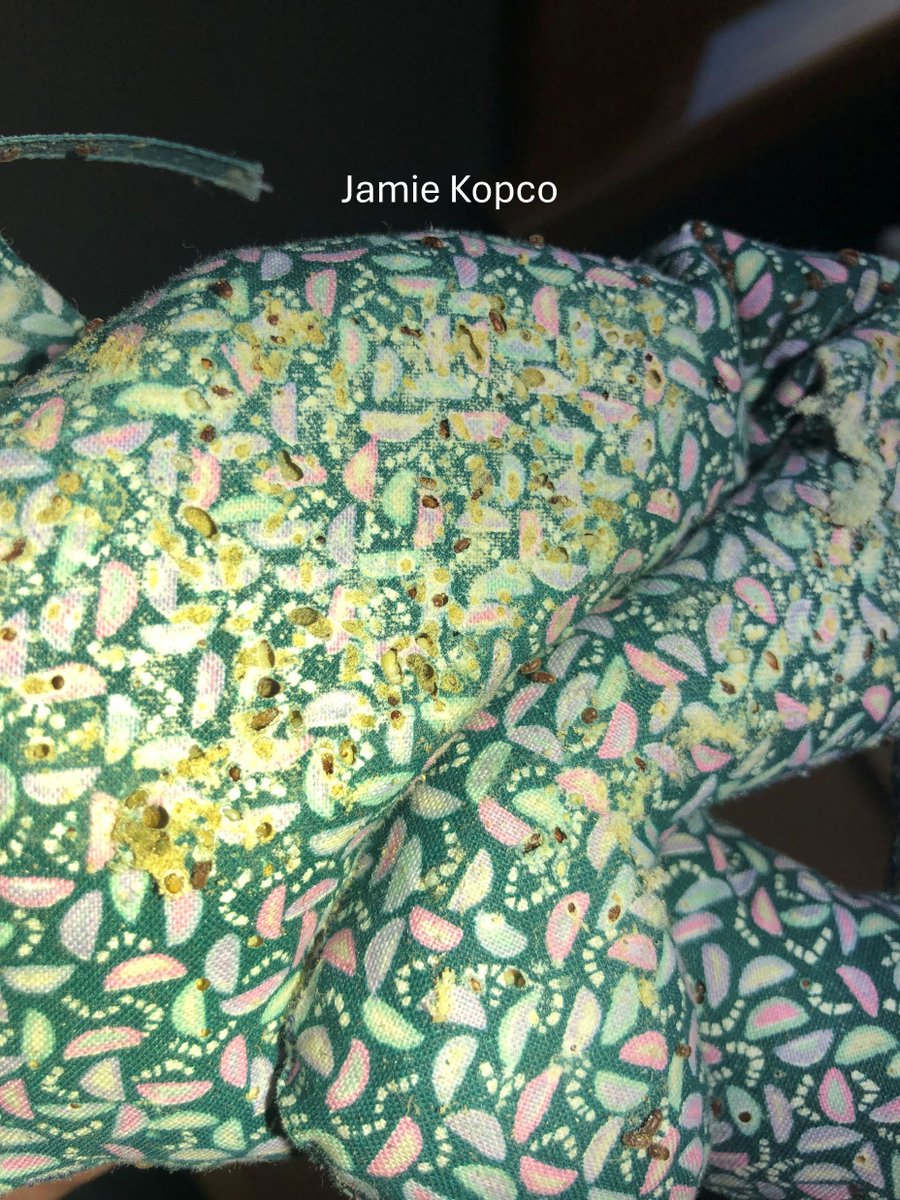
Some insects can live and breed in dry food material like flour, cookies, crackers, or pet food. If tiny beetles or moths appear indoors during the winter, then scour the pantry for infested materials and throw them away.
While many outdoor pests are on hiatus under the snow, indoor pests like bed bugs remain active and troublesome year-round. Some, such as bed bugs and German cockroaches, are best managed by professionals. For more information: https://t.co/N7lfEGcWuF
February is National Pesticide Safety Education Month. For more information:
Pesticide Environmental Stewardship
https://t.co/kP22qSQPD3
National Pesticide Safety Education Month
https://t.co/kP22qSQPD3
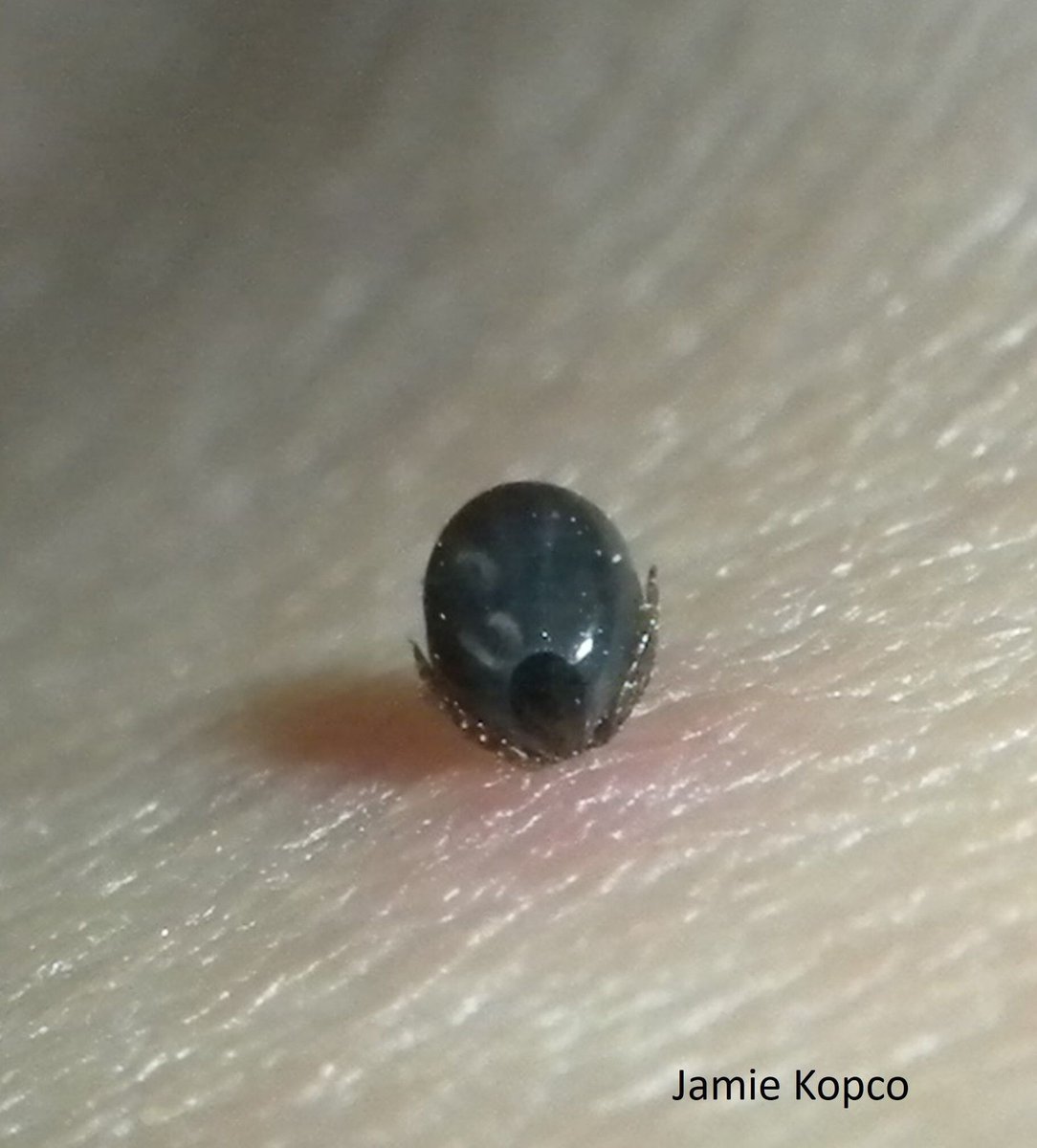
While most bugs are firmly hunkered down for winter, ticks will emerge and hunt for hosts any time the temperature is above freezing. If you spend time in the woods during the winter, remember to check your body for ticks if it was a warm or sunny day.
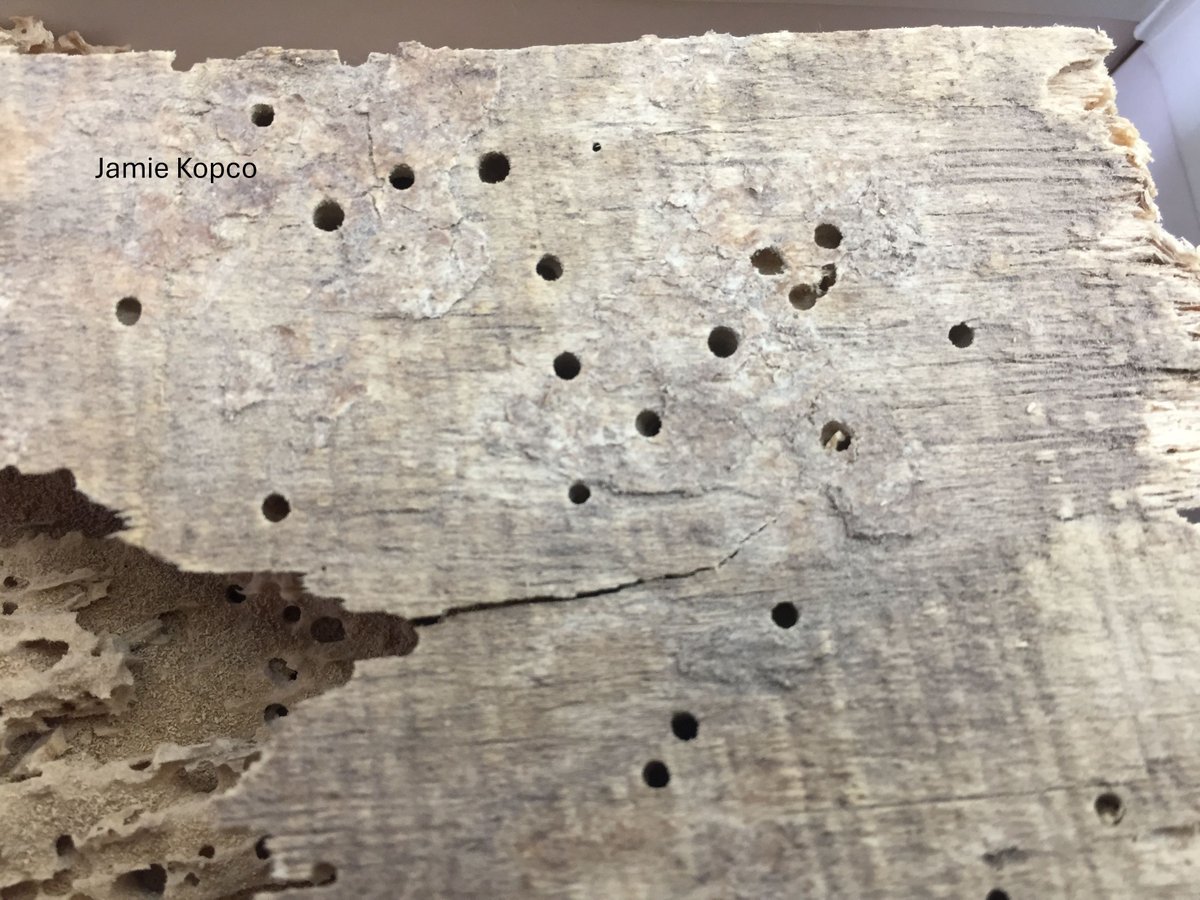
While many insects go dormant in winter, wood boring beetles can continue slowly chomping through your home. Call a pest control company if you find tiny holes and fine powder or sawdust in furniture or structural timber.
Find more info here: https://t.co/YajNKNujki
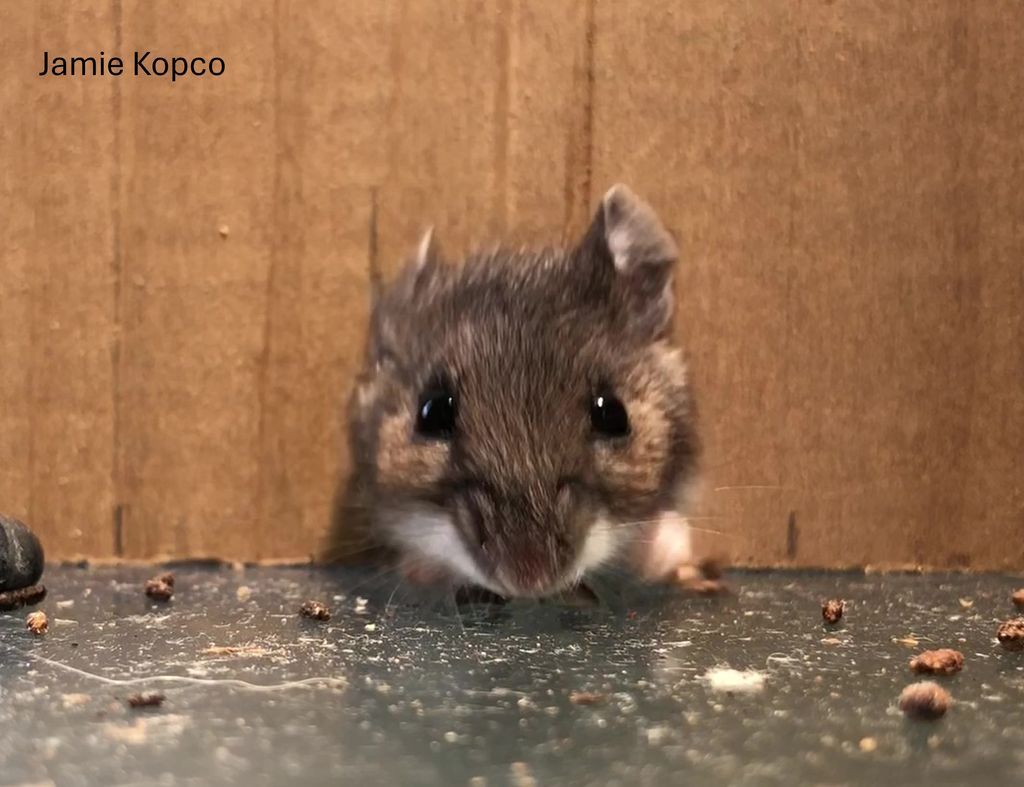
Mice and rats looking for warmer places will move into buildings if they can. Mice can squeeze into cracks 1/4 inch wide and rats into an opening half inch wide. Keep them out by closing up gaps under doors and other openings.
More info here: https://t.co/c5obhHWGFU
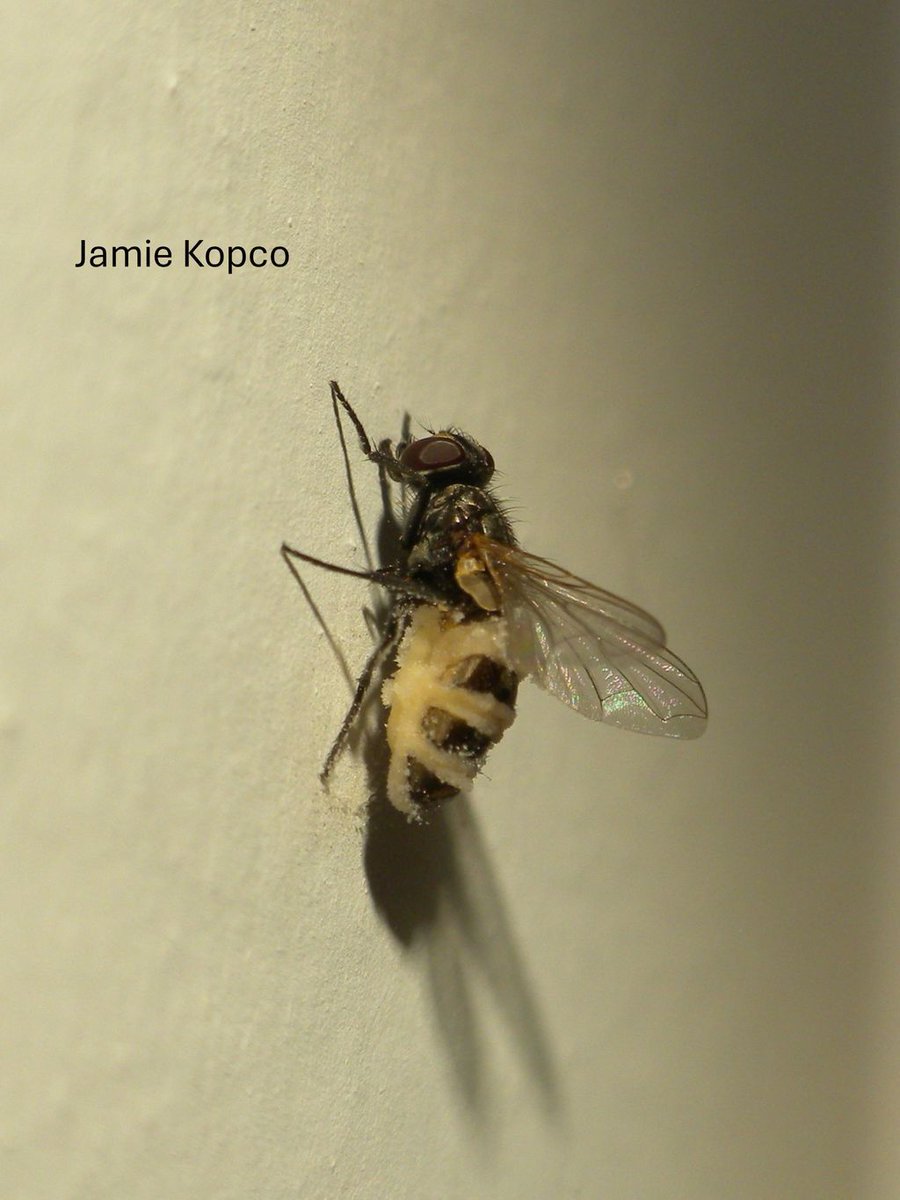
Just in time for Halloween, a deadly fungus infects a house fly, causing it to grip its perch and die. Fungal spores then erupt from its back, raining down zombifying spores. Watch the action: https://t.co/1iIyvdzWjY
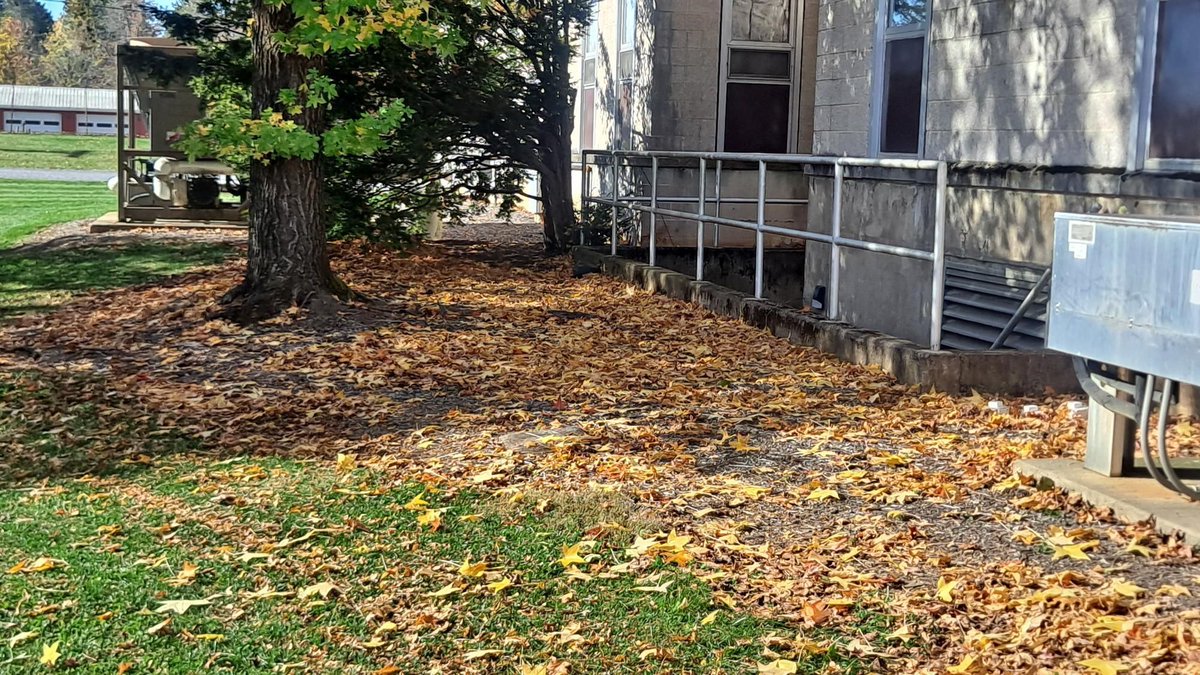
Cleaning up leaves from you lawn is an important task in the fall of the year. Fallen leaves can smother your lawn and fuel fires. Rake them up to keep grass healthy and reduce fire risk-especially near buildings or wooded areas.
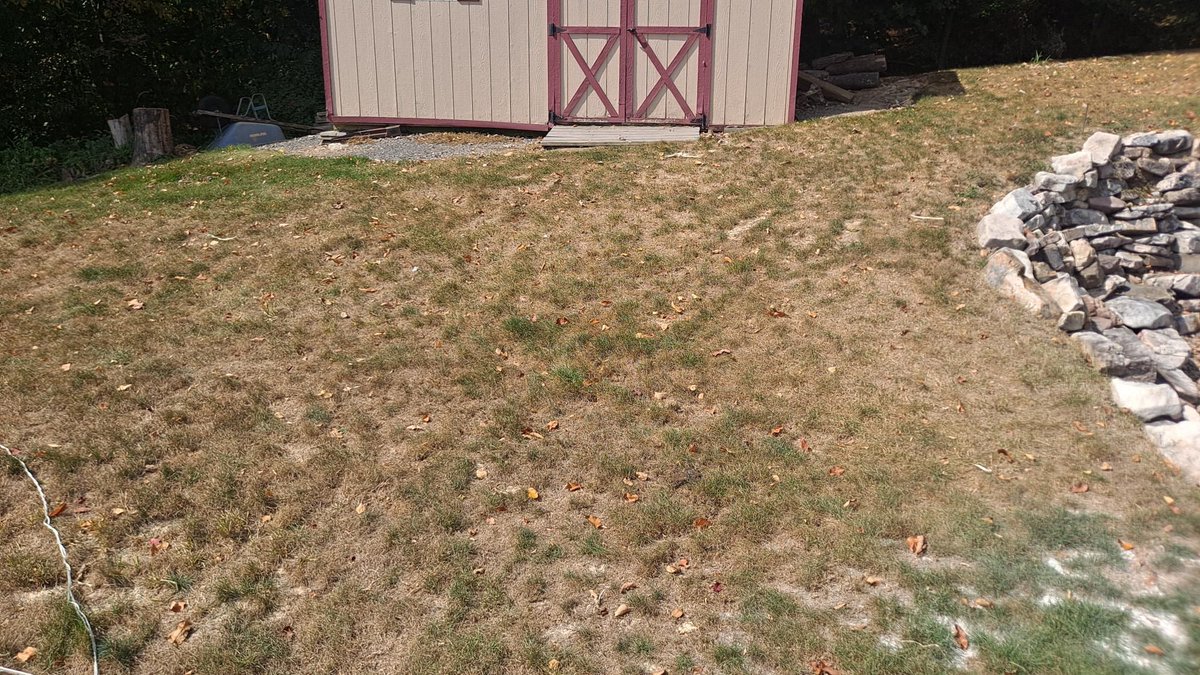
After a hot, dry PA summer, your lawn’s probably begging for help.
September can be the perfect time to overseed, aerate & feed it back to life.
Cooler temps + fall rains = prime recovery season.
Let’s get that green back.
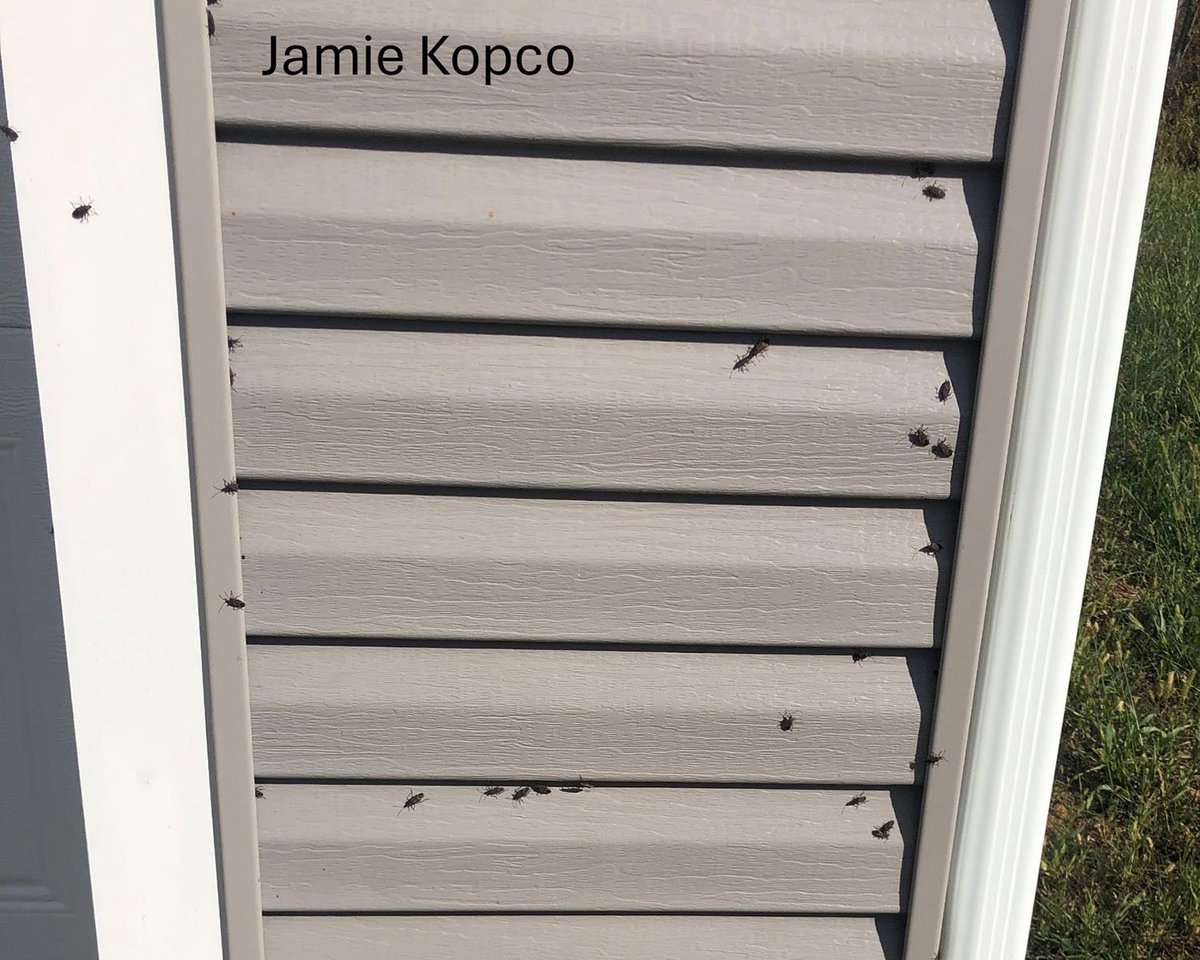
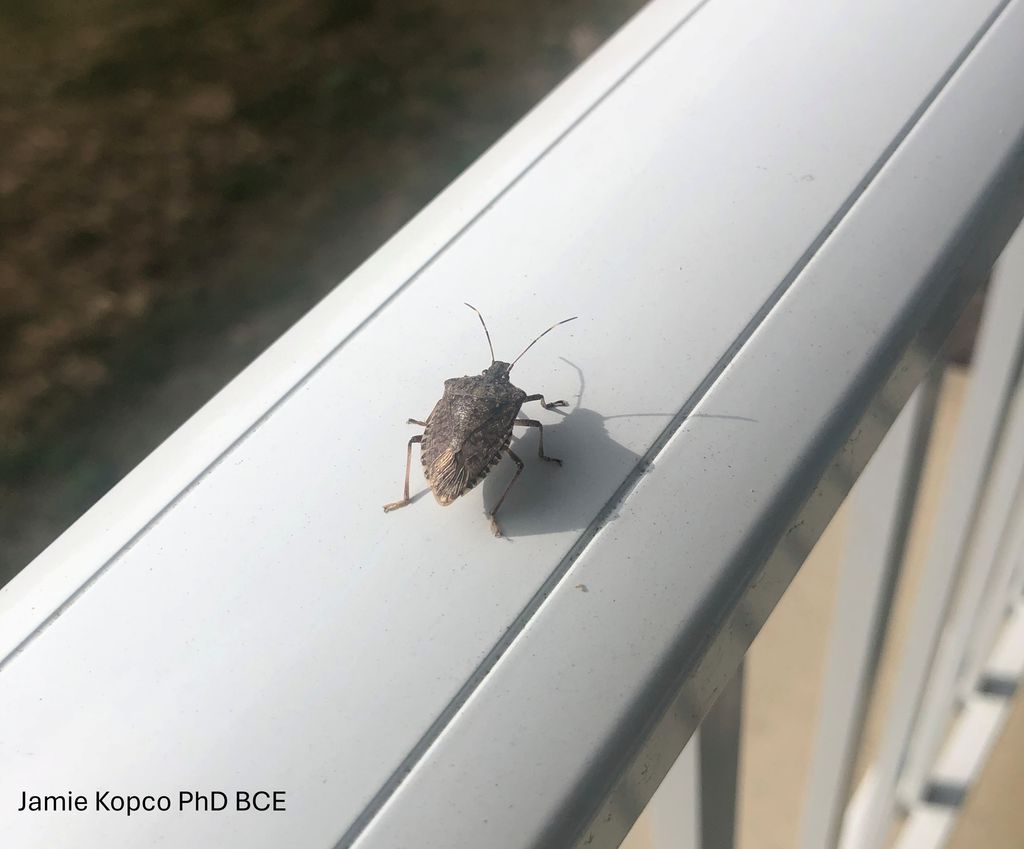
Seasonal home invaders like stink bugs, seed bugs, boxelder bugs, and Asian lady beetles have begun to migrate to winter refuges, including buildings. Keep them out by sealing up places they use to enter or by hiring a pest control company to treat potential entry points.
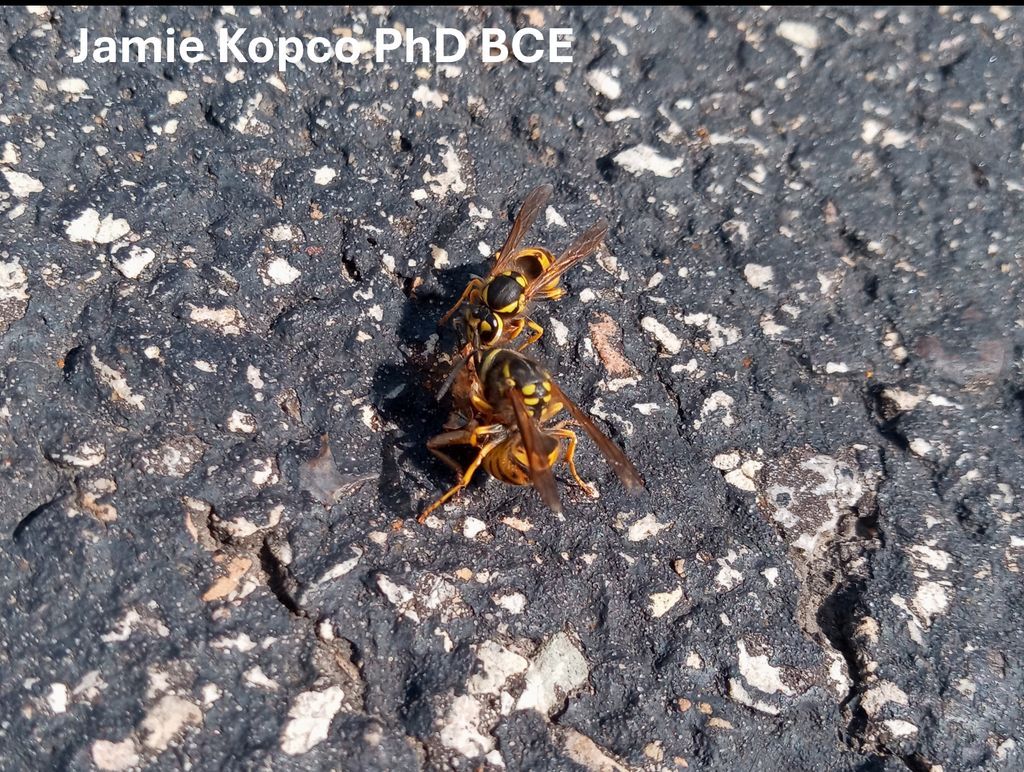
As summer rolls into fall, yellowjackets can be at their most bothersome. Minimize encounters at picnics and barbecues by keeping food and trash covered as much as possible and promptly cleaning up any messes.
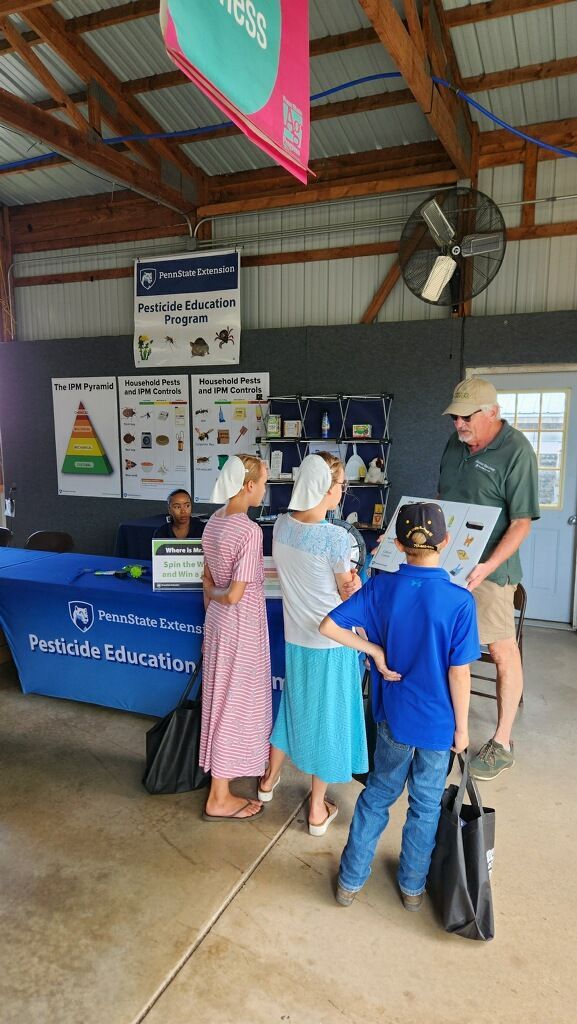
Join Penn State's Pesticide Education program at Ag Progress Days – Pennsylvania’s premier outdoor agricultural event! This event will continue on Wednesday and Thursday, August 13 and 14th. Explore the latest in ag research, equipment, and innovation.
🚨 It's time! ⏰
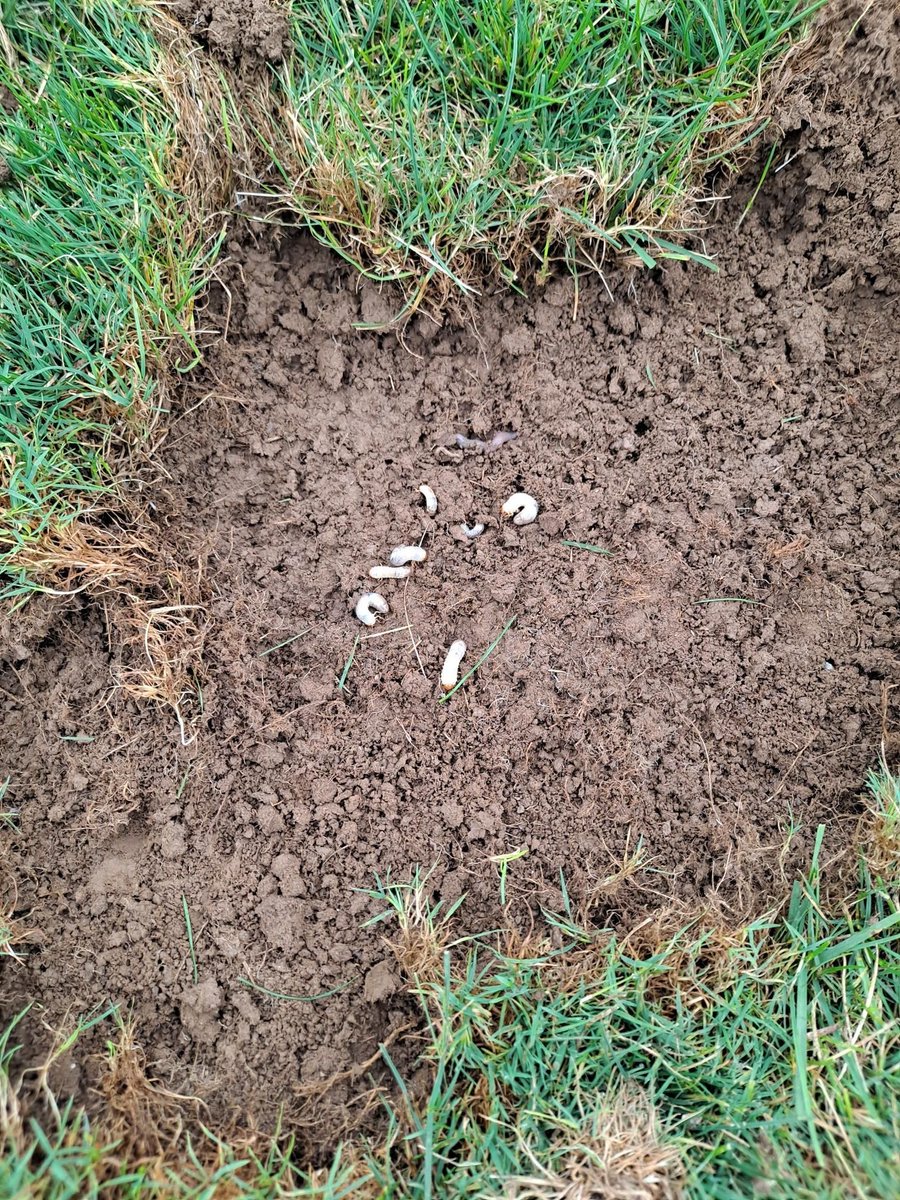
If you're planning pre-emergence grub control, now's the window to apply. Pre-emergent grub products like work best before grubs hatch—typically late June to early July in many areas. Irrigating after applying is crucial.
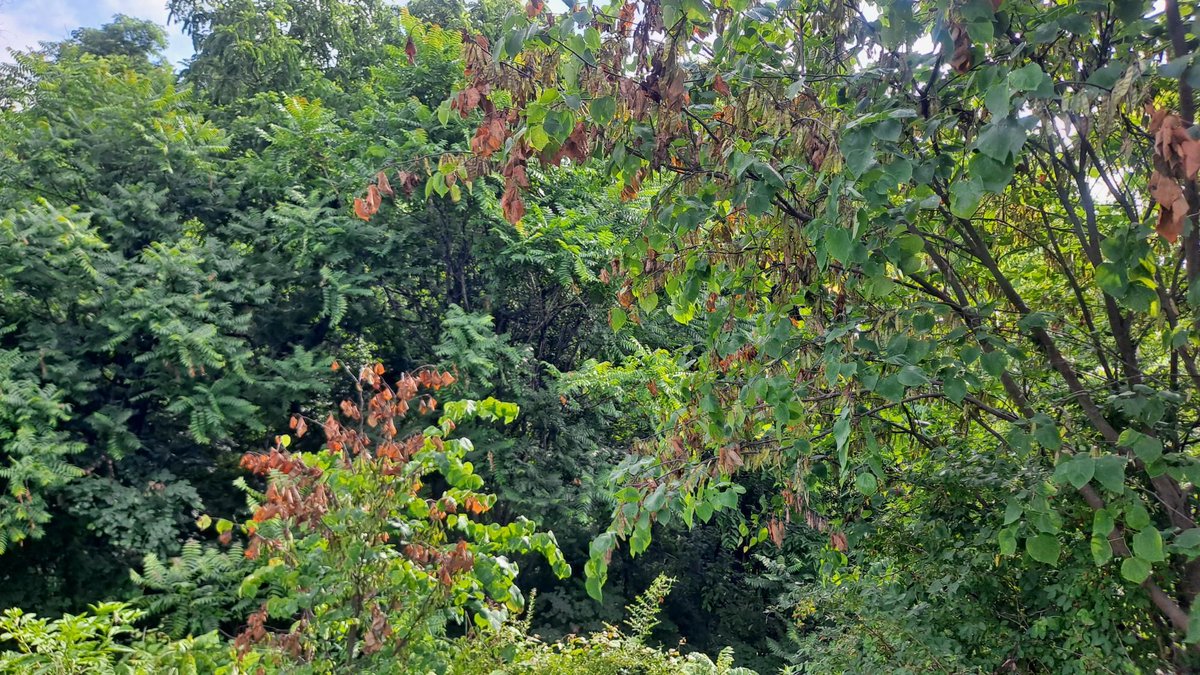
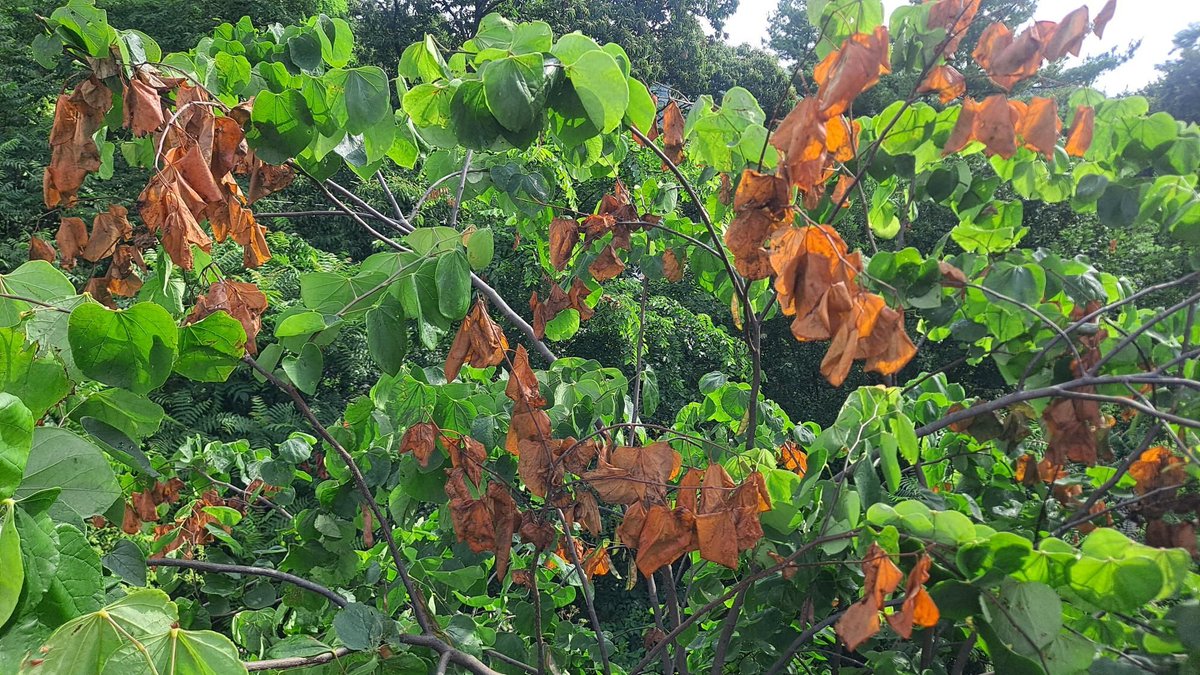
The emergence of 17-year cicadas may be loud—but the real damage comes after. Females lay eggs in small tree limbs, causing “flagging” (wilting or breakage). Young trees are most vulnerable.
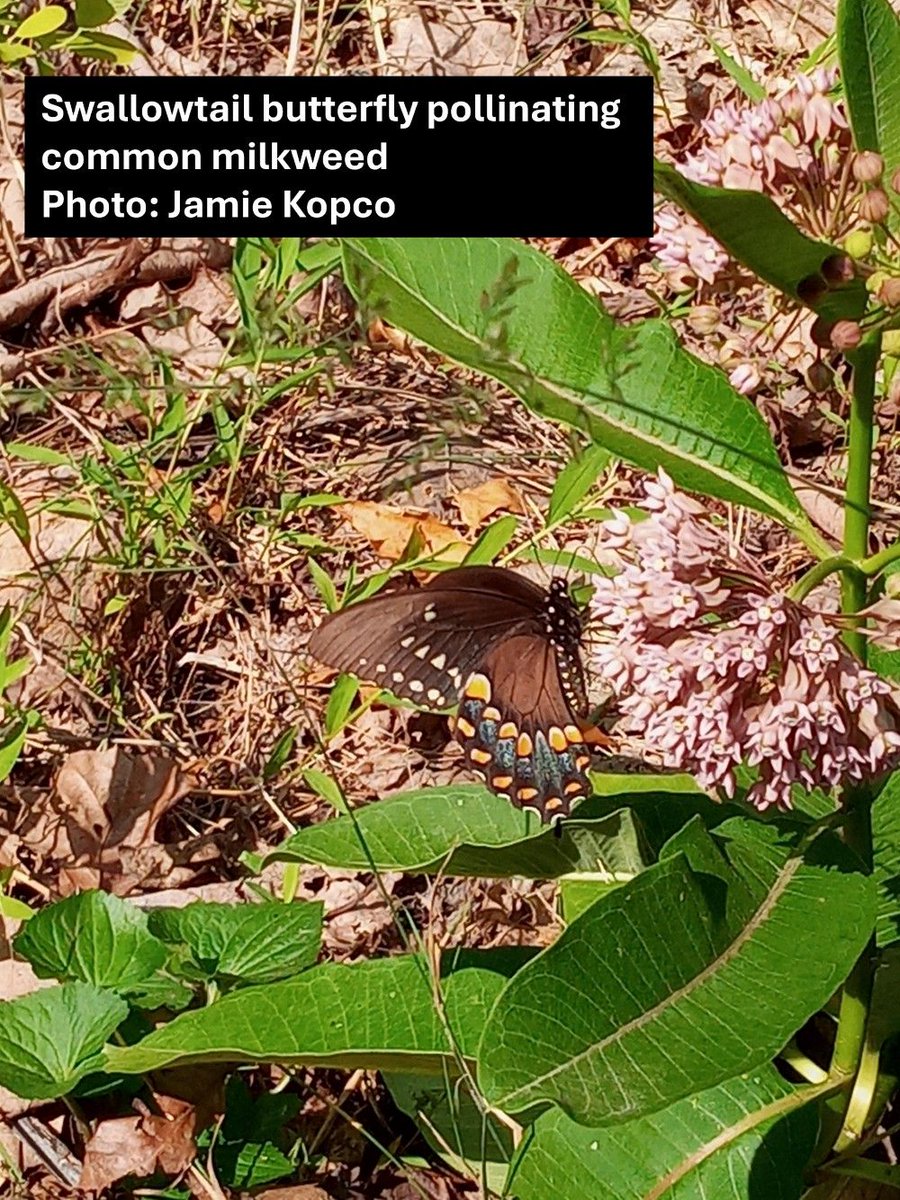
While bees are the best-known pollinators, other insects can also be effective pollinators, like this swallowtail butterfly pollinating common milkweed. Maintaining a diversity of native flowering plants helps most pollinators.
Video by Jamie Kopco