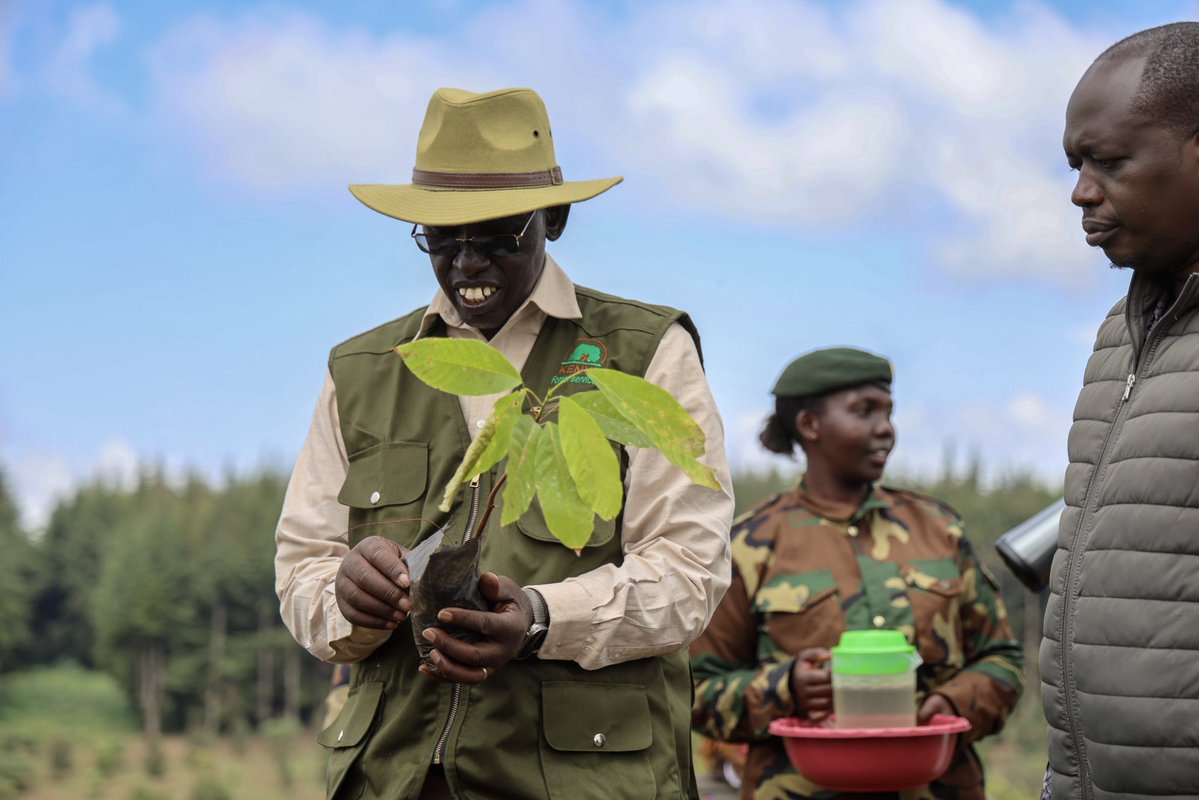
Today, we joined H.E. Prof. Kithure Kindiki, Deputy President of the Republic of Kenya and Guest of Honour, at the Kaptagat Forest Marathon as we marked 10 years of the Kaptagat Integrated Conservation Programme (KICP), a flagship Sports for Conservation initiative that is transforming lives through environmental restoration and sustainable livelihoods.
The Programme's Patron, PS Dr. Chris Kiptoo, highlighted key milestones achieved over the past decade, including the establishment of a 273-kilometre live fence to protect the forest and designated community access points that promote sustainable use of forest resources. The event also marked the national launch of cocoa planting, with Kaptagat becoming the first site in the country to roll out the initiative. Anchored on the pillars of Pesa Mfukoni and Maji Safi Nyumbani, the programme demonstrates that conservation and economic empowerment go hand in hand.
The event brought together CS Interior and National Administration Hon. Kipchumba Murkomen, CS Environment and Climate Change Dr. Barasa Mulongo, Principal Secretaries, Governors, Senators, Members of Parliament, Chief Executive Officers, Director Generals, development partners and other senior Government officials, reflecting a shared commitment to environmental conservation. As Kenya works towards its target of growing 15 billion trees by 2032, initiatives such as Kaptagat Integrated Program continue to demonstrate the power of partnerships in restoring forests, protecting water towers and securing a greener, more sustainable future for all.
Empowering young people with the skills, resources and opportunities to succeed is one of the surest investments we can make in Kenya's future. I joined Cabinet Secretary Hon. Kipchumba Murkomen, EGH, Deputy Head of Public Service Mr. Amos Gathecha, Principal Secretaries Dr. Chris Kiptoo, PS Mugambi, PS John Ololtuaa and Amb. Prof. Julius Bitok, Governors Stephen Sang and Wesley Rotich, Deputy Governor Evans Kapkea, Members of Parliament Gladys Boss, Prof. Phyllis Bartoo and CPA Julius Rutto, Members of County Assemblies, senior Government officials and other stakeholders during the NYOTA Project Upper Rift Cluster 2nd Disbursement Exercise in Eldoret. During the event, 6,914 young entrepreneurs from Uasin Gishu, Elgeyo Marakwet and Nandi Counties benefited from KShs. 172.85 million in business grants as part of the nationwide disbursement of KShs. 3.06 billion to 122,203 youth, reaffirming the Government's commitment to youth empowerment, entrepreneurship and job creation.
As we continue creating opportunities for our youth, legal identity remains the critical first step. A National Identity Card is more than a document, it is the gateway to education, employment, entrepreneurship, financial inclusion and Government programmes such as NYOTA and AGPO. Through the Usajili Mashinani initiative, the State Department for Immigration and Citizen Services continues to bring registration services closer to communities, ensuring that every eligible Kenyan can access these opportunities. Together, we are empowering a generation of innovators, entrepreneurs and leaders who will drive Kenya's socio-economic transformation.
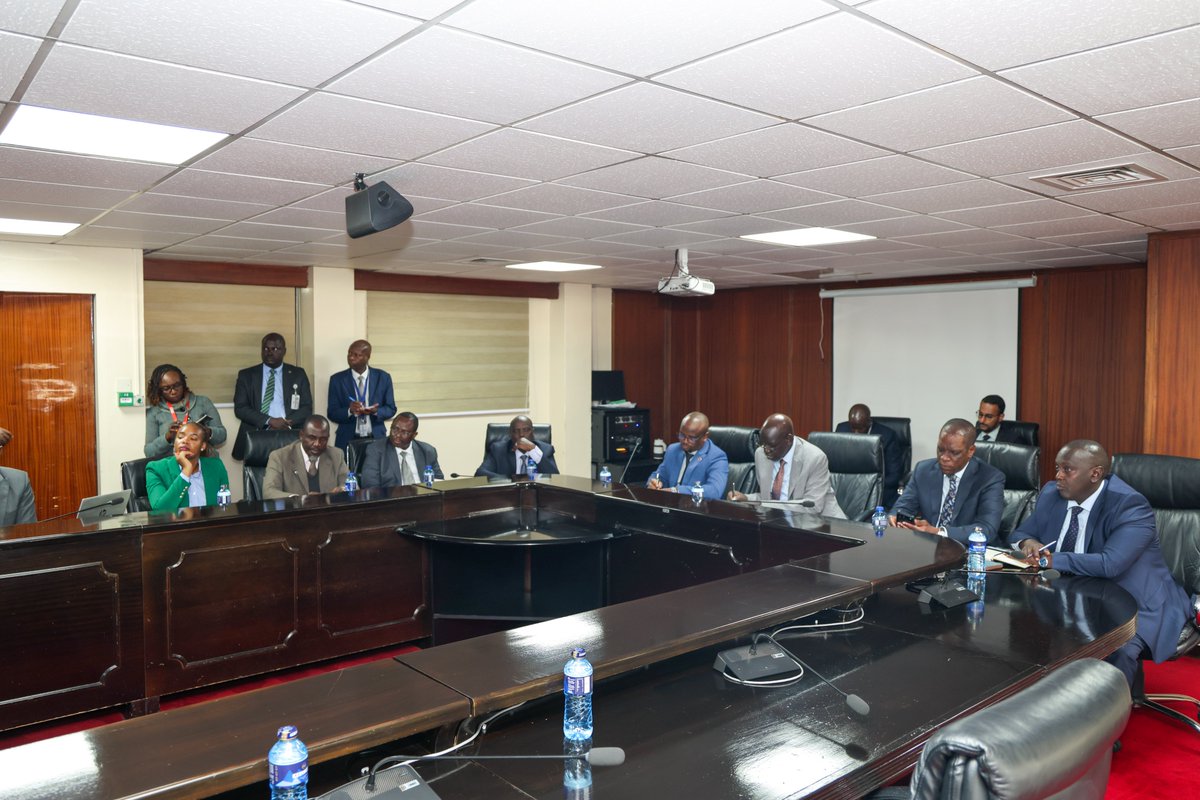
Today, I hosted the Principal Secretary for Devolution, Mr. Michael Lonesalon for a courtesy call during which we held fruitful discussions on matters of mutual interest between our two State Departments.
As we continue the nationwide sensitization on citizen registration services, collaboration with the devolved system of government remains critical to the success of this exercise. We reaffirmed the importance of a whole-of-government approach in strengthening coordination, enhancing public awareness, and bringing registration services closer to wananchi, ensuring that every eligible Kenyan can access legal identity documents with ease.
Lasting peace and national unity are built through dialogue, mutual respect, and the collective wisdom of those who have guided our communities for generations.
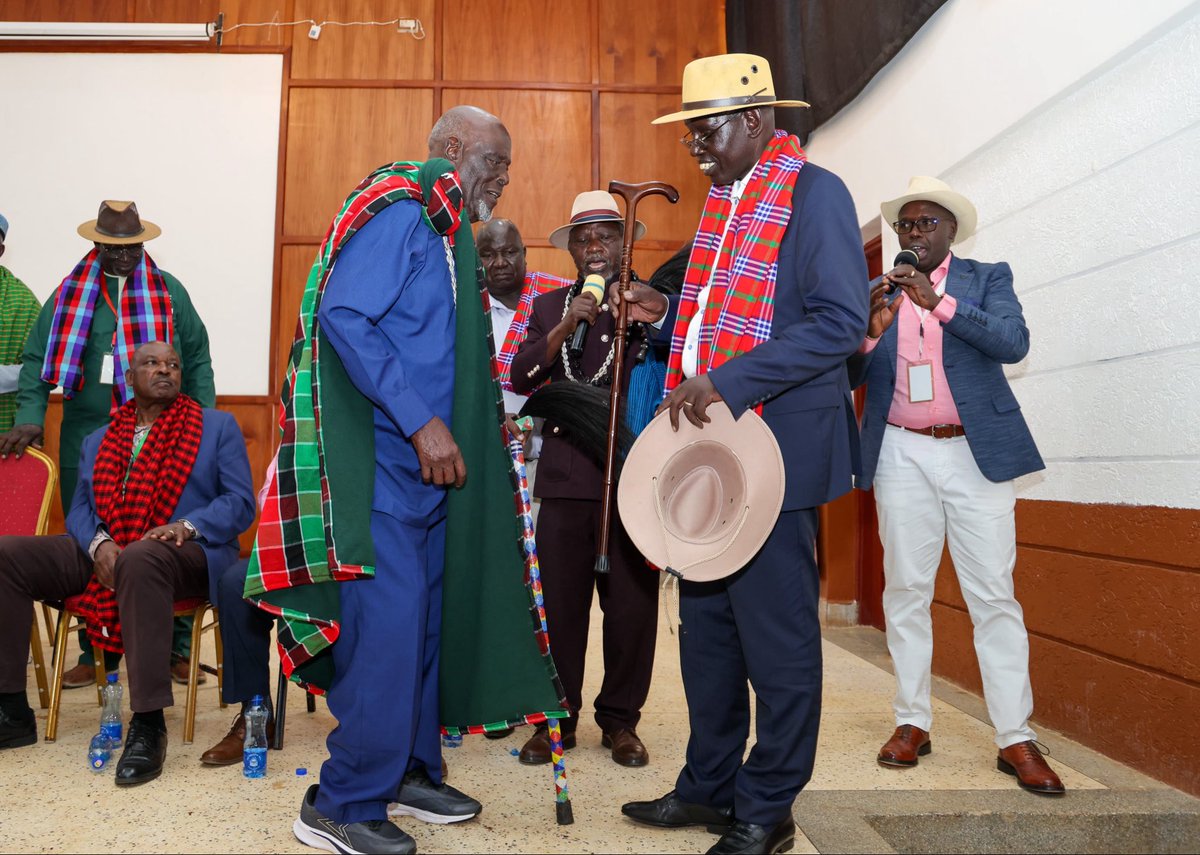
Today, I had the honour of joining the Council of Elders from the Nyanza and Rift Valley regions at the L–R Cohesion & Peace Forum, where we held meaningful discussions on strengthening national unity, promoting peaceful coexistence, and fostering stronger collaboration among our communities. The forum reaffirmed the critical role that elders continue to play in preserving our shared values, resolving conflicts, mentoring the youth, encouraging education, and guiding society towards a more peaceful and united future.
I commend the Council of Elders for their unwavering commitment to promoting community unity, peace, and stability. Their continued efforts to build bridges across communities, champion dialogue, and nurture understanding are invaluable in strengthening national cohesion. As custodians of our traditions and values, elders remain indispensable partners in nation-building, and their voices must continue to be heard in shaping decisions that impact our communities and future generations.
I was pleased to participate in the forum alongside Principal Secretary for Mining, Harry Kimtai; Principal Secretary for ICT and the Digital Economy, Eng. John Tanui; Principal Secretary for Medical Services, Dr. Ouma Oluga; the first Governor of Kisumu County, Hon. Jack Ranguma; as well as Chairpersons, Chief Executive Officers, and Board Members of various State Corporations. The forum also brought together senior national and county government officials, community leaders, and other stakeholders, reflecting our shared commitment to working hand in hand with communities to advance peace, strengthen national cohesion, and foster inclusive development.
As we continue building a stronger Kenya, let us remain united in purpose and committed to promoting dialogue, embracing our diversity, and creating opportunities for every community to thrive in peace, harmony, and shared prosperity.
We concluded our Western Region circuit this afternoon with a high-level engagement in Kakamega County aimed at accelerating the implementation of the Revised National Registration Guidelines. The forum brought together National Government Administrative Officers (NGAOs) from across the county to strengthen coordination, enhance service delivery, and align grassroots registration efforts with the Government's vision of ensuring every eligible Kenyan has access to legal identity.
With 6,357 uncollected identity cards currently awaiting issuance and an estimated 87,197 young people expected to attain the age of 18 years across the county, the task ahead remains significant. The county leadership committed to intensifying grassroots mobilization efforts to ensure all uncollected identity cards are issued and every eligible citizen is registered through the ongoing Usajili Mashinani mobile registration campaign.
I was joined by Kakamega County Commissioner Mr. James Rwaria and Heads of Directorates from the State Department, whose participation enriched the engagement. Together, we reaffirmed our commitment to bringing registration services closer to the people, strengthening inter-agency collaboration, and ensuring that every eligible Kenyan has access to legal identity and the services that come with it.
Our nationwide sensitization program on the revised National Registration Guidelines continued today at Kaimosi University in Vihiga County.
The forum was honored by the presence of the Chief of Staff and Head of the Public Service Mr. Felix Koskei, alongside Principal Secretaries Dr. Jane Imbunya (Public Service), Dr. Juma Mukhwana (Industry), Dr. Boniface Makokha (Economic Planning), and Dr. Beatrice Inyangala (Higher Education and Research); underscoring the Government’s whole-of-government approach to service delivery. Hosted by the university's Vice Chancellor, Prof. Peter Mwita, and attended by Western Regional Commissioner Mr. Allan Machari, the session brought together National Government Administration Officers from Vihiga County
to strengthen collaboration and safeguard the integrity of Kenya's registration system.
The scale of the task in Vihiga County is clear: while an estimated 25,118 young adults are turning 18 and eligible for registration, there are currently 9,407 issued identity cards lying uncollected. Addressing this contrast, the Head of the Public Service urged local administrators to intensify their mobilization efforts. He reminded the forum that a national ID is the ultimate gateway to employment, financial services, healthcare, and higher education, making immediate issuance a top priority.
Through aggressive grassroots engagement and continuous capacity building, we remain committed to unlocking these backlogs and streamlining our registration systems so that every eligible citizen can seamlessly secure their legal identity and access vital public opportunities.
Following our productive session in Siaya County this morning, we extended our nationwide sensitization programme to Kisumu County this afternoon. I led an intensive sensitization exercise with Kisumu County’s National Government Administration Officers to unpack and align on the implementation of the revised National Registration Guidelines.
I was joined by Nyanza Regional Commissioner Mr. Onesmus Kyatha Musyoki and Kisumu County Commissioner Mr. Mohammed Mwabudzo, alongside our Heads of Directorates including Amb. Isaac Ochieng (Director General, Directorate of eCitizen Services), Mr. Gilbert Kitiyo (Secretary, NRB), Ms. Judith Kilobi (Secretary, National Population Data Management, formerly IPRS), Mr. Lawrence Nyaguti from Internal Security, and the technical team from the State Department. Together, we are ensuring a unified, robust approach to secure applicant verification and modern identity management across the region.
While our administrative alignment progresses seamlessly, localized data highlights a significant task ahead for the county. Currently, 24,758 processed national identity cards remain uncollected in Kisumu County. Furthermore, demographic projections indicate a potential pool of 55,708 eligible citizens who are coming of age and will soon require registration.
An ID is a citizen's gateway to essential services, and these figures underscore why our collaboration with local Chiefs and Assistant Chiefs is so vital. We must intensify grassroots mobilization and public awareness to ensure that every eligible resident in Kisumu County registers for and collects their card without delay.
Chiefs and Assistant Chiefs are the first custodians of the integrity of Kenya's national registration system. Their role in verifying applicants and confirming their eligibility through biometric authentication is critical in ensuring that national identity documents are issued only to genuine Kenyan citizens.
Together with Heads of Directorates and the technical team from the State Department for Immigration and Citizen Services, we continued our nationwide sensitization programme in Siaya County, engaging National Government Administration Officers on the revised National Registration Guidelines. With today's engagement, the programme has now reached 22 counties, equipping officers with the knowledge and skills required to effectively implement the revised guidelines.
The engagement provided an opportunity to clarify the new procedures, strengthen accountability in the registration process, and ensure uniform application of the guidelines across the country. It also comes at a time when the State Department continues to advance key digital transformation initiatives, including the upgrade and reengineering of the Civil Registration and Vital Statistics System (CRVSS), a major milestone that is enhancing the delivery of civil registration services, streamlining the registration of births and deaths, improving data accuracy, and making vital services more accessible to Kenyans.
A national identity card is more than just a document of identification; it is a gateway to essential government services and opportunities. It enables citizens to access services such as the Social Health Authority (SHA), agricultural subsidy programmes, affordable housing initiatives, financial services, employment opportunities, and other government programmes.
In Siaya County alone, 10,312 national identity cards remain uncollected, while an estimated 48,000 eligible residents are yet to acquire the document. These figures underscore the need for sustained public awareness and closer collaboration between registration officers and National Government Administration Officers to ensure that every eligible Kenyan registers for and collects their national identity card.
Through continuous capacity building and stakeholder engagement, we remain committed to delivering registration and civil registration services that are secure, efficient, transparent, and accessible to all eligible Kenyans.
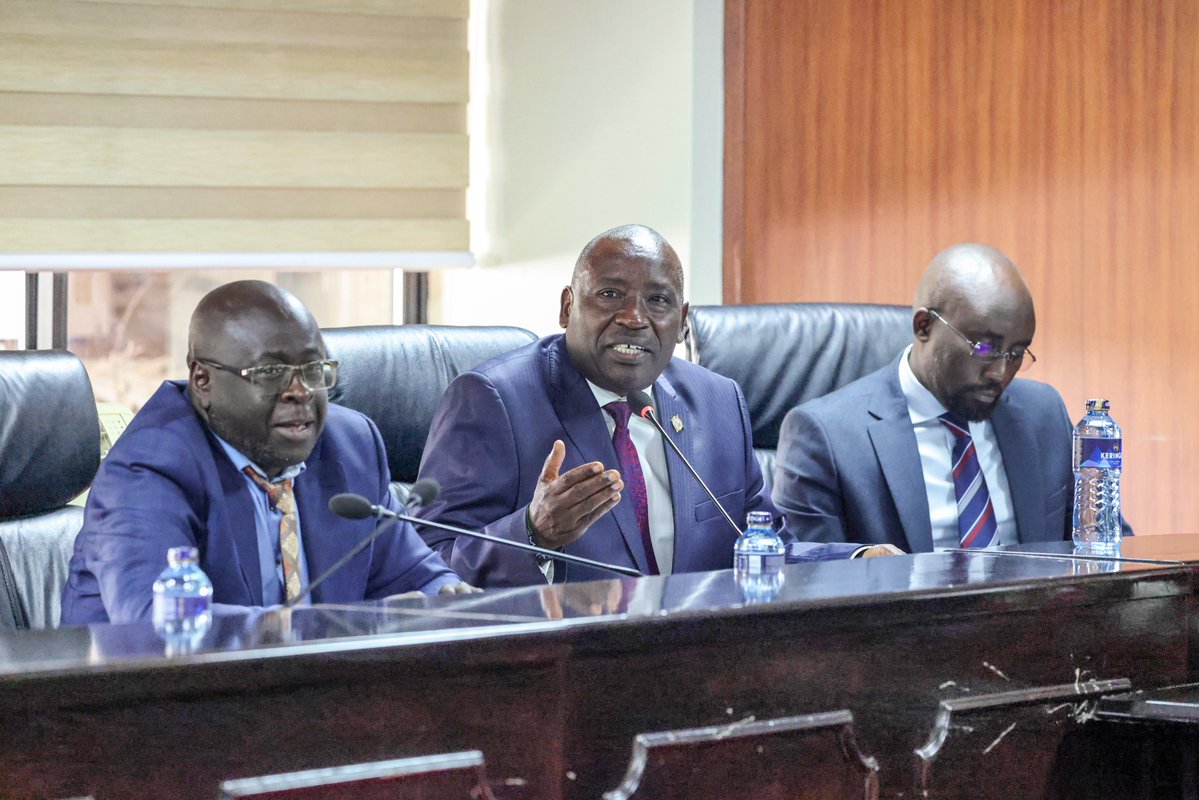
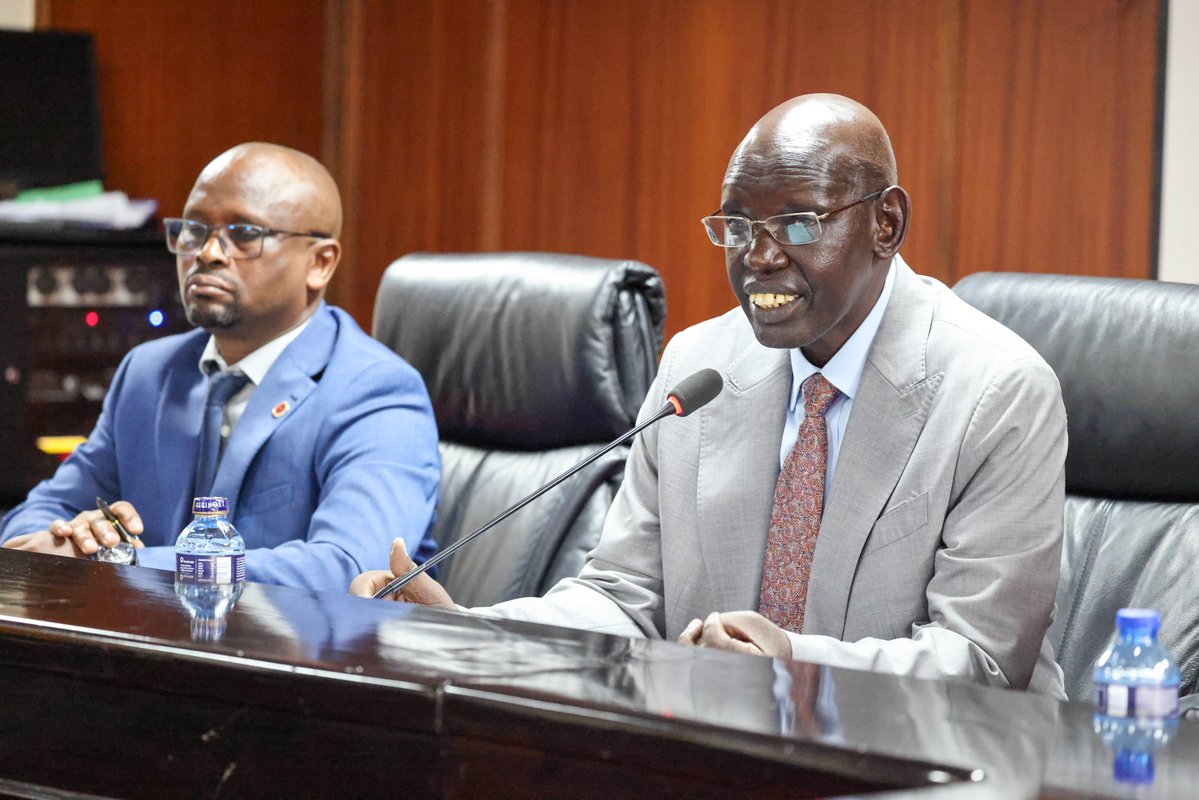
PS, Immigration and Citizen Services, Dr. Belio Kipsang @PS_SDICS , today appeared before the National Assembly Committee on Regional Integration, where he outlined key reforms aimed at enhancing access to identity and travel documents.
Dr. Kipsang highlighted significant progress in service delivery through technology-driven initiatives, including the deployment of over 600 live capture units, which have reduced ID card production timelines to seven days, with more than 1.5 million IDs produced in the last five months. He also announced a nationwide mobile registration exercise targeting over 1.1 million students who have attained the age of 18 years, alongside ongoing sensitization on the revised National Registration Guidelines to ensure inclusive access to registration services.
The PS further apprised the Committee on Kenya's full compliance with regional agreements on the East African Biometric e-Passport, noting that passport processing times have been reduced to between 3 and 7 days, while regional initiatives such as the Interstate Pass continue to facilitate seamless cross-border movement within the East African Community.
The State Department remains committed to leveraging technology, strengthening regional integration, and ensuring every eligible Kenyan has access to citizenship and travel documents.
Today, alongside the Heads of Directorates from the State Department for Immigration and Citizen Services, I presented our End-of Financial Year briefing to Cabinet Secretary Hon. Kipchumba Murkomen.
The 2025/26 Financial Year has been defined by significant momentum in identity management and digitization. Notably, we accelerated the production of national identity cards, producing over 1.5 million cards between January and May 2026 alone, and digitized over 42 million vital records to streamline the Civil Registration and Vital Statistics System (CRVSS).
Crucial progress was also made across our other key mandates. In the Directorate of immigration Services , we streamlined passport processing times to between 3 and 7 days and on the digital front, eCitizen expanded to over 26,000 service. Furthermore, we finalized the Shirika Plan implementation matrix to transition refugee governance into a sustainable socio-economic inclusion framework for the 852,388 refugees currently registered in the country.
As we transition into the new financial year, we are focused on scaling up these outreach programs, addressing emerging challenges, and ensuring our systems remain secure and accessible to all.
Today at the University of Nairobi, I was honoured to preside over the commemoration of World Refugee Day 2026, organized by the Directorate of Refugee Services under the leadership of the Acting Commissioner, Ms. Mercy Mwasaru.
Together with refugees, host communities, UNHCR, development partners, government officials and other stakeholders, we marked the 75th anniversary of the 1951 Refugee Convention under the theme, “Until Everyone is Safe.” The occasion provided an opportunity to reaffirm Kenya’s longstanding commitment to protecting those forced to flee conflict, persecution and insecurity, while advancing sustainable solutions that promote dignity, inclusionand self-reliance.
On behalf of the Government of Kenya, I extend my sincere appreciation to the host communities across our country whose generosity, resilience, and spirit of solidarity have provided refuge and hope to displaced populations for decades. Through the Shirika Plan, we remain committed to ensuring that refugee inclusion and socio-economic empowerment go hand in hand with the development and prosperity of host communities.
Present during the occasion were UNHCR Deputy Country Representative, Ms. Robin Ellis; University of Nairobi Deputy Vice-Chancellor, Prof. Leonida Kerubo; WFP Representative Mr. Felix Oketch; NGO Refugee Co-Chair, Mr. Jacob Obonyo; Nairobi City County Executive Committee Member, Mr. Brian Mulama; Director General of eCitizen, Ambassador Isaac Ochieng; Secretary for National Population Data Management, Ms. Judy Kilobi; alongside other senior government officials, development partners and representatives of refugee-led organizations.
As we commemorate this important day, we renew our collective commitment to building a future where safety, dignity and opportunity are accessible to all.
#WorldRefugeeDay2026 #UntilEveryoneIsSafe #ShirikaPlan #RefugeeInclusion #Kenya
Access to national identity documents remains central to inclusion and equitable access to government services.
I was pleased to receive H.E. Mohamud Mohamed Ali, Governor of Marsabit County, for discussions on ongoing efforts to strengthen registration services in the county. The Governor commended the recently conducted mobile registration exercise, which brought services closer to residents across the vast county and improved access to national identity documents, particularly in hard-to-reach areas.
We are committed to deepening collaboration to ensure that no eligible Kenyan is left behind in accessing national identity documents due to geographical barriers or distance from registration centres. Access to national identity documents remains fundamental to citizenship, service delivery, and participation in national development.