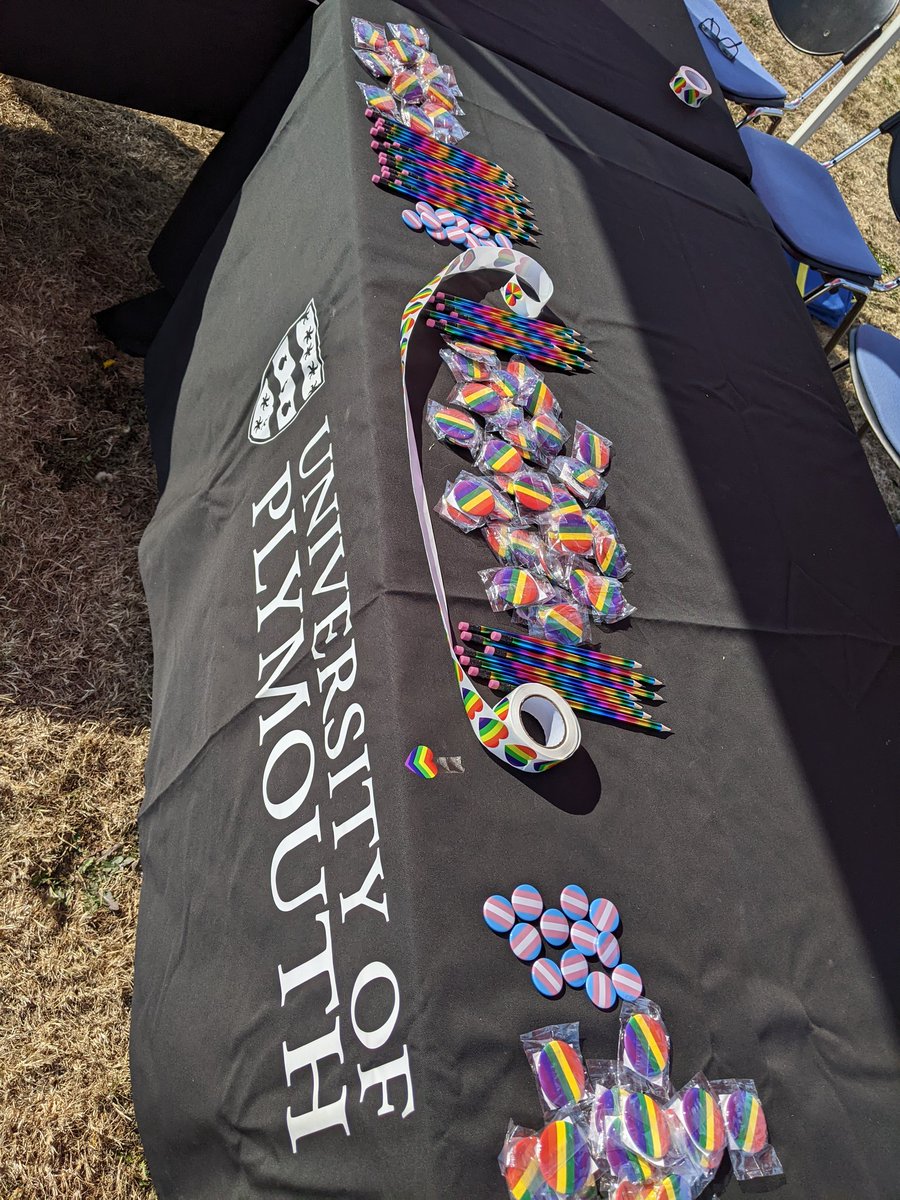
As #pridemonth comes to an end, it’s important to recognise the struggles that many in our community still face, and the need for visible allyship year-round.
We’re proud to stand by the trans community, and show our support for the @transpareloved campaign! 🏳️⚧️ ❤️
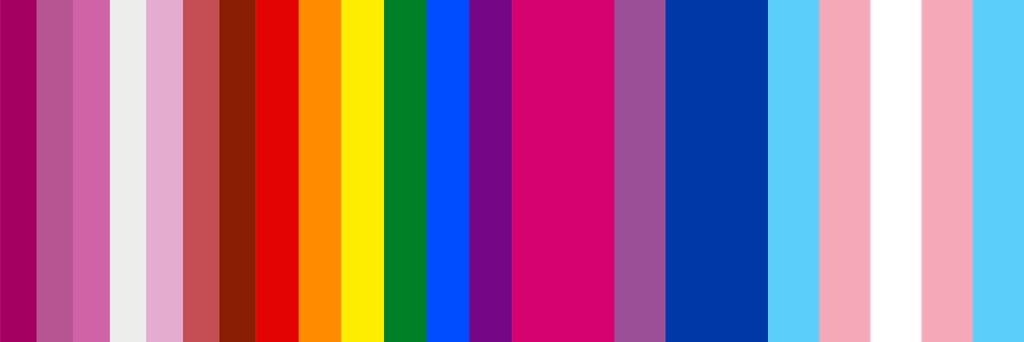
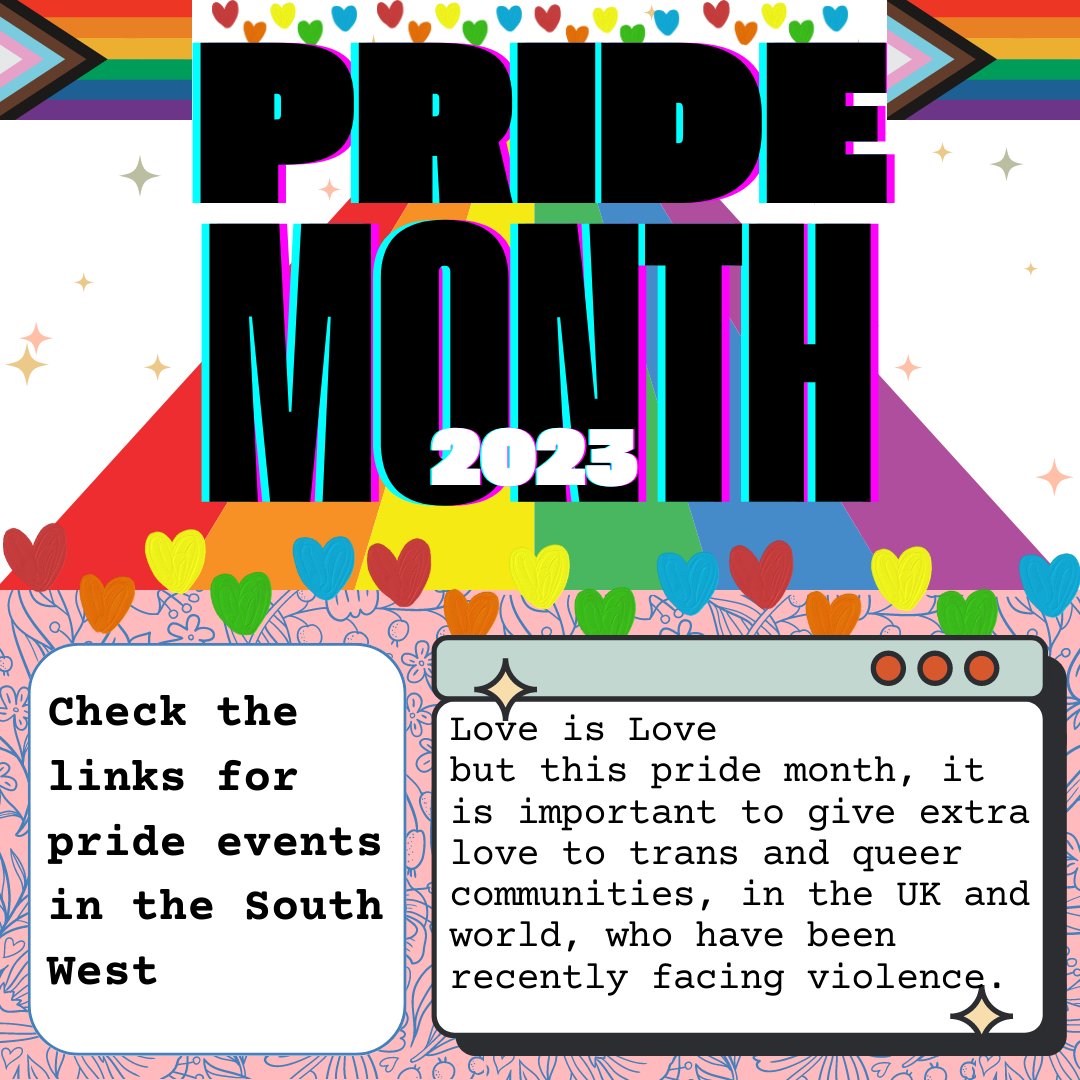
Happy Pride Month in this excellent time of year, with the sun out! Behold the most camp graphic to mark the occasion🎉✨🌈
Local pride events below 🏳️🌈
Cornwall: https://t.co/0vxAV5B9af
South Devon: https://t.co/L5gNLJORA0
#pridemonth#pridemonth2023#LGBTQIA#PULGBTNetwork
Happy International Day Against Homophobia, Biphobia, and Transphobia!
Keep an eye out for events in your local area
Read more here: https://t.co/9hiK3TE7iC
https://t.co/vkefcjs5Rx
#IDAHOBIT2023#IDAHOBIT#IDAHOTB#LGBTQIA#PULGBTNetwork
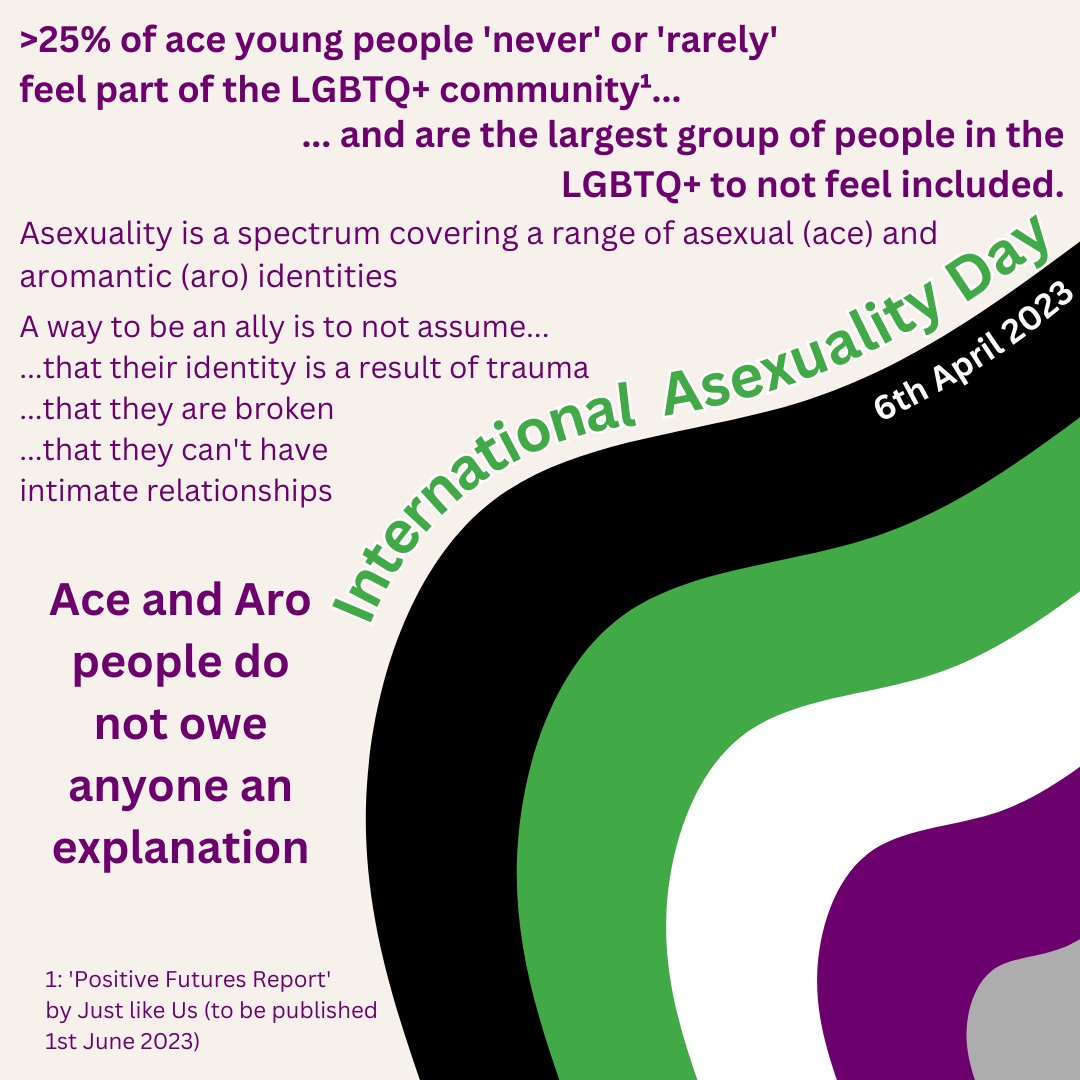
Today is International Asexuality Day!
Today (and everyday) we celebrate the full Ace spectrum 🌈
(I've also upped my game and avoided word count limits with this home-made infographic 😎)
Read more here: https://t.co/zEuxlXhHsd
and here: https://t.co/2hvIHcHUhJ
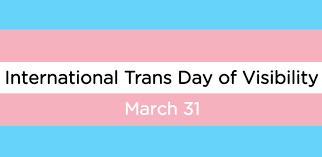
Today is International Trans Day of Visibility.
With the news that surrounds the trans conversation rarely being positive, taking the day (and everyday) to allow trans and non-binary people to just exist - and nothing more, is a good place to start.
The word in this context was first used in 1984 in ‘Sexual Choices: An Introduction to Human Sexuality’, but this term has been used in art and poetry prior to then. American poet Walt Whitman's work 'Leaves on Grass' 1855 explores omnisexuality, the poet himself perhaps being bi
Today is Omnisexual Awareness Day.
A lesser known orientation of the ‘bi’ umbrella and often confused with pansexuality. Omnisexuality recognises gender attraction whereas pansexuality is most often used to describe attraction to people regardless of gender.
This week is Aromantic Spectrum Awareness Week
Aromanticism is a romantic orientation, which describes people whose experience of romance differs from normative societal expectations.
For more info go to https://t.co/WnBkzh62zX
@PlymUniEquality@PlymUni
The 1st of February marks the beginning of LGBT+ History Month. You can read more about the UK's fascinating but often hidden LGBT+ History going back as far as the 12th century below. https://t.co/x3s3bV0rHF
Check out this fab op for LGBTQIA+ community members, aged 16+, to work with Rhys on this new queer sea shanty choir project (Rhys recently walked our Identity Parade catwalk @theboxplymouth)
Interested? Get in touch on Instagram https://t.co/lpatmgqQav or email [email protected]
Two years ago, I got BCC in my A-Level resits and ended up going to the University of Plymouth through clearing.
If you don't get the grades you wanted today, there's still loads of amazing opportunities ahead. And from personal experience, you never know what might happen.
Myth Busting.
Myth #3: Non-binary genders aren’t real.
Reality: The biggest myth about non-binary genders is that they're made-up. With people saying ‘there are only two genders’ or ‘non-binary is just a fad’. Non-binary is a gender and has nothing to do with sexual anatomy.
Myth Busting.
Myth #2: They / Them Pronouns are grammatically incorrect.
Reality: We use singular they/them all the time when the a persons gender is unknown. You find a wallet and pick it up. You might say "oh, someone's dropped their wallet. I bet they are looking for it".
Myth Busting.
Myth #1: You Are Trying to Be ‘Special Snowflakes’, ‘This Is Just a Fad’.
Reality: Non-binary people aren’t confused about their gender identity or following a new fad. Non-binary identities have been recognized for millennia by cultures around the world.
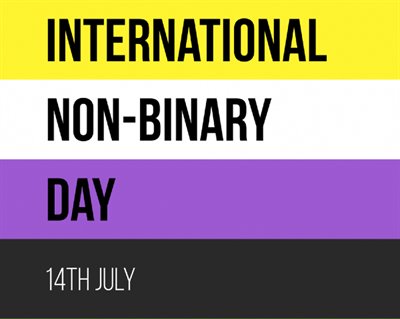
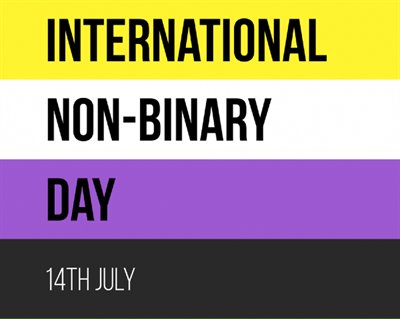
Non-binary can mean different things to different people. At its core, it’s used to describe someone whose gender identity isn’t exclusively male or female. It can also be used as an umbrella term, encompassing many gender identities that don’t fit into the male-female binary.