P&B Lab est un laboratoire en communication, création et diffusion de contenu pour ré-enchanter et rêver les territoires futurs...#futur#innovation#event
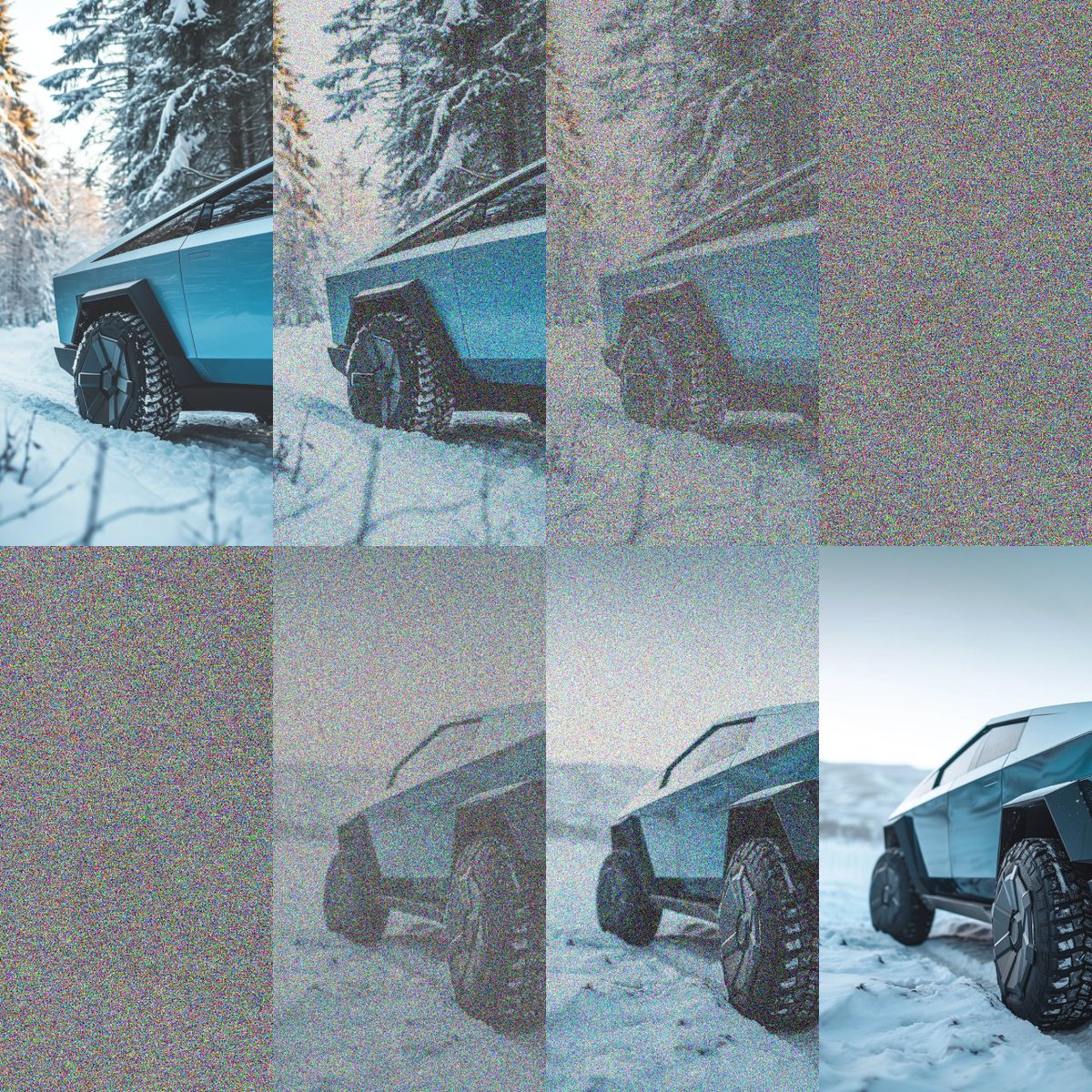
HOW DIFFUSION MODELS CREATE IMAGES: HIGH-LEVEL OVERVIEW. V2
Diffusion models are tools (like Midjourney) used to generate images from random noise. Here's a simple explanation of how they work:
1. Stochastic Differential Equations: At the core of diffusion models are stochastic differential equations. These equations describe how to gradually add noise to an image, transforming it into a random pattern over time. This process is akin to blurring an image more and more until it becomes unrecognizable.
2. Reverse Process: The true magic happens in the reverse of this process. Using another set of SDEs, the model learns to reconstruct the original image from the noise. This is where the training data plays a vital role, as the model has learned the statistical properties of images and how to gradually form coherent structures from randomness.
The training doesn't involve remembering specific images but understanding general patterns and features.
3. Navigating the Image Space: Diffusion models work in a complex, high-dimensional space known as latent space. Here, every point can be thought of as a potential image. The model starts with a random point (pure noise) and then uses mathematical rules to refine this point into a detailed image that makes sense.
The model doesn't store any images. ‘Navigating the image space’ refers to a conceptual and mathematical process.
4. Interpreting Text Prompts Mathematically: When the model receives a text prompt, it converts the text into mathematical instructions. These instructions are then used to guide the image creation process in the latent space, ensuring the final image matches the description.
5. Generating Unique Images: The randomness of the starting noise means the images produced are different each time. The model makes calculated predictions at every step, influencing how the image evolves. It's similar to using a different set of building blocks and a new plan for each construction project.
I hope this was helpful and you now understand diffusion models a bit more.
#Chine 🇨🇳 La cérémonie d'ouverture des #AsianGames avec aucun feu d'artifice traditionnel.
Feux d'artifice numériques, 3D sans lunettes et réalité augmentée(#AR)
🔴 Le Sénat a adopté, à l'unanimité, le projet de loi visant à sécuriser et réguler l'espace numérique. #DirectSénat#PJLNumérique
En savoir plus :
🔗 https://t.co/jZ5YJHgDxg
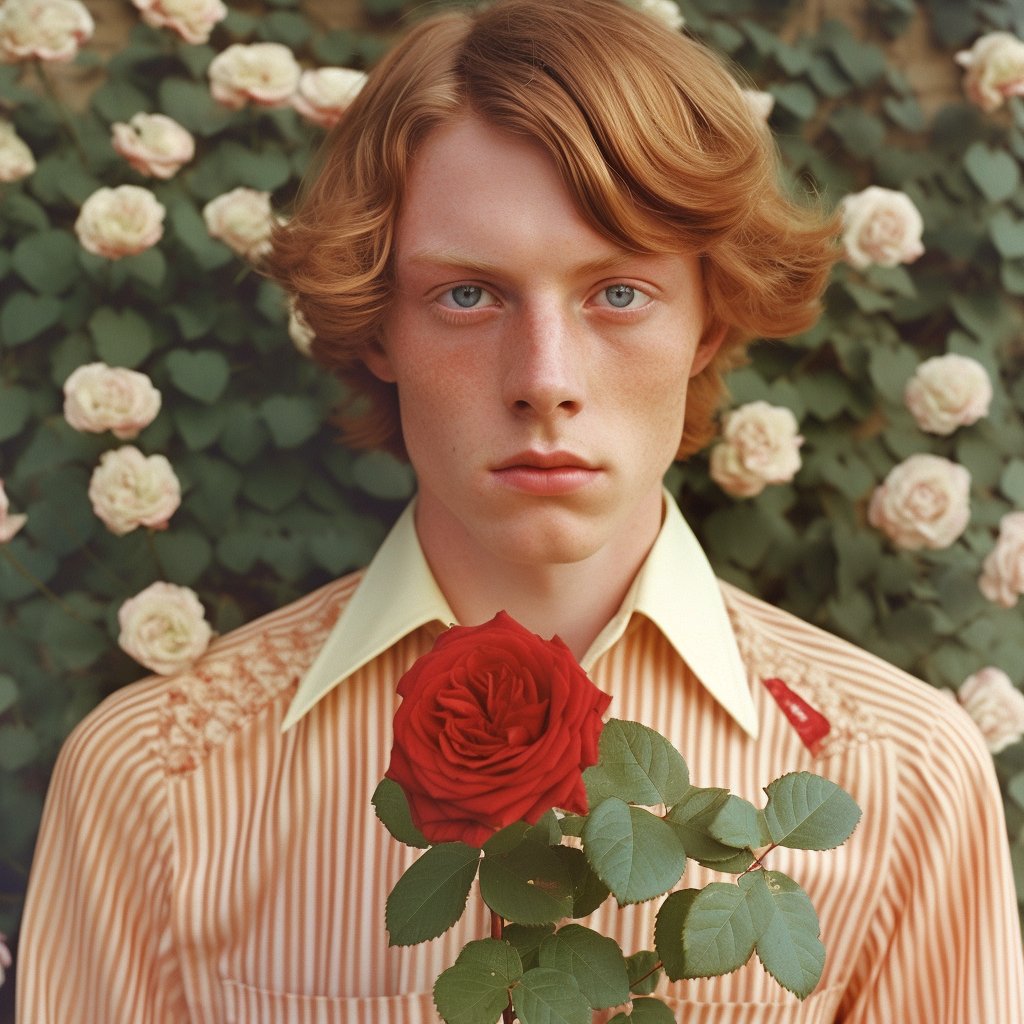
Midjourney 5.1 is out and it's incredible.
Text-to-image is reaching near photo-realistic in 2023.
Here are 7 realistic images I generated in less than 10 minutes: 👇
👁️👁️
I'm not looking at you.
Amazing new machine-learning technology from @nvidia called Eye Contact.
As an autistic guy I wish I had this in real-life.
I'm testing it now LIVE on https://t.co/fladAbb1Rg
Congrats @gerdelgado and team.
The Parallax View
Project from @algomystic is an IphoneX visual toy using TrueDepth facetracking to produce a Trompe-l'œil effect of depth from the position of your head
https://t.co/sOv7pV7BpD
These playful art installations use rotating bricks to interact with you.
Driven and coordinated by software and hardware, these art installations are completed through concerted efforts from engineers of multiple domains.
#gigadgets#visualarts#bricks#artinstallation#playful